
How to Drive Safely in the Rain: Essential Tips Every Driver Should Know
Here’s how to stay safe on the road when driving in heavy rain—for your own protection and for everyone around you.
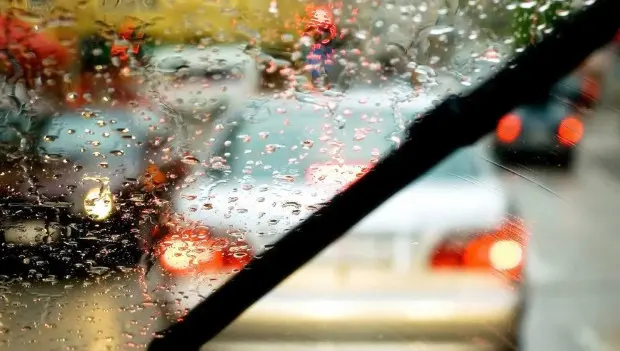
When the rain is pouring down, a few simple precautions can make all the difference. Falling water and spray kicked up by other vehicles can dramatically reduce visibility, so slow down and increase your following distance. If the downpour becomes so intense that your wipers can’t keep up, it’s safer to turn on your hazard lights or pull over and wait it out.
Rainy weather can also fog up your windows. To clear them quickly, turn on the air conditioner and direct airflow toward the windshield for faster defogging.
Wet pavement becomes slippery, so drive carefully and avoid sudden maneuvers. Standing water and puddles can drastically reduce tire grip. Hitting a puddle at high speed can even cause hydroplaning—when your tires lose contact with the road and you momentarily lose control. If that happens, don’t jerk the steering wheel; once traction is restored, any sudden movement can send the car veering off course.
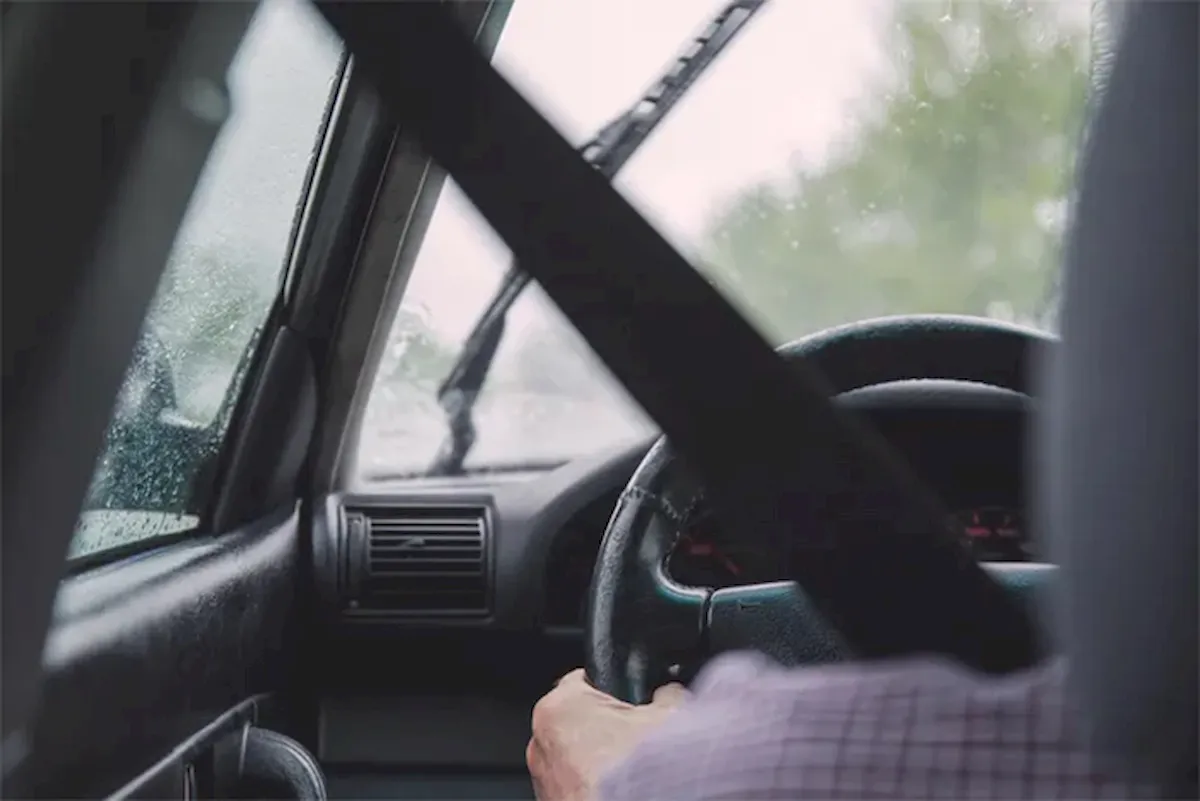
Watch out for ruts in the pavement, which tend to fill with water. Shifting slightly to the side can keep your tires out of them. Other surfaces become treacherous in the rain too: railroad tracks, rubber crossings, painted lane markings, cobblestones, and concrete all get slick when wet.
Avoid driving through deep puddles or fast-moving water. If you must cross a large puddle, do it slowly. Remember, water entering your engine’s air intake can cause hydraulic lock, leading to costly engine damage—or even total engine failure.
Finally, heavy rain is often accompanied by strong, gusty winds. Stay alert for falling branches or debris blowing onto the road. Lightly press your brakes occasionally to dry the pads and maintain stopping power. Stay cautious and drive safe!
You may also be interested in the news:
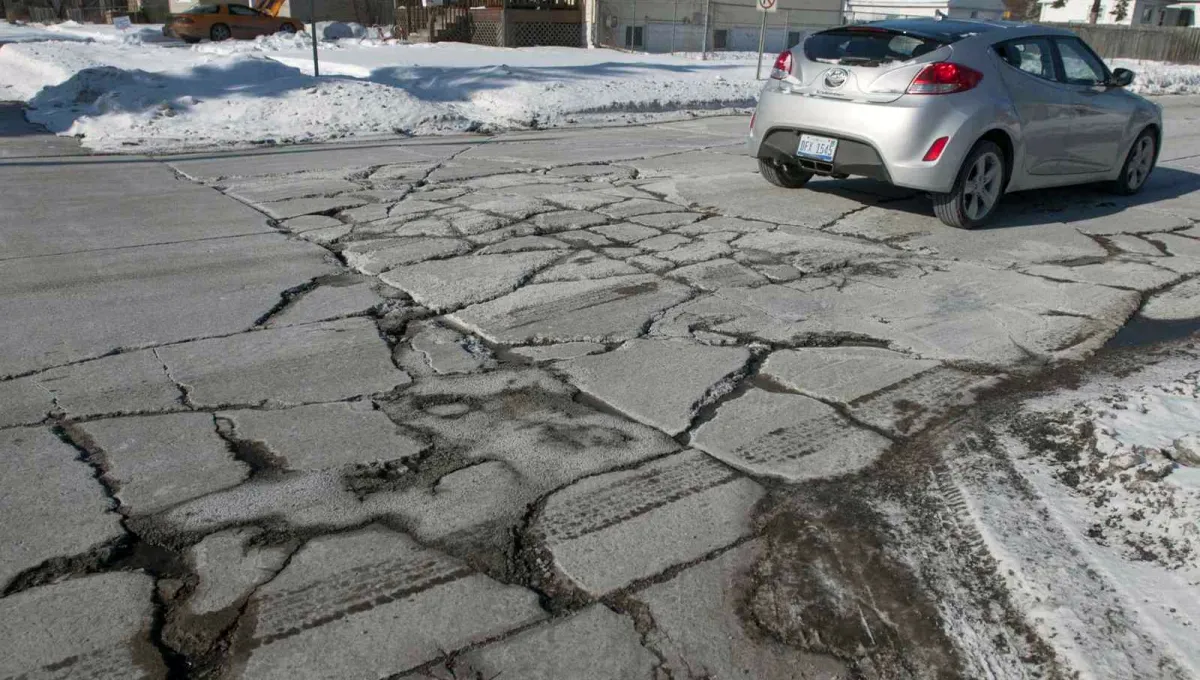
How to Reduce Tire Damage on Pothole-Filled Roads
Even a small pothole can cause serious trouble for a car. A hard hit can damage a tire, including its internal structure.
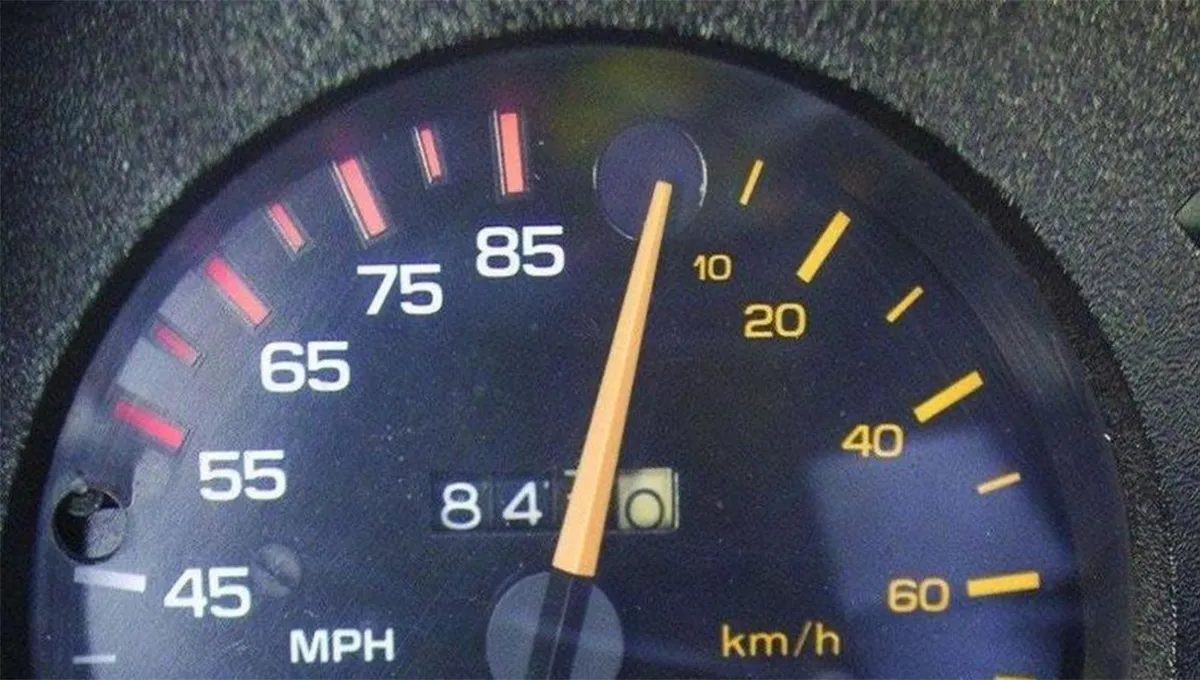
Study Finds Cars Used the Least Fuel Around 43 MPH, Not 56 MPH
At what speed does a car use the least fuel? French researchers identified a figure that may surprise many drivers.
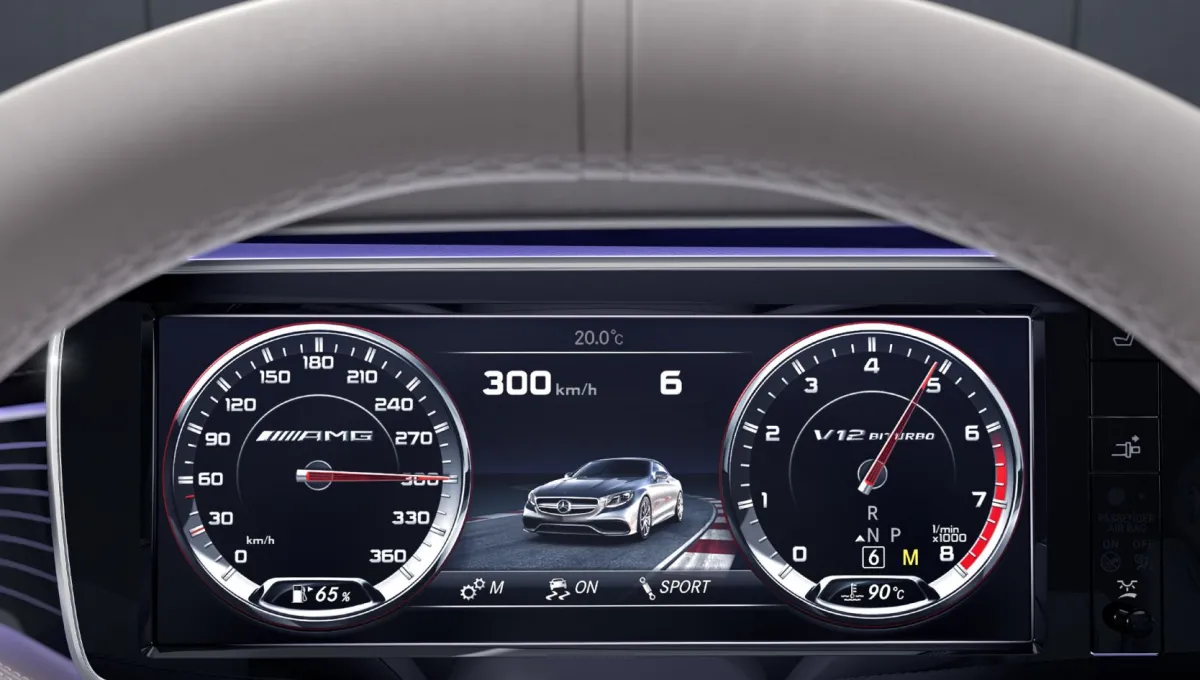
Driver Assist Test: Who Actually Helps and Who Just Grates on Your Nerves
Electronic driver aids are now a fixture of modern cars. Since 2024, the European Union has required key safety systems in new vehicles. But having those features on the equipment list is one thing; making them useful is another.
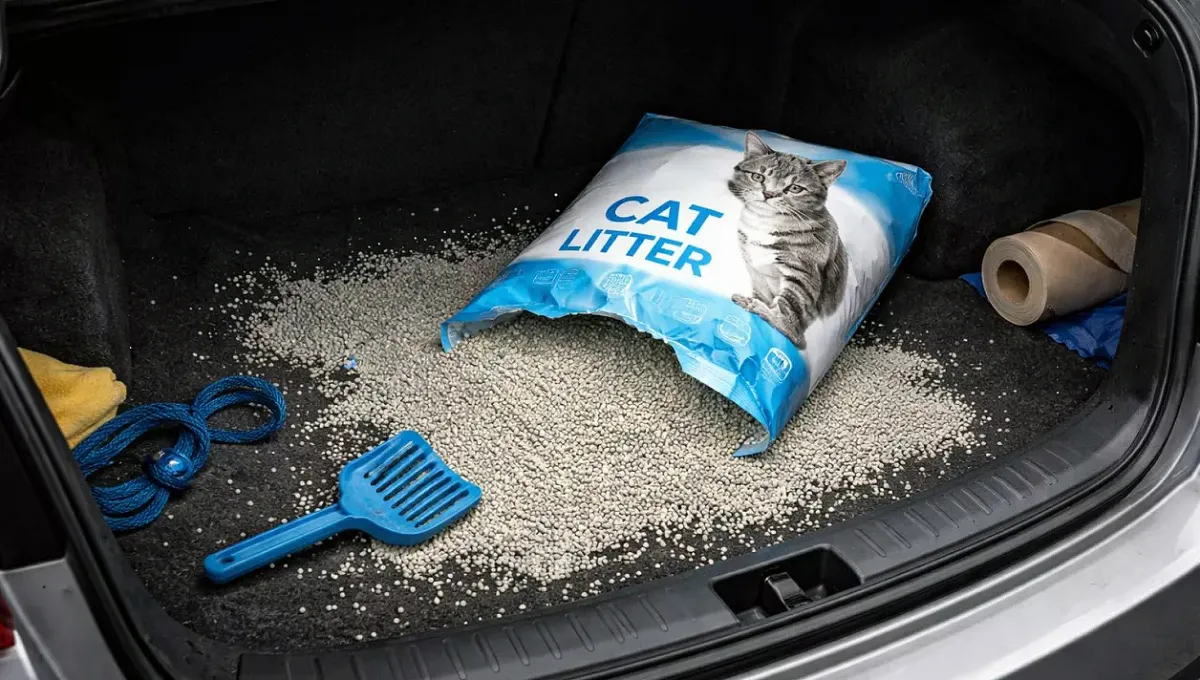
The Winter Trick Every Driver Should Know: Kitty Litter in the Trunk
Sand, salt, or cat litter: What can help tires find traction on a slippery road? Here’s a look at an unusual addition to a winter emergency kit.