
Top 5 Mistakes That Can Ruin Your EV Battery
An electric car’s battery isn’t just a big power pack — it’s a complex system that needs to be treated almost like something alive.
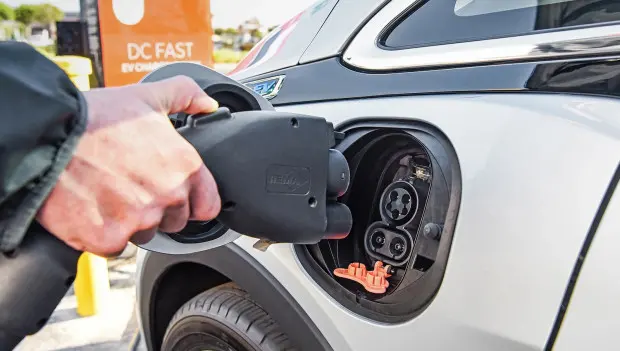
An EV battery really isn’t just a giant rechargeable brick. It’s a sophisticated piece of tech that needs a bit of care, almost the way you’d look after a living system. Wear and tear is normal, of course, but a lot of people speed up that process without realizing it: topping off to 100% every day, relying too heavily on fast charging, leaving the car out in extreme heat or cold, skipping software updates. None of it is done intentionally — it’s mostly a matter of not knowing better.
The first big mistake is charging to 100% every single time. Lithium-ion batteries — the kind most EVs use — are happiest when they stay somewhere between roughly 20% and 80%. Keeping them at a full charge or pushing them to the maximum too often puts extra stress on the chemistry inside, especially on the anode and cathode materials. Over time, that stress knocks down the battery’s capacity and raises the risk of overheating.
Fast charging is another issue when it’s used too often. Sure, the convenience is hard to beat, but high-power charging generates more heat inside the battery, and that heat speeds up chemical degradation. Most experts say fast charging should be more of a “when you really need it” option, and that regular charging should be done on slower AC stations to extend the battery’s lifespan.
Temperature is the third major factor. Lithium-ion batteries are especially sensitive to heat and cold. High temperatures accelerate corrosion and chemical aging, while freezing conditions can reduce capacity and slow down the charging process. Ideally, you want to park your EV in a cool, moderate environment and avoid leaving it out in extreme heat or deep cold for long periods. Many EVs come with thermal management systems that help keep the battery in a safe range, but they can’t do everything.
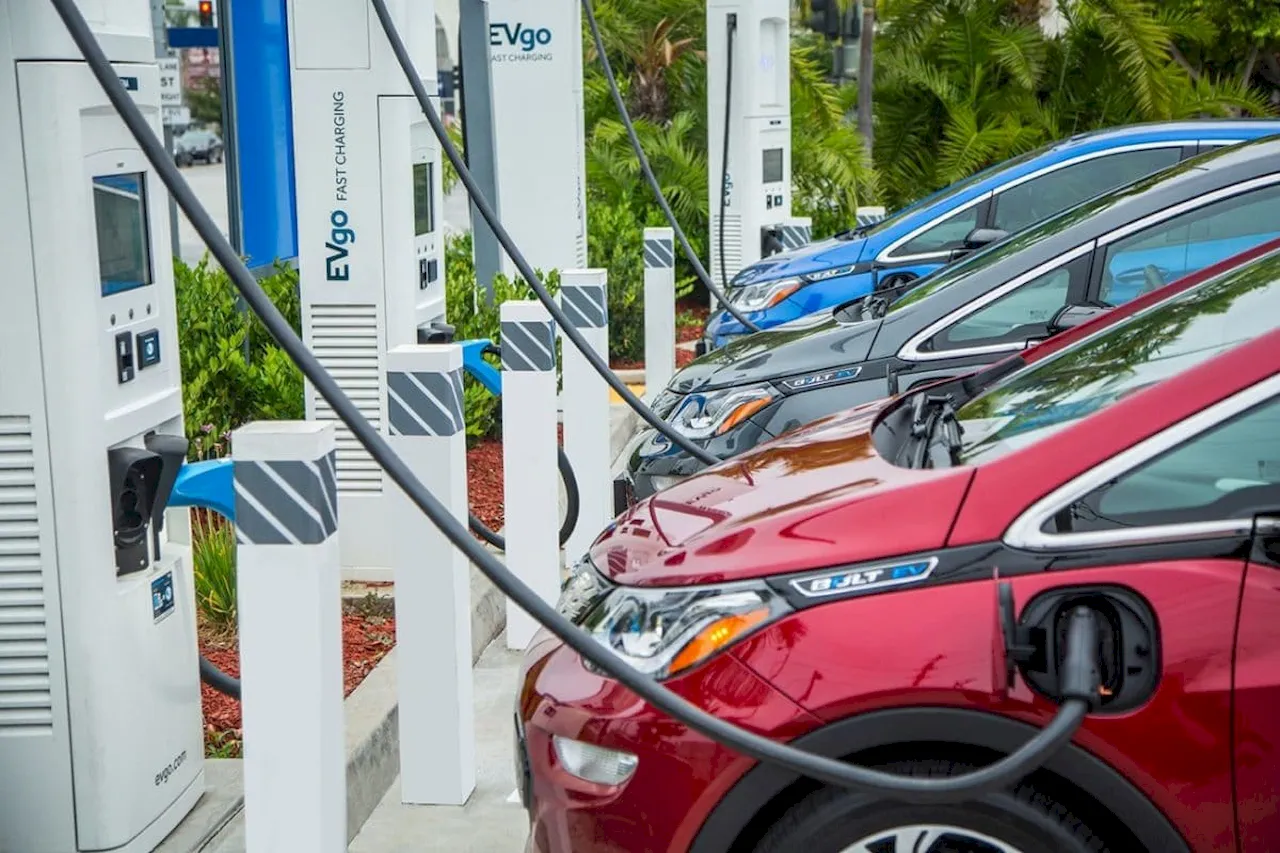
The fourth mistake is improper long-term storage. Leaving a car parked for weeks at full charge or completely drained — especially in humid, hot, or very cold conditions — puts a lot of stress on the battery. The best approach is to store the car with the battery around 50–60% and keep it in a well-ventilated, temperature-stable place.
Fifth, people often ignore software updates. Automakers regularly push updates that fine-tune charging behavior and improve cooling strategies. Skipping these updates can lead to less efficient power management, overheating, and faster battery wear.
EV owners are often advised to think of charging as something that requires a bit of planning and balance. Rely on home charging when you can, keep fast charging for rare situations, and pay attention to temperature conditions. It’s also a good idea to get the battery checked at a qualified service center from time to time so you can catch early signs of wear.
On top of the technical stuff, experts also point out that driving habits matter. Smooth acceleration and avoiding hard launches and sudden stops can help reduce stress on the battery.
Battery aging is natural, but there’s plenty you can do to slow it down. Just understanding the most common mistakes — and following a few simple tips — can make your EV last longer and make owning it more enjoyable.
Anyone considering an electric car should know that proper battery care is the key to getting the most out of it for years to come. Treat your EV well, follow the basic guidelines, and enjoy clean, modern mobility without taking a hit to your wallet or the environment.
You may also be interested in the news:
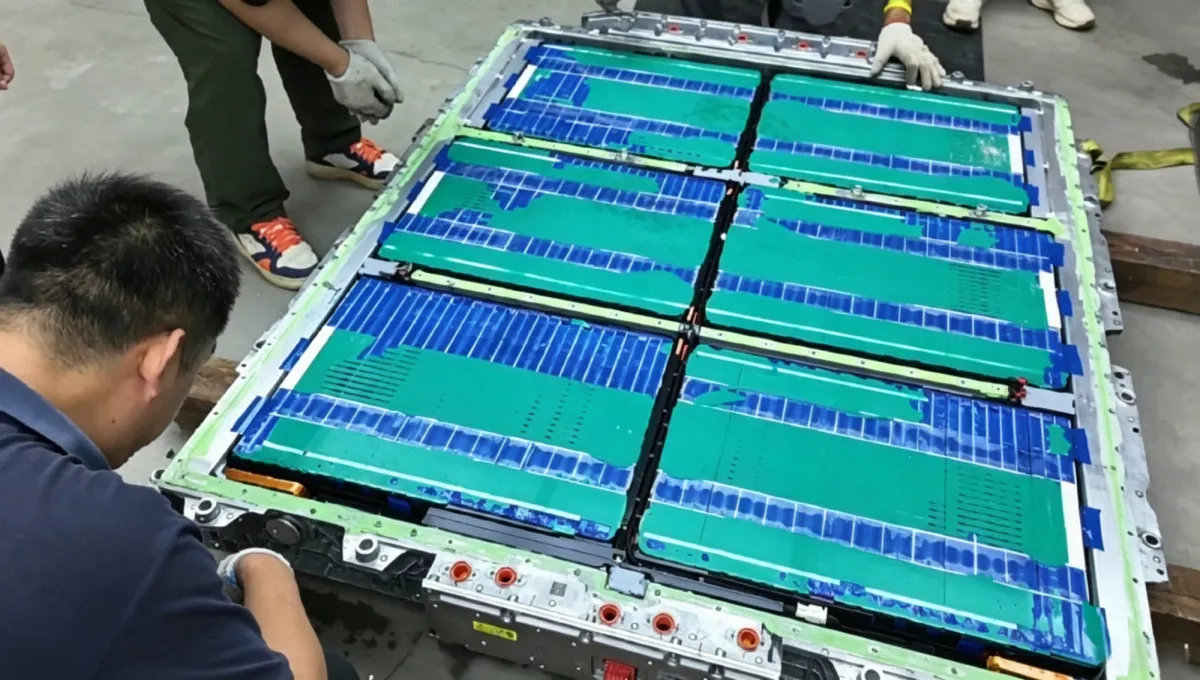
BYD Patents a Battery That Is Cooled by Literally Submerging It in Liquid
A new BYD patent describes a battery architecture that uses dielectric fluid to cool battery modules while keeping electrical components dry.
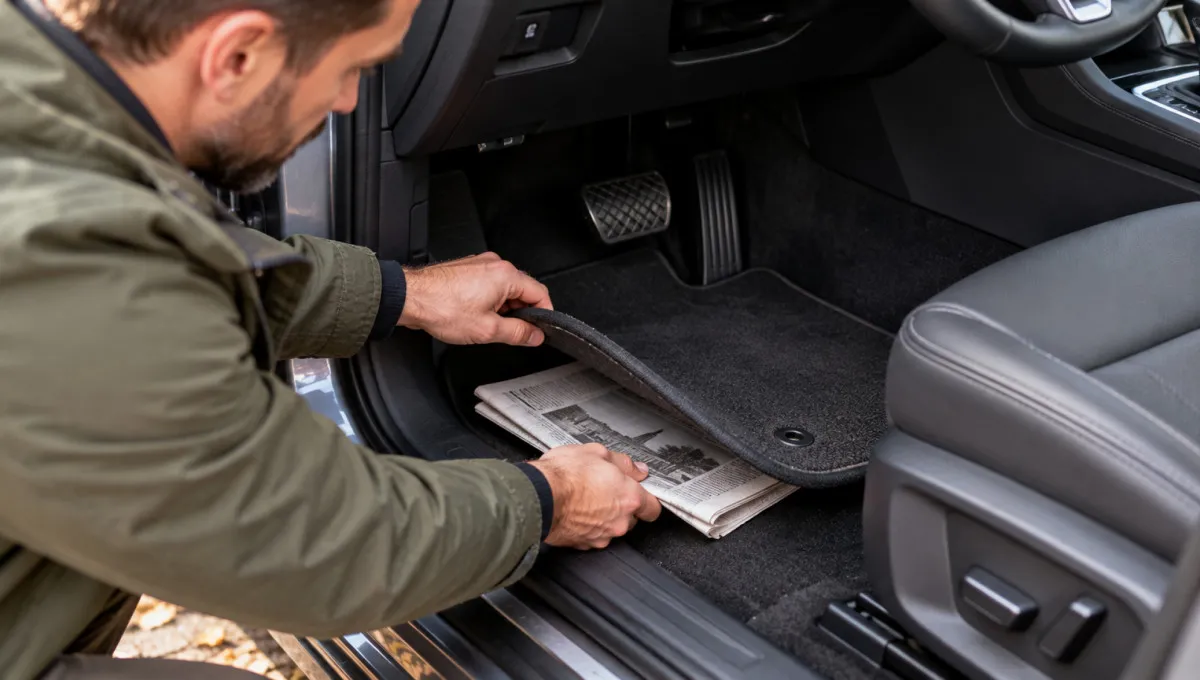
When the First Freeze Hits, Put Newspaper Under Your Floor Mat: An Old Winter Driving Trick
Newspaper under a floor mat can help protect a car's floor from winter moisture, but it requires regular attention.
How a Repair Shop Can Overcharge You: What Every Driver Should Know
An experienced mechanic knows how to increase a repair bill, and drivers should know what to watch for before approving work.
How to Find the Source of a Car Interior Rattle in 15 Minutes
A simple trick can help drivers pinpoint an annoying interior rattle without taking apart half the cabin or visiting a repair shop.
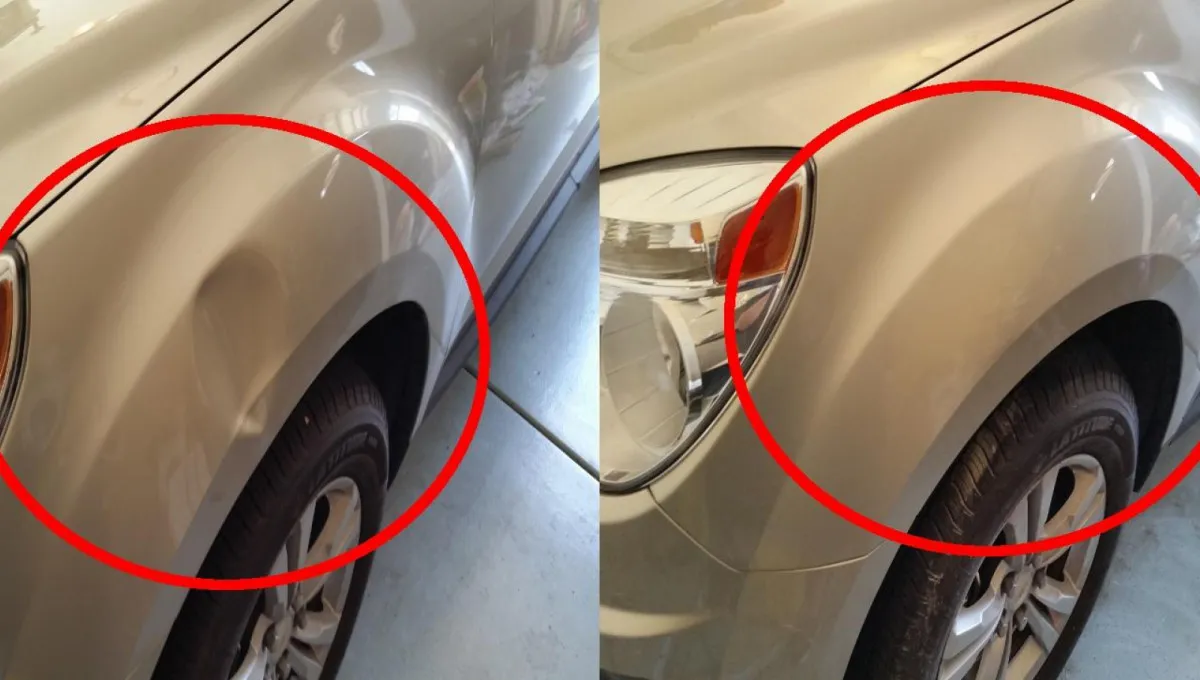
The Dent Can Disappear Without a Trace: How to Repair Car Body Damage Without Paint
Paintless dent repair can restore a damaged panel to its original shape, but only when certain conditions are met.