
Why Are Cars So Expensive? Congress Demands Answers from Auto CEOs
Over the past decade, the average price of a new car has jumped more than 50%, and many Americans aren’t happy about it.

For the first time since the 2008 financial crisis, the CEOs of Ford, General Motors, and Stellantis are set to sit down at the same table. The meeting will take place on January 14, 2026, during a congressional hearing examining the state of the U.S. auto industry — including how manufacturers set their prices.
According to Cox Automotive, the average new-vehicle transaction price in the U.S. topped $50,000 in September. Ten years ago, it was under $30,000. Senator Ted Cruz, who will lead the hearing, calls the surge the result of “burdensome, government-mandated technologies and aggressive environmental regulations.”
Industry analysts say the price spike isn’t only about regulation. Inflation, a shift toward higher-trim, feature-heavy models, and the growing influence of EV pricing — which has effectively pulled the rest of the market upward — have all contributed to the climb.
Lawmakers are also expected to discuss the auto industry’s transition to electrification, a contentious topic that continues to divide both politicians and manufacturers. Tesla’s vice president of vehicle engineering, Lars Moravy, has been invited to testify. Tax policy and tariffs will also be on the agenda, giving major automakers a clearer picture of what to expect from Washington in the coming years.
You may also be interested in the news:
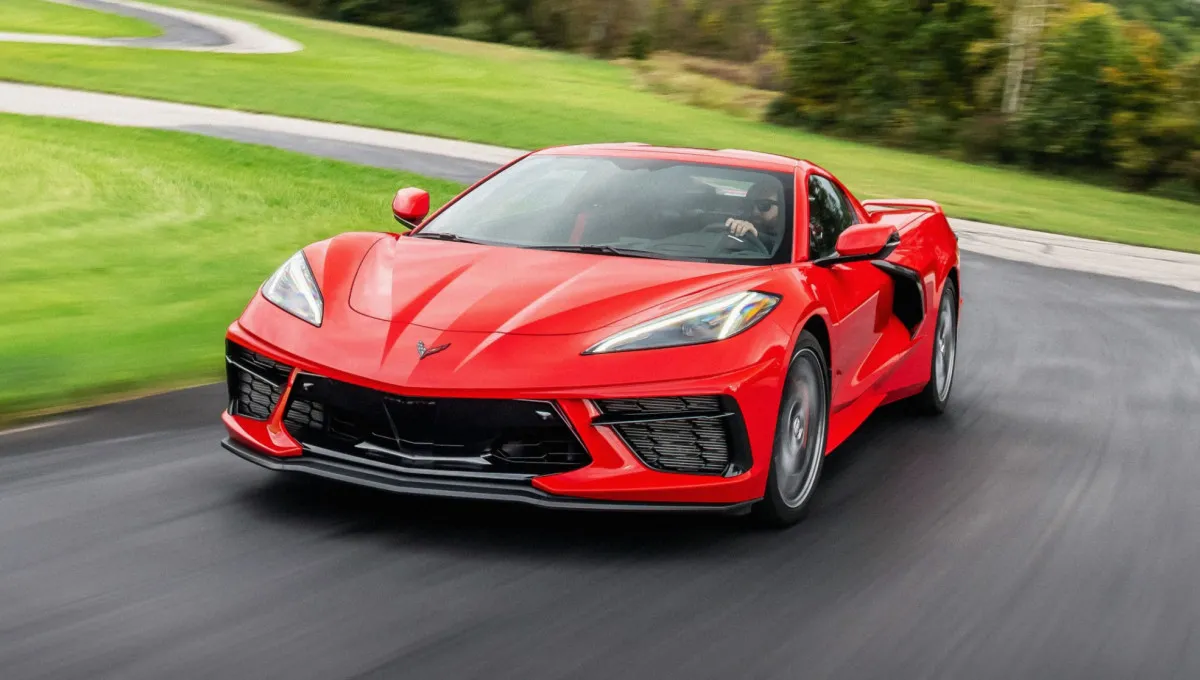
5 of the Most Beautiful Chevrolet Cars: Timeless Designs With Stunning Silhouettes
Which Chevrolet models deserve to be called the most beautiful?
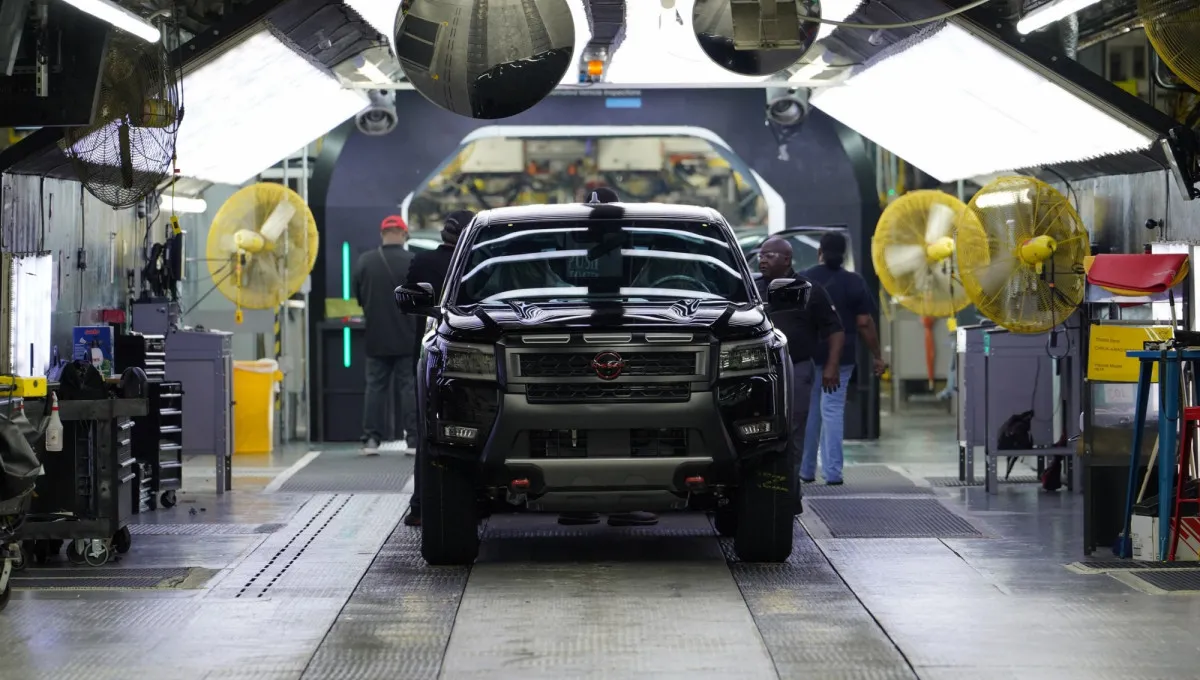
Nissan Restarts US-Made Murano, Pathfinder, Frontier Sales in Canada
Nissan resumed Canadian sales of three U.S.-built models, but tariffs keep supply below earlier levels.
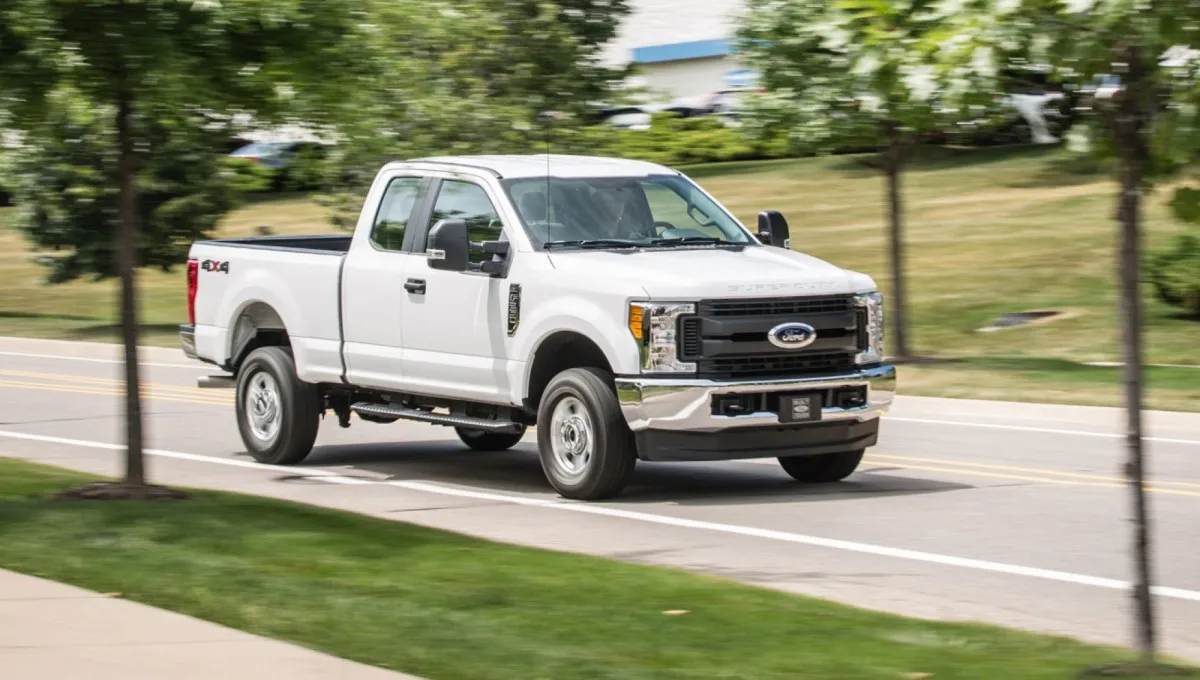
41,748 Ford SUVs and Trucks Recalled—Your Headlights Could Suddenly Stop Working
Ford recalls 41,748 vehicles after contaminated LED chips threaten required headlight performance on newer models.
The Sheriff Knew She Was Speeding—Then This Blonde Driver Turned the Ticket Against Him
A sheriff pulls over a Ferrari for speeding, but the driver's bizarre logic quickly turns the traffic stop against him.
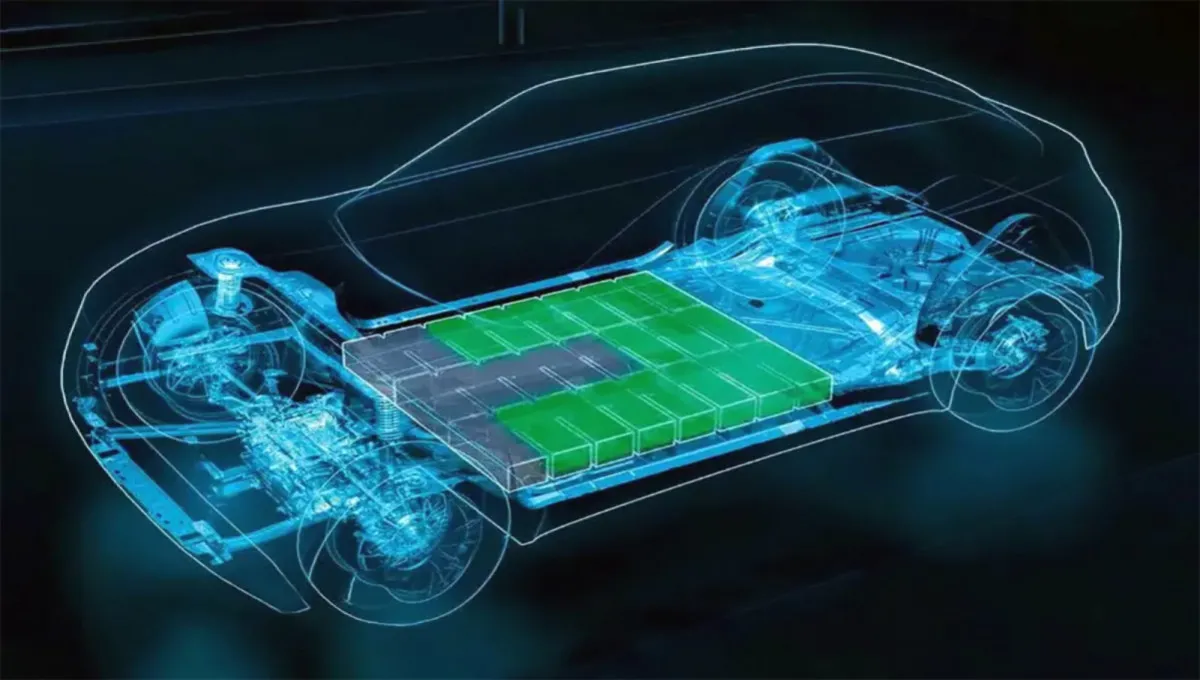
Stellantis Patents System That Lets an EV Drop Its Battery and Drive Away
A new patent details an emergency system that could let an EV disconnect its high-voltage battery and move away from danger.