
An Old Idea with a New Twist: Lucid, Nuro, and Uber Unveil a Luxury Robotaxi
A self-driving version of the Lucid Gravity electric SUV debuted in Las Vegas, positioning itself as Uber’s most advanced taxi yet and aiming to begin passenger service in the San Francisco Bay Area.
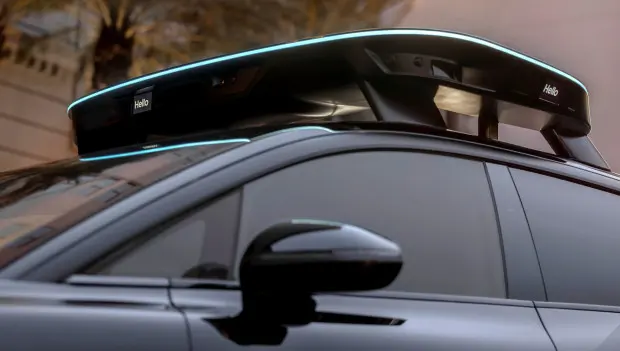
At CES 2026 in Las Vegas, Lucid, Nuro, and Uber pulled the wraps off a production-ready autonomous version of the Lucid Gravity electric SUV. Later this year, the vehicle is expected to become the technological flagship of Uber’s ride-hailing service and start carrying passengers around the San Francisco Bay Area in California.
Longtime followers of the autonomous vehicle space may recall that Uber shut down its in-house self-driving unit, the Advanced Technologies Group (ATG), at the end of 2020. Just a year earlier, ATG had developed a production-ready robotaxi based on the Volvo XC90. The problem was timing: commercial deployment simply wasn’t viable back then. Uber ultimately wrote off billions of dollars spent on the project.
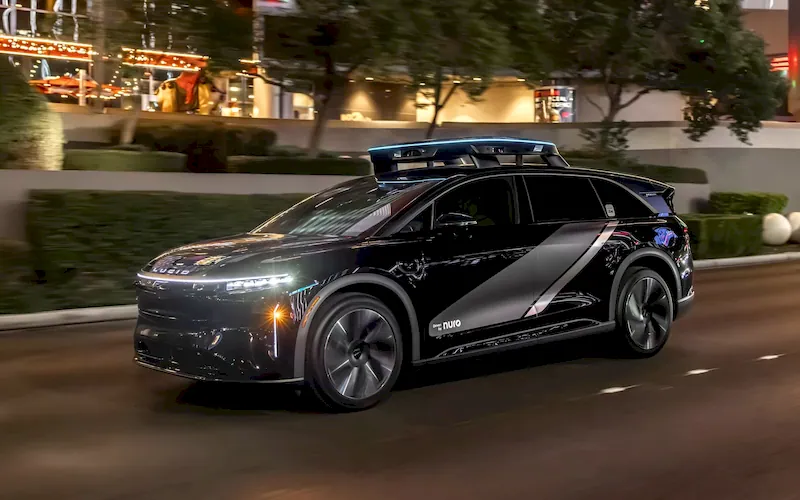
Even so, as one of the world’s largest ride-hailing platforms, Uber never fully walked away from autonomous driving. Instead, it kept a close eye on the technology, waiting for the moment when it might finally make economic sense. Today, Uber isn’t developing its own self-driving vehicles but is actively partnering with companies that are. The platform has already announced collaborations with Volkswagen, Stellantis, Momenta, and others. Among them, the Lucid Gravity appears to be the closest to real-world deployment — with Nuro handling the autonomous technology.
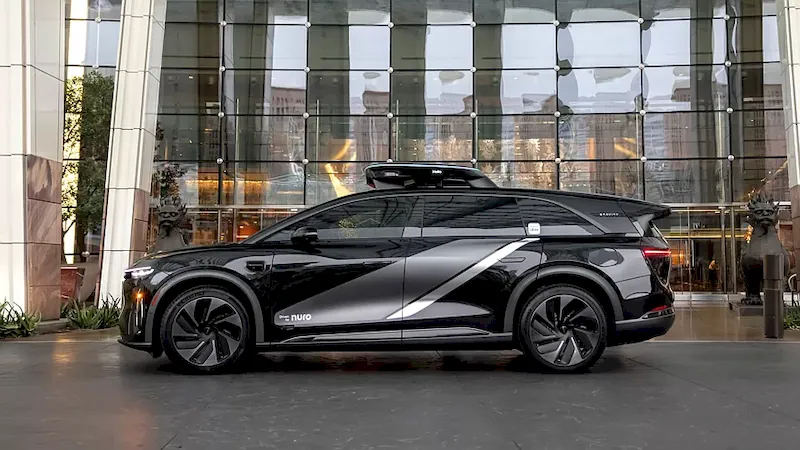
Nuro, founded in 2016, is no stranger to the industry. The company originally focused on autonomous delivery vehicles for groceries, food, and medicine, even launching two generations of these low-speed shuttles in limited pilot programs. Large-scale rollout never materialized, largely due to high costs and limited efficiency. In 2024, following financial pressures, Nuro abandoned plans to manufacture its own vehicles and pivoted to offering its autonomous driving systems to other companies. Lucid and Uber quickly took notice.
Uber has been the driving force behind the three-way partnership. In early fall of last year, the company invested $300 million in Lucid, with the goal of deploying roughly 20,000 SAE Level 4 autonomous vehicles over the next six years. Lucid itself does not develop high-level self-driving systems, which is why Nuro’s technology was brought in to transform the Gravity SUV into a robotaxi.
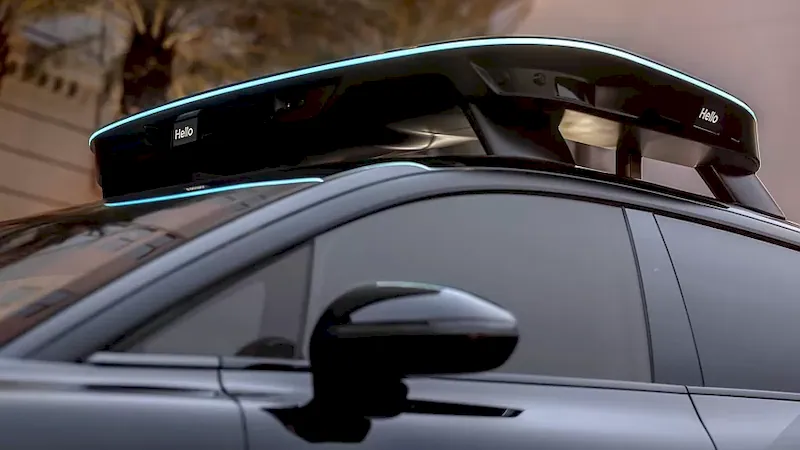
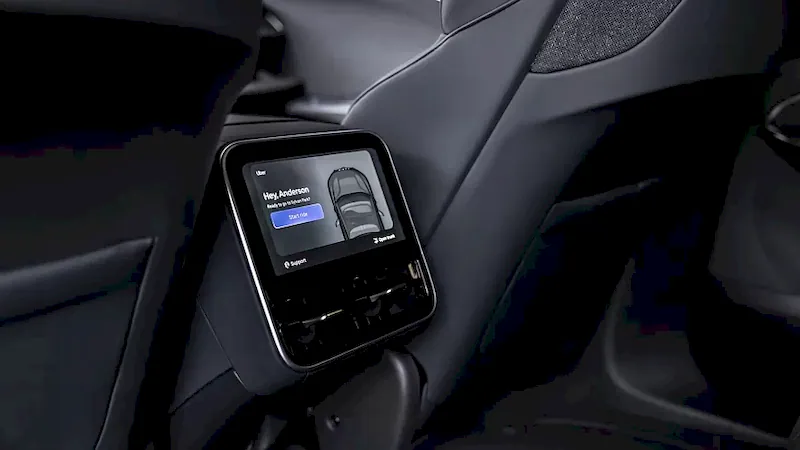
Pre-production versions of the autonomous Lucid Gravity have already been logging miles on California roads for several months. Now, the final exterior hardware package is ready — specifically, the roof-mounted sensor “pod” housing cameras, LiDAR units, and radar. The interior has also been reworked to make the ride more transparent and customizable for passengers.
According to the announcement, the first autonomous Lucid Gravity vehicles are expected to begin revenue service in the San Francisco Bay Area by the end of the year. It remains unclear whether a human safety operator will be present in the cabin, as is currently the case with Tesla’s robotaxi trials. Waymo, Google’s autonomous driving subsidiary, operates vehicles without onboard supervisors, relying instead on remote monitoring and guidance. Even with strict operational limits, Waymo vehicles still find themselves involved in accidents, traffic disruptions, and the occasional viral mishap. Still, Waymo’s service area continues to expand, showing that progress — while slow — is happening.
Interest in robotaxis is growing among automakers and ride-hailing companies alike, despite the fact that profitability remains an open question. Waymo continues to operate at a loss, Tesla reportedly does as well, and Uber’s luxury Lucid Gravity robotaxi is unlikely to pay for itself anytime soon. For now, the biggest players are racing to stake their claims and gain real-world experience in the autonomous taxi market — and in this case, Uber has managed to do so while keeping its costs in check.
You may also be interested in the news:
5 of the Most Beautiful Chevrolet Cars: Timeless Designs With Stunning Silhouettes
Which Chevrolet models deserve to be called the most beautiful?
Nissan Restarts US-Made Murano, Pathfinder, Frontier Sales in Canada
Nissan resumed Canadian sales of three U.S.-built models, but tariffs keep supply below earlier levels.
41,748 Ford SUVs and Trucks Recalled—Your Headlights Could Suddenly Stop Working
Ford recalls 41,748 vehicles after contaminated LED chips threaten required headlight performance on newer models.

The Sheriff Knew She Was Speeding—Then This Blonde Driver Turned the Ticket Against Him
A sheriff pulls over a Ferrari for speeding, but the driver's bizarre logic quickly turns the traffic stop against him.
Stellantis Patents System That Lets an EV Drop Its Battery and Drive Away
A new patent details an emergency system that could let an EV disconnect its high-voltage battery and move away from danger.