
“Torque or Horsepower?”: Clearing Up What Really Matters When Buying a Car in the U.S.
When you’re shopping for a new car, one question always comes up: should you focus on horsepower or torque?
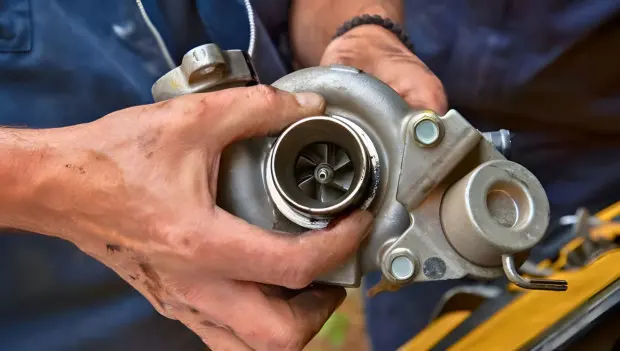
When it comes time to choose a new vehicle, many American buyers find themselves weighing two numbers on the spec sheet: horsepower and torque. Both are highlighted by manufacturers, dealers, and reviewers, yet few drivers clearly understand how these figures actually affect everyday driving.
For some, horsepower is a badge of bragging rights — the bigger the number, the more impressive the car sounds. Torque, meanwhile, often gets overlooked. But from a practical standpoint, both play an important role, and understanding the difference can genuinely help you make a smarter buying decision.
Horsepower: the headline number
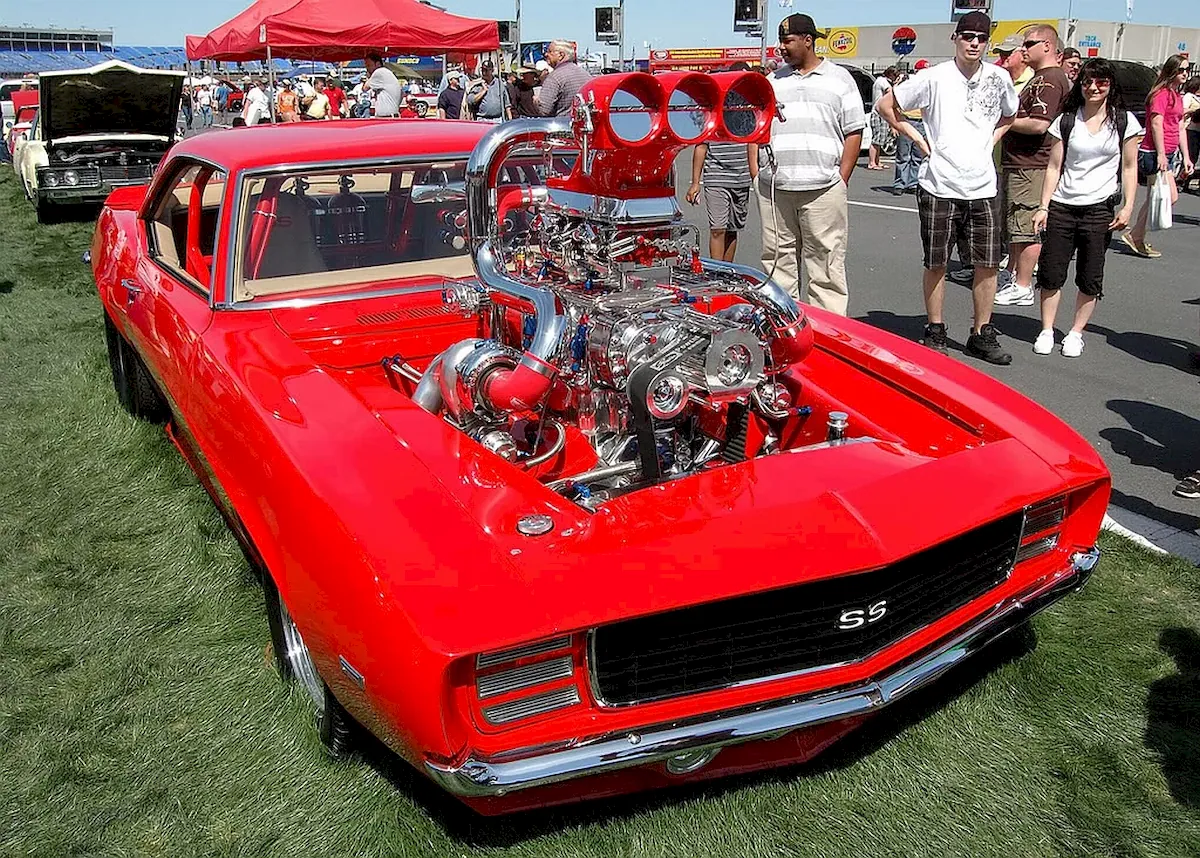
Let’s start with the familiar one — horsepower. It’s the figure most people quote when talking about performance. Saying your car has “300 horsepower” still carries weight, especially in a market like the U.S., where performance cars and powerful trucks are part of the culture.
Horsepower largely determines how fast a vehicle can accelerate at higher speeds and how well it maintains speed on the highway. It’s what matters when you’re passing at 70 mph, merging aggressively, or simply enjoying a strong pull at the top end of the rev range.
In the U.S., horsepower also affects insurance costs and, in some states, registration fees — though not as directly or uniformly as in other markets. More power often means higher premiums, especially for younger drivers or performance-oriented models. That’s a real-world cost many buyers overlook.
That said, most drivers rarely use full engine output. Your daily commute, grocery runs, and school drop-offs don’t demand maximum horsepower — even if it’s nice to know it’s there.
Torque: the number you feel every day
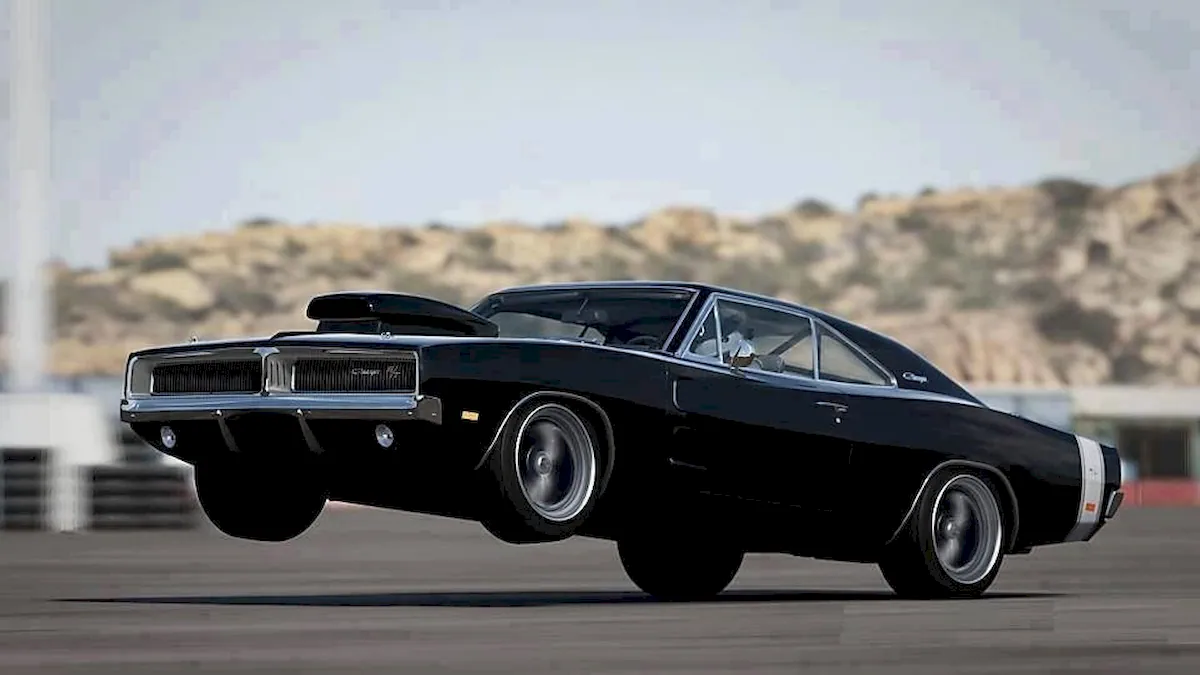
Torque is where everyday driving comfort really comes into play. Measured in pound-feet (lb-ft), torque reflects how much twisting force the engine produces — and how easily the vehicle gets moving.
Think about pulling away from a stoplight, climbing a steep hill, merging onto a freeway on-ramp, or towing a trailer. In all of those situations, torque matters more than peak horsepower.
High torque at low RPM means smoother, more confident acceleration without needing to floor the gas pedal. This is why pickup trucks, SUVs, and modern turbocharged engines emphasize torque figures so heavily. It’s also why electric vehicles feel quick off the line — maximum torque is available instantly.
Drivers often come to appreciate torque with experience. A car with strong low-end torque feels responsive and relaxed in city traffic, stop-and-go congestion, and suburban driving.
Horsepower vs. torque: finding the right balance
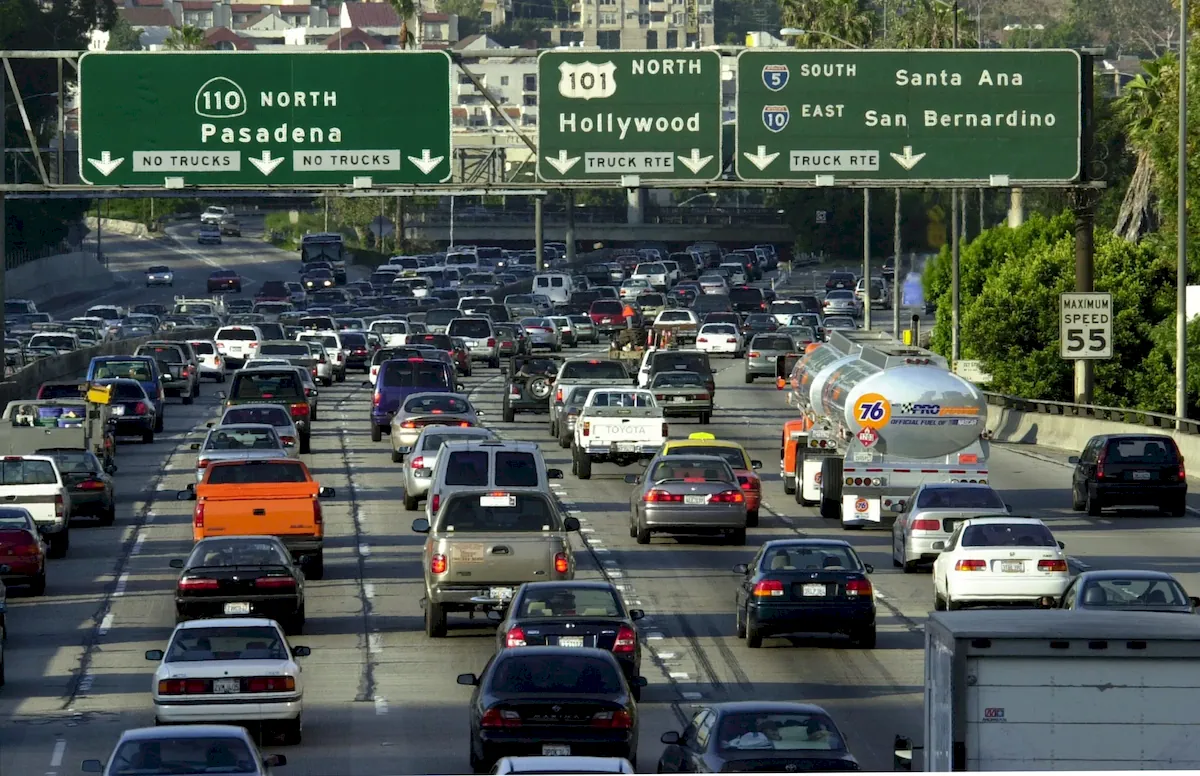
So which one should you prioritize? In reality, it depends on how you plan to use your vehicle.
If most of your driving happens in the city — dealing with traffic, frequent stops, and short trips — torque is usually more important. It makes the car easier and more pleasant to drive without constant throttle input.
If you spend a lot of time on highways, enjoy spirited driving, or are shopping for a performance-oriented car, horsepower becomes more relevant. High horsepower shines at sustained speeds and during aggressive acceleration.
Ideally, a well-rounded vehicle offers both. That’s why modern turbocharged engines have become so popular in the U.S. market: they deliver strong torque at low RPM while still producing respectable horsepower numbers. The result is better drivability, improved fuel efficiency, and strong all-around performance.
Comfort behind the wheel
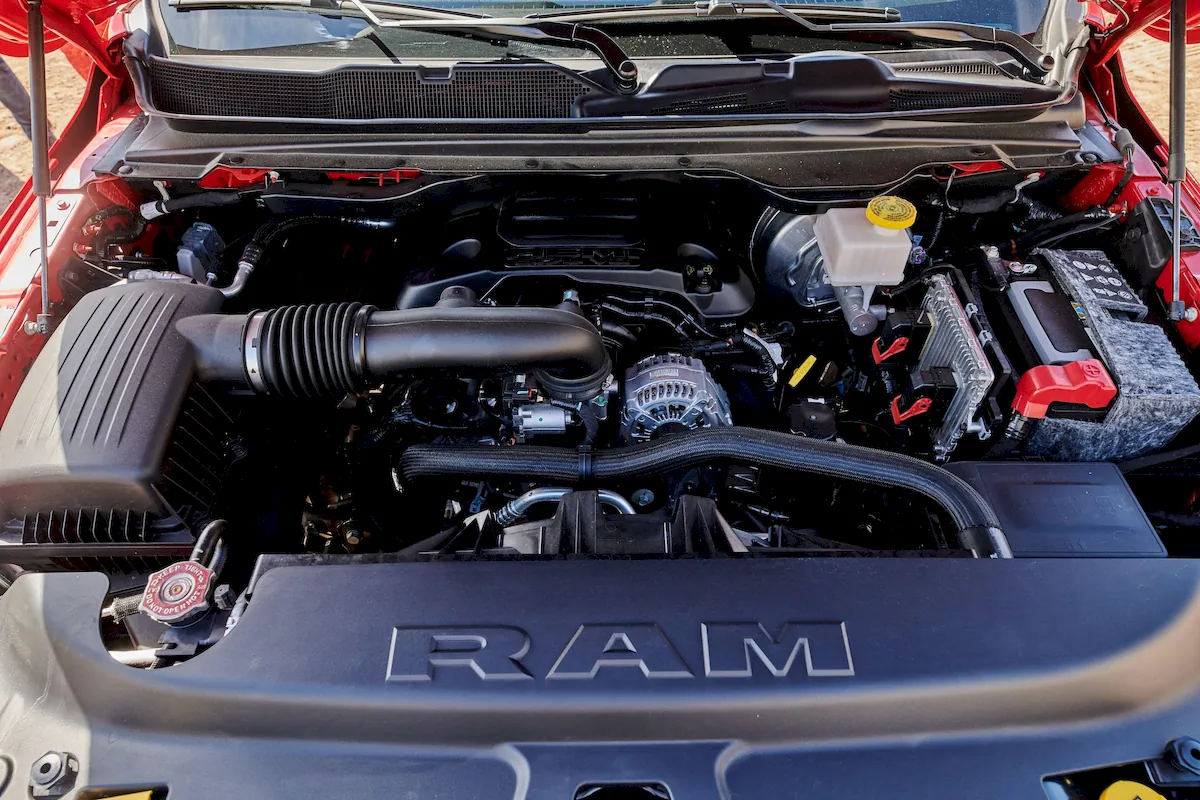
Torque also plays a major role in driving comfort — something many buyers don’t realize until they’ve lived with a car for a while.
An engine with plenty of horsepower but weak low-end torque can feel sluggish in traffic, forcing you to press the accelerator harder just to keep pace. A torquey engine, on the other hand, responds effortlessly, making daily driving smoother and less stressful.
That’s especially important for family cars, crossovers, and trucks, where ease of use matters more than outright speed.
So, what should you choose?
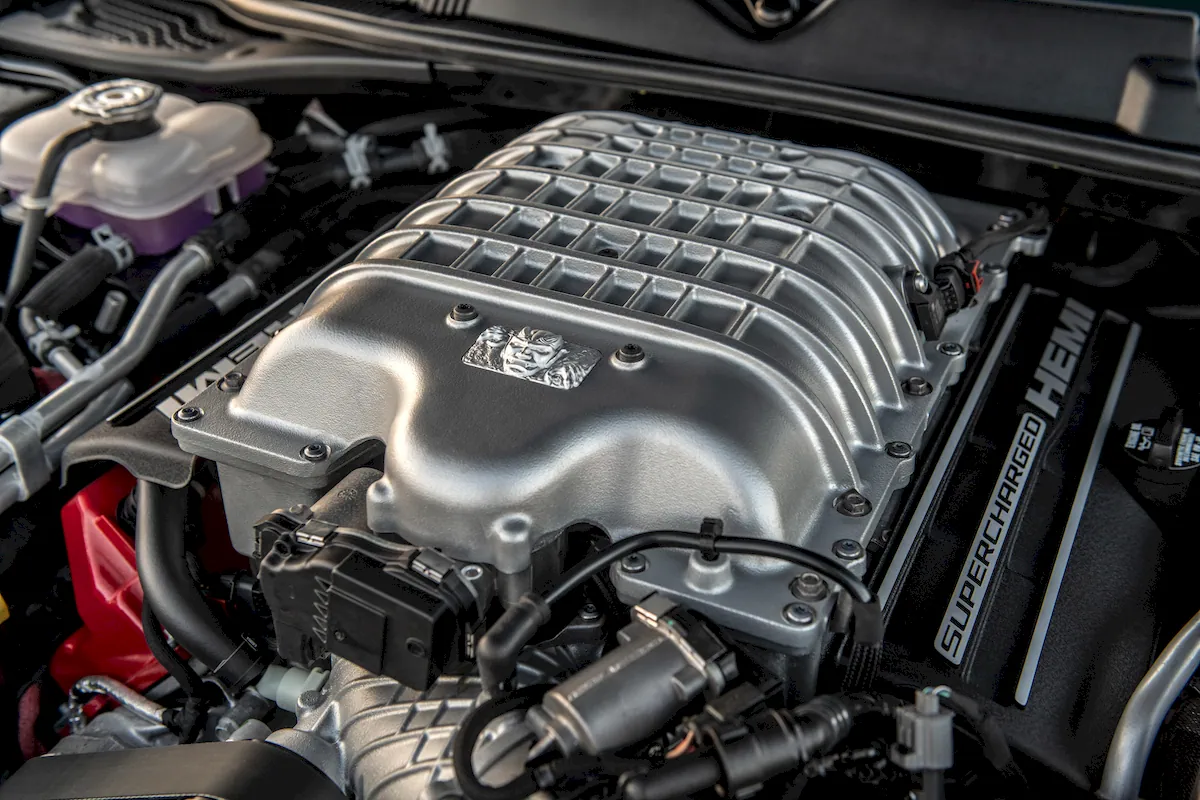
There’s no universal answer. If comfort, city driving, and relaxed performance are your priorities, focus on torque. If speed, highway performance, or sporty driving matter more, horsepower deserves attention.
The best choice is a balanced one. Understanding how horsepower and torque work together — rather than chasing the biggest number — will help you choose a vehicle that fits your lifestyle and feels right every time you get behind the wheel.
You may also be interested in the news:
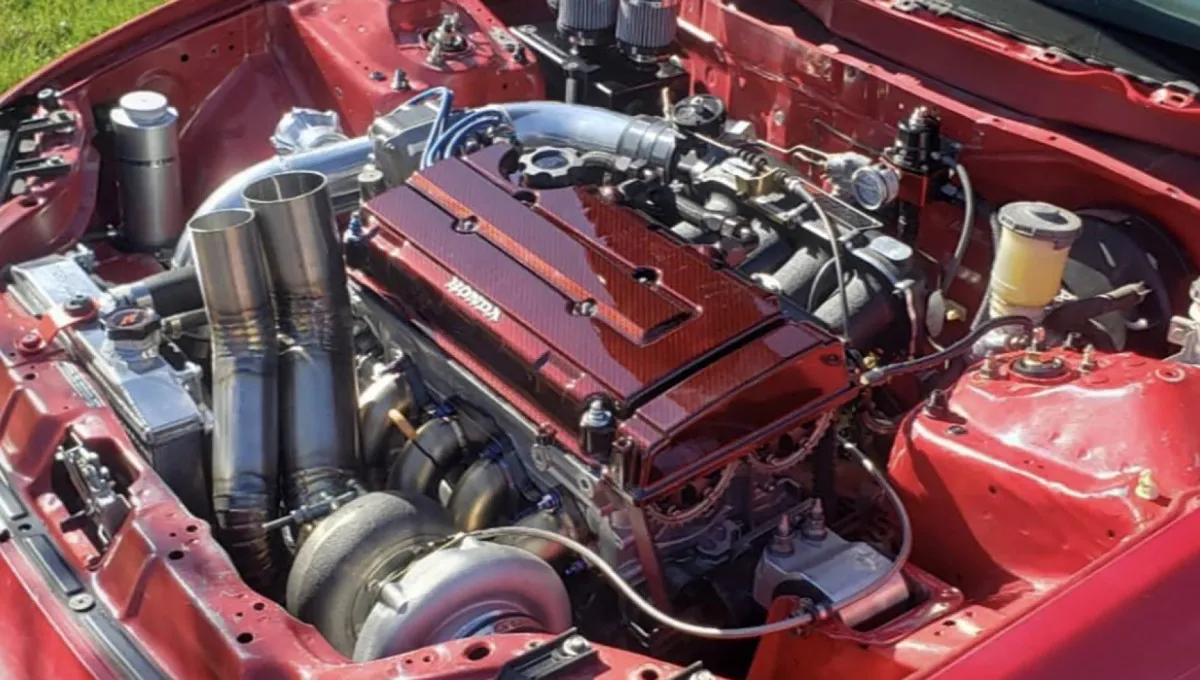
Honda K-Series Engines Can Go Past 300,000 Miles — Here's Why They're So Reliable
How long can a Honda K-series engine last, and what makes this family of Japanese engines so durable?
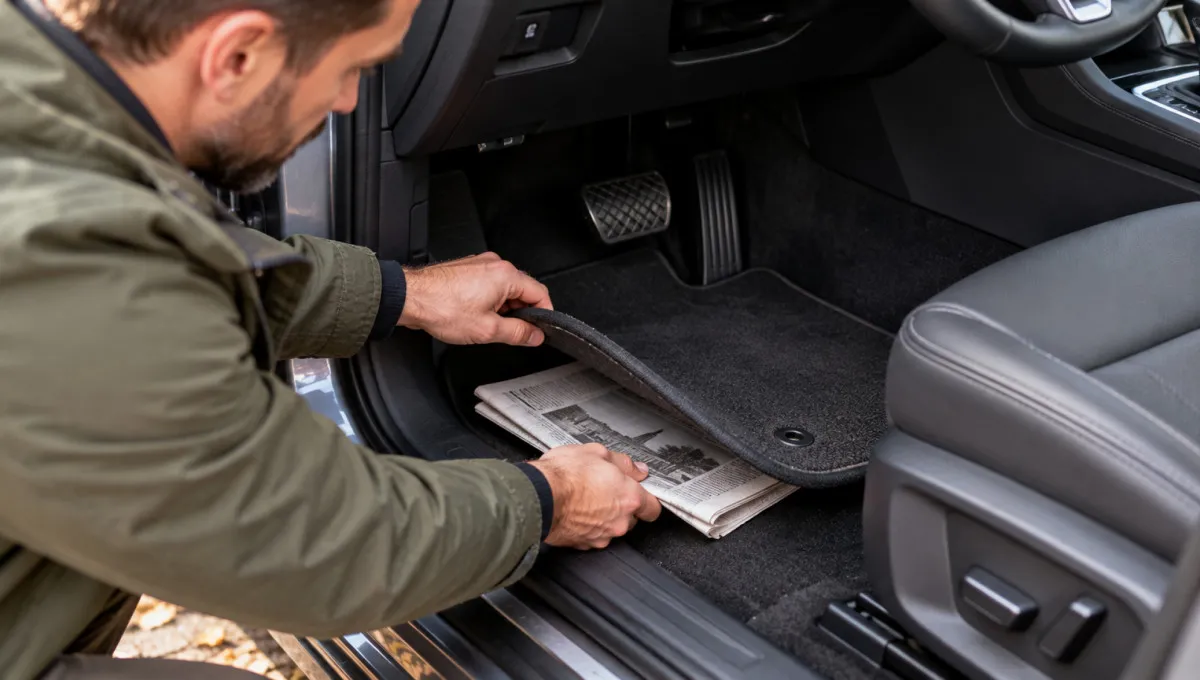
When the First Freeze Hits, Put Newspaper Under Your Floor Mat: An Old Winter Driving Trick
Newspaper under a floor mat can help protect a car's floor from winter moisture, but it requires regular attention.
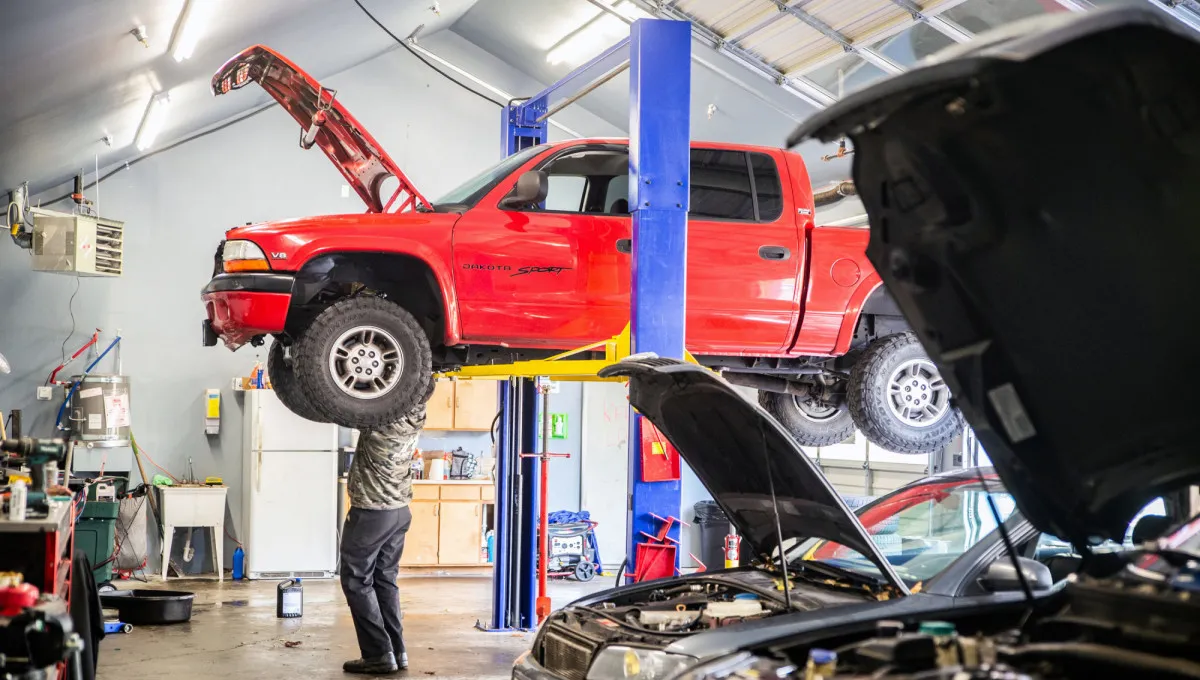
How a Repair Shop Can Overcharge You: What Every Driver Should Know
An experienced mechanic knows how to increase a repair bill, and drivers should know what to watch for before approving work.
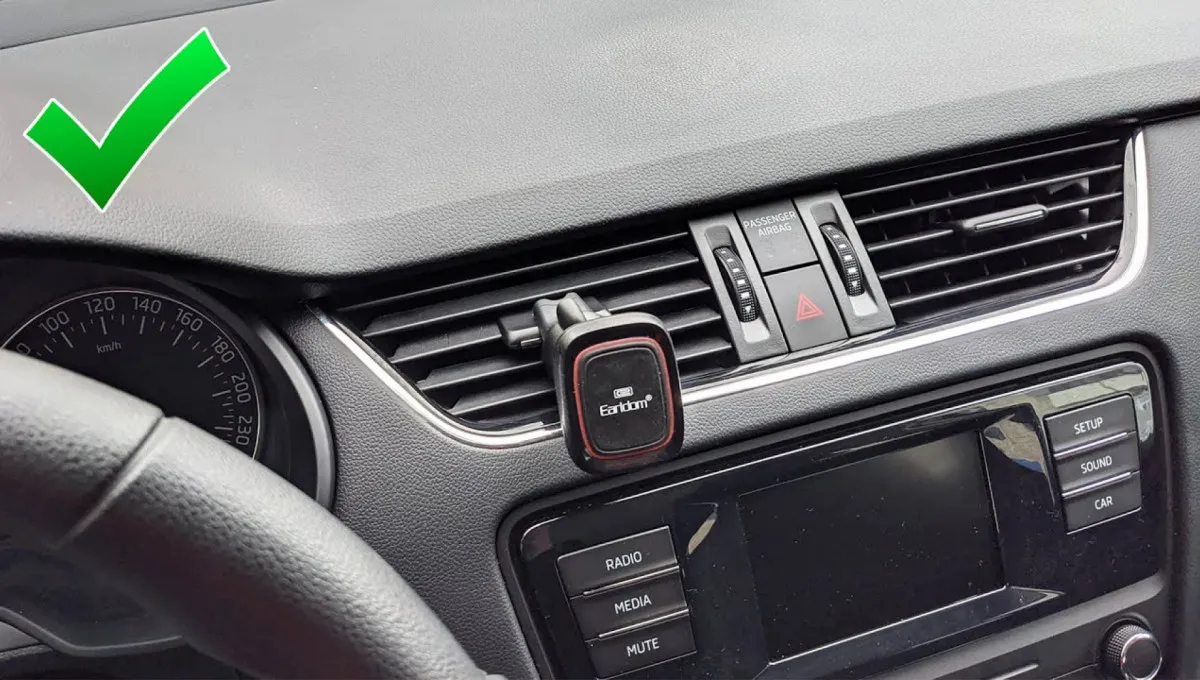
How to Find the Source of a Car Interior Rattle in 15 Minutes
A simple trick can help drivers pinpoint an annoying interior rattle without taking apart half the cabin or visiting a repair shop.
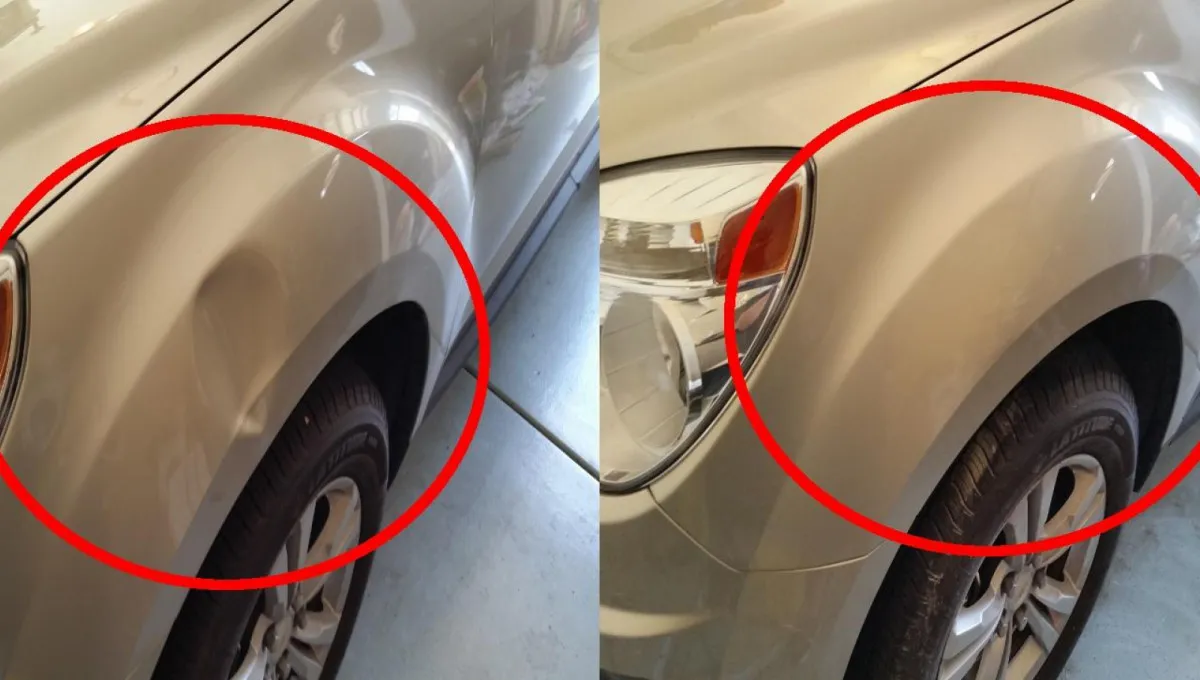
The Dent Can Disappear Without a Trace: How to Repair Car Body Damage Without Paint
Paintless dent repair can restore a damaged panel to its original shape, but only when certain conditions are met.