
Dodge Charger Daytona EV: Factorial’s Semi-Solid-State Battery Gets a Major Update
The upgrade promises stronger performance, longer range, and quicker charging times.
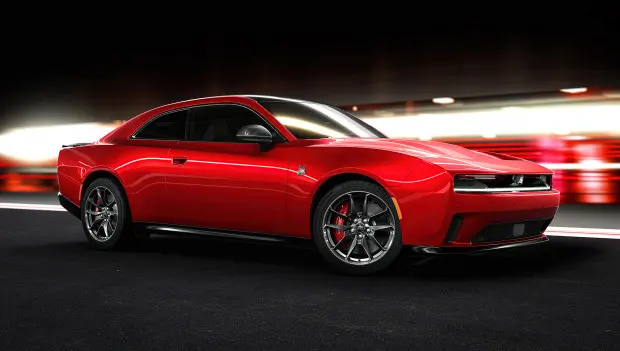
Stellantis plans to bring Factorial’s FEST semi-solid-state battery technology to the upcoming Dodge Charger Daytona EV, with a pilot fleet expected to hit the road in 2026. The battery’s energy density is projected to top 390 Wh/kg — a significant leap that should deliver better performance, extended driving range, and shorter charging sessions.
The automaker confirmed that it will integrate Factorial’s next-generation quasi-solid-state cells into its high-performance electric Charger Daytona. A demonstration fleet equipped with the new pack is scheduled to roll out in 2026. According to Stellantis, the FEST battery is lighter, safer, and far more energy-dense than today’s liquid-electrolyte lithium-ion cells, setting the stage for meaningful improvements in efficiency and real-world usability.
In early Charger Daytona prototypes, Factorial’s solid-state units have already surpassed 390 Wh/kg, well above the 200–300 Wh/kg typically seen in commercial lithium-ion designs. It’s a key advance that could translate into reduced weight, higher usable capacity, and improved overall safety.
Stellantis says pairing the FEST battery with its STLA Large platform will enhance performance across the board, boost range, and reduce charging time. CTO Ned Curic described the move as an “important milestone” in the company’s ongoing partnership with Factorial.
A demo fleet using the semi-solid-state batteries is slated to go operational in 2026, marking a tangible step toward commercializing a technology that’s been anticipated for more than a decade. Stellantis hasn’t yet revealed how many vehicles will be involved or when consumers will be able to purchase models equipped with the new battery tech.
FEST — short for Factory Electrolyte System Technology — is engineered to work within existing lithium-ion battery manufacturing lines, minimizing the need for brand-new facilities. The approach, in theory, could cut both the time and cost of scaling up production. Factorial currently runs a large-scale solid-state production line in Methuen, Massachusetts, with a planned capacity of 200 MWh per year.
One of the biggest challenges facing solid-state batteries is the speed at which they can be scaled. Factorial’s strategy of upgrading existing lithium-ion lines rather than building fresh factories from the ground up may help the company accelerate that process. Stellantis, along with Mercedes-Benz and Hyundai Motor Group, has invested hundreds of millions of dollars in Factorial, signaling strong confidence that solid-state technology is the next major leap in EV development.
The STLA Large platform underpins models from Jeep, Alfa Romeo, Chrysler, and Maserati. If production scales as scheduled, solid-state EVs from those brands could follow, expanding the reach of FEST technology throughout the Stellantis portfolio.
You may also be interested in the news:
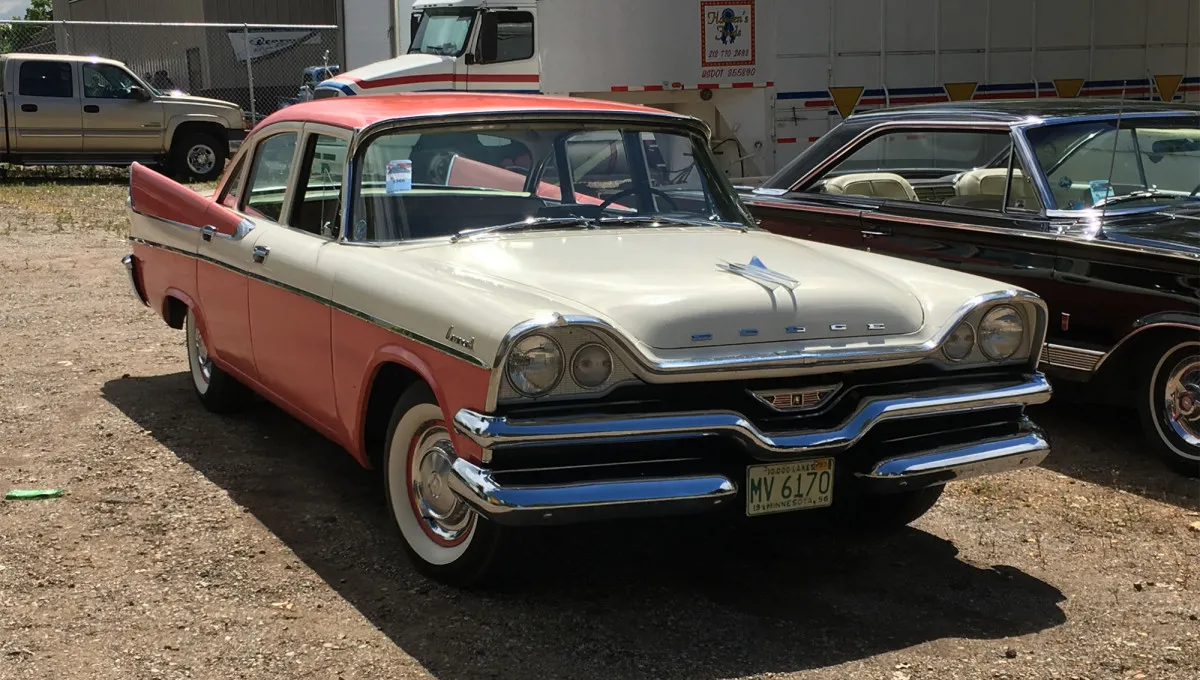
The 1957 Dodge: How “Autodynamics” Shaped One of Detroit’s Boldest Designs
The 1957 Dodge Looked Like a Dream Car, but Its Biggest Flaw Was Hiding Beneath the Surface.
Honda Is Developing a System That Charges EVs While They Drive
Honda plans to begin testing wireless charging technology for electric vehicles on the move later this year.
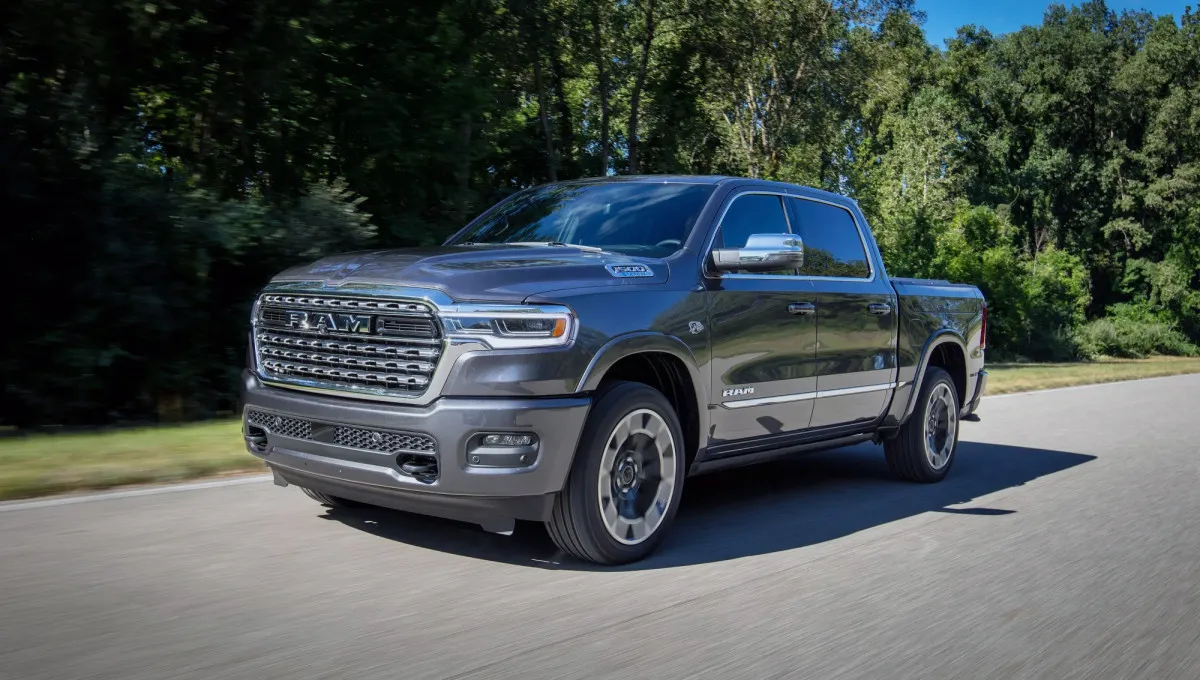
2026 Ram 1500 Recall: 16K Trucks May Have Faulty Tire Pressure Sensors
Ram is recalling 16,385 model-year 2026 Ram 1500 trucks
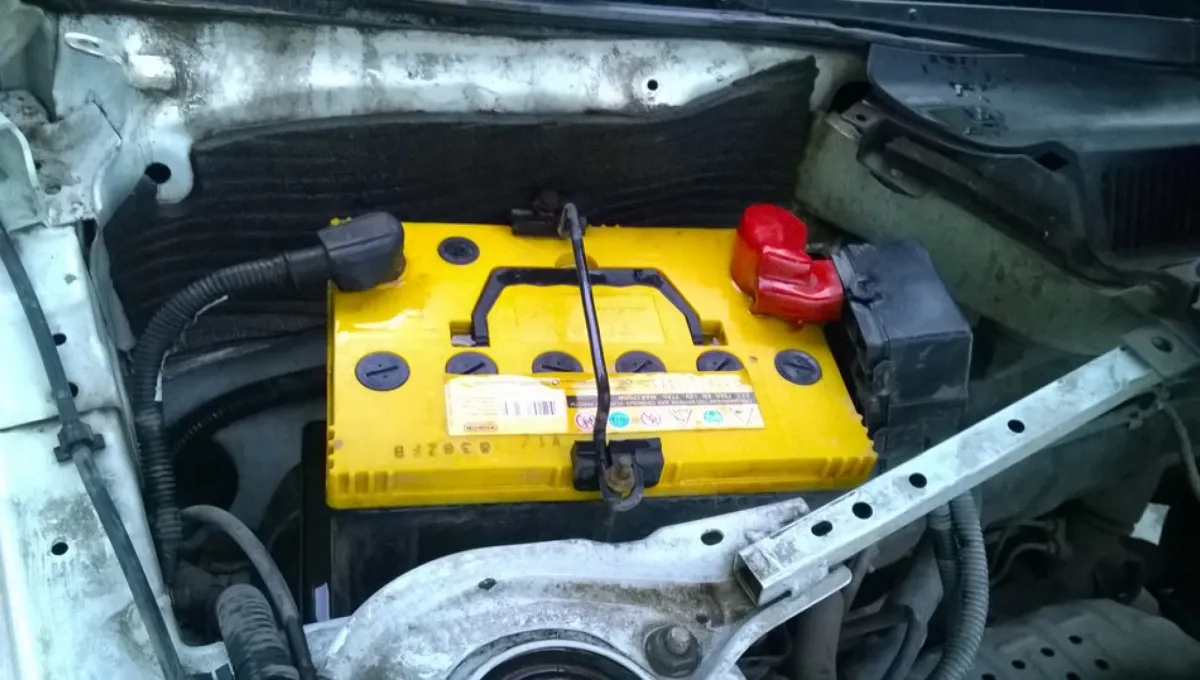
Car Won’t Start When Temperatures Drop? 4 Battery Checks Every Driver Should Make in October
A few simple battery checks in October can help prevent cold-weather starting problems when winter temperatures arrive.
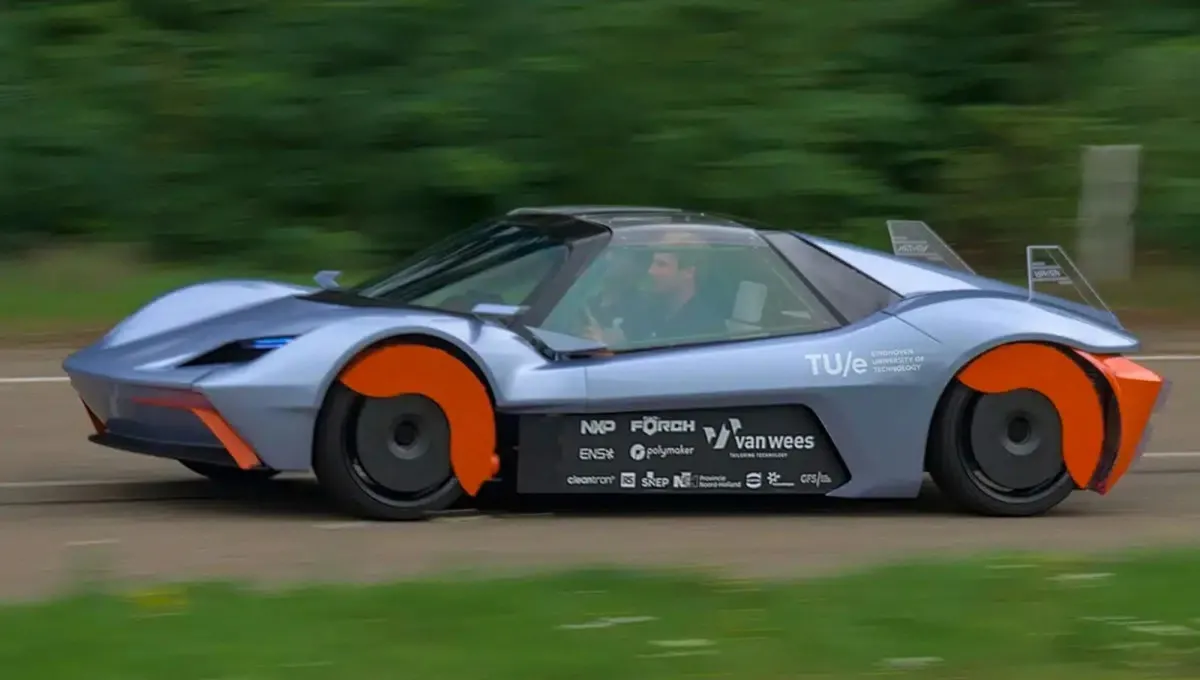
Students Develop an Electric Car That Captures Tire and Brake Dust
A student-built electric concept aims to reduce road pollution by collecting microscopic particles released by tires and brakes.