
Renault Spent $30 Million to Sell Just 12 Alpine GTAs in the U.S.—and Turned the Sports Car Into a Collector’s Item
From the very beginning, Renault had its eye on the United States, which from Europe looked like a true “land of opportunity.”
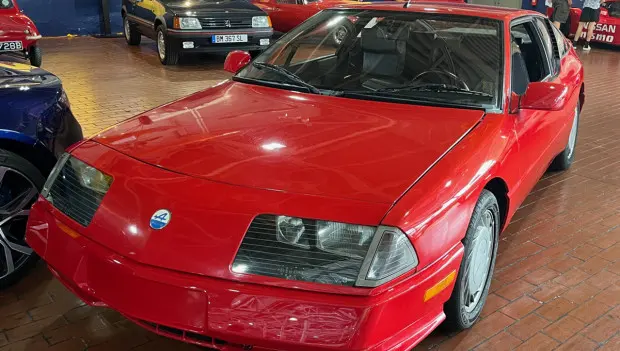
From the outset, Renault viewed the U.S. as a key target market—a place that, from Europe, seemed full of promise. Reality, however, proved far tougher. No matter what strategies the French automaker tried or which local partners it teamed up with, a real breakthrough never materialized. One of the clearest examples of that struggle was the attempt to bring the Alpine GTA to America in the late 1980s.
To make the sports car legal for U.S. sale, Renault spent a staggering amount of money meeting strict American safety and emissions standards—around $30 million. The U.S.-spec version also had to undergo visible changes, including pop-up headlights and energy-absorbing bumpers, both mandatory under American regulations at the time.
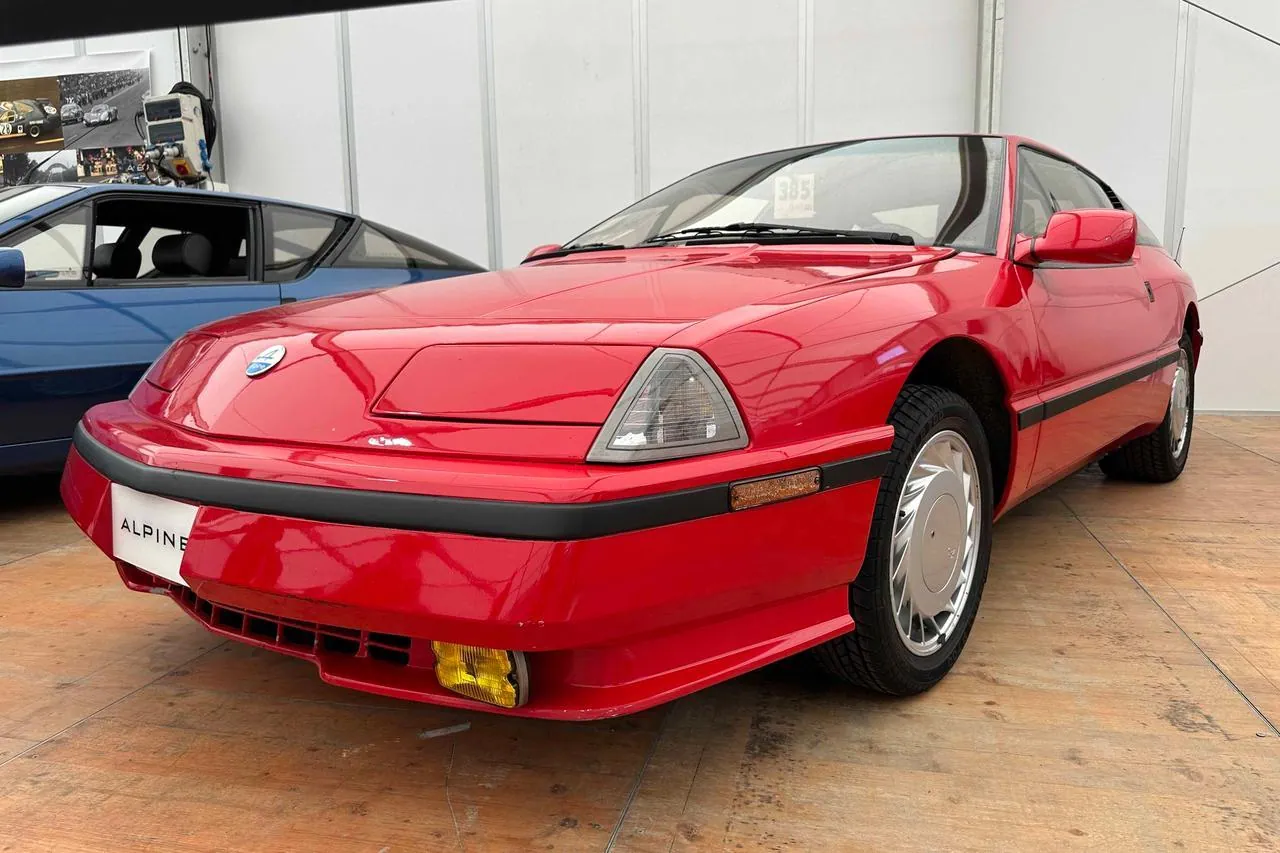
The outcome was almost absurd. Despite all that investment, only 12 cars were sold. That works out to roughly $2.5 million spent per vehicle sold—or about $7.13 million in today’s dollars. Naturally, there was no way to build those costs into the sticker price, and the project quickly became a commercial failure. Ironically, that failure is exactly what later turned the Alpine GTA V6 Turbo American into a highly sought-after collector’s car.
In terms of rarity, this Alpine outdoes even modern hypercars. Bugatti built 450 Chirons and 350 Veyrons, while the U.S.-spec Alpine exists in just a dozen examples. The required modifications also took a toll on performance: compliance-related changes reduced output by 20 horsepower and 14 Nm of torque, leaving the car with 200 hp and 285 Nm. Added weight from the bumpers and lighting didn’t help either, although buyers did get useful upgrades such as ABS, improved cooling, and air conditioning.
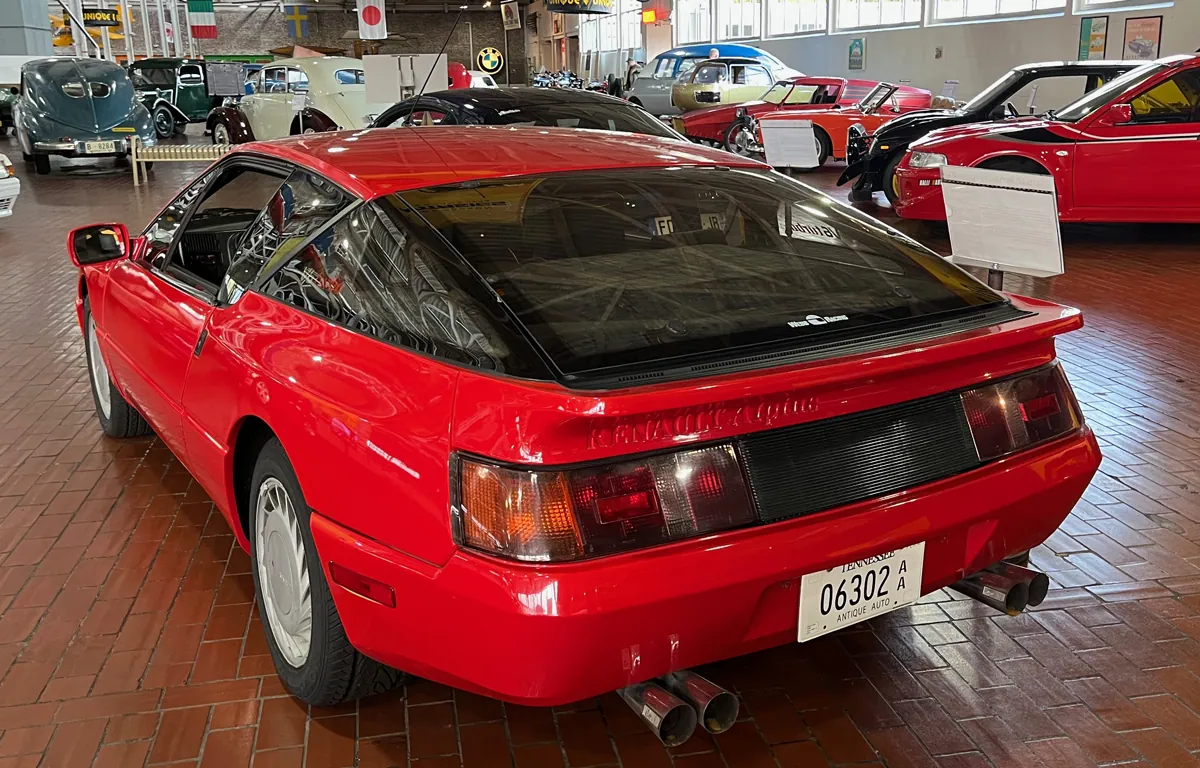
At the time, American automotive journalists were generally positive, praising the car’s handling and its favorable power-to-weight ratio compared with many Porsche 911s of that era. What it lacked was brand image and a strong dealer network—two things that mattered enormously in the U.S. market. Today, more than 25 years later, collectors can import these cars into the U.S. without re-homologation, giving the model a chance at a second life.
One of the original 12 examples is still in excellent condition. The 1988 car, owned by Robert Jackson, has covered just 38,400 kilometers (about 23,900 miles), accelerates from 0 to 62 mph in 6.5 seconds, and tops out at 149 mph. Against that backdrop, Renault’s reported plans to make another push into the U.S.—this time with a future electric A110—sound especially intriguing, even if an EV sports car remains a questionable bet for the North American market right now.
You may also be interested in the news:
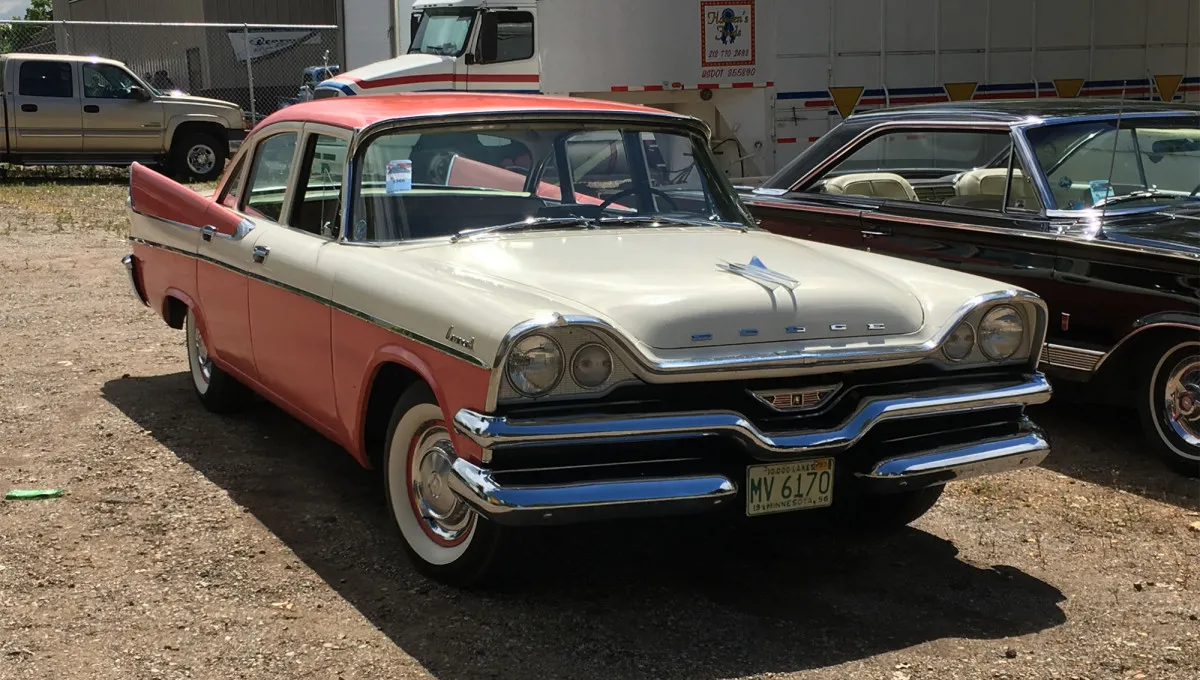
The 1957 Dodge: How “Autodynamics” Shaped One of Detroit’s Boldest Designs
The 1957 Dodge Looked Like a Dream Car, but Its Biggest Flaw Was Hiding Beneath the Surface.
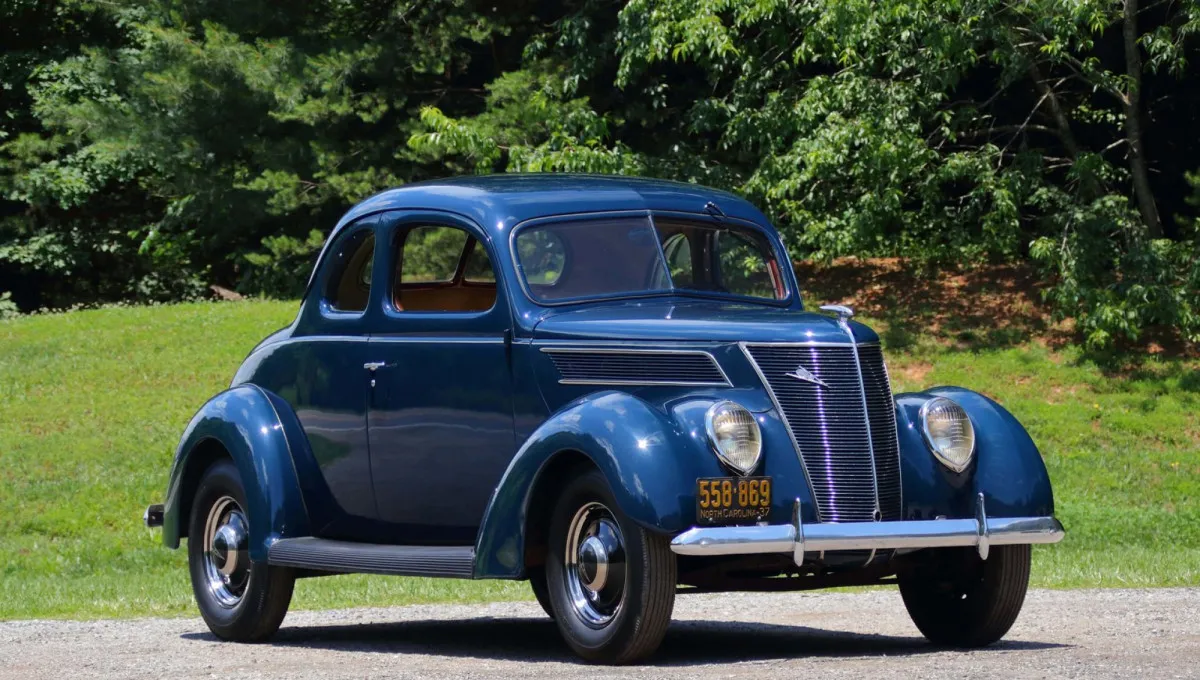
The 1937 Ford Was a Quality Car at an Affordable Price — Here’s What Made It Stand Out
The 1937 Ford featured several major changes and improvements. Let’s take a closer look.
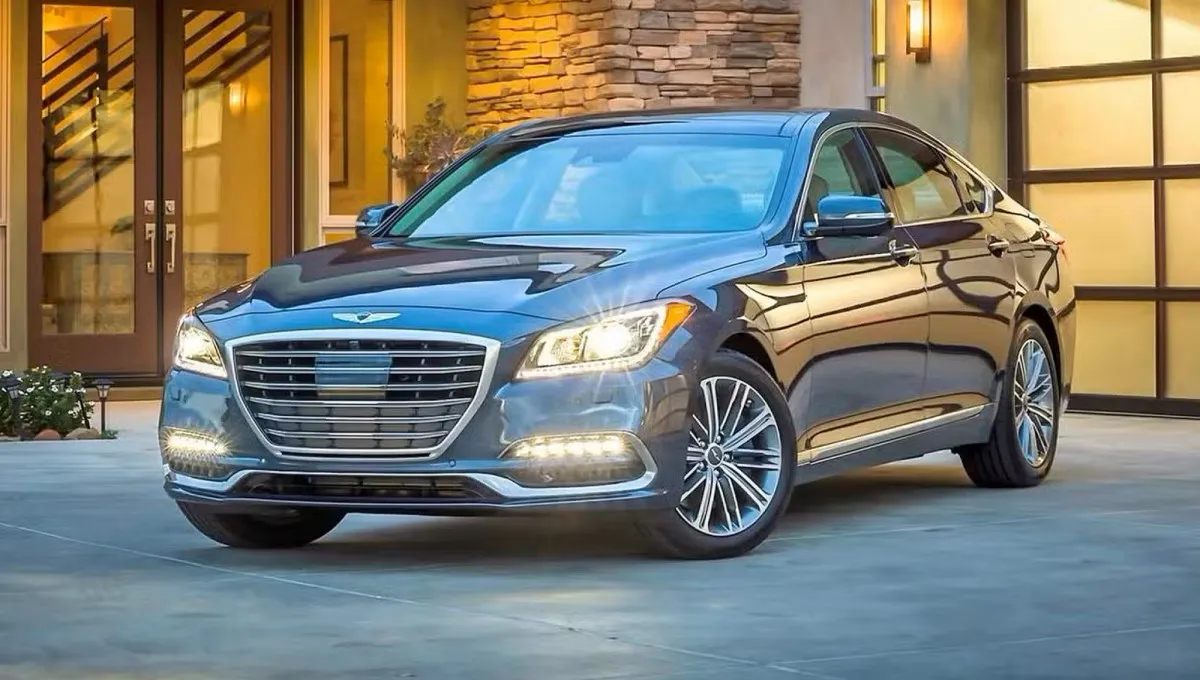
Hyundai Recalls Nearly 95,000 Genesis Sedans Over Fire Risk From Power Seats
Hyundai is recalling 94,622 Genesis sedans after a faulty power seat switch was linked to overheating and potential vehicle fires.
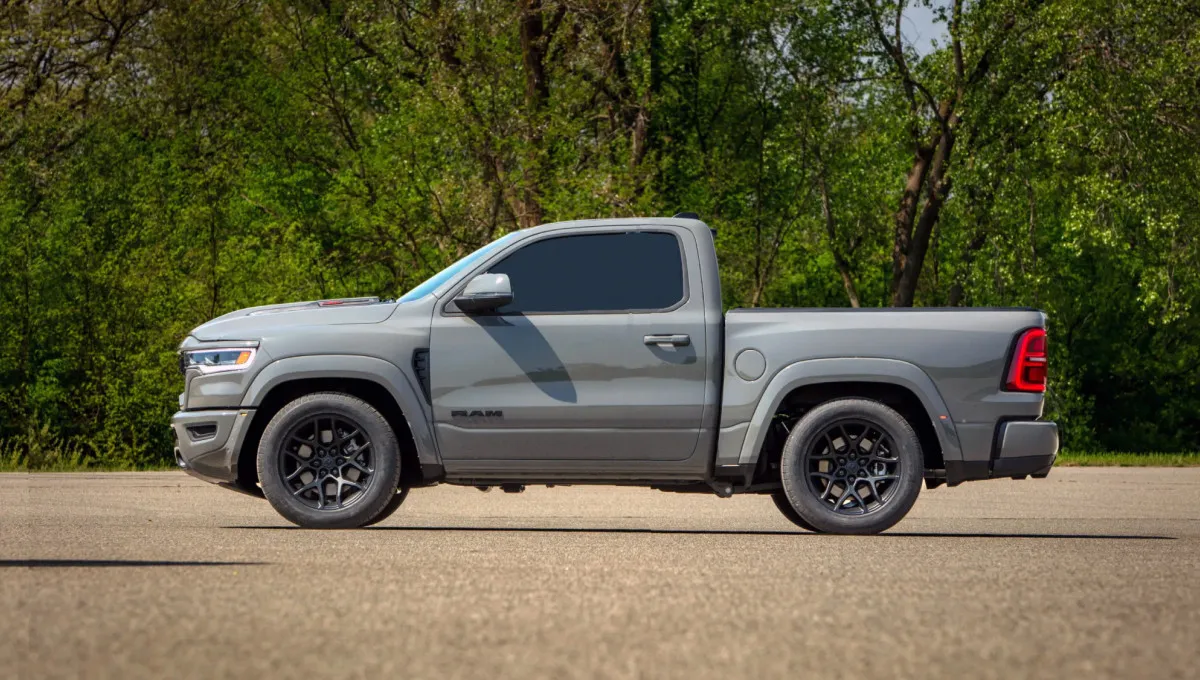
2027 Ram 1500 Rumble Bee: Pricing, Options and How to Build Yours
The 777-HP Ram Rumble Bee Is Coming — But You Can Buy the New Hemi Truck Now
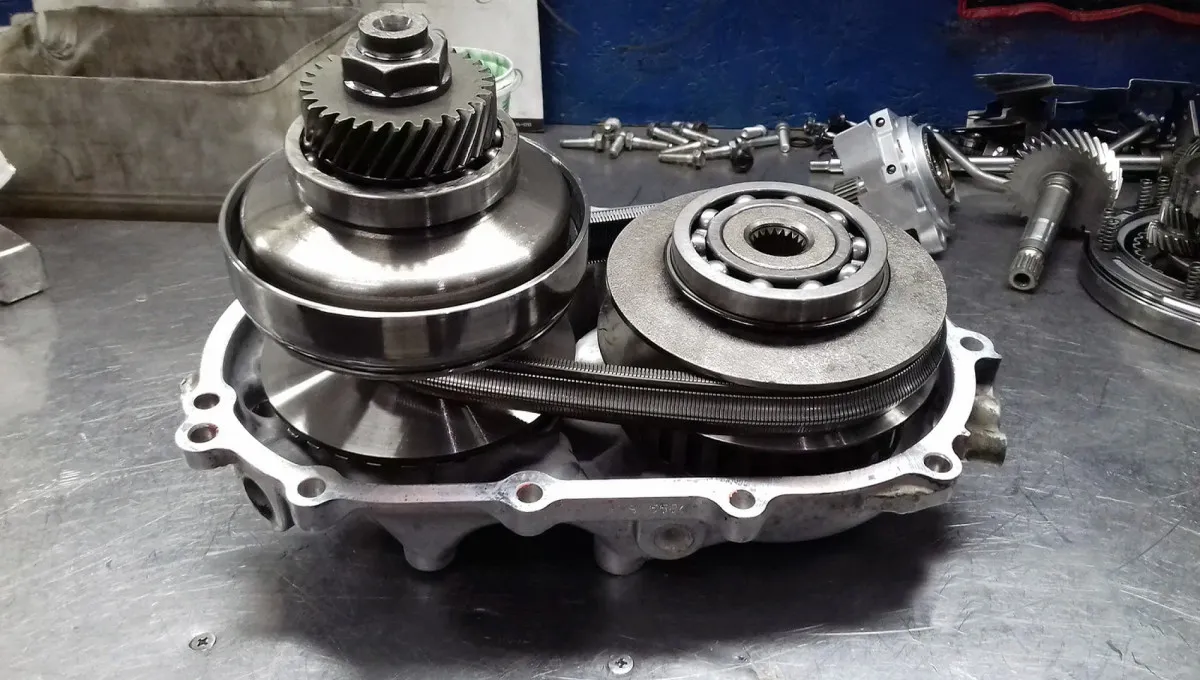
Why Experienced Drivers Still Warn Against Buying a Used Car With a CVT
CVTs offer smooth acceleration and good fuel economy, but expensive repairs and durability concerns make used models risky.