
You Need to Know This. Why Car Prices Are Rising in the U.S.: Buyers, Not Technology, Are to Blame
A new study identifies the main reasons new vehicles are getting more expensive

The average price of a new car in the U.S. has surpassed $50,000, and many attribute the rise to advanced safety systems. But an analysis from IIHS shows that luxury features, vehicle size, and trim levels have a far greater impact on pricing than safety technology.
Why Prices Are Rising
According to IIHS, even budget-friendly models now come with a robust set of standard safety features while remaining relatively affordable. Take the 2026 Mazda 3, for example, which combines top crash-test ratings with a reasonable price.

Yet the market is moving in the opposite direction: buyers are opting for larger vehicles, premium options, and high-end trims, driving up costs. Mercedes sedans illustrate this trend well: an expensive E-Class may score lower in safety tests, while the more affordable CLA achieves top Euro NCAP ratings. This highlights that increased safety isn’t the main driver of higher prices.
The Consequences of Cutting Safety Features
The idea that reducing mandatory safety systems will make cars cheaper simply doesn’t hold up. Cutting costs on safety components can lead to higher insurance premiums, more severe accidents, and increased medical bills. Any short-term savings on the sticker price are quickly offset by long-term costs for drivers.

Additionally, as new cars get pricier, owners tend to hold onto older vehicles longer, which can compromise overall road safety since older models lack the latest safety technologies and structural improvements.
The Safety vs. Affordability Dilemma
Tesla illustrates the challenge of balancing price and safety. Despite a strong safety reputation, the brand faces ongoing technical and legal hurdles, and the move to a subscription model for Full Self-Driving features makes access even more expensive.

As interest in simpler, more affordable cars grows, some manufacturers are returning to basics: Ford is preparing a budget-friendly electric pickup and exploring the return of low-cost sedans as alternatives to large, pricey vehicles. These moves show that rising car prices are influenced more by consumer demand than by safety technology.
You may also be interested in the news:
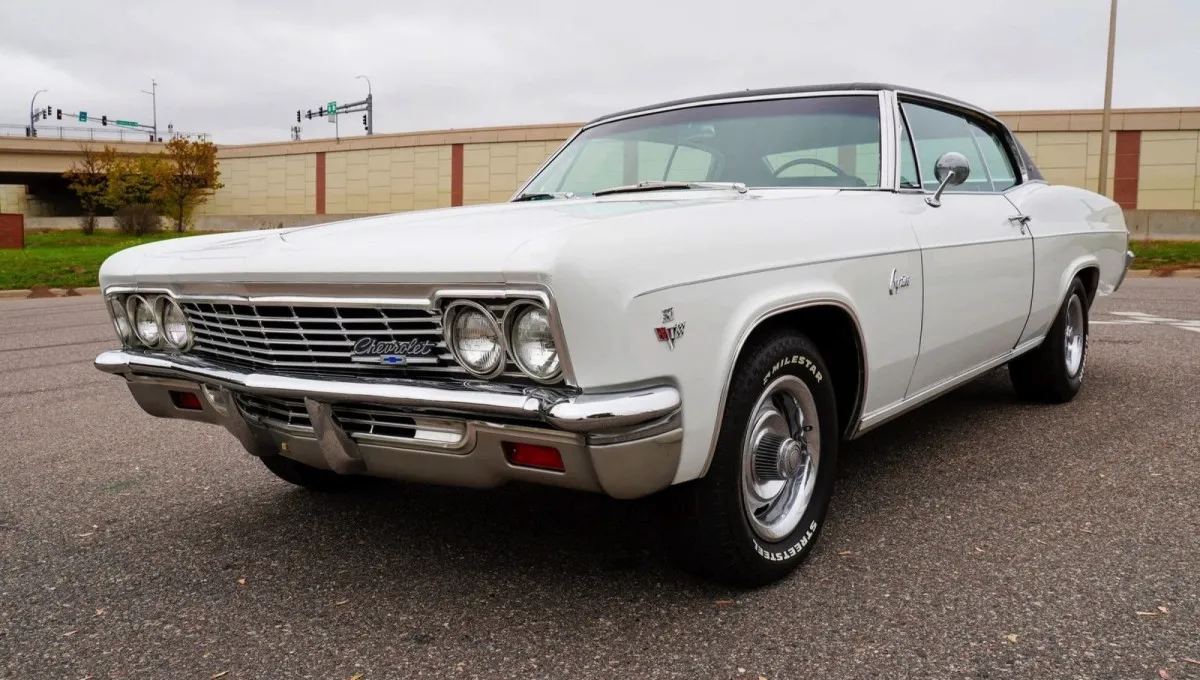
Restored 1966 Chevy Caprice Looks Showroom-Fresh, but Those 13K Miles Don't Tell the Whole Story
This restored 1966 Chevrolet Caprice looks road-ready, but its 13,000-mile odometer reading comes with an important catch.
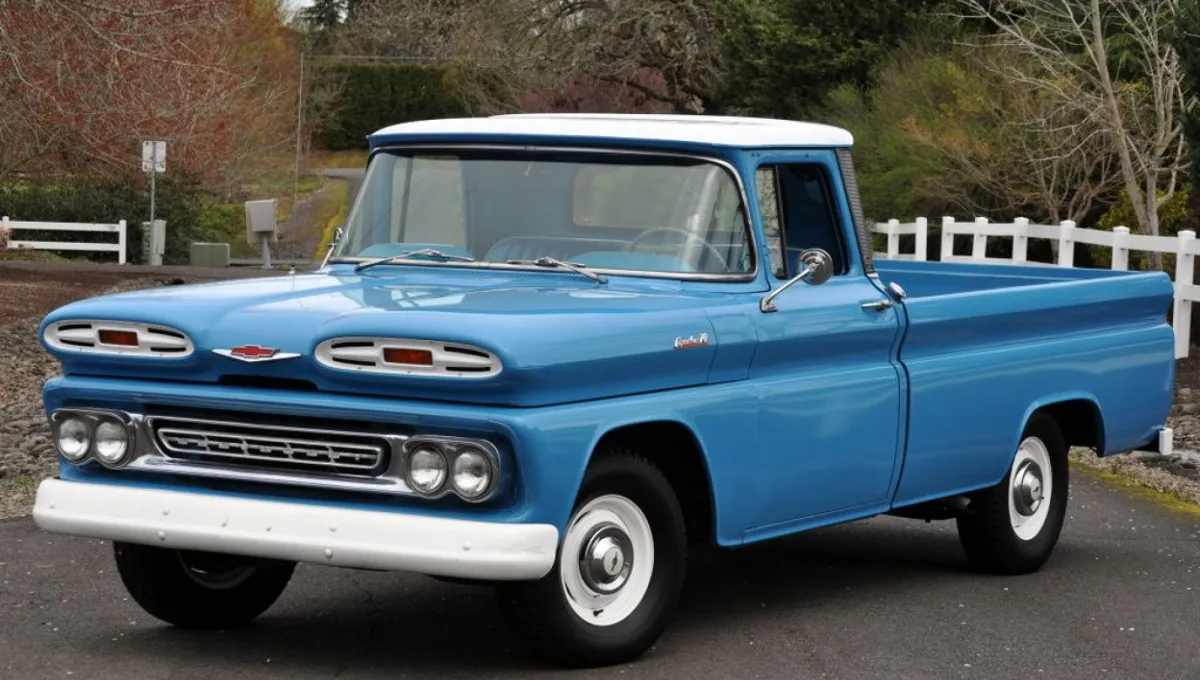
The 1960 Chevrolet Pickup: The Biggest Thing to Happen to Trucks Since Trucks Were Invented
Chevrolet unveiled an all-new pickup for 1960, calling it “the most important news since trucks came into being!”
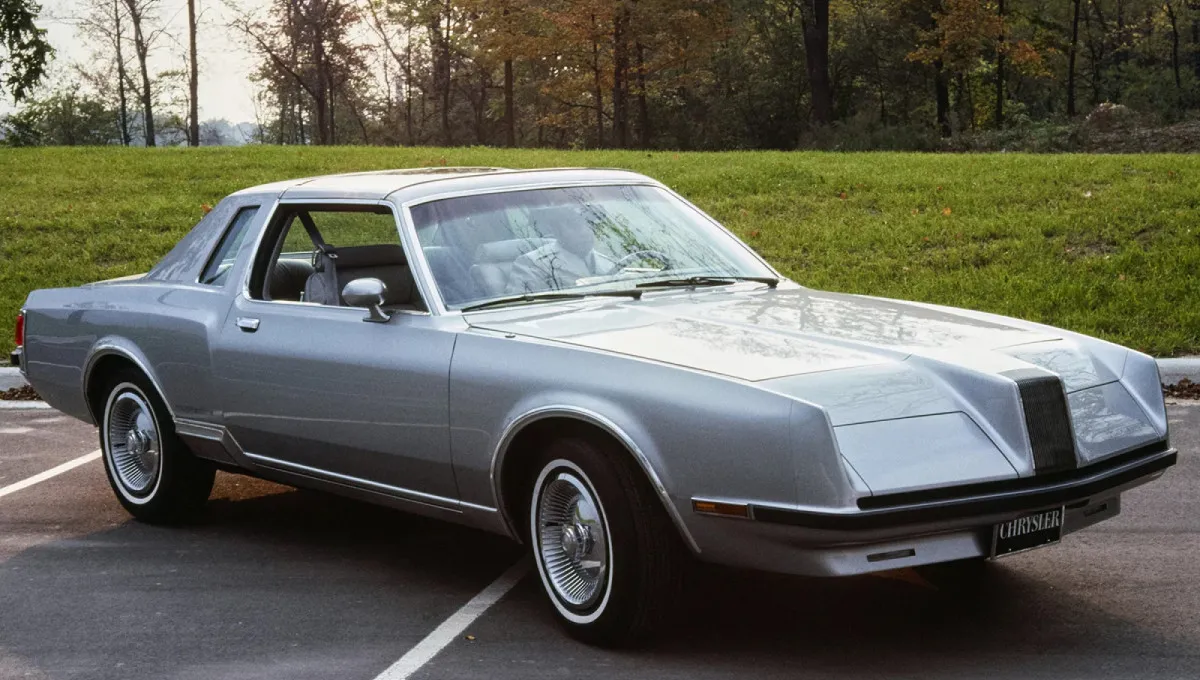
The 1977 Chrysler LeBaron Turbine: The Final Chapter of a 25-Year Experiment
Chrysler's 1977 LeBaron Turbine concept showcased decades of gas turbine research, but financial troubles ultimately brought the ambitious program to an end.
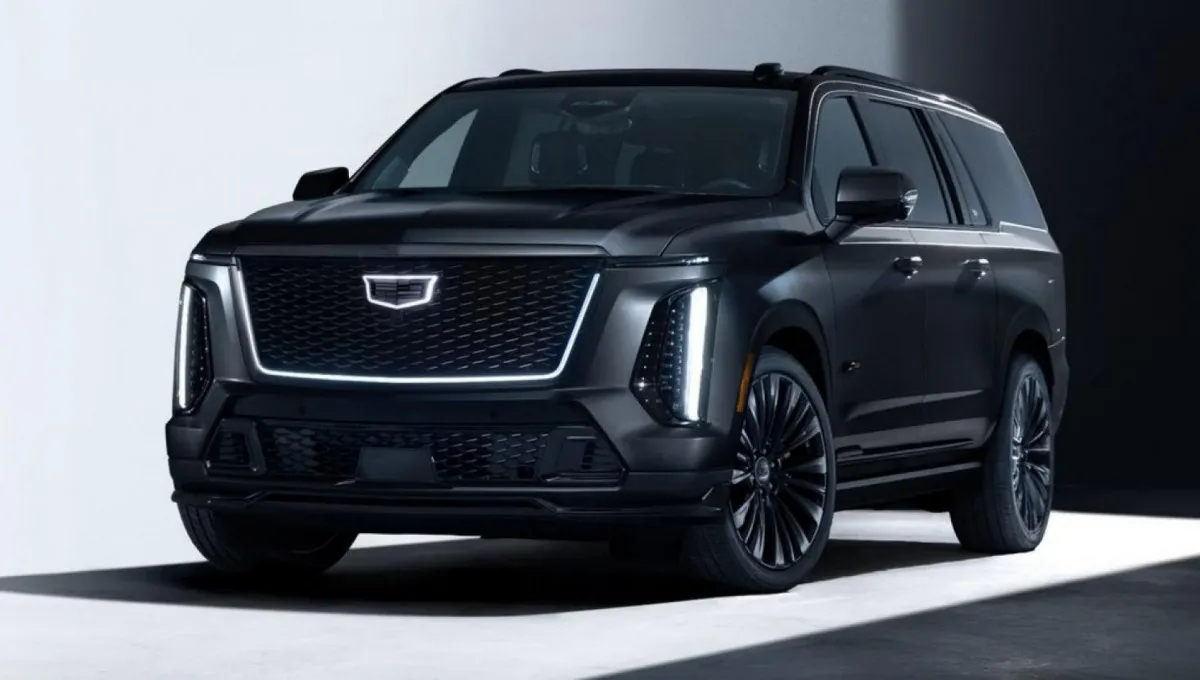
Cadillac Celebrates Its 125th Anniversary With the Most Expensive Escalade-V Ever
One of America’s oldest automotive brands has unveiled a limited-edition version of its flagship SUV to mark a major milestone.
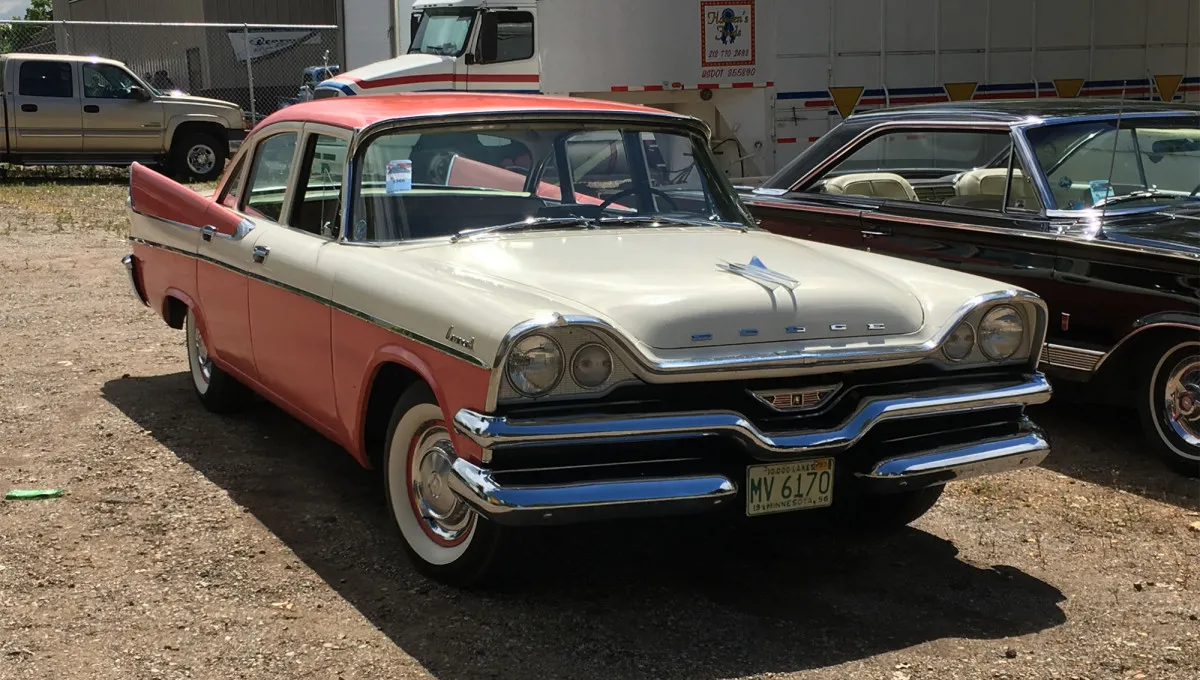
The 1957 Dodge: How “Autodynamics” Shaped One of Detroit’s Boldest Designs
The 1957 Dodge Looked Like a Dream Car, but Its Biggest Flaw Was Hiding Beneath the Surface.