
Historic Drive: Elon Musk’s Creation Achieves What Was Once Thought Impossible
Tesla’s Full Self-Driving completes an LA–NY route without a single touch of the steering wheel
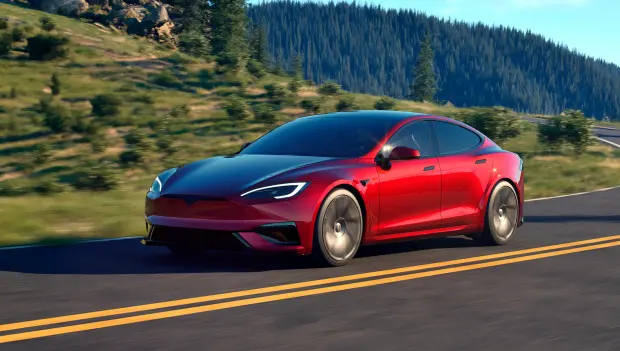
A 2024 Tesla Model S has completed the route from Los Angeles to New York using Full Self-Driving (FSD) without any driver intervention. The journey took 58 hours and 22 minutes, including more than 10 hours spent charging.
The 2024 Tesla Model S has pulled off what is being described as the first fully autonomous coast-to-coast drive in U.S. history. The team covered approximately 3,081 miles (4,958 km) in 58 hours without touching the steering wheel or pedals, despite challenging weather conditions along the way.
Record Run Details
The route from Los Angeles to New York effectively delivered on a demonstration Tesla promised back in 2017 but never officially completed. The drive took place during snowstorms, which reduced battery efficiency and brought the average speed down to about 63 mph (102 km/h).
More than 10 hours were spent charging, highlighting how long-distance EV travel remains heavily dependent on charging infrastructure. Even with weather-related limitations, the vehicle completed the entire route under FSD control without human input.
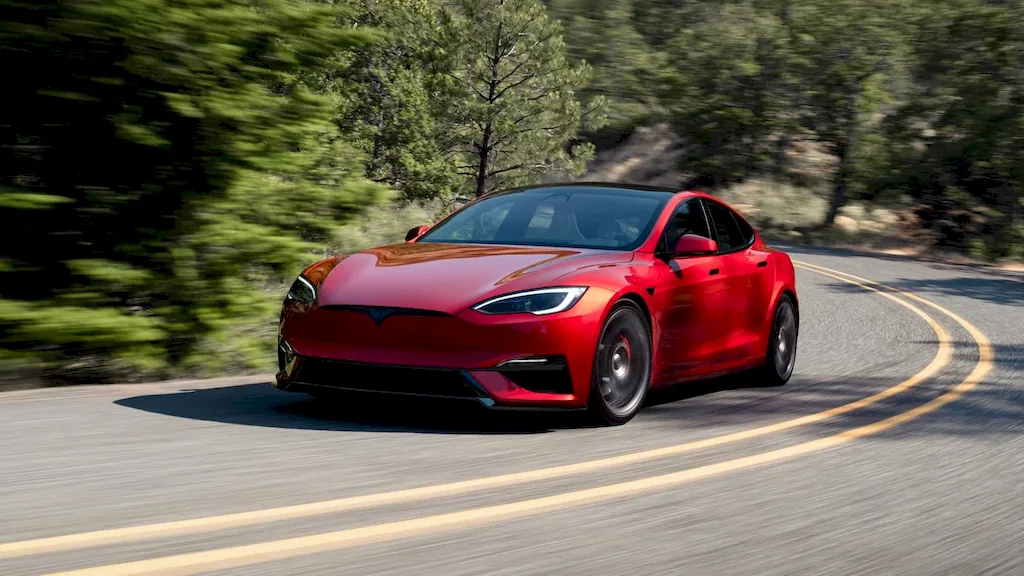
Unexpected Moments, FSD Limitations, and Autonomy Status
The report notes several unusual situations, including a forced 90-minute detour after one participant exited the vehicle. The team deliberately avoided taking control, allowing FSD to handle all corrections on its own.
This underscores the system’s current status: FSD is still classified as Level 2 autonomy and officially requires constant driver supervision. At the same time, Tesla continues to refine the software, even as it remains under regulatory scrutiny and criticism.
FSD’s Future and Tesla’s Plans
Following the record-setting drive, Tesla is emphasizing its push toward fully autonomous technology, primarily aimed at its upcoming Cybercab robotaxi platform. Production is currently planned for April 2026, though Tesla’s track record suggests timelines may shift.
You may also be interested in the news:
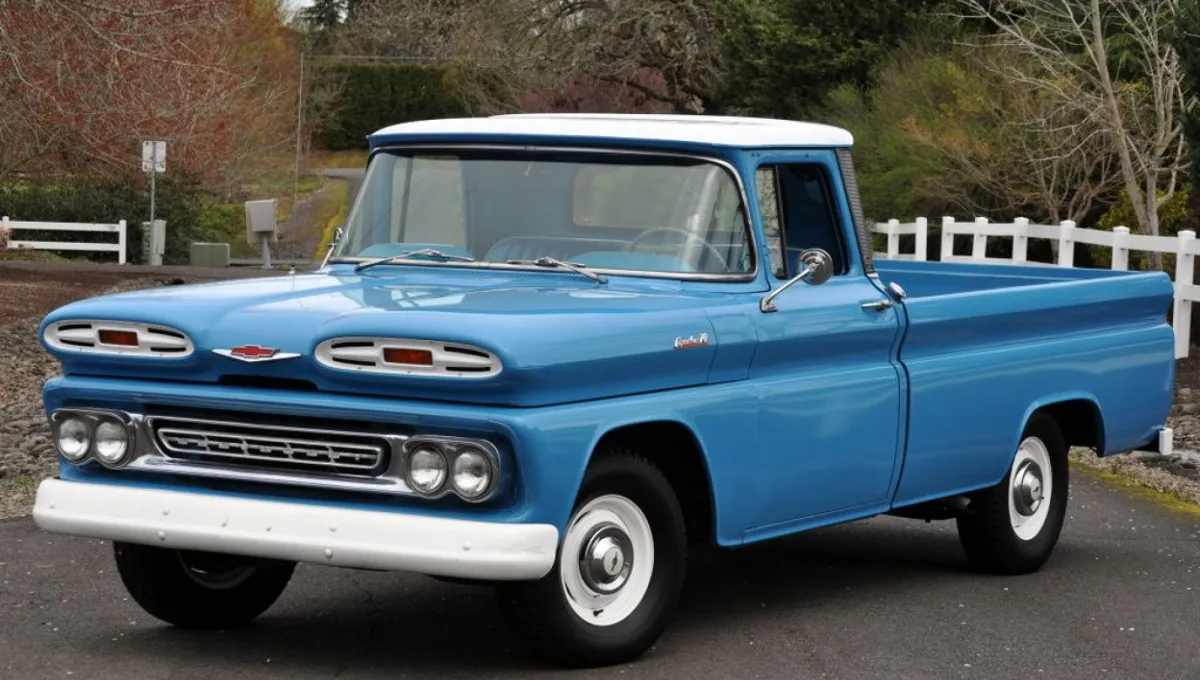
The 1960 Chevrolet Pickup: The Biggest Thing to Happen to Trucks Since Trucks Were Invented
Chevrolet unveiled an all-new pickup for 1960, calling it “the most important news since trucks came into being!”
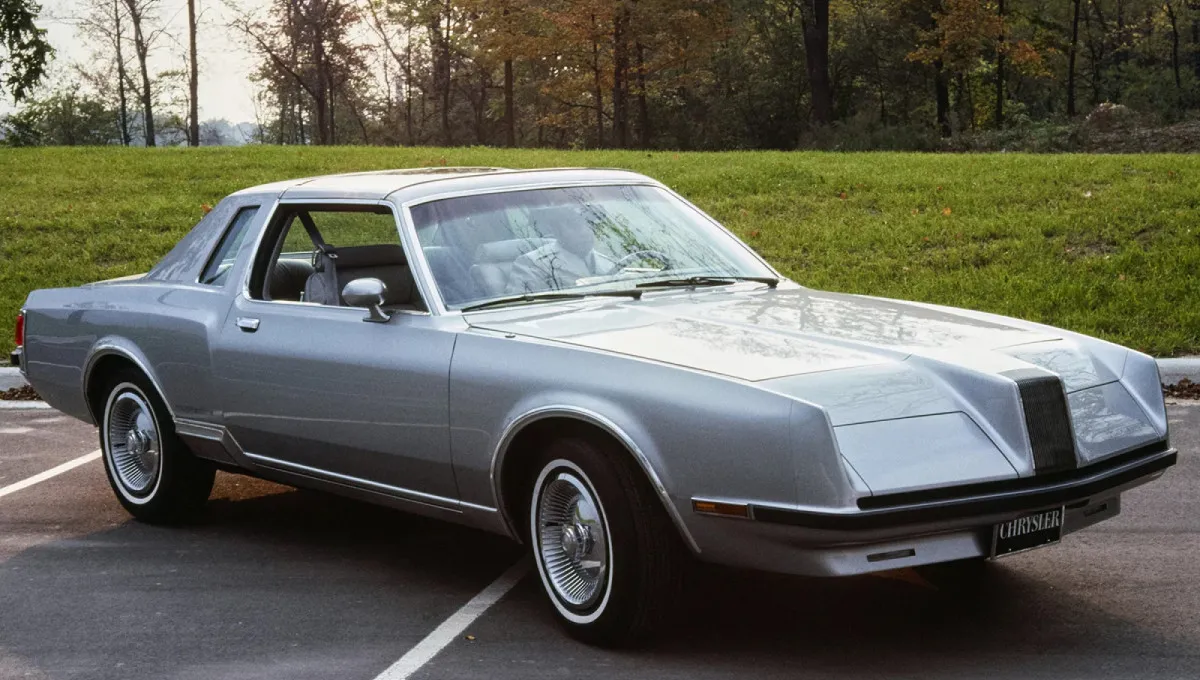
The 1977 Chrysler LeBaron Turbine: The Final Chapter of a 25-Year Experiment
Chrysler's 1977 LeBaron Turbine concept showcased decades of gas turbine research, but financial troubles ultimately brought the ambitious program to an end.
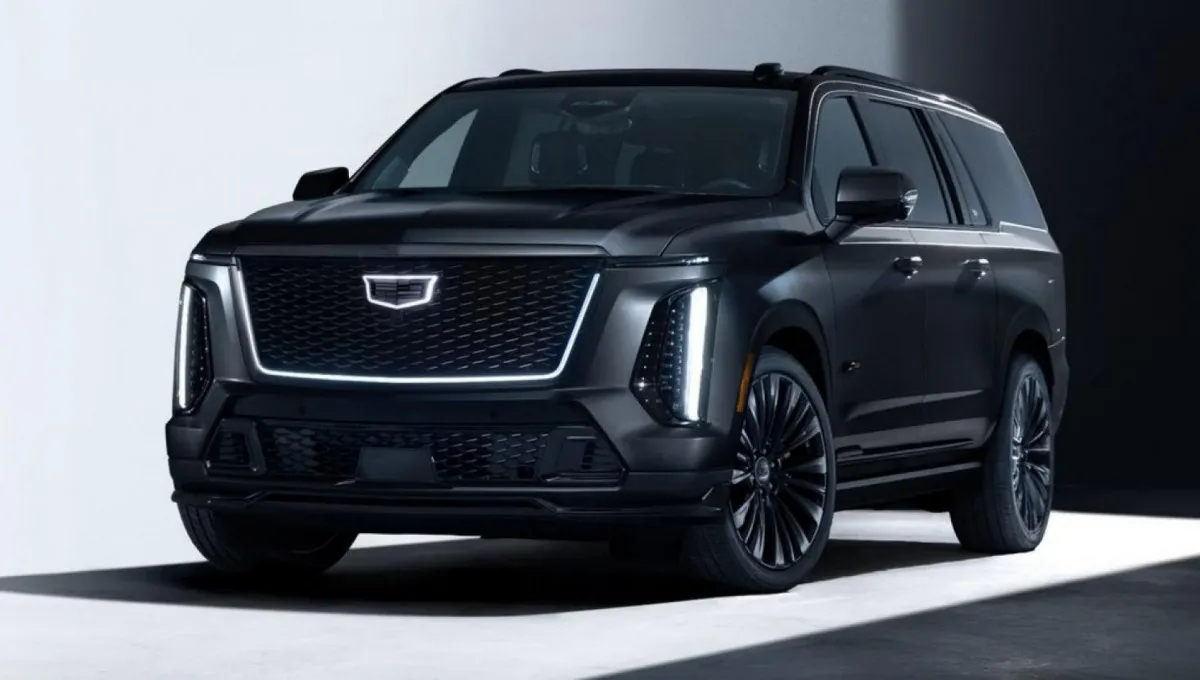
Cadillac Celebrates Its 125th Anniversary With the Most Expensive Escalade-V Ever
One of America’s oldest automotive brands has unveiled a limited-edition version of its flagship SUV to mark a major milestone.
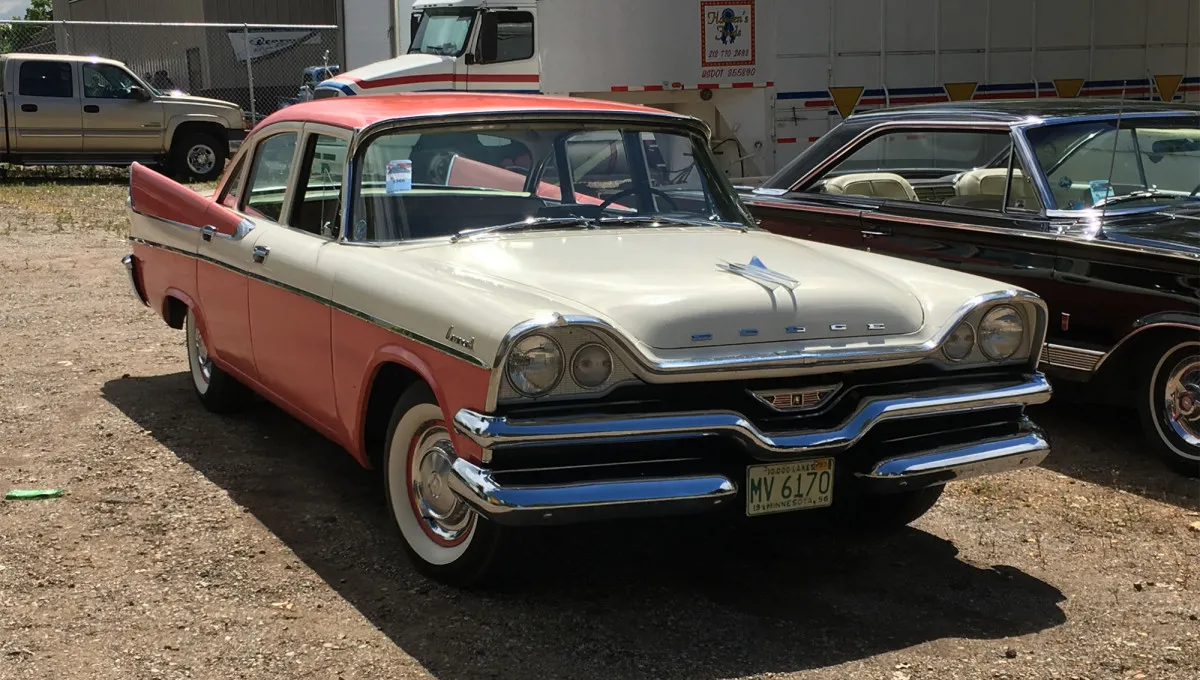
The 1957 Dodge: How “Autodynamics” Shaped One of Detroit’s Boldest Designs
The 1957 Dodge Looked Like a Dream Car, but Its Biggest Flaw Was Hiding Beneath the Surface.
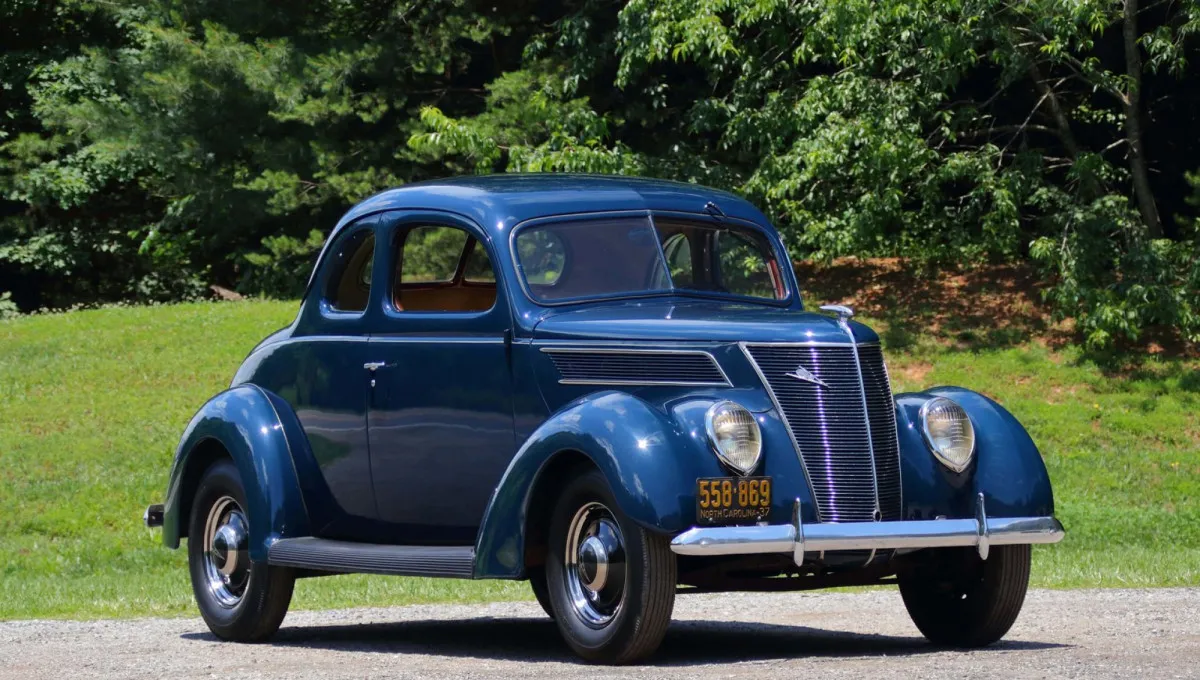
The 1937 Ford Was a Quality Car at an Affordable Price — Here’s What Made It Stand Out
The 1937 Ford featured several major changes and improvements. Let’s take a closer look.