
Texas Lawsuit Seeks Over $1 Million From Tesla: Cybertruck Owner Blames Autopilot for Crash
Tesla is facing another legal battle in Texas following an incident involving a Cybertruck electric pickup.
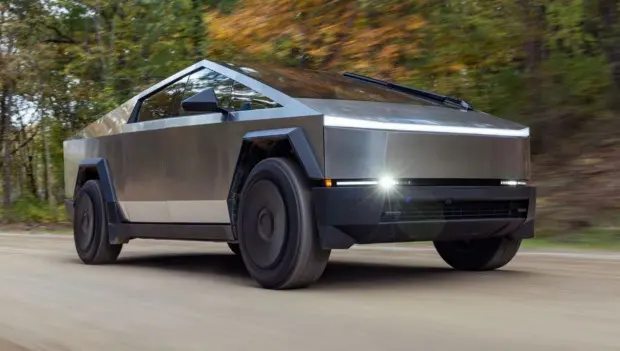
Tesla has become the focus of a new lawsuit in Texas stemming from a crash involving its Tesla Cybertruck.
Harris County resident Justine St. Armour has filed suit against the automaker, seeking more than $1 million in damages for injuries and property loss she says resulted from a crash that occurred while the vehicle was operating in autonomous driving mode.
According to court documents, the incident took place in August 2025 on U.S. 69, the Eastex Freeway. The vehicle was traveling in Autopilot mode as it approached a parking area. At a complex Y-shaped split in an overpass, the system was expected to bear right. Instead, the Cybertruck allegedly continued straight ahead, attempting to drive through a physical barrier.
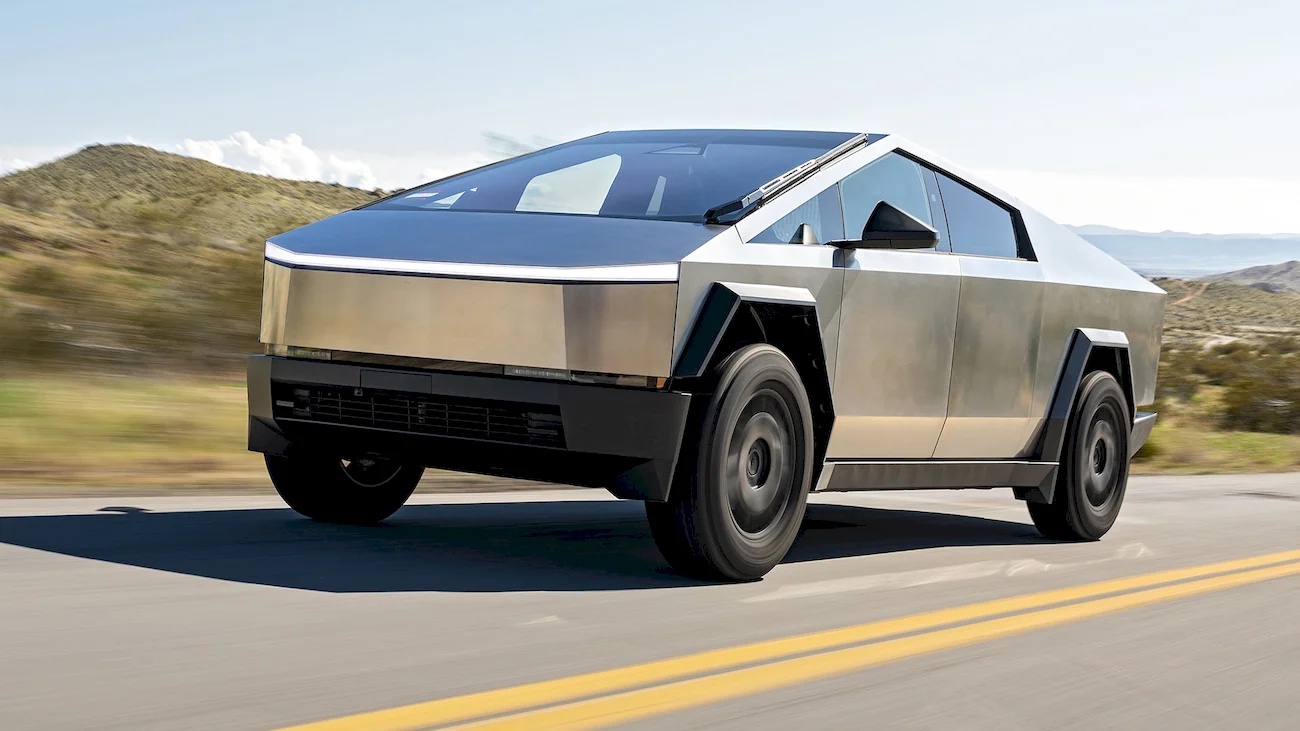
The pickup struck a concrete divider separating the upper level of the overpass from the highway below. The plaintiff claims she attempted to disengage the autonomous system and regain control, but the collision was unavoidable. The lawsuit states that the truck nearly went over the edge of the overpass, which could have resulted in fatal consequences.
In the filing, the vehicle owner accuses Elon Musk of using “irresponsible sales tactics” and making exaggerated claims about the capabilities of Tesla’s products. One specific allegation centers on Tesla’s decision to forgo LiDAR sensors in favor of a camera-based system, which the plaintiff argues makes obstacle detection less reliable.
The suit also claims that the names “Autopilot” and “Full Self-Driving (FSD)” are misleading and create a false impression that the vehicle is fully autonomous.
This case adds to a growing list of legal challenges facing Tesla. The company was recently required to adjust its marketing approach in California after regulators determined that the term “Autopilot” could mislead consumers. While Tesla’s driver-assistance systems complete thousands of trips without incident, each new crash raises fresh questions about the company’s plans for the large-scale rollout of the Cybercab—a fully autonomous vehicle without a steering wheel or pedals.
The court will now determine key details, including the Cybertruck’s speed at the time of impact and the extent of the driver’s involvement in the moments leading up to the crash.
You may also be interested in the news:
5 of the Most Beautiful Chevrolet Cars: Timeless Designs With Stunning Silhouettes
Which Chevrolet models deserve to be called the most beautiful?
Nissan Restarts US-Made Murano, Pathfinder, Frontier Sales in Canada
Nissan resumed Canadian sales of three U.S.-built models, but tariffs keep supply below earlier levels.
41,748 Ford SUVs and Trucks Recalled—Your Headlights Could Suddenly Stop Working
Ford recalls 41,748 vehicles after contaminated LED chips threaten required headlight performance on newer models.
The Sheriff Knew She Was Speeding—Then This Blonde Driver Turned the Ticket Against Him
A sheriff pulls over a Ferrari for speeding, but the driver's bizarre logic quickly turns the traffic stop against him.
Stellantis Patents System That Lets an EV Drop Its Battery and Drive Away
A new patent details an emergency system that could let an EV disconnect its high-voltage battery and move away from danger.