
Four Reasons Some Tesla Owners Say They Regret Buying Their EV
A report highlights four common complaints from Tesla owners who say their purchase disappointed them.

Not every Tesla owner regrets their purchase—but some do, and their reasons tend to be similar. That’s according to a report from SlashGear, which analyzed research studies, lawsuits, and firsthand accounts from drivers.
The publication stresses that Tesla, Inc. still produces highly capable vehicles overall. However, several recurring issues cited by certain owners appear to be legitimate concerns.
“We’re deliberately careful with our wording—‘some’ is the key word here,” the report notes, emphasizing that the criticism doesn’t represent all Tesla drivers.

One long-running topic is build quality. Concerns about manufacturing consistency at Tesla have circulated for years. The company has carried out several large recall campaigns related to potential safety issues, and in multiple reliability rankings compiled by major automotive publications, Tesla has placed near the bottom among major car brands.
Another common complaint centers on Tesla’s driver-assistance system known as Tesla Full Self-Driving (FSD). While the technology is marketed as approaching full autonomy, many drivers say it still requires frequent human intervention in real-world driving.
Some owners say they regret spending thousands of dollars on the system. One driver reportedly joked that investing the same money in Tesla, Inc. (TSLA) stock would have been a better financial decision. Several lawsuits are ongoing over claims that the feature may have been marketed too aggressively.
According to the report, the problem may not be the technology itself as much as the expectations surrounding it.
Another group of complaints involves steering and suspension components. Data from the National Highway Traffic Safety Administration shows that drivers have reported a wide range of issues, from stiff steering to complete suspension failures.
In some cases, nearly new vehicles allegedly developed serious defects, including loose steering components or even incidents where the steering wheel detached. Because of the number of complaints, regulators carried out an investigation that lasted roughly four years.
Finally, the actions and public statements of Tesla CEO Elon Musk have also influenced some owners’ decisions. According to the report, Musk’s controversial comments and behavior have pushed certain customers away from the brand.
Some Tesla drivers have reportedly sold their vehicles specifically for that reason. The article cites examples of owners who said they actually liked their cars but no longer wanted to be associated with Musk, while others worried their vehicles might become targets of vandalism due to negative public sentiment toward him.
You may also be interested in the news:
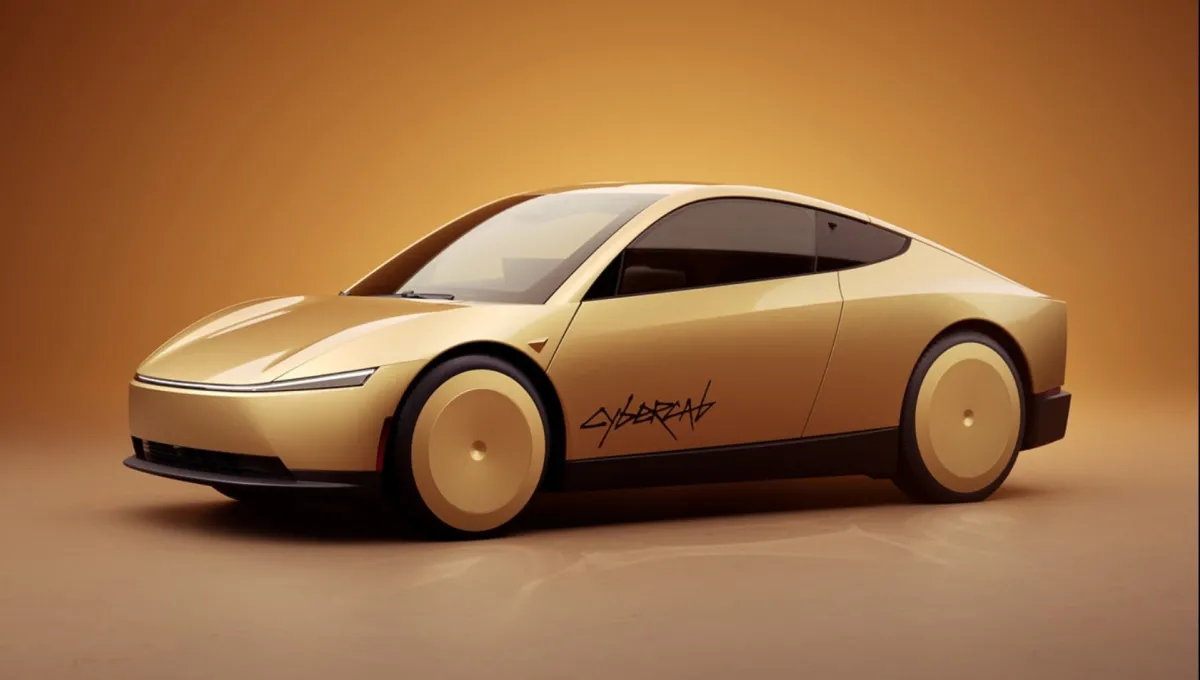
Tesla Cybercab Costs $29,990—and Comes With Strict Ownership Limits
A privately owned, self-driving Tesla Cybercab costs $29,990, but ownership comes with significant restrictions.
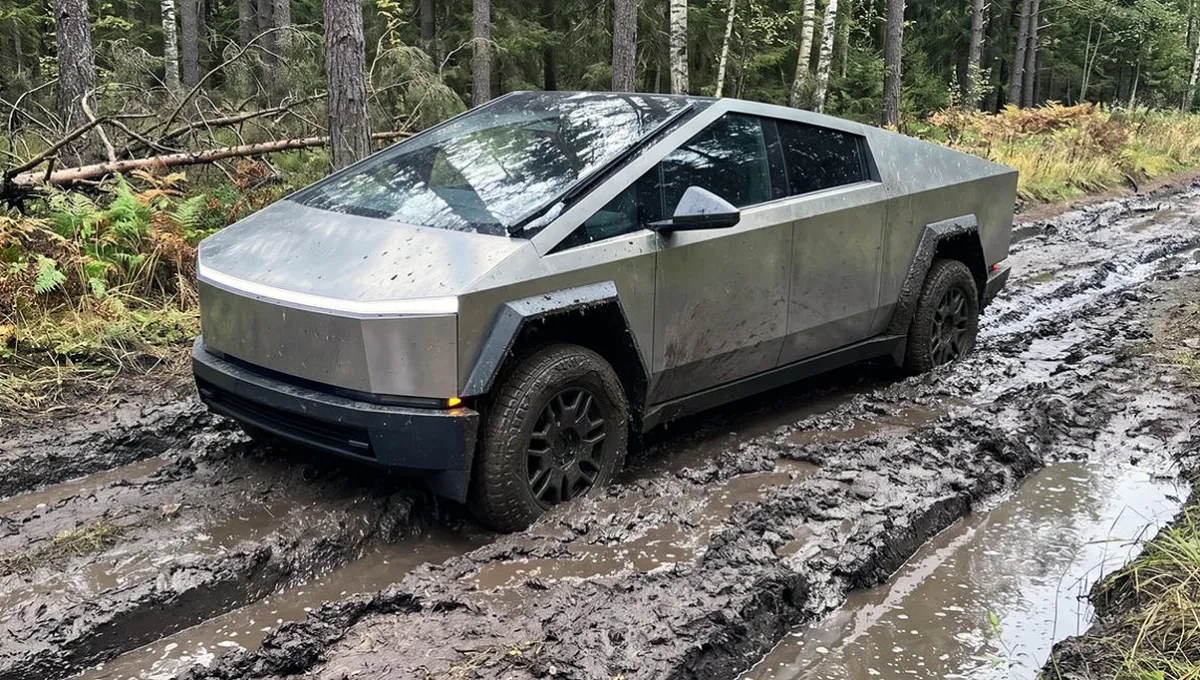
A Winch for the Cybertruck: Why Self-Recovery Gets Complicated
Engineers always criticize other engineers.
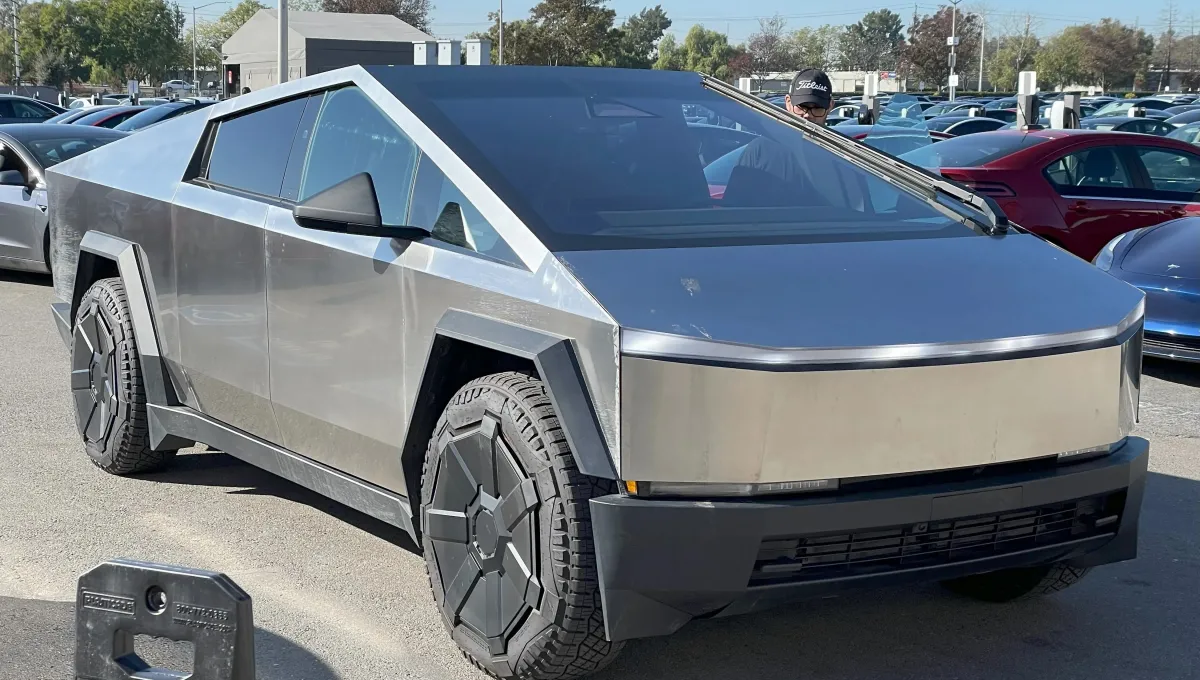
Tesla to End Cybertruck Production in 2027, Shift Texas Factory to Cybercab
A project that began with shattered armored glass at its unveiling and a promise of a $39,000 pickup is ending with a quiet production shutdown.
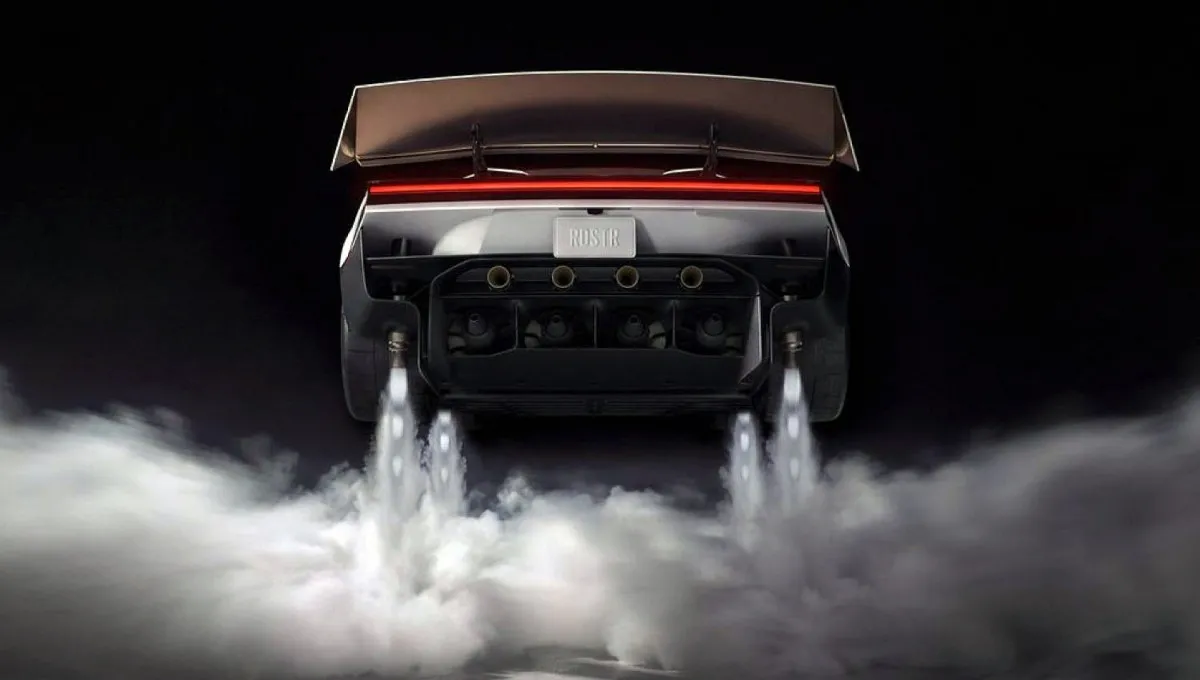
Tesla’s New Roadster Can Fly, but That May Be the Least Impressive Thing About It
Nearly a decade after Elon Musk unveiled the next-generation Roadster, Tesla has finally revealed its most outrageous capabilities.
He Sold His House to Buy 20 Teslas—Then Sold 213 of Them in One Year
A car dealer admitted he briefly questioned his decision after betting his property money on a fleet of Teslas.