
What to Do If Your Windshield Is Leaking or Cracked: Simple Ways to Fix the Problem
Windshield cracks caused by a combination of factors can appear suddenly and spread quickly if ignored.
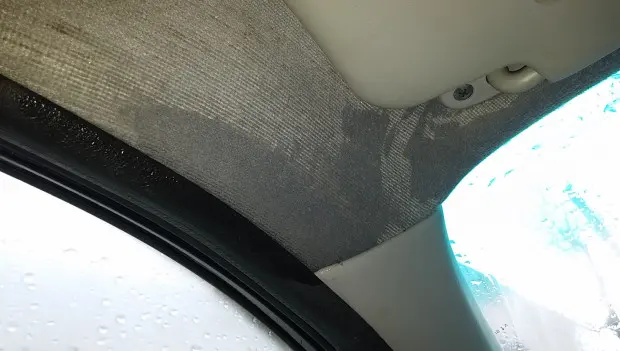
Many drivers eventually ask the same question: what should you do if your windshield starts leaking or develops a crack? It’s a common issue that can happen even on relatively expensive vehicles, while owners of budget cars deal with it even more often.
In this guide, we’ll break down simple and practical steps for handling windshield cracks that appear due to different real-world conditions.
On the Road
A windshield can crack or start leaking after something like a large stone hits it, kicked up by the tires of a vehicle ahead. If that happens while driving, the first priority is to stop as soon as it is safe. Even if you don’t have proper repair materials with you, the temporary solution is to seal the damaged area with tape or another adhesive material on both sides of the glass.
Yes, tape can reduce visibility, but it helps prevent the crack from spreading further. After that, it’s important to continue driving slowly and carefully to avoid making the situation worse or creating a safety hazard.
Reliable Ways to Fix the Problem
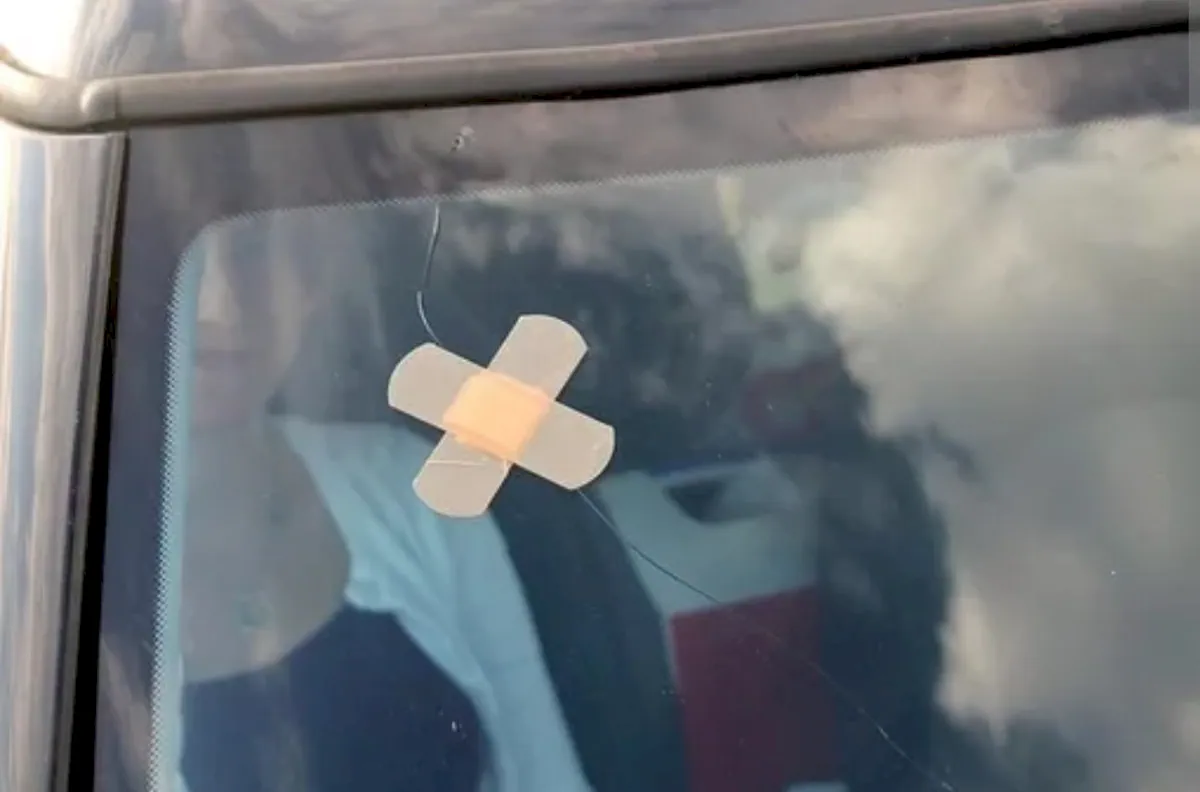
Of course, tape is only a short-term solution. Eventually it will lose adhesion, and the crack will begin to grow again—often faster than before.
That’s why it’s best not to delay proper repairs once you return from your trip. The sooner you address the damage, the better your chances of avoiding a full replacement.
So what are the real options?
Windshield Replacement
The most reliable fix is replacing the windshield entirely. It’s also the most expensive solution, but it fully eliminates the problem.
Drivers can either replace the glass themselves—after purchasing a compatible windshield from an auto parts store—or have it done at a repair shop. A professional installation will add labor costs and may take a few days, but it ensures proper fit and sealing.
Whether to do it yourself or go to a shop depends on experience and confidence. Skilled DIY drivers may handle it on their own, while others will find professional service the safer choice.
Crack Repair Compounds
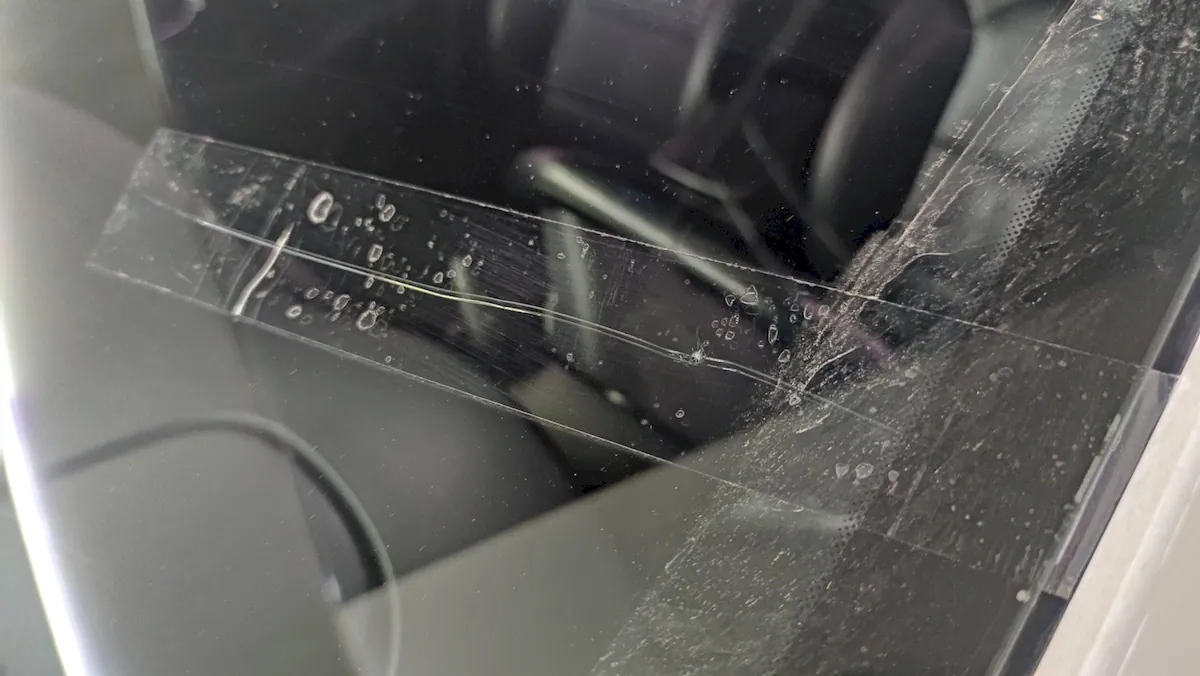
In recent years, special windshield repair resins have become widely available. These materials are designed to fill cracks and harden within a few hours, bonding with the glass structure.
Application is quick and convenient, and many drivers appreciate the simplicity. However, quality matters. Cheaper products often provide only temporary results, with cracks returning within a few weeks. Higher-end resins tend to last much longer and offer better durability.
A Common DIY Trick
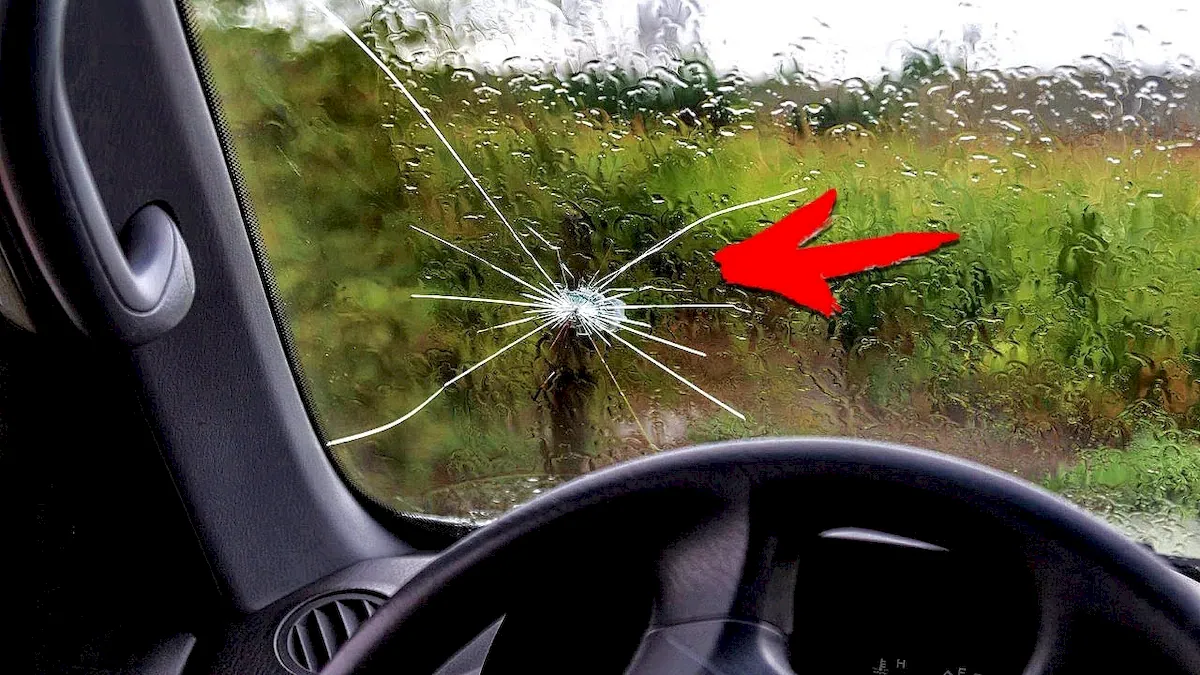
Some drivers also use a more improvised method: drilling small holes at the ends of the crack to stop it from spreading. While it requires minimal tools and can slow crack growth, it doesn’t actually fix the damage.
There is also some risk involved. In certain cases—especially with more delicate or premium windshields—the glass can weaken further or even shatter after drilling.
Final Thoughts
Windshield cracks are a frustrating but manageable issue. While temporary fixes can help on the road, long-term safety depends on proper repair or full replacement. The key is not to ignore the damage and to act before a small crack turns into a much bigger problem.
You may also be interested in the news:
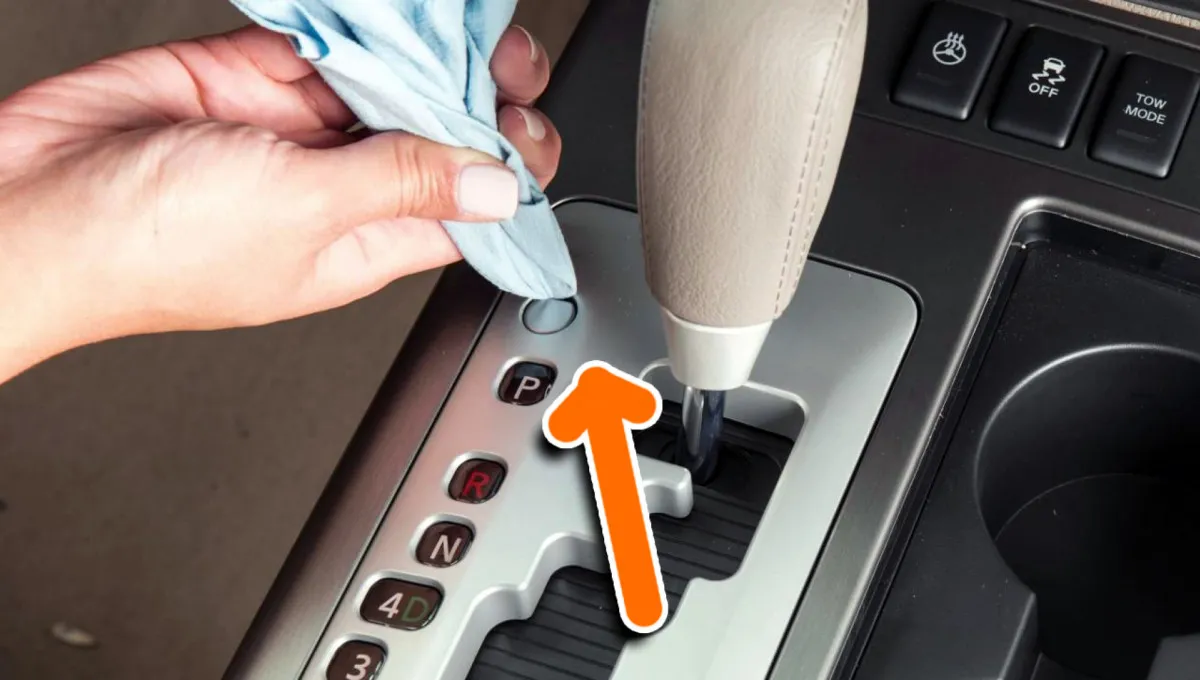
Tow Truck Driver Reveals a Hidden Car Feature That Could Save Your Life in an Emergency
A professional tow truck driver revealed a little-known feature that can help drivers move a disabled vehicle to safety.
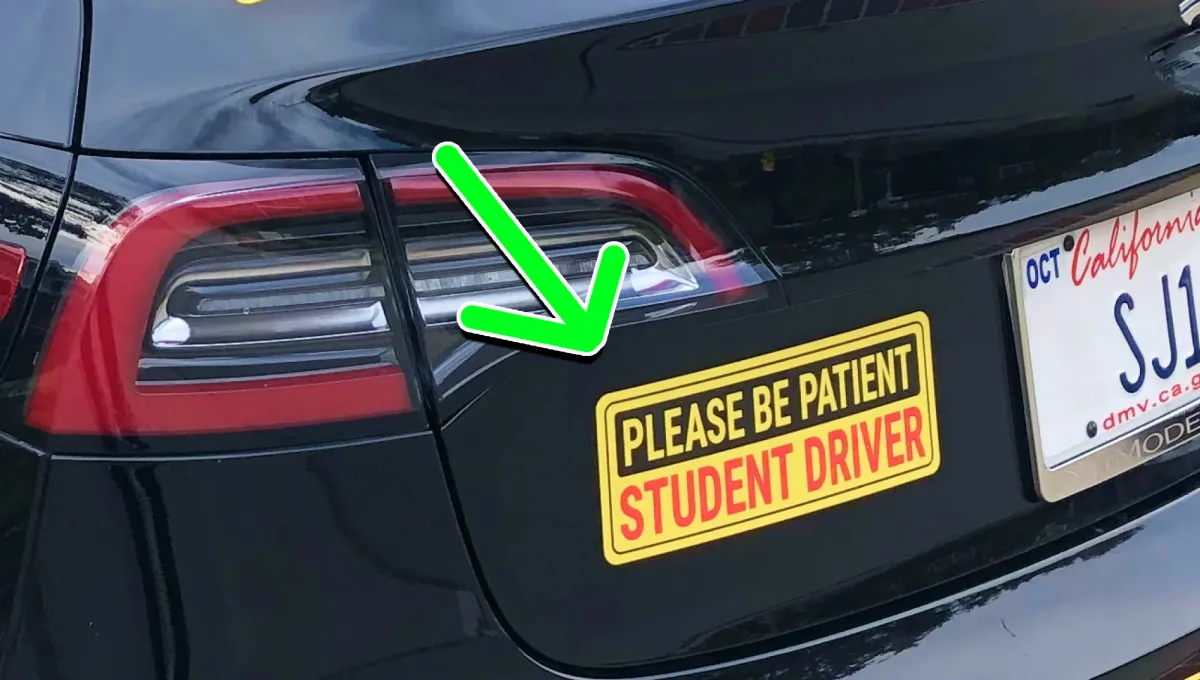
The Household Staple That Helps Remove Bumper Stickers Without Damaging Your Car
Removing an old bumper sticker is easier with rubbing alcohol, which helps dissolve stubborn adhesive residue from your car.
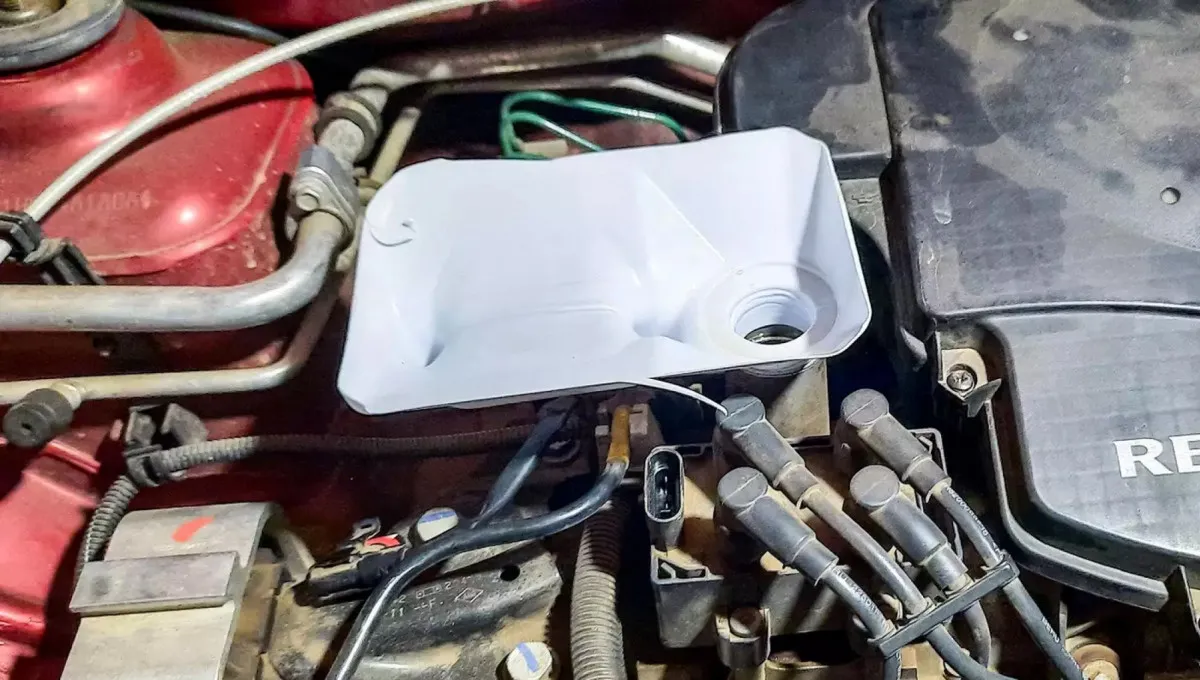
Useful for Many Drivers and Mechanics: This DIY Tool Makes Adding Engine Oil Much Easier
A simple homemade funnel helps drivers add engine oil cleanly, avoid spills, and reach hard-to-access filler openings.
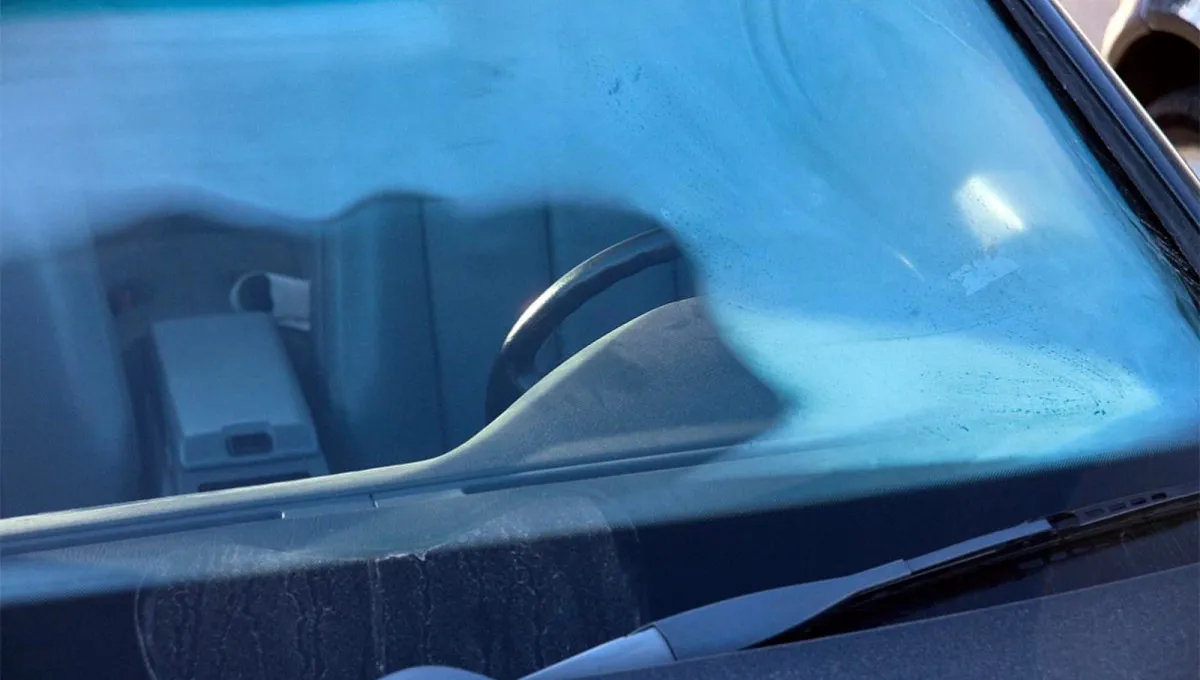
Foggy Windows in Dry Weather: What Problem Could This Indicate?
Foggy car windows can signal anything from excess cabin moisture to a clogged air filter or a hidden coolant leak.
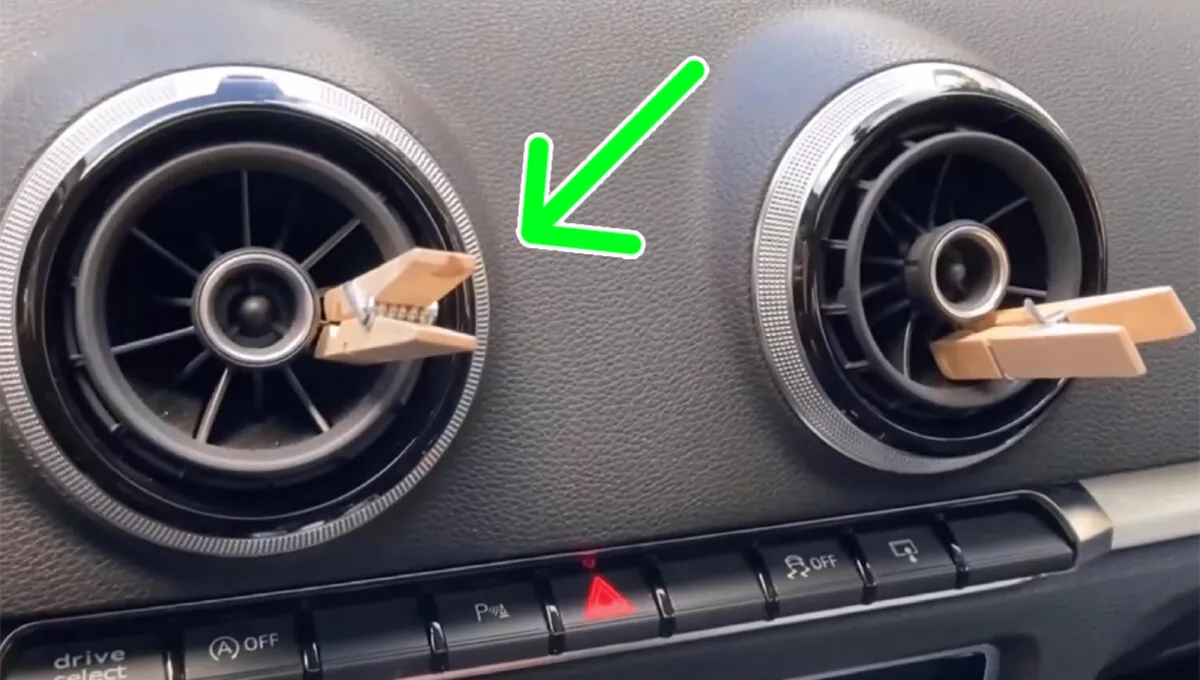
Why Experienced Drivers Keep a Simple Wooden Clothespin in Their Cars
A wooden clothespin clipped inside a car might look out of place, but some drivers use it for several surprisingly practical purposes.