
Tesla Reports 10 Billion Miles of FSD (Supervised), But Unsupervised Driving Still Off the Table
Tesla says its Full Self-Driving Supervised fleet has crossed 10 billion miles, but autonomy remains out of reach
According to updated data on Tesla’s safety page, vehicles using Full Self-Driving (Supervised) have now logged more than 10 billion miles. The figure is striking, especially since Elon Musk previously suggested that roughly this amount of real-world driving data would be needed to reach “safe, unsupervised driving.”
But for owners expecting a breakthrough overnight, nothing has changed. Cars did not suddenly switch to FSD (Unsupervised), and they are still far from true autonomy in either legal or technical terms. As before, the system remains Level 2—drivers must stay alert, monitor the road, and be ready to take over instantly. Tesla itself is clear on this point, repeatedly stating that FSD (Supervised) requires active human oversight and does not make the vehicle self-driving.
That distinction is where things get complicated. While the system is labeled “supervised,” responsibility largely sits with the driver under Tesla’s terms of service. But if the industry ever shifts to “unsupervised” operation, liability becomes a major question. Companies like Waymo operate differently, owning both the tech and the fleet, which keeps responsibility contained. Tesla, by contrast, has over a million customer vehicles using FSD, making any legal shift far more complex.
Safety record and legal pressure
Over the past few years, there have been hundreds of crashes involving Tesla’s driver-assist systems and dozens of fatal cases. The company has often avoided direct liability through settlements or dismissed lawsuits. However, last year brought a significant setback: a federal jury in Florida found Tesla partially liable in a 2019 crash involving Autopilot and awarded $243 million to victims’ families. Tesla has tried to challenge the ruling, but the judge rejected the appeal.
At the same time, Tesla continues to emphasize safety improvements. According to company data, vehicles using FSD travel about 5.5 million miles between serious collisions, compared with roughly 660,000 miles for the average U.S. driver. Critics, however, argue that these comparisons are skewed, noting that Autopilot is mostly used on highways, while most accidents occur on more complex city roads.
Robotaxi vs. customer rollout
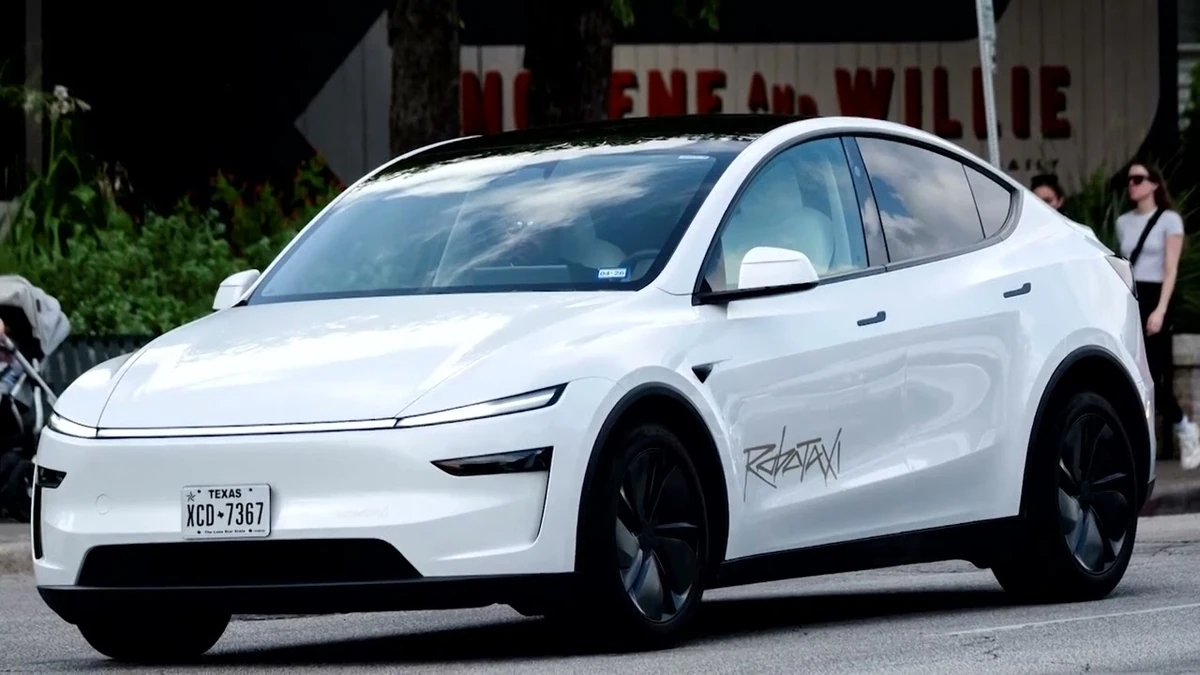
Interestingly, unsupervised driving does already exist—but only inside Tesla’s controlled robotaxi program. After limited launches in Dallas and Houston, the fleet has gradually expanded. Based on Robotaxi Tracker data, the current numbers look like this:
- Dallas: 5 unsupervised robotaxis
- Houston: 6 unsupervised robotaxis
- Austin: 29 supervised units (with a safety operator in the passenger seat) and 22 unsupervised
This split is why many owners feel they are “close” to getting FSD (Unsupervised) access themselves. But the delay is not just technical—it is also regulatory.
During Tesla’s latest earnings call, Musk said unsupervised driving would roll out once it is legally permitted. For customer vehicles specifically, he suggested a possible timeline around the fourth quarter. Still, the bigger question remains unchanged: is 10 billion miles the final milestone—or just another checkpoint on a road that keeps moving further ahead?
You may also be interested in the news:
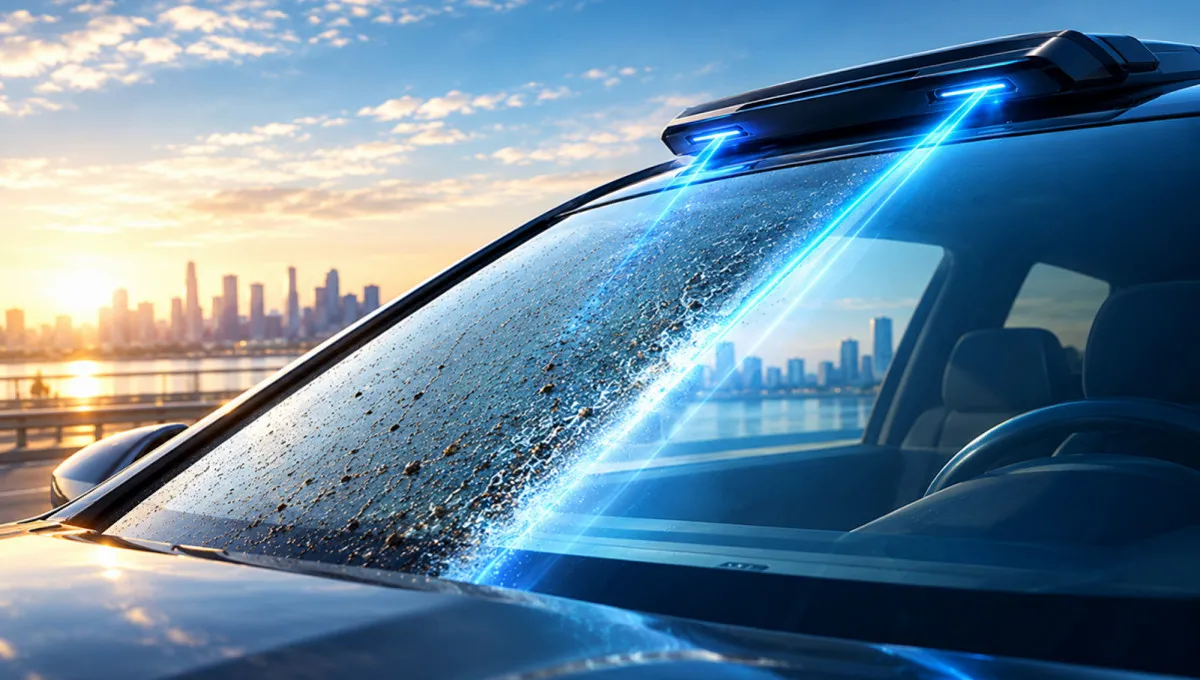
Tesla Patents Laser Windshield Wipers Again in 2026
Tesla is once again pursuing laser windshield cleaning, but the technology raises serious questions about cost, reliability and safety.
Hyundai Delays Nvidia-Based Automated Driving System
Hyundai Motor Group has pushed back the rollout of its own driver-assistance system to the end of 2029.
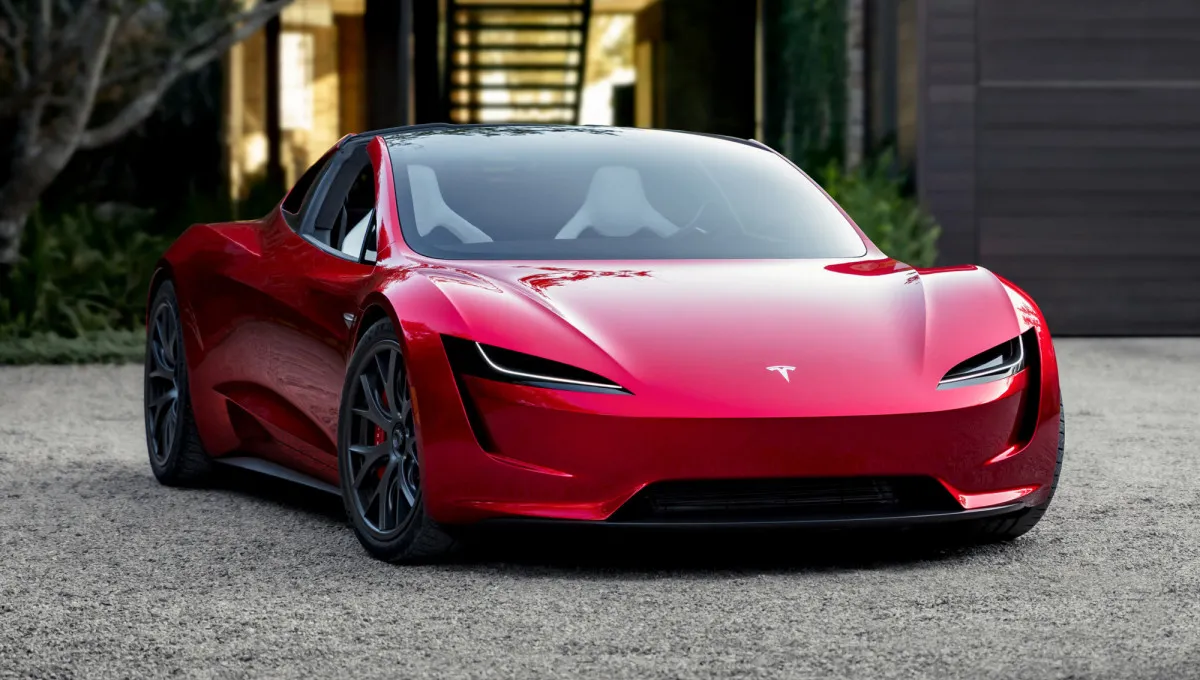
Tesla Will Unveil the Roadster on October 2. Teaser Hints at SpaceX Thrusters
Tesla has officially confirmed that the long-awaited second-generation 2026 Roadster will finally be unveiled on October 2.
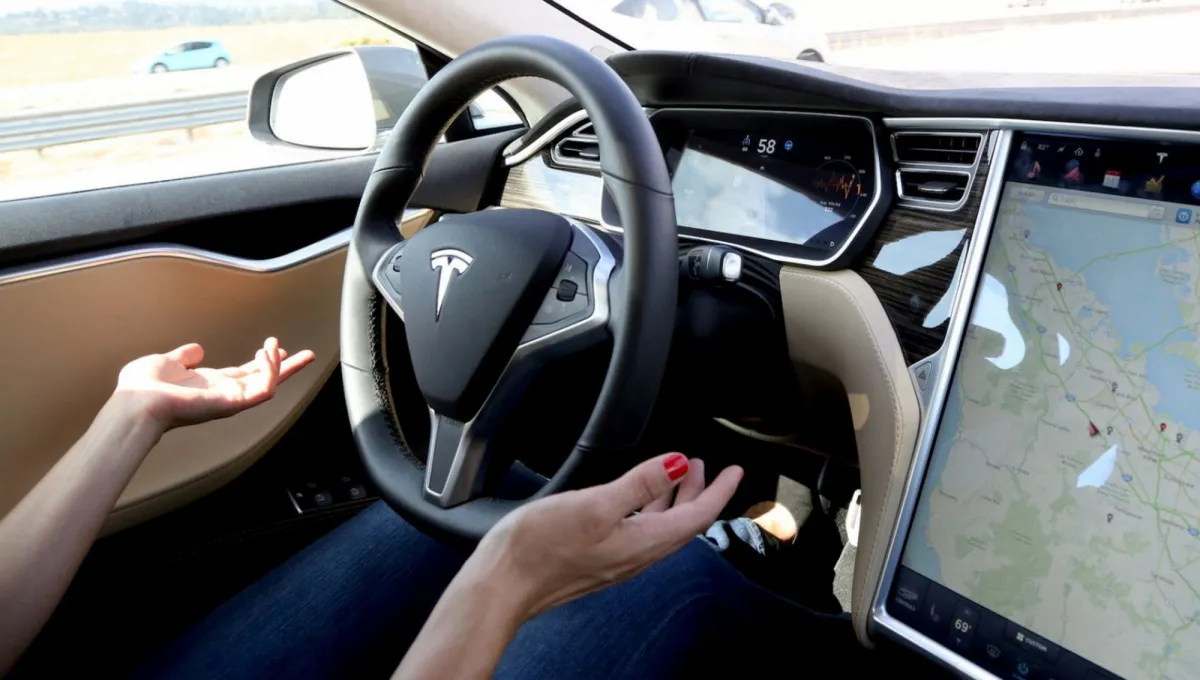
She Thought Her Tesla Was Acting Strange. ‘I’m in Your Car’: Man Used a Tesla App to Harass His Ex
A man remotely controlled his ex-partner’s Tesla, changed its settings, and restricted how fast she could drive.
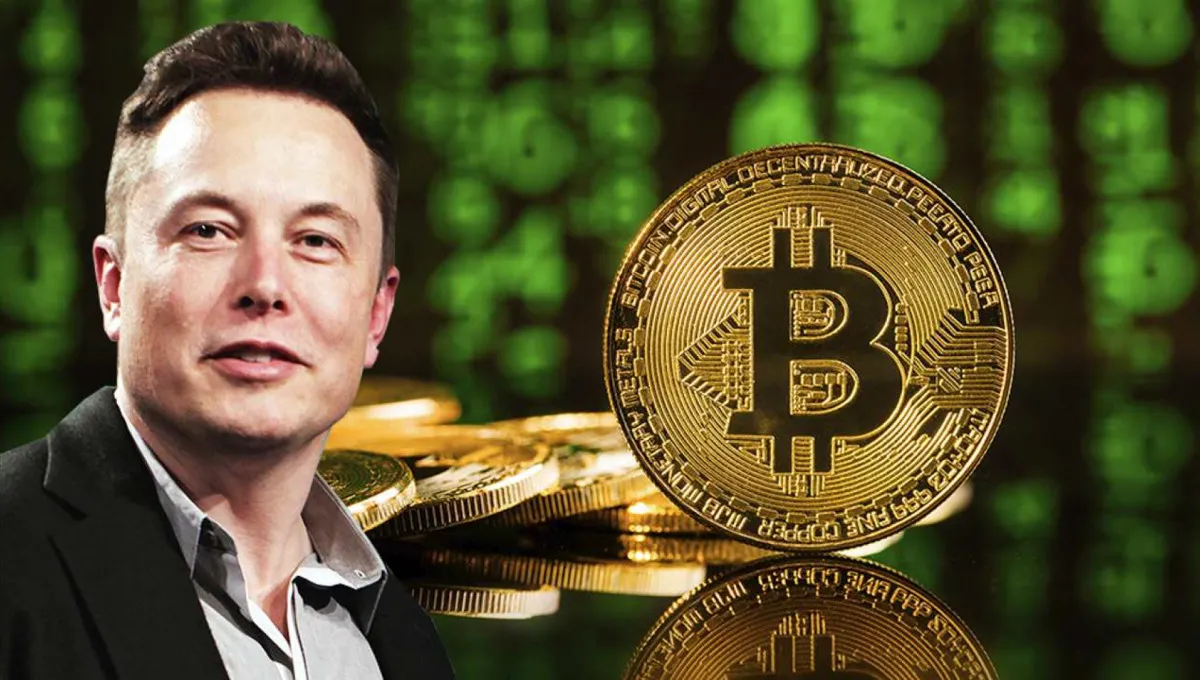
Elon Musk’s 2025 Tesla Pay Could Buy Nearly 10% of Bitcoin’s Maximum Supply
Elon Musk’s 2025 Tesla compensation could have bought nearly 10% of Bitcoin’s maximum supply at May’s price.