
The Fastest Cars of the 2000s That Still Leave Enthusiasts Breathless
These legendary performance cars from the 2000s still define speed, engineering, and automotive obsession for enthusiasts worldwide.
The early 2000s delivered a golden era for performance cars. Automakers pushed engineering limits, experimented with radical new technologies, and created machines that permanently changed the supercar landscape. Many of those vehicles still look futuristic today, while their performance numbers remain seriously impressive even by modern standards.
Here are some of the most iconic high-performance cars from the 2000s that continue to thrill drivers and collectors alike.
Bugatti Veyron (2005)
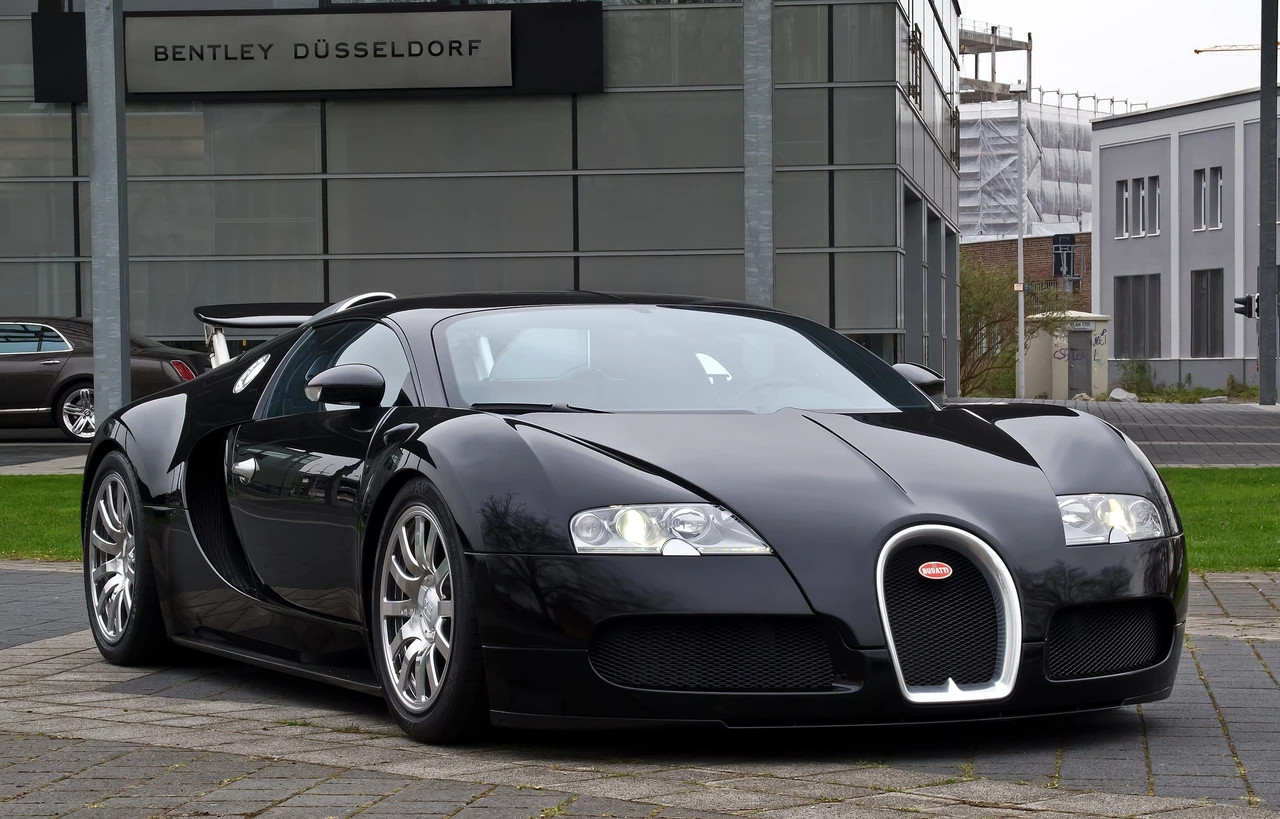
The Bugatti Veyron represents an entire era of automotive excess and engineering ambition. During the mid-2000s, manufacturers were obsessed with breaking speed records, and Bugatti raised the bar dramatically.
At the heart of the Veyron sat an 8.0-liter quad-turbocharged W16 producing 1,001 horsepower. The hypercar reached a staggering top speed of 253 mph, making it the fastest production car in the world at launch.
But raw speed wasn’t the only reason the Veyron became legendary. Its futuristic styling, luxurious cabin, and groundbreaking engineering transformed it into a status symbol almost overnight. Even today, the Veyron remains synonymous with extreme performance and automotive luxury.
Ferrari Enzo (2002)
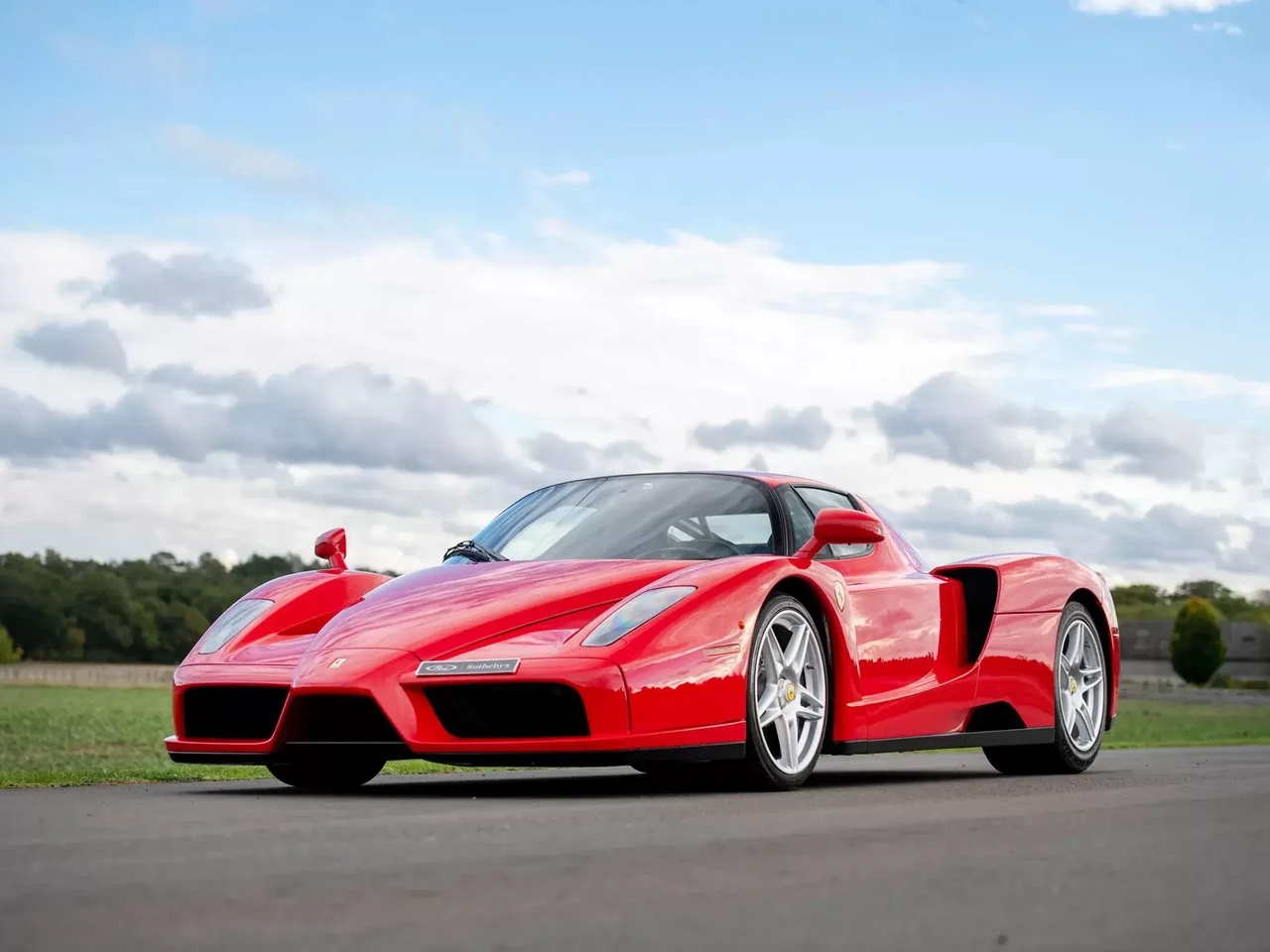
Every Ferrari halo car eventually becomes iconic, and the Enzo was no exception. Named after Ferrari founder Enzo Ferrari, the limited-production supercar represented the absolute peak of performance technology in the early 2000s.
Power came from a naturally aspirated 6.0-liter V12 producing 660 horsepower. Combined with lightweight construction and Formula 1-inspired engineering, the Enzo delivered explosive acceleration and razor-sharp handling.
Ferrari built only 400 examples, instantly turning the model into one of the most sought-after collector cars of its generation.
Porsche Carrera GT (2004)
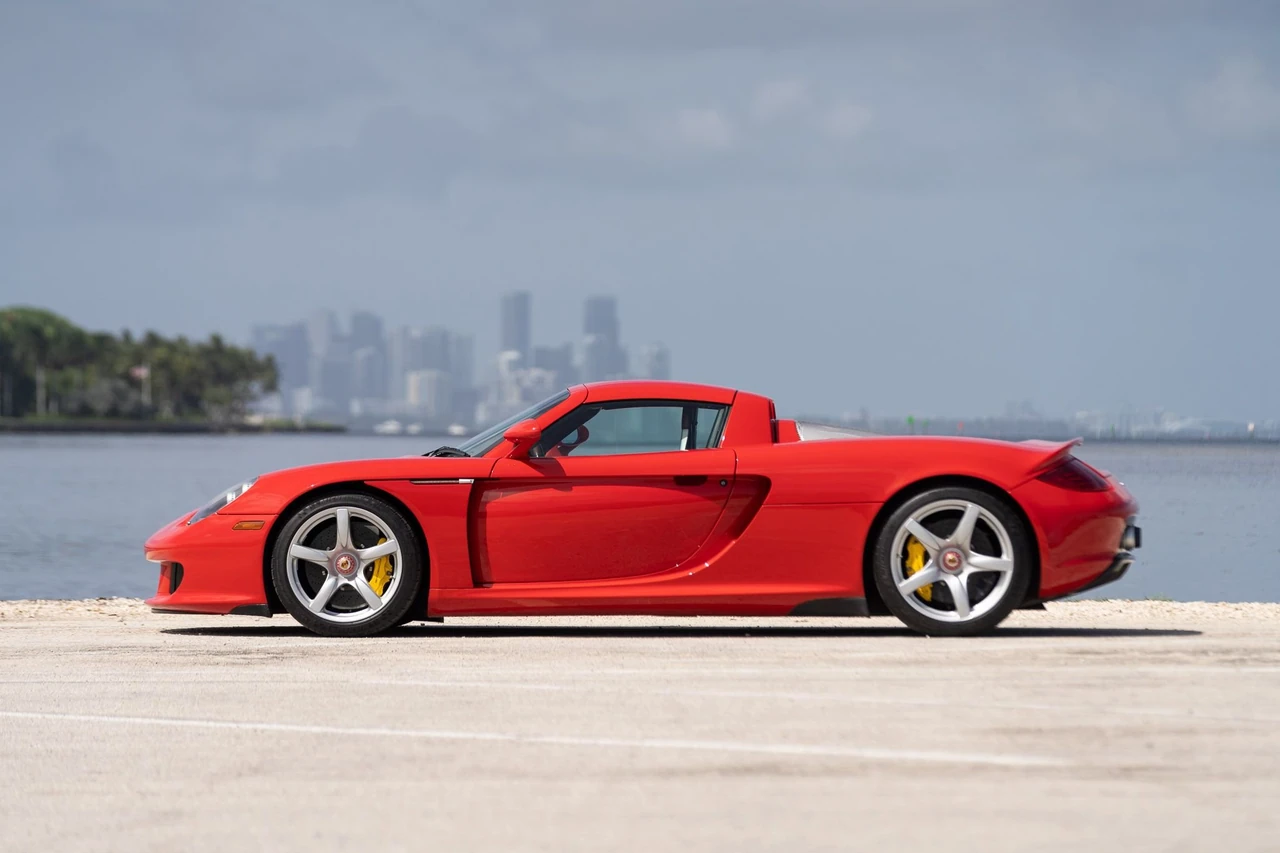
The Porsche Carrera GT remains one of the most respected driver-focused supercars ever built. Nearly two decades after its debut, it still holds legendary status among enthusiasts.
Mounted behind the driver was a 5.7-liter V10 generating 612 horsepower. The engine delivered an unforgettable soundtrack and brutally responsive power delivery that demanded skill and concentration.
Its low-slung design has aged remarkably well, while the analog driving experience continues to attract collectors and professional drivers searching for a pure performance machine untouched by modern electronic intervention.
Ford GT (2005)
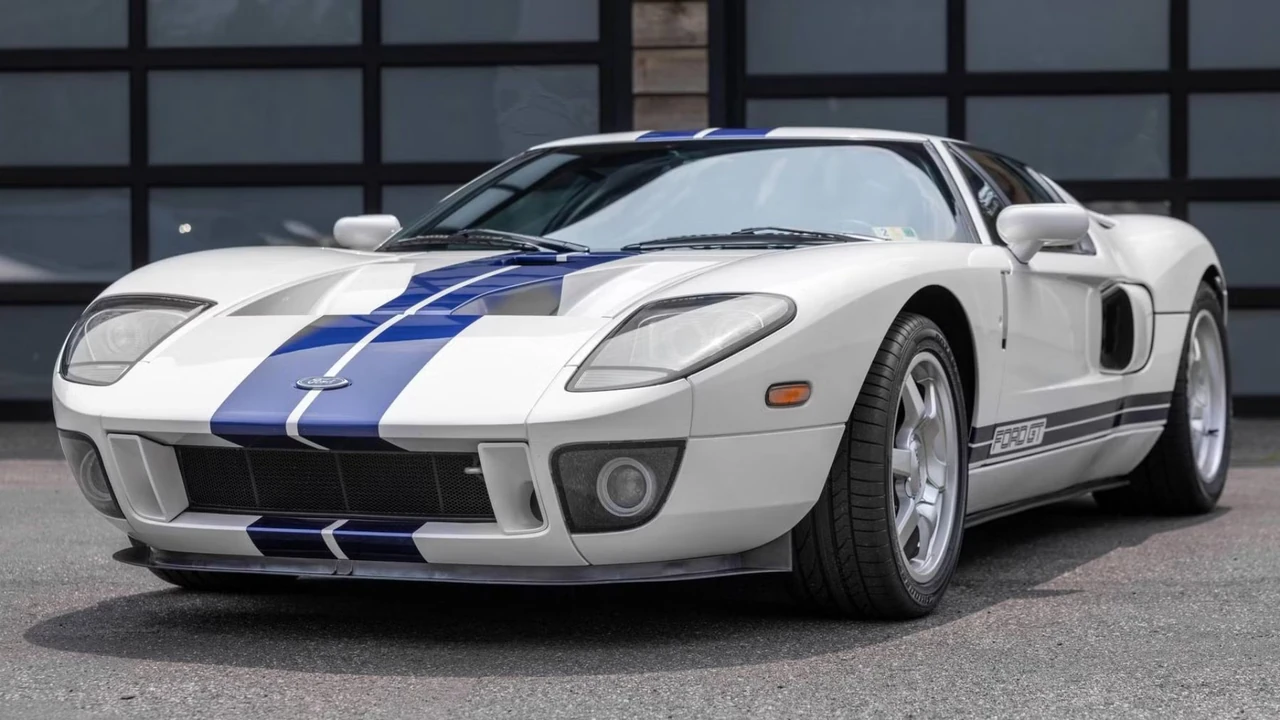
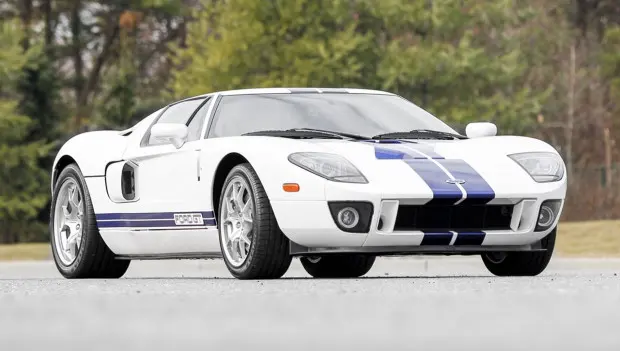
The 2005 Ford GT quickly became a modern American icon thanks to its unmistakable styling and racing heritage. Inspired by the legendary GT40 race car that dominated Le Mans during the 1960s, the reborn GT blended retro design with contemporary engineering.
Power came from a supercharged 5.4-liter V8 producing 550 horsepower. The result was explosive acceleration paired with surprisingly balanced handling.
The car’s appearance in video games, movies, and automotive media only strengthened its legendary reputation. Even today, the first-generation modern Ford GT remains one of the most desirable American supercars ever produced.
Nissan GT-R (2007)
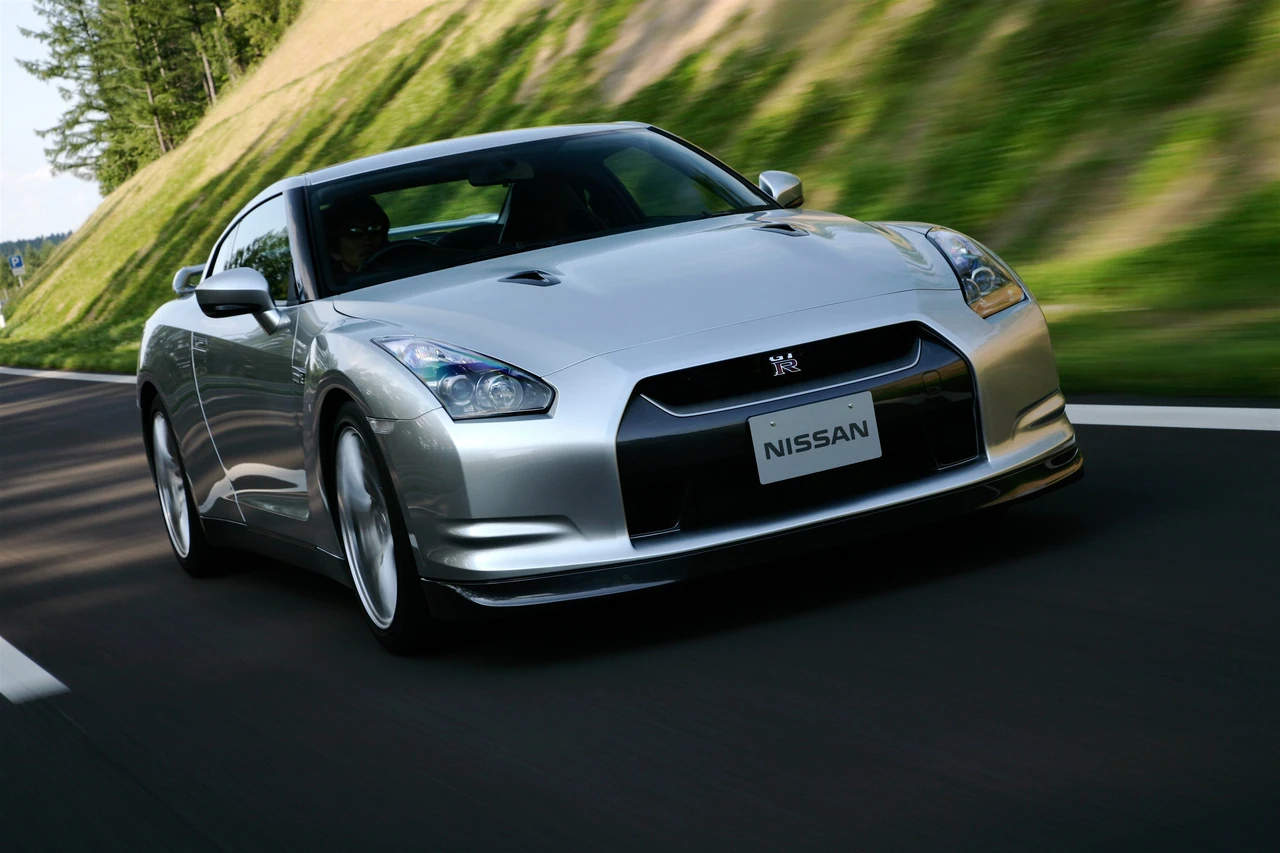
When the Nissan GT-R arrived in 2007, it completely disrupted the high-performance market. Nissan engineered the car with one goal in mind: outperforming significantly more expensive exotic supercars.
Its twin-turbocharged 3.8-liter V6 delivered up to 485 horsepower, while the advanced all-wheel-drive system gave the GT-R astonishing grip and launch capability.
What truly shocked enthusiasts was the value. The GT-R could compete with European exotics costing two or three times more, earning it the nickname “Godzilla” among fans and critics alike.
BMW M3 E46 (2000)
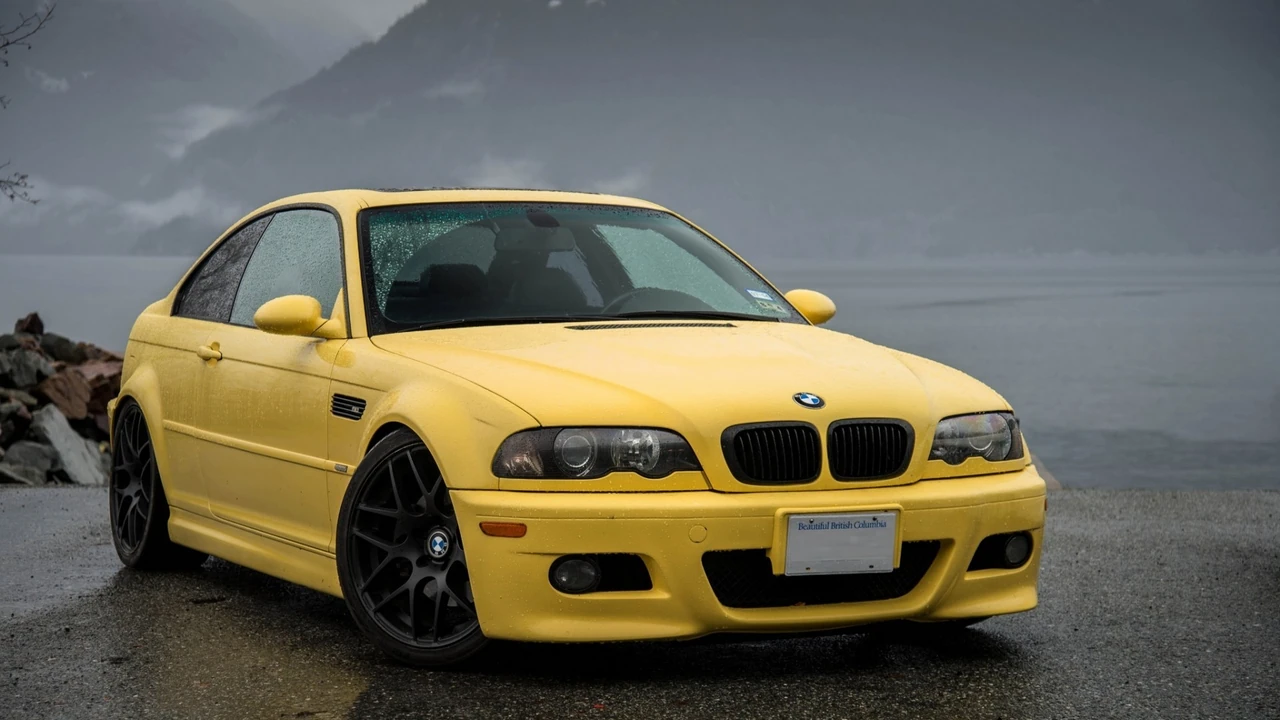
The BMW M3 E46 perfectly captured the idea of an everyday sports car. It combined comfort, sharp styling, balanced handling, and serious performance in a package drivers could use daily.
Under the hood sat a naturally aspirated 3.2-liter inline-six producing 333 horsepower for the U.S. market. More importantly, the car delivered exceptional steering feel and near-perfect chassis balance.
Those qualities helped the E46 M3 become one of the most beloved BMW performance cars ever built, and many enthusiasts still consider it the benchmark for modern sports coupes.
Mitsubishi Lancer Evolution IX (2005)
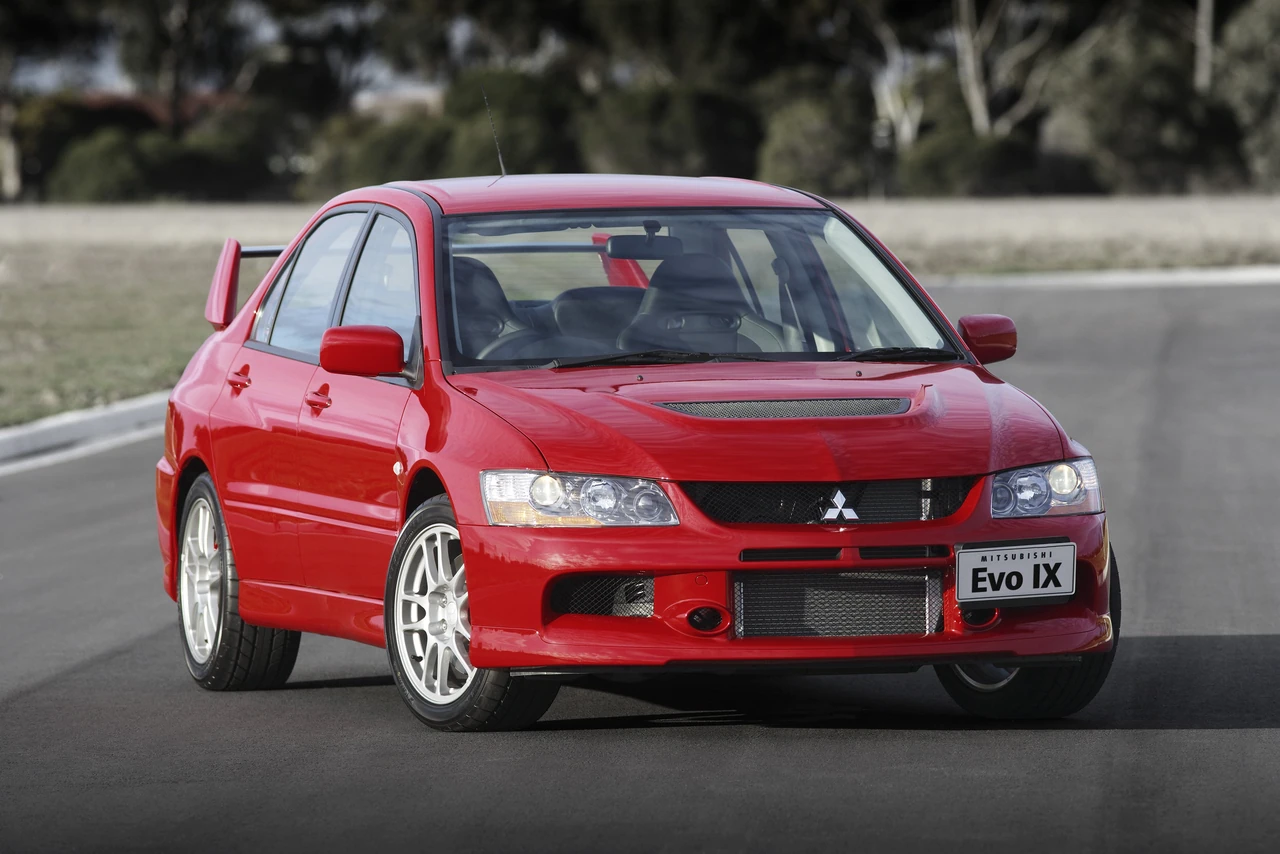
Closing out the list is the Mitsubishi Lancer Evolution IX, one of the most celebrated rally-inspired sports sedans of the 2000s.
Built on a compact sedan platform, the Evo IX featured all-wheel drive, turbocharged power, and handling characteristics that made it incredibly capable on both pavement and gravel. Its turbocharged 2.0-liter four-cylinder produced 286 horsepower.
The car earned widespread praise for its grip, agility, and confidence at high speeds. Even years after production ended, the Evo IX remains a favorite among driving enthusiasts who appreciate raw performance and precision handling.
You may also be interested in the news:
Experts Name the Two Most Powerful Production Sports Cars in the U.S.
American sports cars continue to impress with their horsepower, speed and innovative engineering, with two models standing above the rest.
Bovensiepen Brings Back the BMW Z4 as a 435-HP Spider
The family behind Alpina has revived the BMW Z4 in limited-production form, adding more power, sharper handling, and a hand-finished cabin.

5 Rare American Cars You Probably Never Knew Existed — Why They Remained Toys for the Few
America knows how to build cars. Sometimes they’re so brilliant that the rest of the world ends up copying them.

New Mercedes-AMG CLE 646 Outmuscles the BMW M4 With 637 HP and a 3.9-Second 0-60 Run, but You’ll Never Be Able to Buy One
Mercedes-AMG has unveiled a new 646-hp CLE Spezialanfertigung with a twin-turbo V8, extensive carbon-fiber upgrades, and serious track-focused performance.
Five Great Classic American Retro Cars
These five iconic American classics pushed automotive design, performance, and engineering into new territory.