
Ford Dropped the Shelby Name From Mustang — and the Reason Comes Down to Money
Ford quietly moved away from Shelby badging as licensing costs became too expensive.
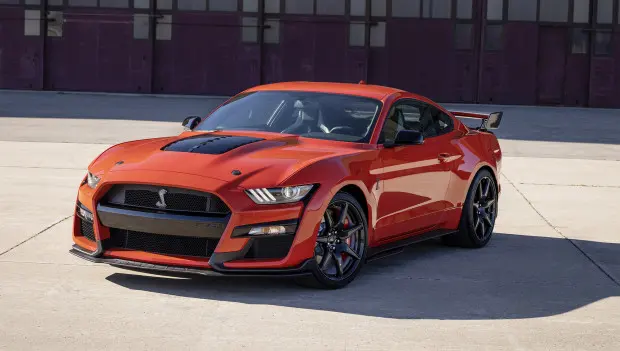
If you take a close look at the current Ford Mustang lineup, one thing stands out right away — the famous Shelby name is gone. The last production Mustang to wear that legendary badge was the Ford Mustang Shelby GT500, and its run ended just before the arrival of the new-generation model. Naturally, fans started asking the obvious question: where did Shelby go?
The answer turned out to be much simpler than many enthusiasts expected. Instead of launching a new GT500, Ford shifted its focus to the Mustang Dark Horse and the even more aggressive Mustang Dark Horse SC, which has essentionally stepped into the role of the modern GT500. But the biggest reason behind dropping the Shelby name wasn’t marketing strategy or a new performance philosophy — it was plain economics.
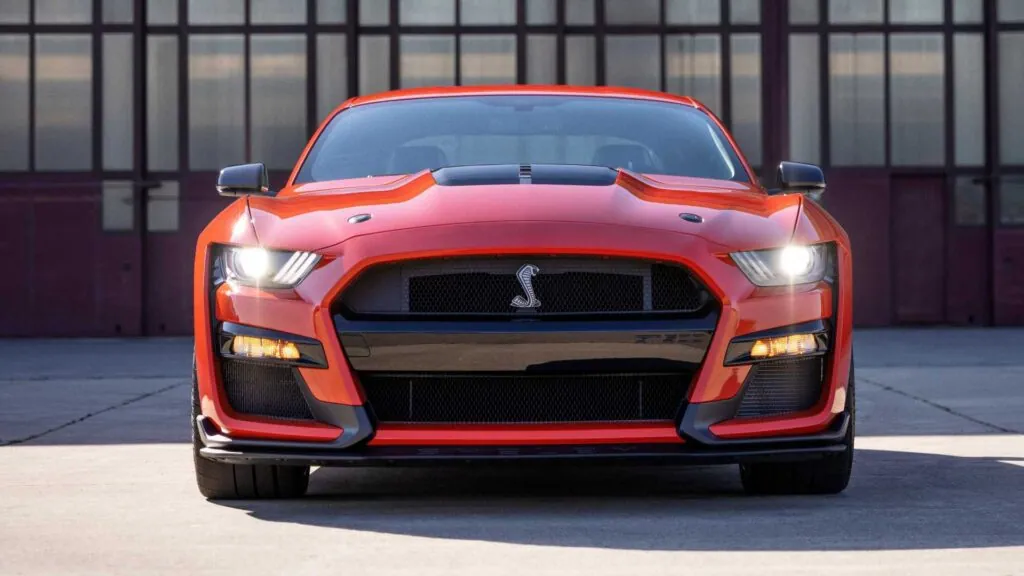
The issue is that Ford doesn’t actually own the rights to the Shelby name. Those belong to Shelby American, and Ford has to pay licensing fees every time it uses the brand. According to industry sources, every Mustang sold with Shelby badging reportedly cost Ford around $800 in licensing fees.
At first glance, that may not sound like a huge number. But once you apply it across thousands of cars, it becomes a very serious expense. During production, Ford sold more than 24,000 Mustang Shelby GT350 and GT350R models, along with over 14,000 of the latest GT500s. Altogether, that adds up to more than $30 million spent simply for the right to use the Shelby name.
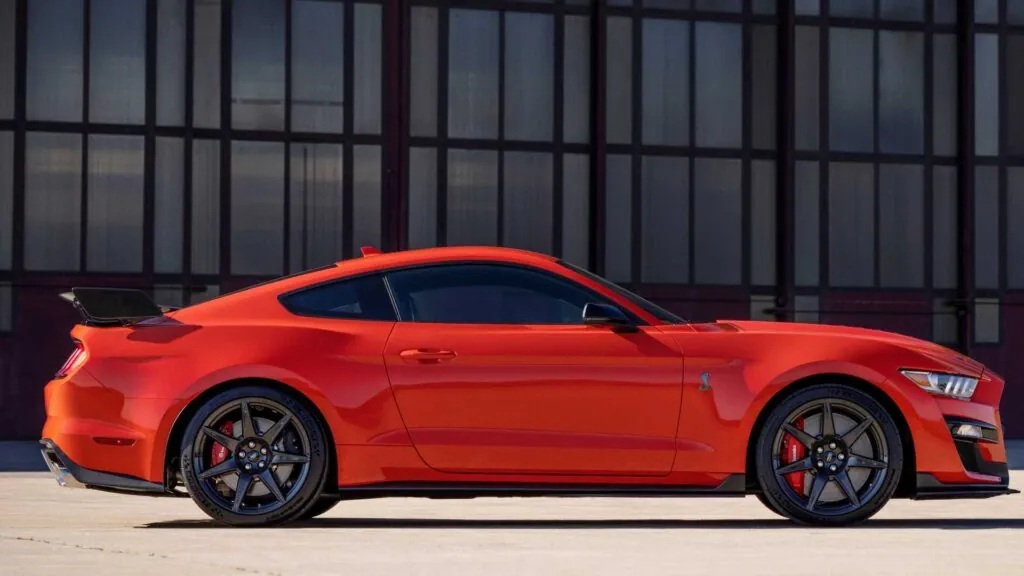
For a major automaker, that’s no small line item — it becomes a significant cost that directly affects profitability.
Right now, it’s still unclear whether the Shelby badge will return during the current S650 Mustang generation. Rumors continue to circulate, but for now, Ford seems fully committed to building up its own Dark Horse performance sub-brand while also expanding its presence in motorsports.
The newest Mustang generation has already spawned several racing versions, from track-focused models to a full GT3 race car. There are even plans for the Dark Horse SC to enter NASCAR competition by 2027, further pushing Ford’s in-house performance identity.
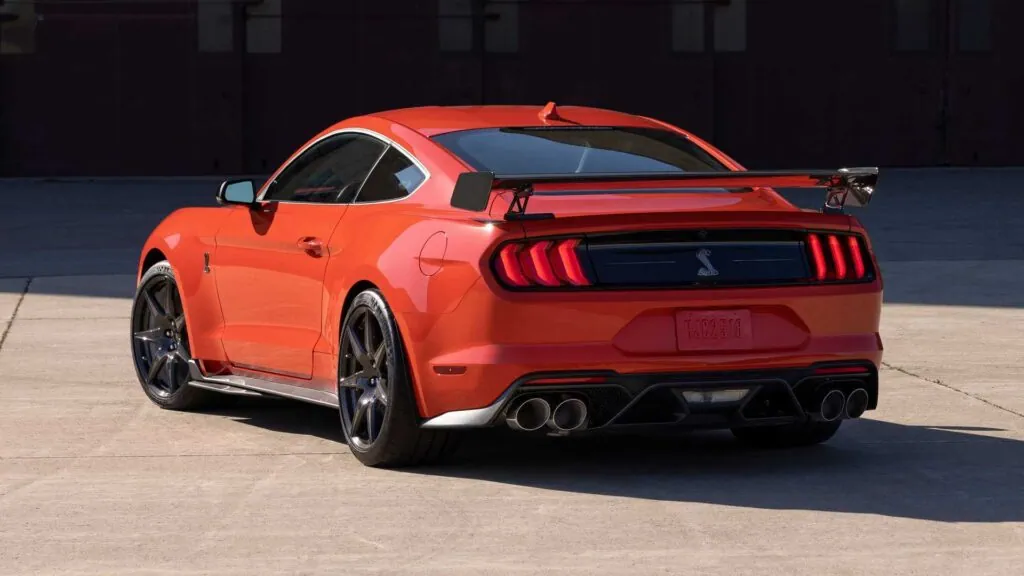
As a result, Shelby has been pushed to the sidelines, and the Dark Horse now serves as the flagship high-performance Mustang. Maybe the legendary name will return someday, but for now, Ford appears to prefer a path where it doesn’t have to share profits on every car sold.
For many enthusiasts, Shelby will always represent the ultimate Mustang. But in today’s business reality, even legends have a price.
You may also be interested in the news:
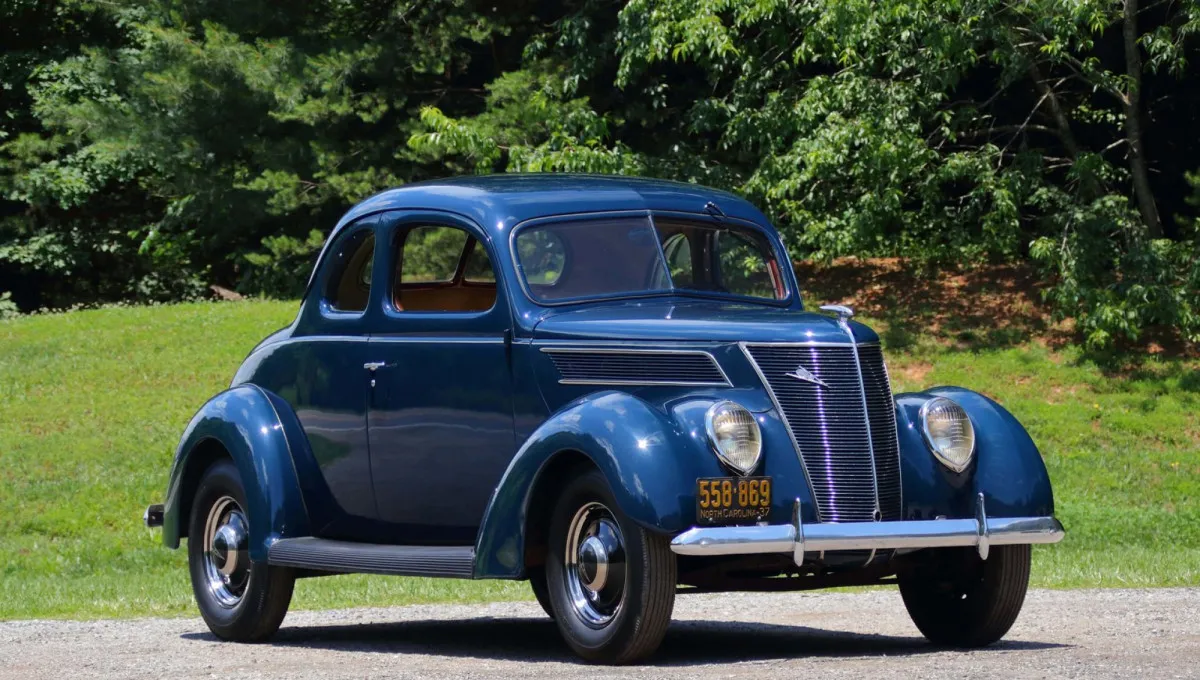
The 1937 Ford Was a Quality Car at an Affordable Price — Here’s What Made It Stand Out
The 1937 Ford featured several major changes and improvements. Let’s take a closer look.
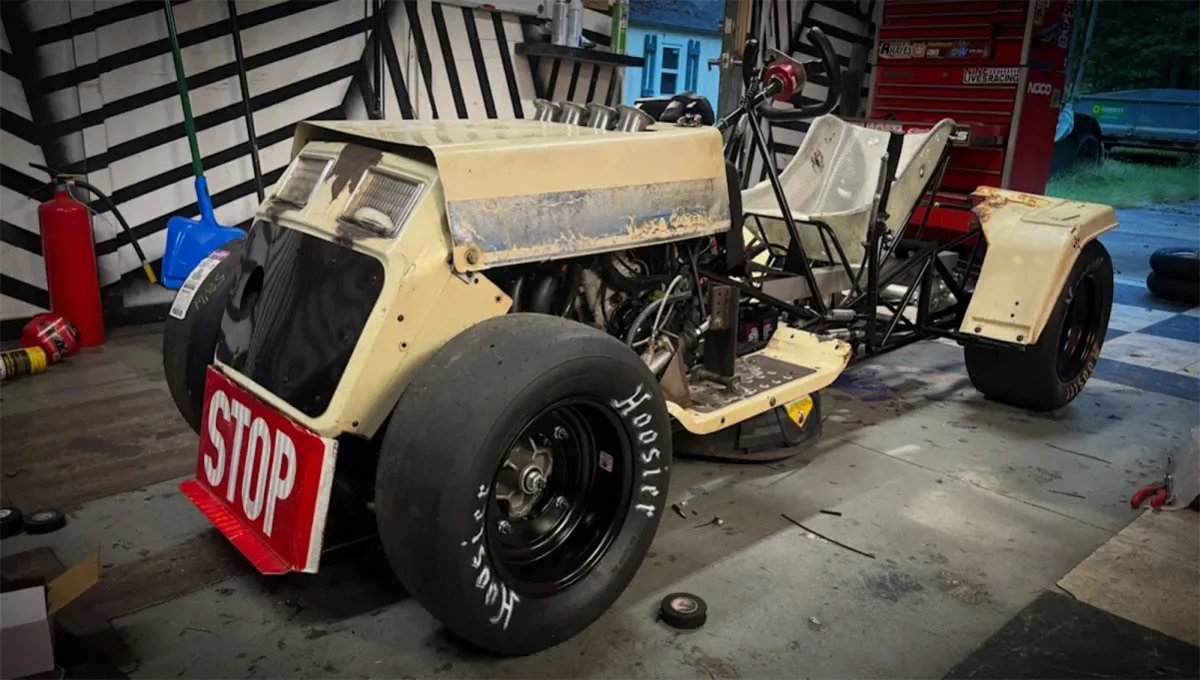
The U.S. Builds the World’s Fastest Lawn Mower
An American-built lawn mower hit 152.8 mph at Arkansas Mile and can still cut grass.
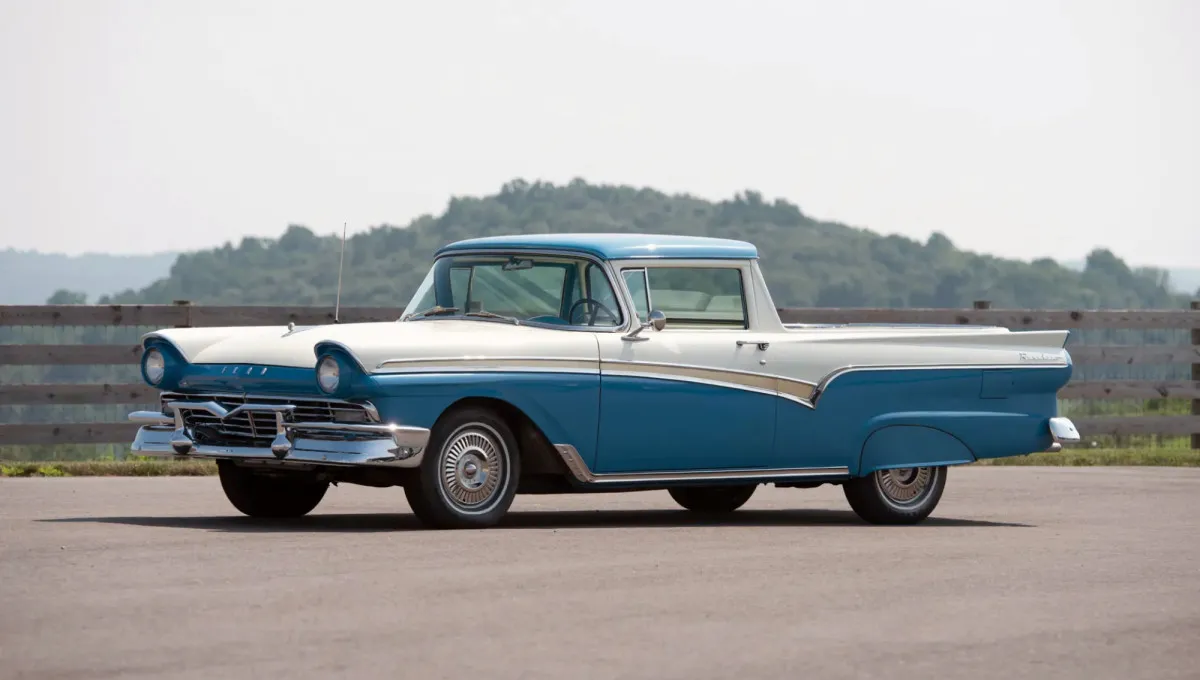
More Than a Car! More Than a Truck! The 1957 Ford Ranchero
The 1957 Ford Ranchero launched a new kind of American vehicle, blending passenger-car styling with pickup-truck utility years before the segment took off.
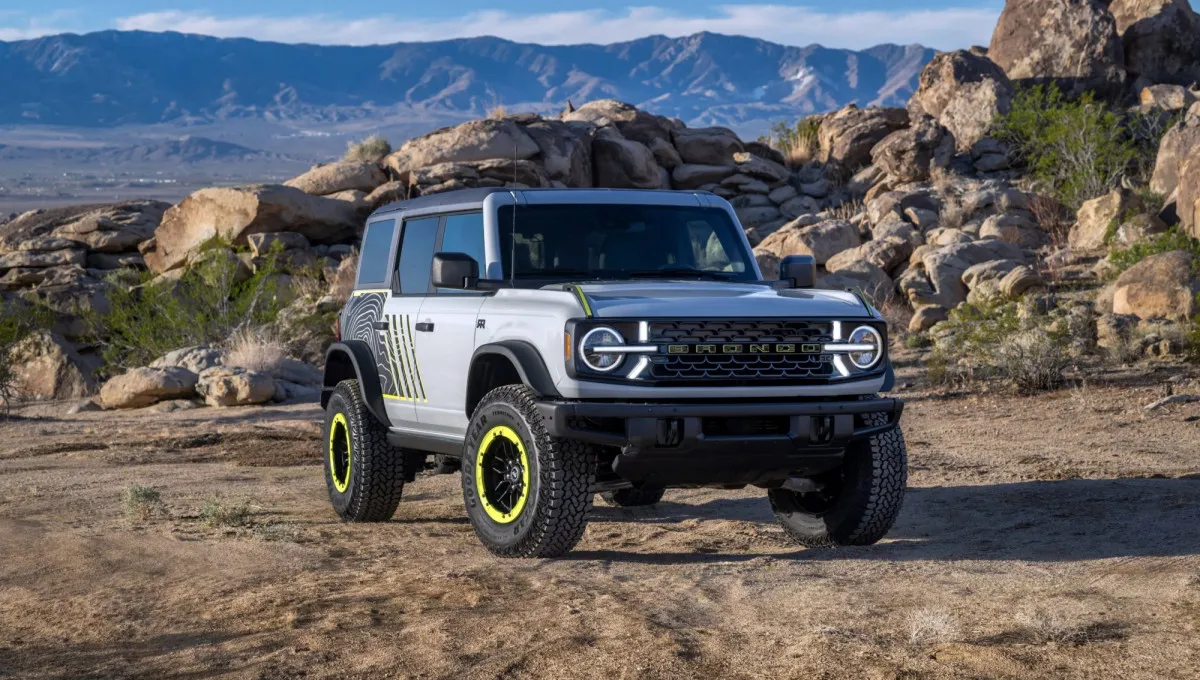
2027 Ford Bronco RTR Priced From $50,495—Undercuts Bronco Raptor by $31,500
Ford has set the starting price for the 2027 Bronco RTR, with orders expected to open later this year.
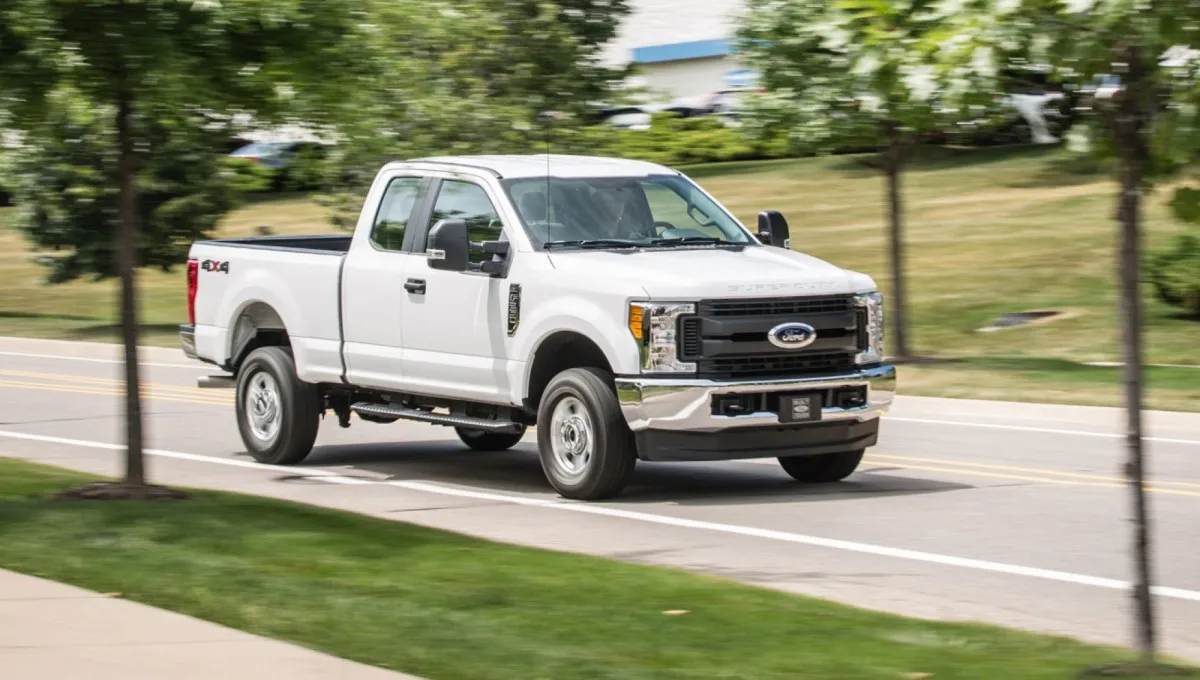
41,748 Ford SUVs and Trucks Recalled—Your Headlights Could Suddenly Stop Working
Ford recalls 41,748 vehicles after contaminated LED chips threaten required headlight performance on newer models.