
The DeLorean From Back to the Future: Fascinating Details About Hollywood’s Most Famous Time Machine
Few movie cars became cultural icons quite like the stainless-steel DeLorean DMC-12 from Back to the Future.
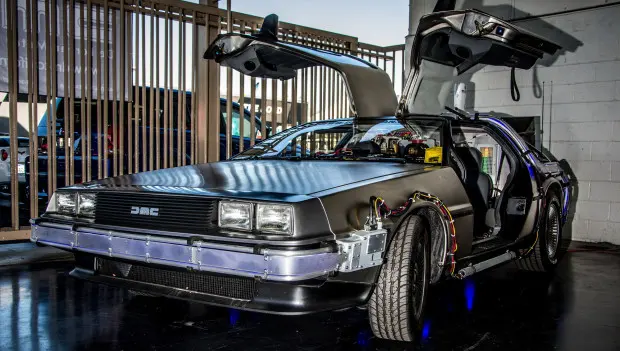
There are plenty of cars that achieved fame through Hollywood, but few became as legendary as the DeLorean DMC-12. Produced for only a short period in the early 1980s, the futuristic sports car gained worldwide recognition after starring as the time machine in the Back to the Future film trilogy.
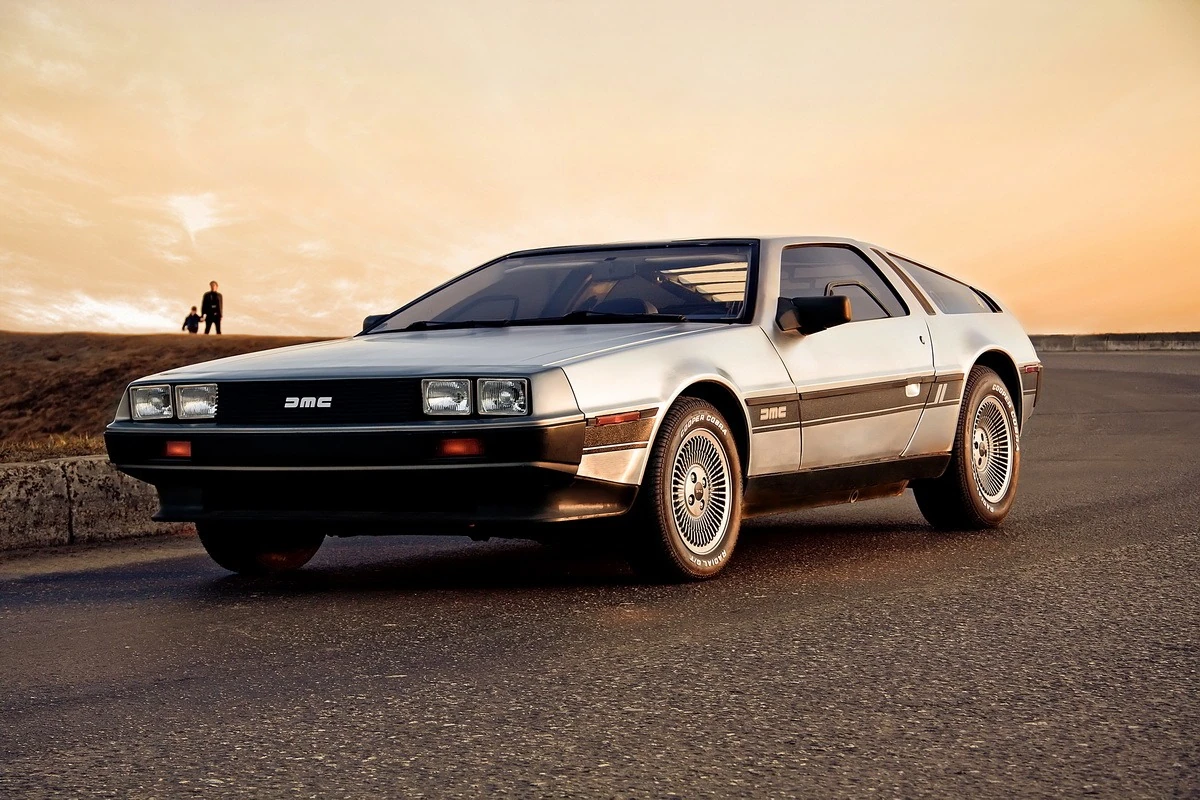
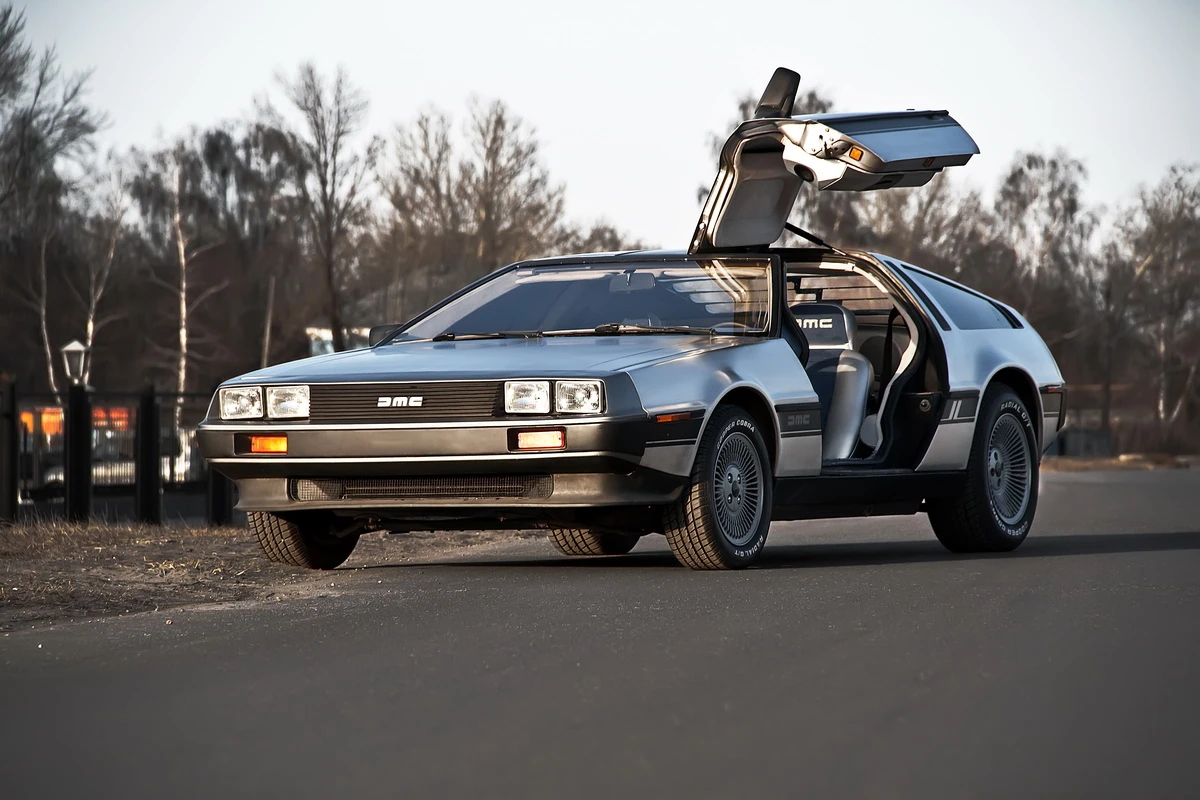
Even people with little interest in automobiles tend to recognize the DeLorean instantly. Its unusual design, stainless-steel body, and gullwing doors made it one of the most distinctive vehicles ever built.
And as it turns out, the car was just as unconventional mechanically as it looked on screen.
One of the first details sharp-eyed enthusiasts notice is the wheel setup. The DeLorean used smaller front wheels and larger rear wheels, meaning the spare tire could only fit one axle depending on the configuration. Swapping wheels front-to-rear wasn’t possible.
Another unusual feature was the fuel filler location. Drivers unfamiliar with the car often struggled to find it because the gas cap was hidden inside the front trunk compartment under the hood.
The DeLorean also stood out because it left the factory completely unpainted. Instead of traditional paint, the body panels were made from brushed stainless steel that was polished to a metallic finish. Owners could repaint the car later if they wanted, but DeLorean never offered factory paint colors.
The bumpers were surprisingly advanced for the era as well. Made from soft polyurethane, they could absorb low-speed impacts of roughly 5 mph without sustaining major damage.
Then there were the famous gullwing doors.
Beyond their dramatic appearance, the doors featured several unusual engineering solutions. The handles were positioned unusually low near knee level, while perimeter lighting helped drivers see the door outlines at night.
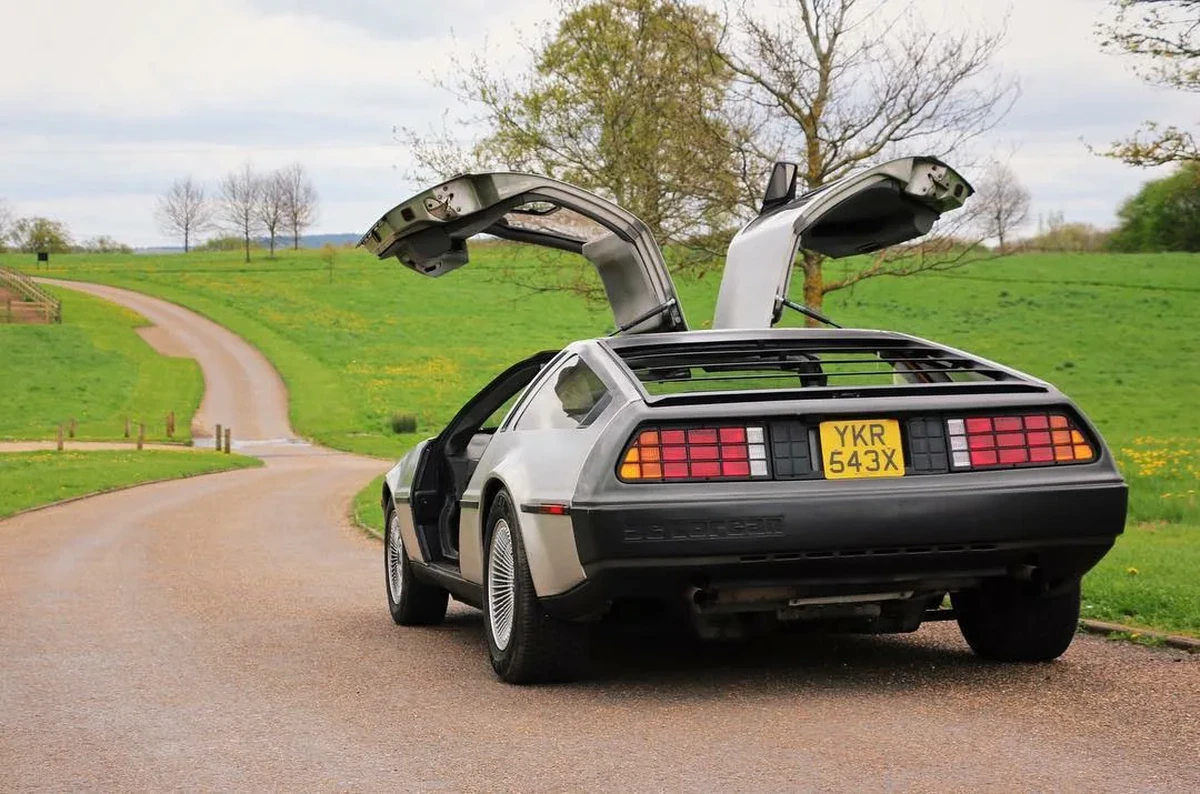
Designers even created a special recessed area above the seats to prevent taller occupants from hitting their heads while closing the doors.
The doors were also mechanically complex. Because part of the air-conditioning ventilation system passed through them, the side windows couldn’t roll down completely. Engineers solved the issue by dividing each window into separate sections controlled by individual electric mechanisms.
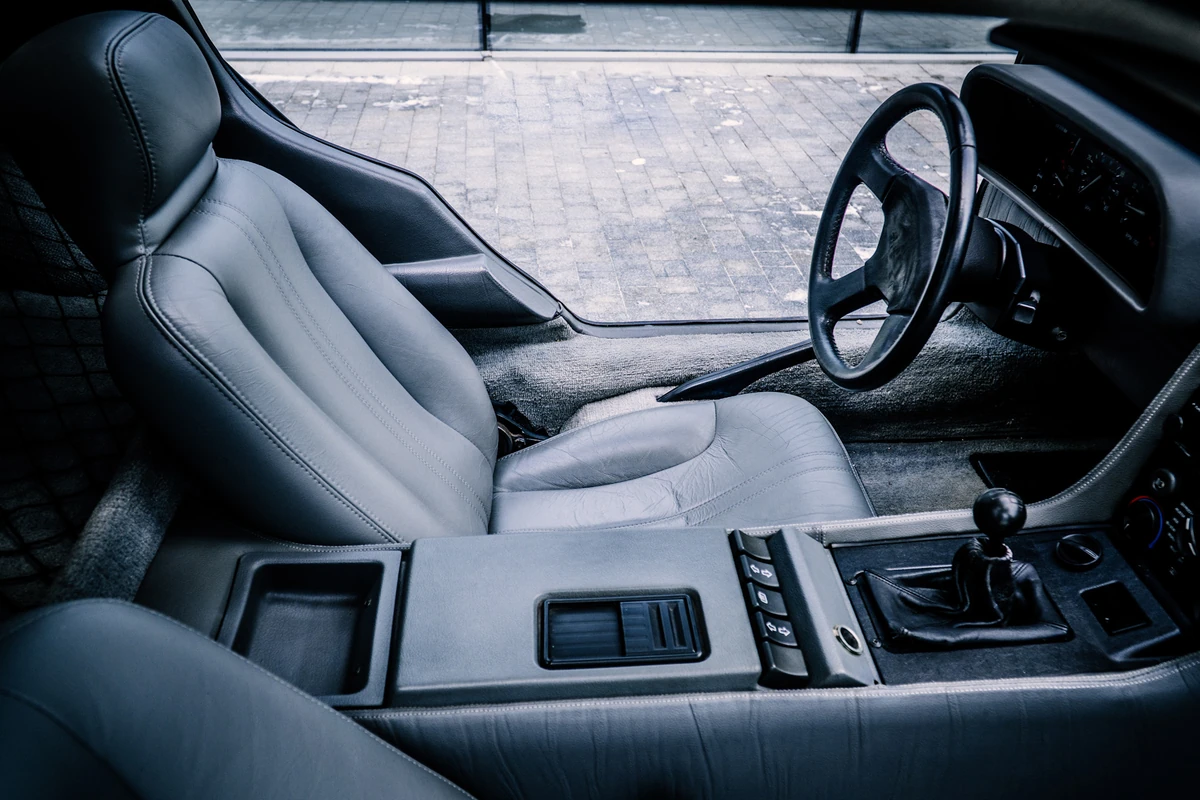
Inside, the DMC-12 aimed for a luxury feel. Leather upholstery came standard, and despite the car’s compact exterior dimensions, the cabin felt roomier than many drivers expected once seated inside.
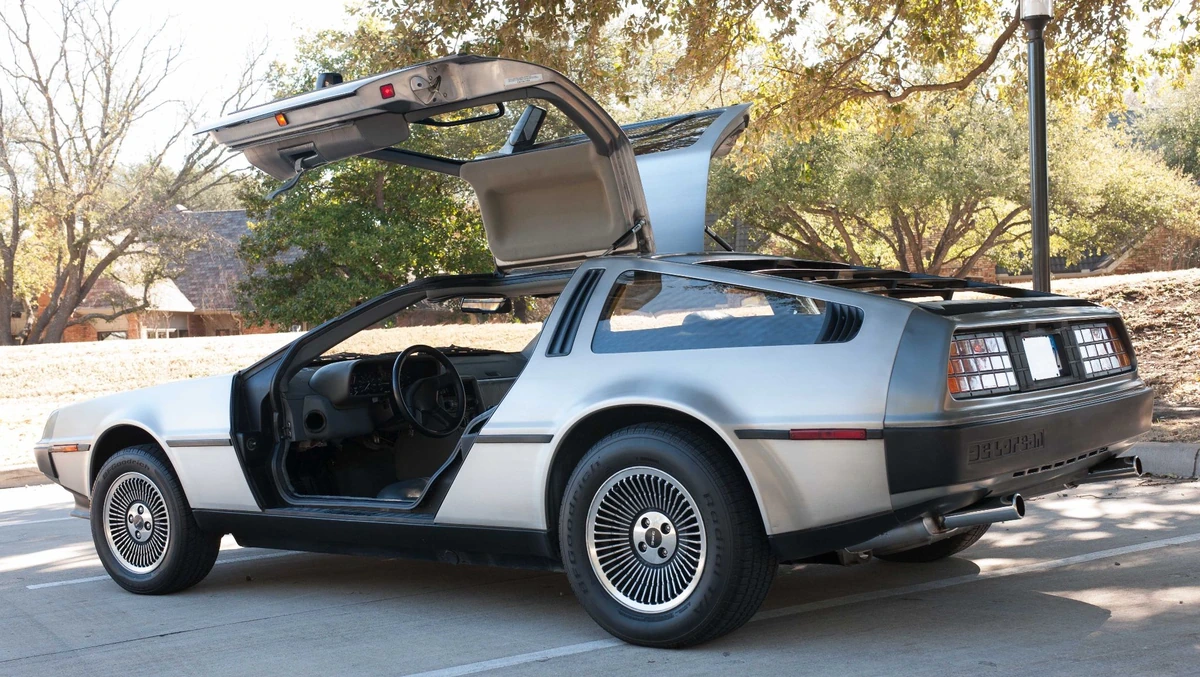
Some controls, however, were positioned in unconventional places. The parking brake, for example, sat between the driver’s seat and the door rather than near the center console.
Unfortunately, the DeLorean’s ambitious engineering contributed to major production challenges. Build quality issues plagued early cars, while manufacturing costs spiraled out of control.
Originally intended to sell for around $12,000 — roughly $39,000 adjusted for inflation today — the final sticker price climbed to approximately $25,000 in 1982, or about $82,000 in today’s dollars.
That steep price, combined with reliability concerns and financial troubles within the company, ultimately doomed the project after only a few years.
Still, thanks to Hollywood, the DeLorean DMC-12 achieved something few cars ever do: immortality.
You may also be interested in the news:
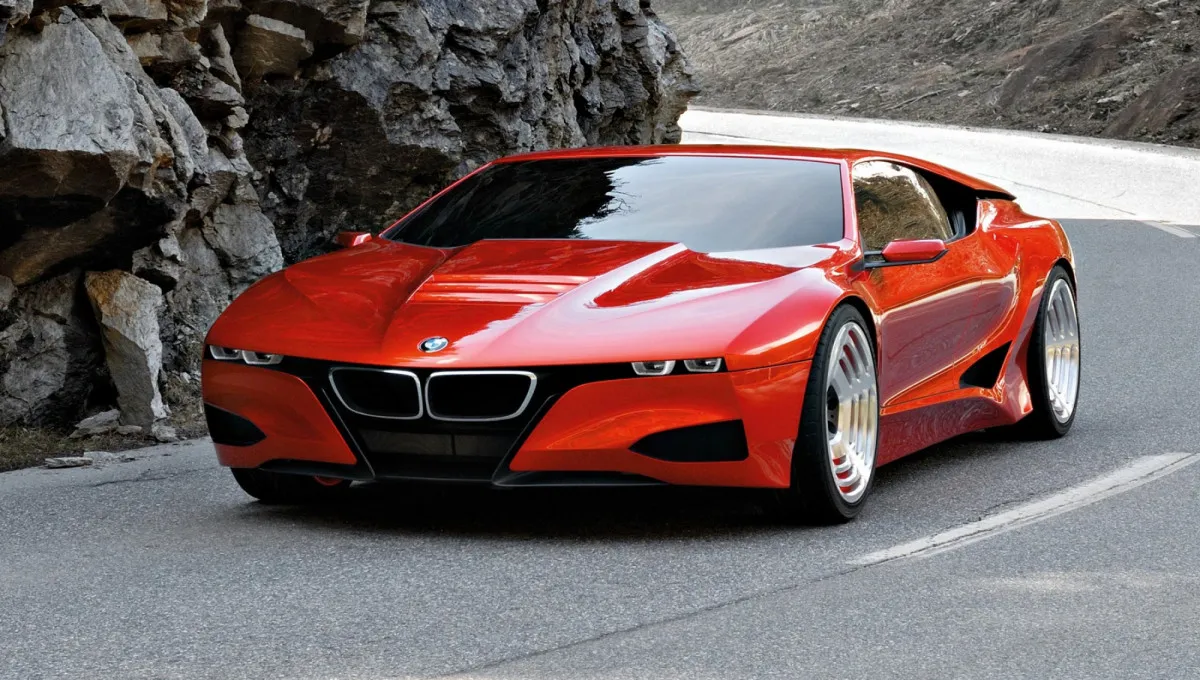
10 Wild BMW Concepts That Never Made It to Production — And the Cars They Inspired
From the Turbo to the M1 Hommage, these 10 BMW concepts showed ideas the automaker never brought to showrooms.
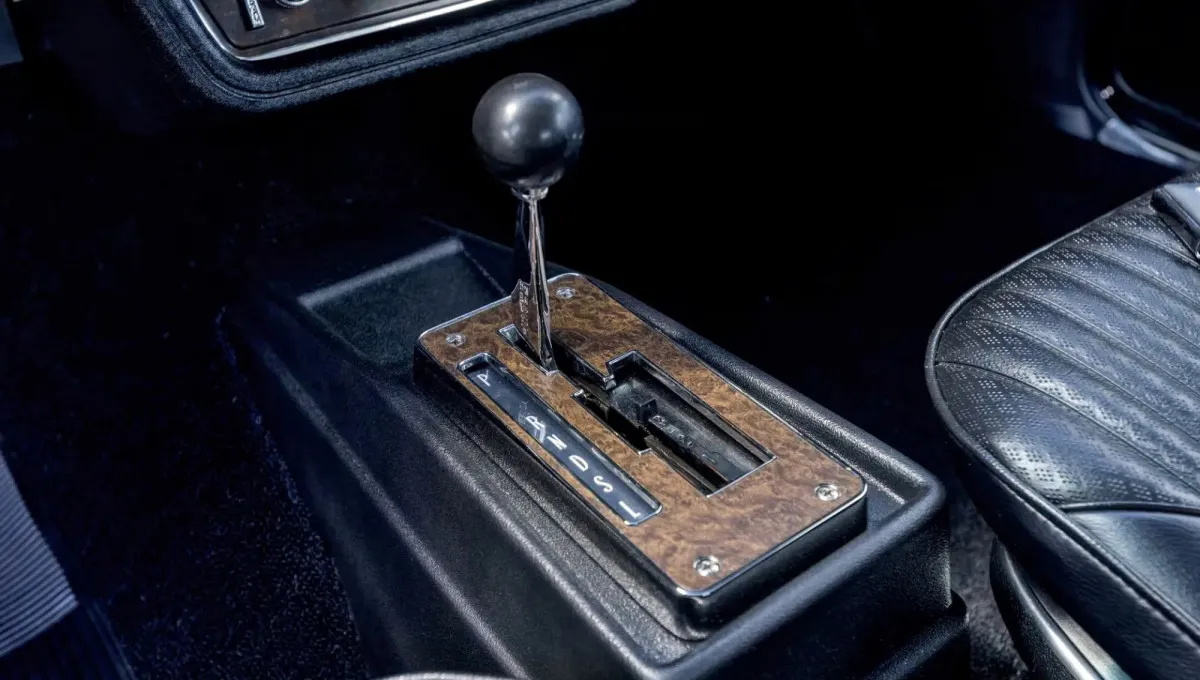
How Oldsmobile Invented a Manual Gearbox for an Automatic
Long before paddle shifters and electronic driving modes, Oldsmobile found a clever mechanical way to let drivers shift an automatic transmission themselves.
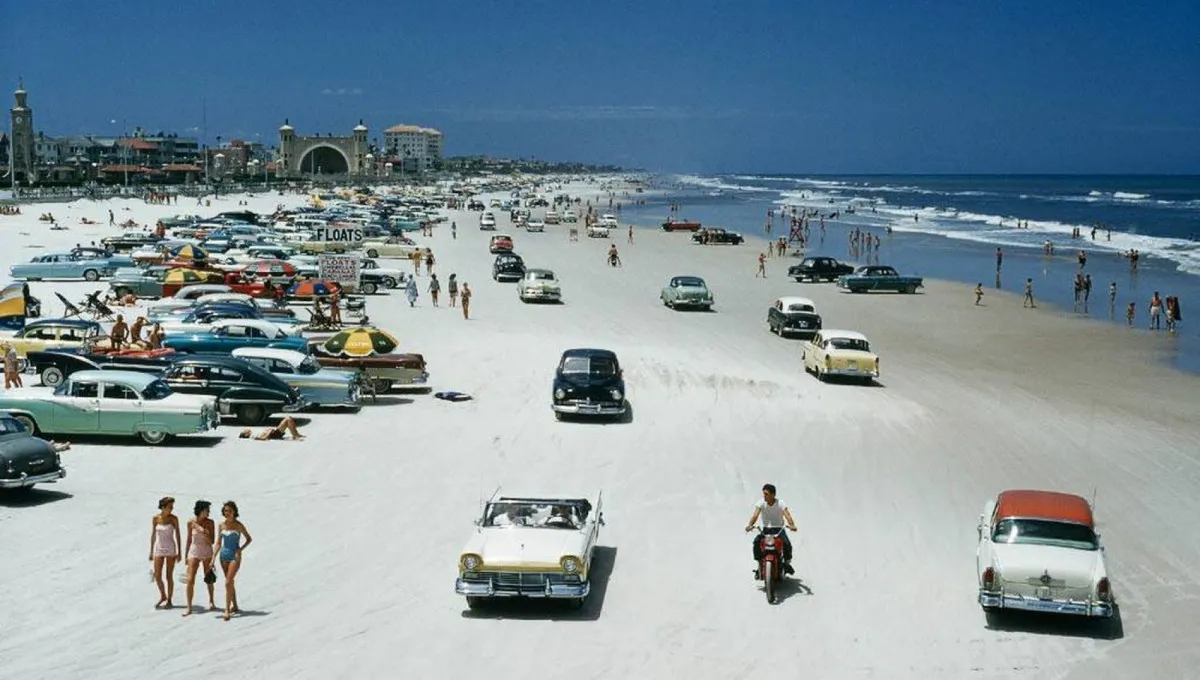
How Much Did American Cars Cost in the 1950s, and Who Could Afford Them?
American cars of the 1950s were large, powerful, and heavily chromed, but how much did they actually cost, and who could afford them?
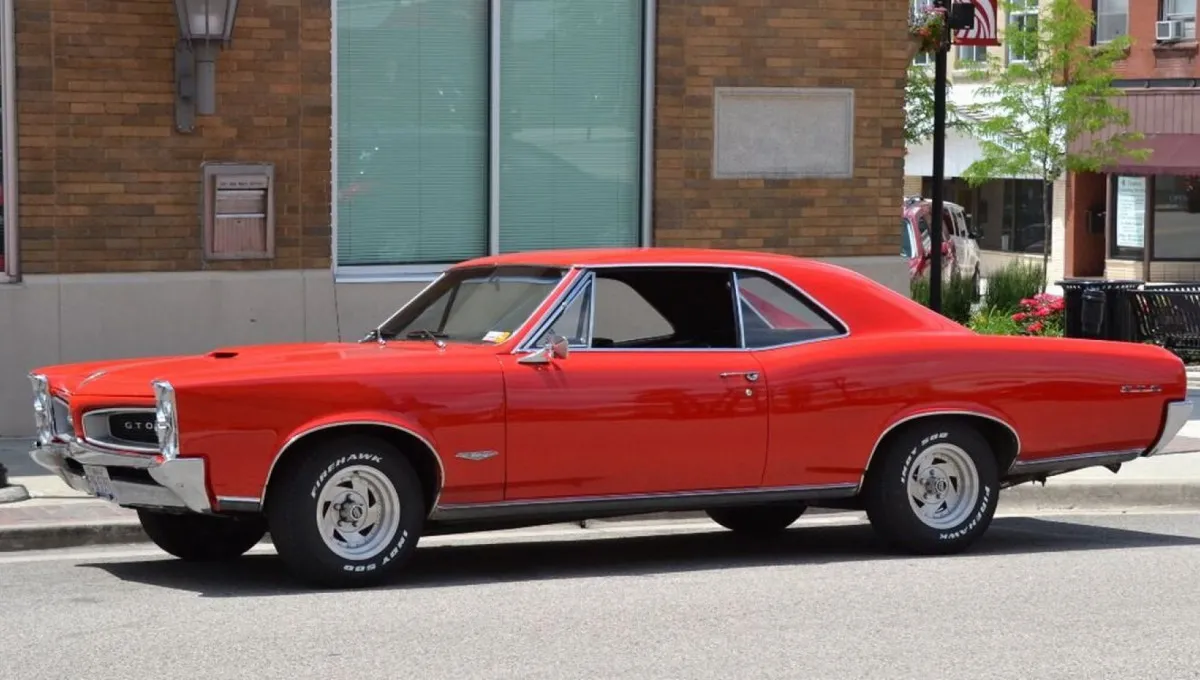
Pontiac GTO — Every American Teenager’s Dream in the 1960s
In 1964, Pontiac created a new kind of American performance car by putting a big-block V8 into the Tempest and launching the muscle car era.

The Worst Cars in the World: A History of Automotive Failures and Disappointments
The auto industry has produced countless groundbreaking models, but some cars became infamous for all the wrong reasons.