
2026 Honda CR-V vs. Toyota RAV4: Comparing the New Generation SUVs
Two of America's favorite compact SUVs enter 2026 with major updates—but which one deserves your money?
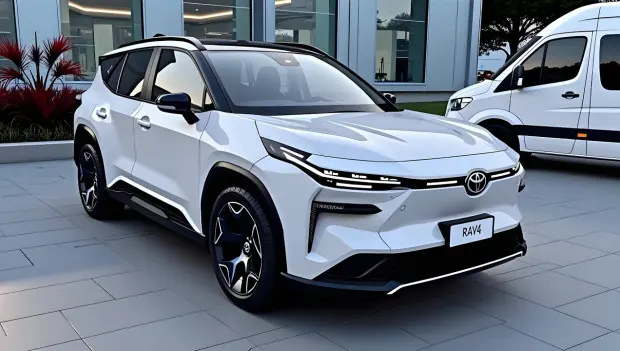
The compact SUV segment remains one of the most competitive in the industry, and for 2026, two of its biggest players have received significant updates. The latest Honda CR-V and Toyota RAV4 both bring new technology, improved features, and the reliability buyers have come to expect. Here's how they stack up against each other and what shoppers should know before making a decision.
At first glance, the two SUVs take very different approaches to design. The sixth-generation Toyota RAV4 embraces a rugged look, featuring a boxier shape and extensive black body cladding around the exterior. Besides following current styling trends, the unpainted trim is practical, helping conceal minor scratches and scuffs.
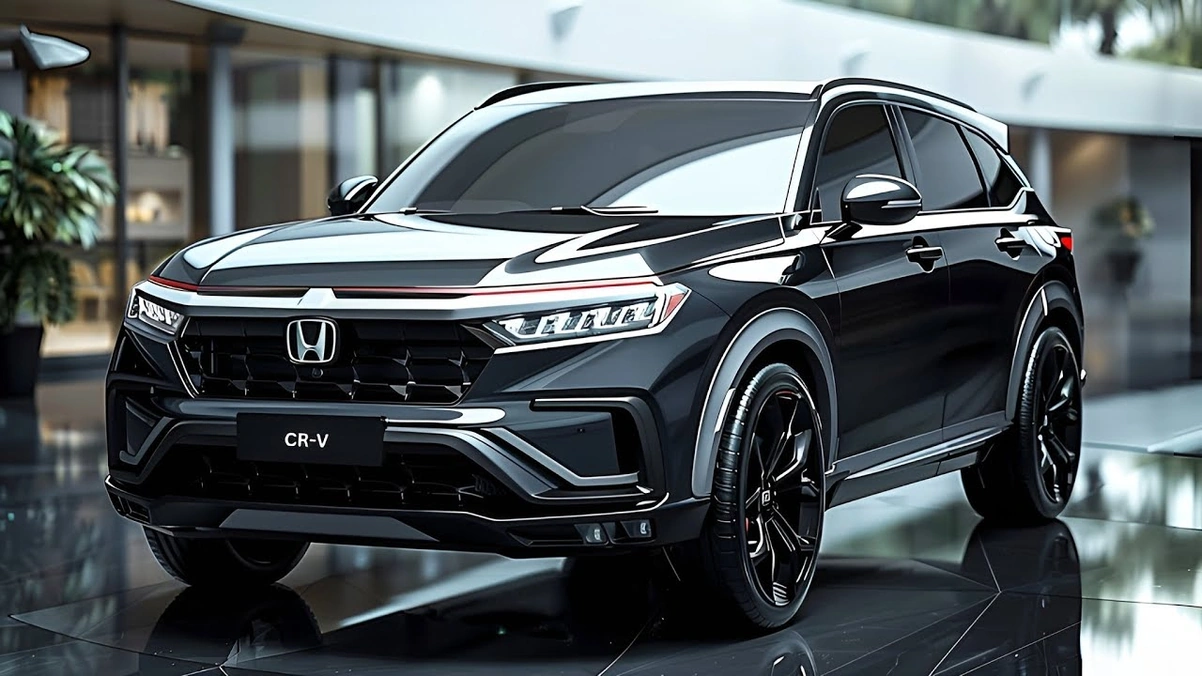
The Honda CR-V takes a more refined approach. Rather than trying to look like an off-roader, Honda's best-selling crossover emphasizes sophistication and comfort. The result is a cleaner, more urban-focused design.
Honda holds a slight advantage in overall size. The CR-V measures 184.8 inches long compared to the RAV4's 181.9 inches, while width comes in at 73.5 inches versus 73.0 inches. The Honda also rides on a slightly longer wheelbase.
That extra space is noticeable in the rear seat, where passengers enjoy more legroom. Toyota counters with a larger cargo area. The RAV4 offers up to 26.4 cubic feet of cargo space behind the second row, compared with 20.7 cubic feet in the CR-V. With the rear seats folded, the gap narrows considerably, providing roughly 59.7 cubic feet in the Toyota and 58.0 cubic feet in the Honda.
In everyday use, the RAV4 has the advantage in cargo capacity, while the CR-V offers greater flexibility and passenger comfort.
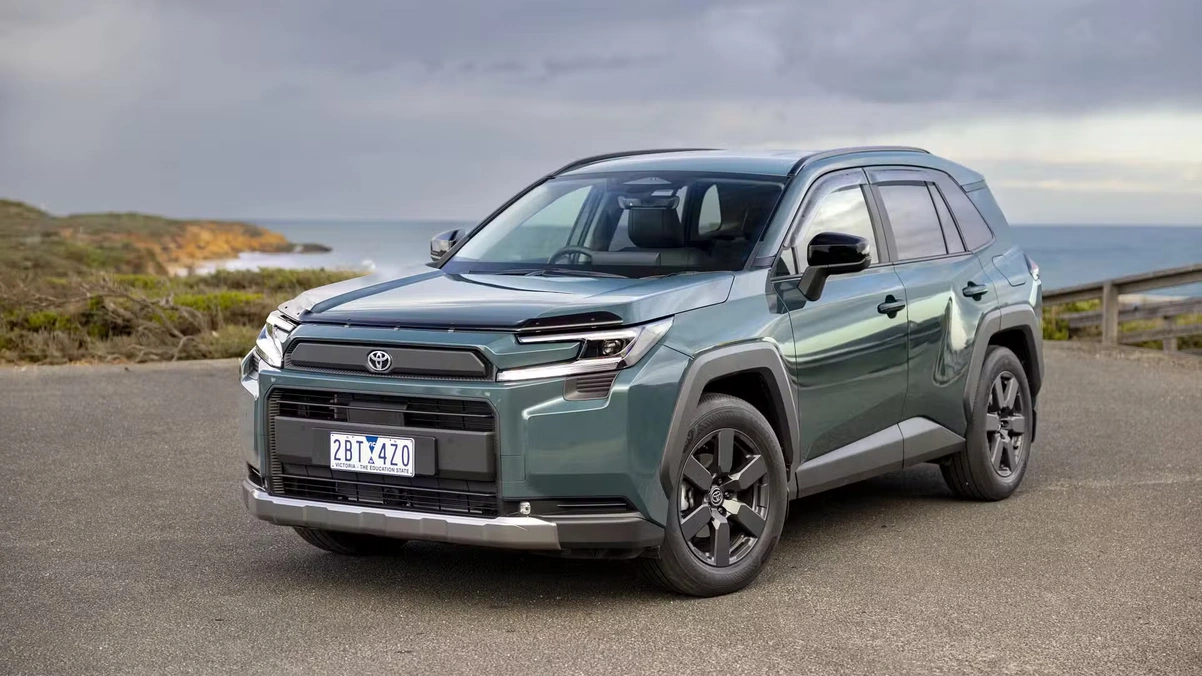
The driving position differs as well. The RAV4 places occupants higher off the ground, which appeals to buyers who prefer a more SUV-like feel and commanding visibility. The CR-V feels more car-like from behind the wheel, offering a relaxed seating position and a lighter, more agile driving experience, despite the two vehicles being similar in weight.
When it comes to reliability, both brands continue to set industry benchmarks. However, according to HotCars, the Honda CR-V was named the most reliable crossover of 2025, finishing ahead of both the Toyota RAV4 and Lexus NX.
Most CR-V models are powered by a turbocharged 1.5-liter four-cylinder producing 193 horsepower. With proper maintenance, the engine is known for exceptional longevity, while Honda's continuously variable transmission has also proven durable over time.
The RAV4 typically relies on a naturally aspirated 2.0-liter engine producing 171 horsepower. Its simpler design appeals to buyers who prioritize long-term durability and fewer mechanical complexities.
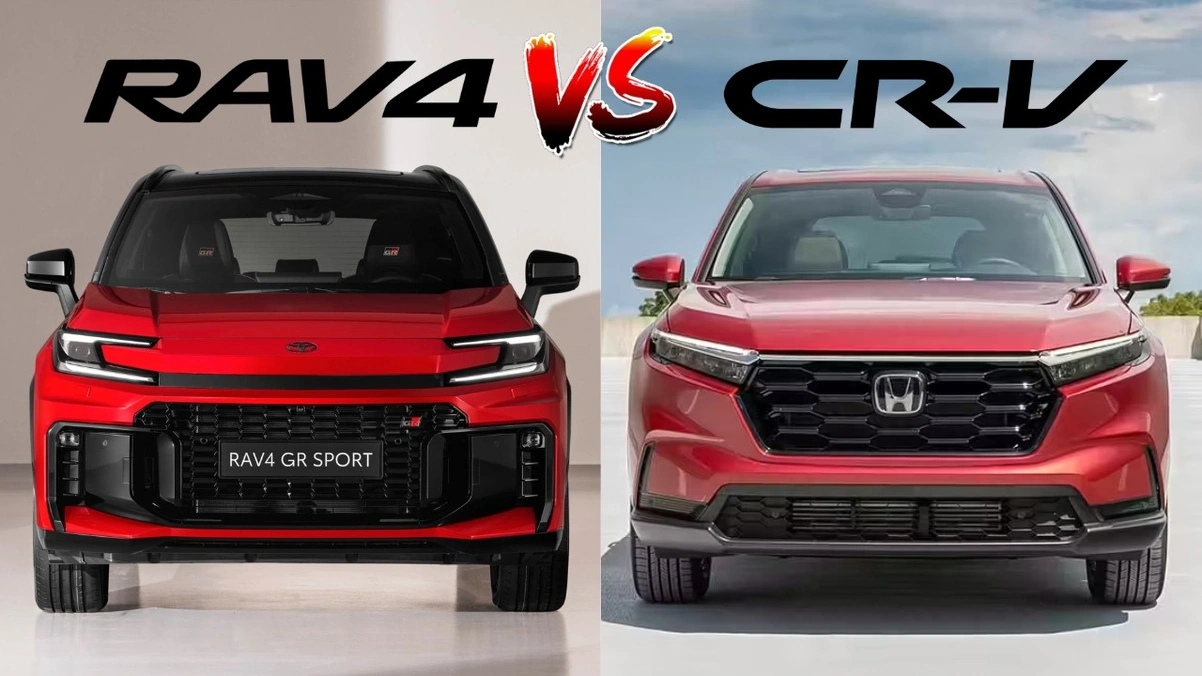
Inside, Toyota has taken a significant leap forward in technology. The new RAV4 features a massive 15.6-inch infotainment display, a fully digital instrument cluster, a 360-degree camera system, and an advanced adaptive cruise control system. The downside is that many traditional physical controls have been replaced by touchscreen functions, which may not appeal to every driver.
Honda's interior is more conservative. The touchscreen is smaller, and the overall design is simpler, but the CR-V retains physical buttons and knobs for climate and audio controls. Standard equipment includes the Honda Sensing safety suite, a rearview camera, and wireless smartphone charging.
Ultimately, choosing between these two SUVs often comes down to priorities.
The RAV4 appeals to buyers who value practicality, strong resale value, and a proven formula. It feels like a tool designed to handle everyday life with minimal fuss.
The CR-V, meanwhile, tends to attract drivers who place a higher priority on comfort, refinement, and driving enjoyment. For many shoppers, those qualities outweigh the slightly smaller cargo area.
In the end, the Honda CR-V is an excellent choice for buyers seeking comfort, a modern driving experience, and strong performance. The Toyota RAV4 remains the go-to option for those who prioritize practicality, higher ground clearance, and maximum cargo capacity.
Despite rising prices and increasing technological complexity, both SUVs continue to rank among the smartest and most dependable purchases in today's market. The choice ultimately comes down to whether you value comfort or utility—and there's no wrong answer.
You may also be interested in the news:
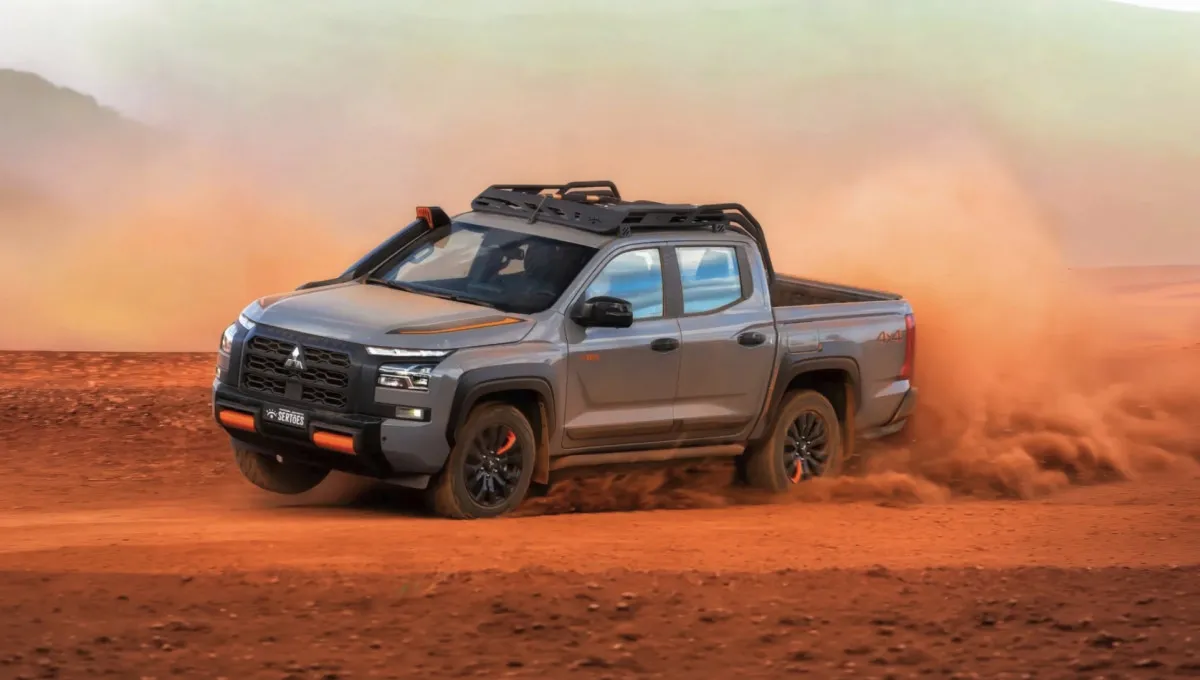
Honda Could Launch a Mitsubishi-Based Midsize Pickup in 2028
Honda could enter the midsize pickup market with a rebadged Mitsubishi Triton, expanding its Southeast Asian lineup as early as 2028.
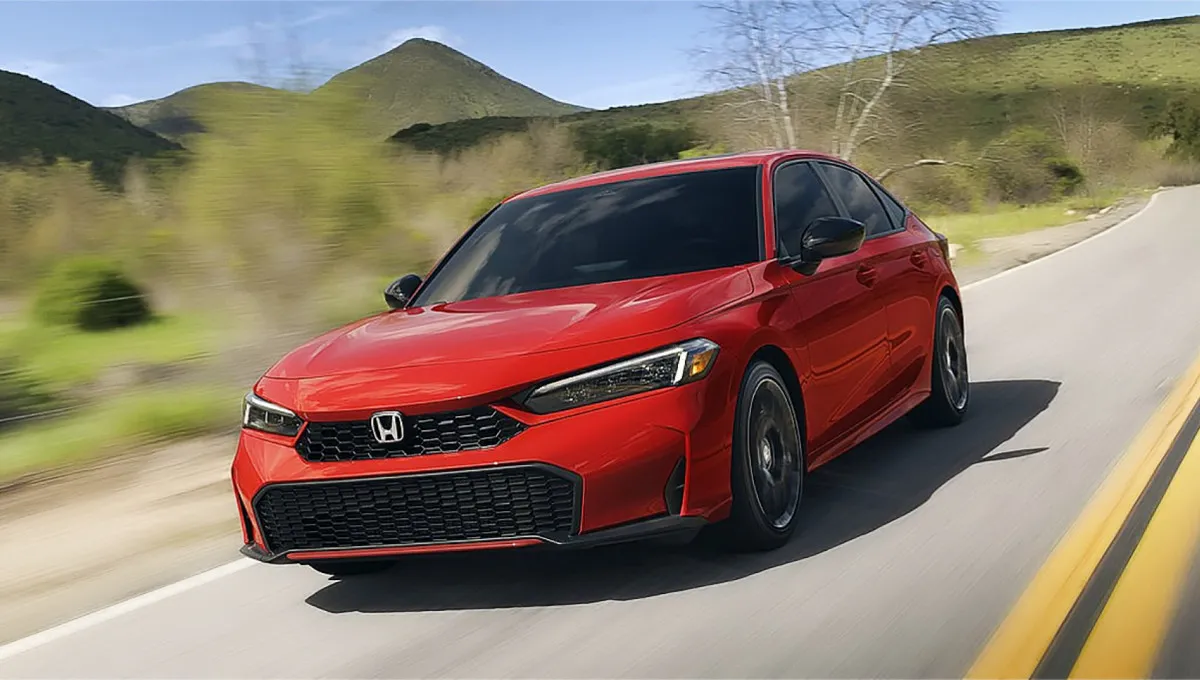
The 2027 Honda Civic Just Got More Premium — And It Still Starts Under $27,000
Honda has updated the Civic for the U.S. market, adding premium features and new driving technology without significantly raising prices.
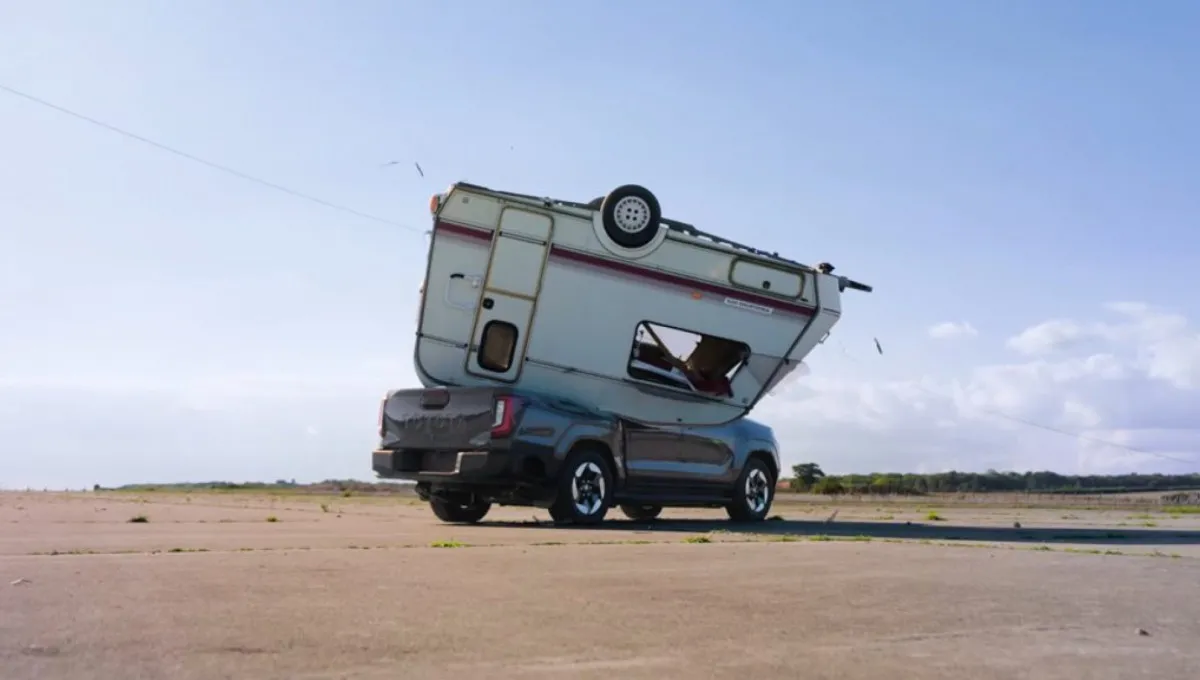
Toyota Hilux BEV Gets Hit With a Falling Camper in a Top Gear-Inspired Test
Toyota's UK team recreated a famous Top Gear-style stunt by dropping a camper onto its new all-electric Hilux pickup.

Honda K-Series Engines Can Go Past 300,000 Miles — Here's Why They're So Reliable
How long can a Honda K-series engine last, and what makes this family of Japanese engines so durable?
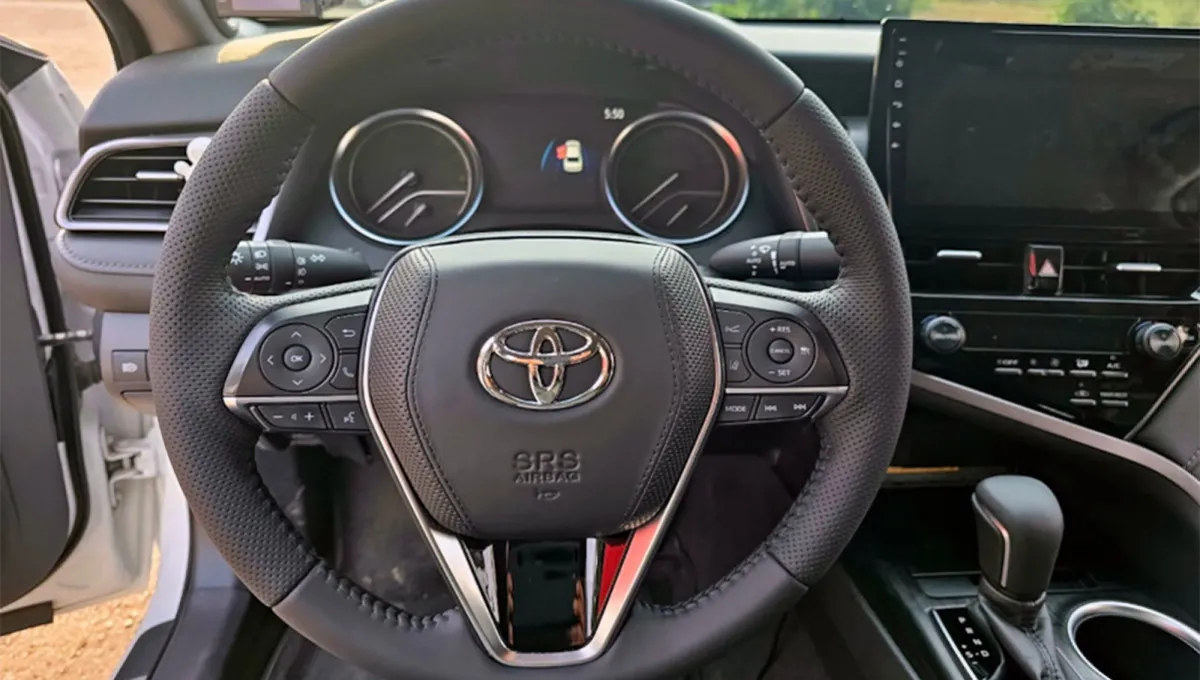
Toyota Is About to Turn the GR86 Into a Very Different Sports Car
Next-generation Toyota GR86 is expected to replace its naturally aspirated engine with a turbocharged powertrain.