
Auto Shop Experts Explain How Hydrogen Peroxide Can Help Remove Interior Stains — and Why It Comes With a Catch
A common household antiseptic can remove stubborn upholstery stains, but the results may come with a costly downside.
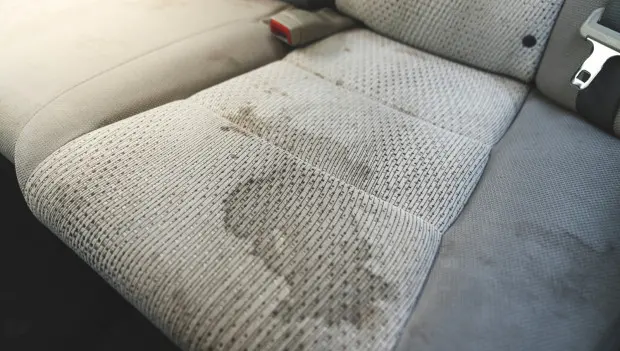
With countless detailing products and specialized cleaners available today, it may seem unnecessary to rely on old-fashioned household remedies. Yet experienced drivers have long known that some simple solutions can deliver impressive results while saving money.
One unconventional trick involves hydrogen peroxide. Most people know it as a common antiseptic used to disinfect cuts and minor wounds. However, resourceful car owners have discovered another use for the liquid: removing stubborn stains from vehicle upholstery.
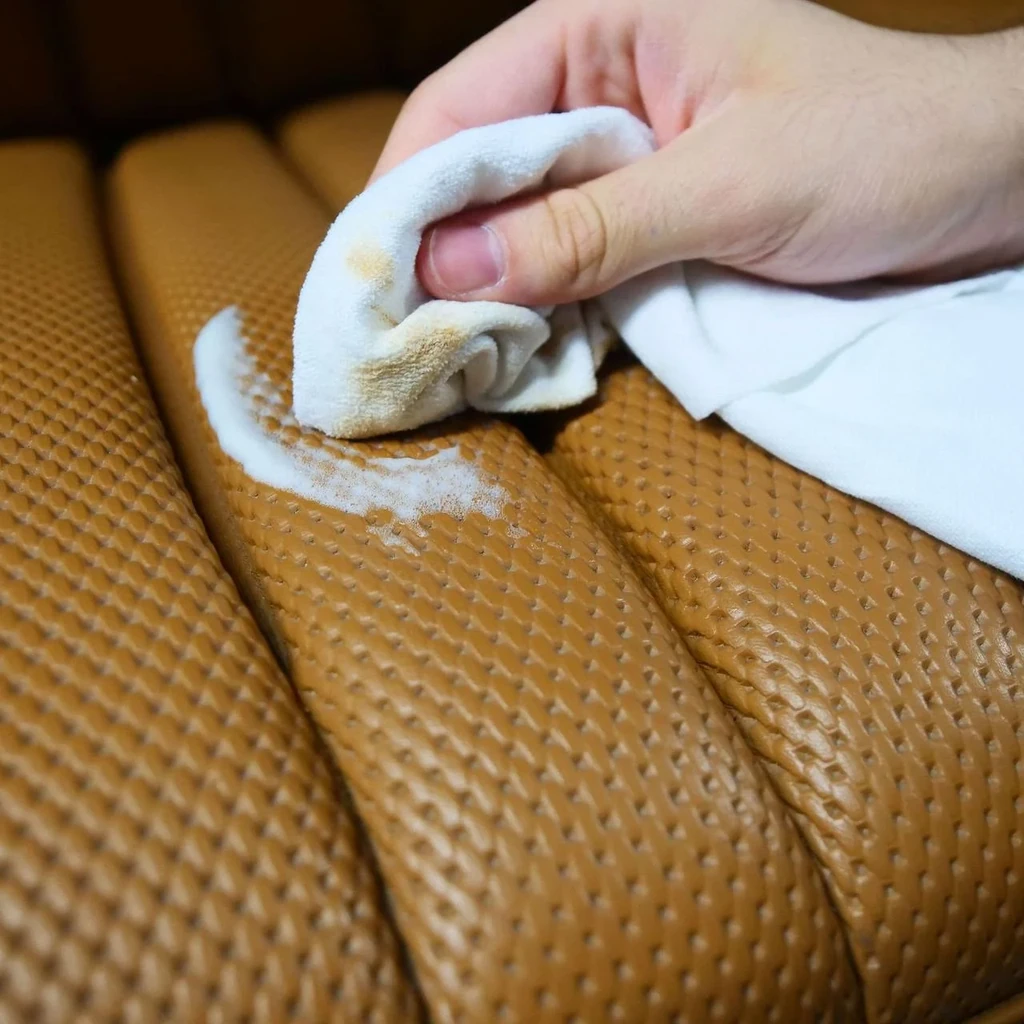
Almost every driver has experienced spilled coffee, tea, cigarette ash, or other debris ending up on seats or interior trim. In many cases, the mess cannot be cleaned immediately, leaving behind a stain that detracts from the cabin's appearance. Professional detailing is one solution, but some owners prefer to tackle the problem themselves.
Even removing a single stain can take time. Dedicated upholstery cleaners are widely available, but some enthusiasts have turned to hydrogen peroxide as an alternative. The process is simple: apply a few drops directly to the affected area.
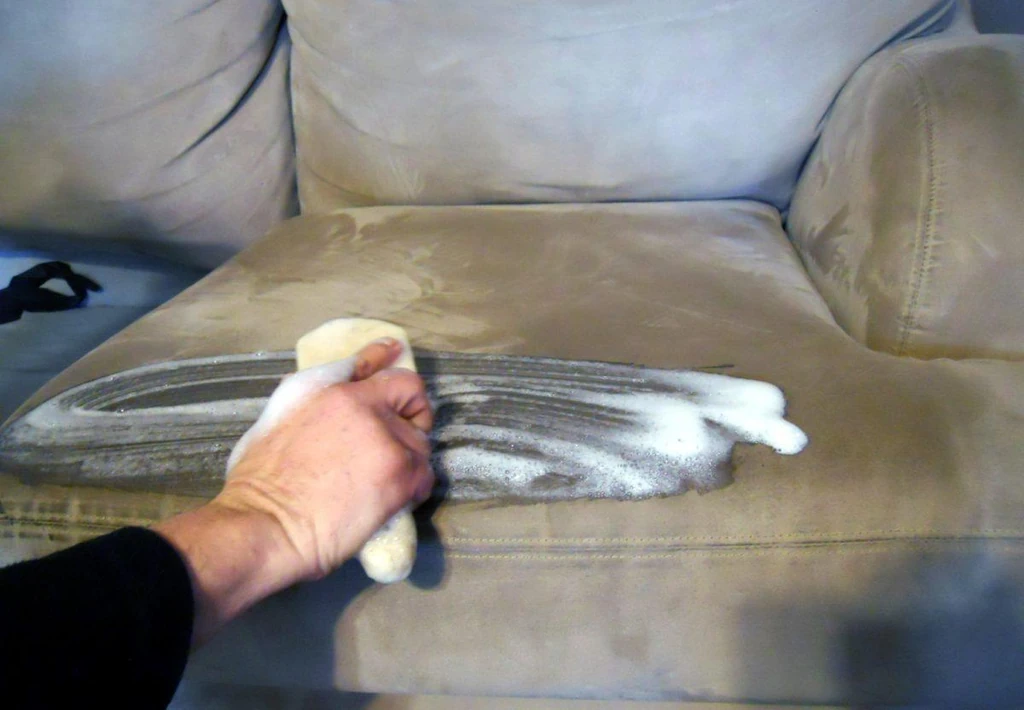
The liquid reacts with the contamination and is then dried using a standard hair dryer. After the surface is thoroughly dried, the stain may disappear completely. However, there is one major drawback that owners should understand before trying this method.
Hydrogen peroxide can bleach fabrics and other materials. Treated areas often become lighter than the surrounding surface, creating a noticeable color mismatch. This side effect is especially important to consider before applying the solution to leather or dark-colored upholstery.
For that reason, experienced technicians recommend using hydrogen peroxide only on light-colored fabric interiors, where any discoloration is less noticeable. They also advise testing the solution first on a separate piece of material similar to the seat upholstery. Practicing beforehand can help prevent irreversible damage.
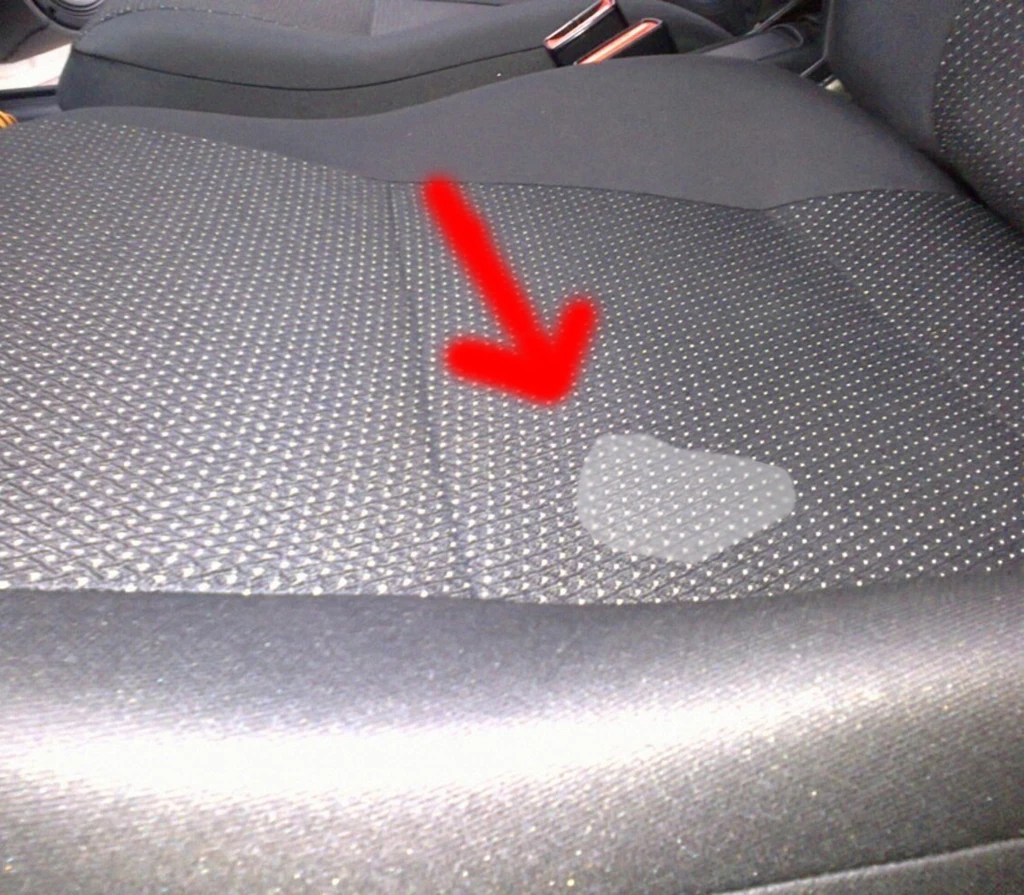
If the results are disappointing or if there is any uncertainty, professional detailing services remain the safest option.
While hydrogen peroxide may help remove deeply embedded dirt and stubborn stains, any fading or discoloration left behind on fabric or leather seats is permanent. Drivers should be cautious when following cleaning tips found online, as many social media creators and YouTube bloggers rarely mention this important drawback.
You may also be interested in the news:
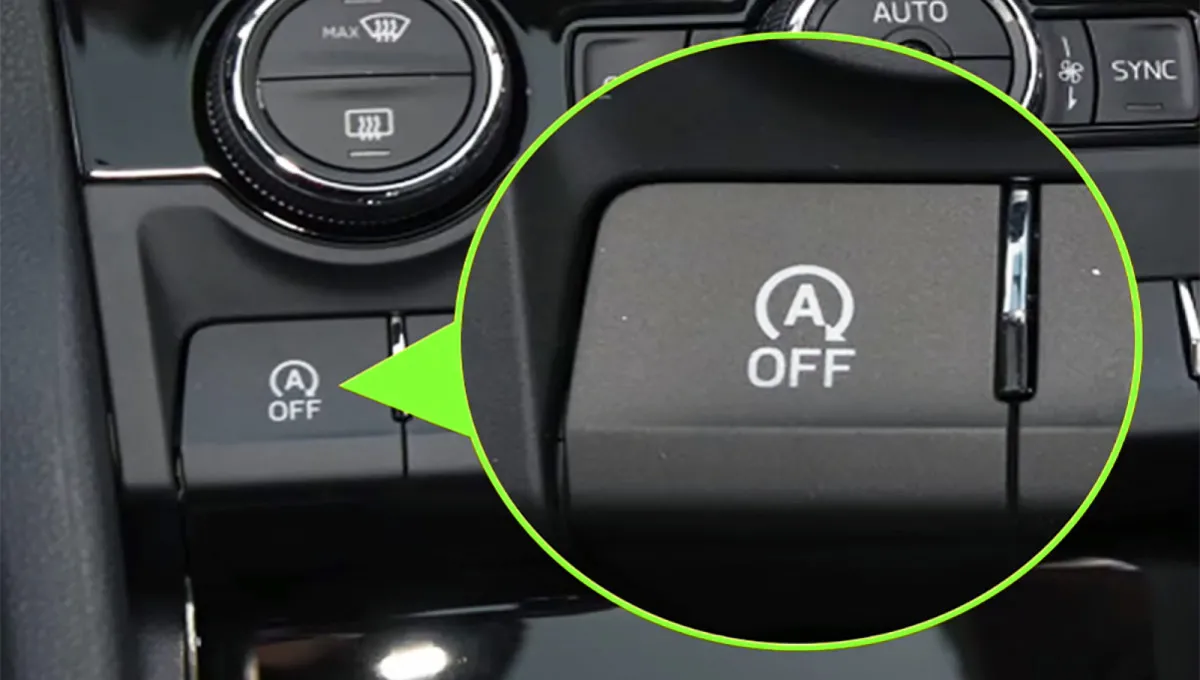
Start/Stop Systems Are Everywhere — But Are They Really Saving You Gas or Wearing Out Your Engine?
Does start-stop technology really save fuel, and does it put extra wear on the engine? Here’s what drivers need to know.
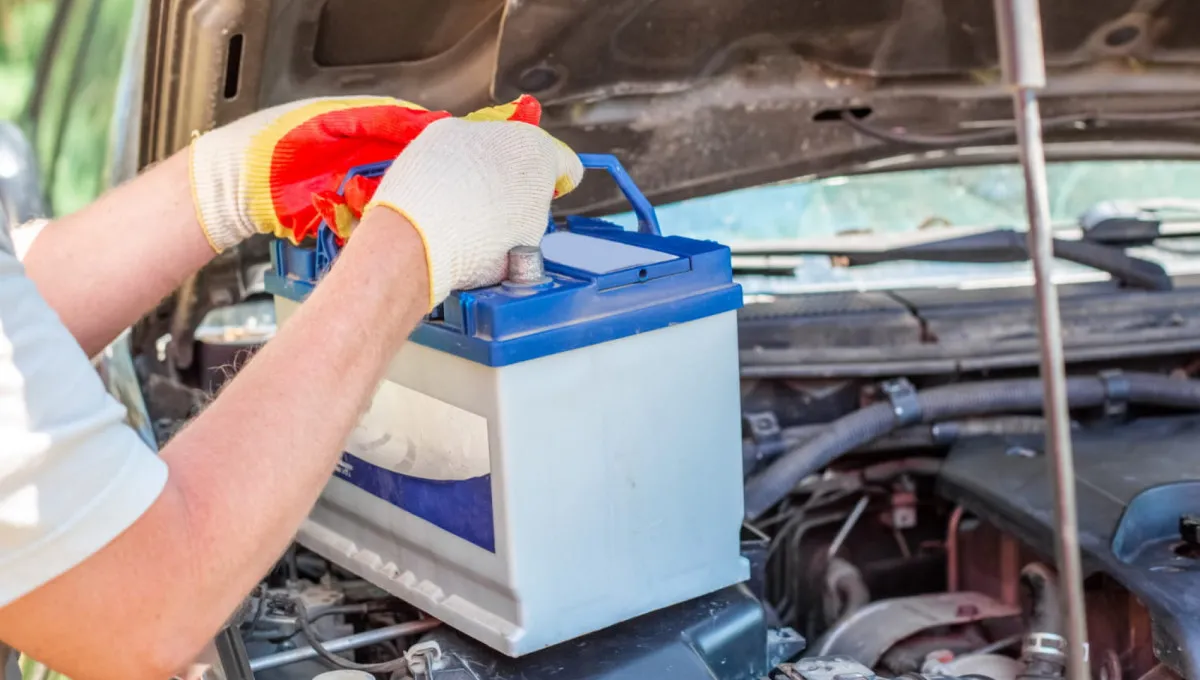
3 Signs Your Car Battery Is About to Die — And the Warning Signs Drivers Often Miss
A failing car battery rarely dies without warning, and these three signs can give drivers time to act before getting stranded.
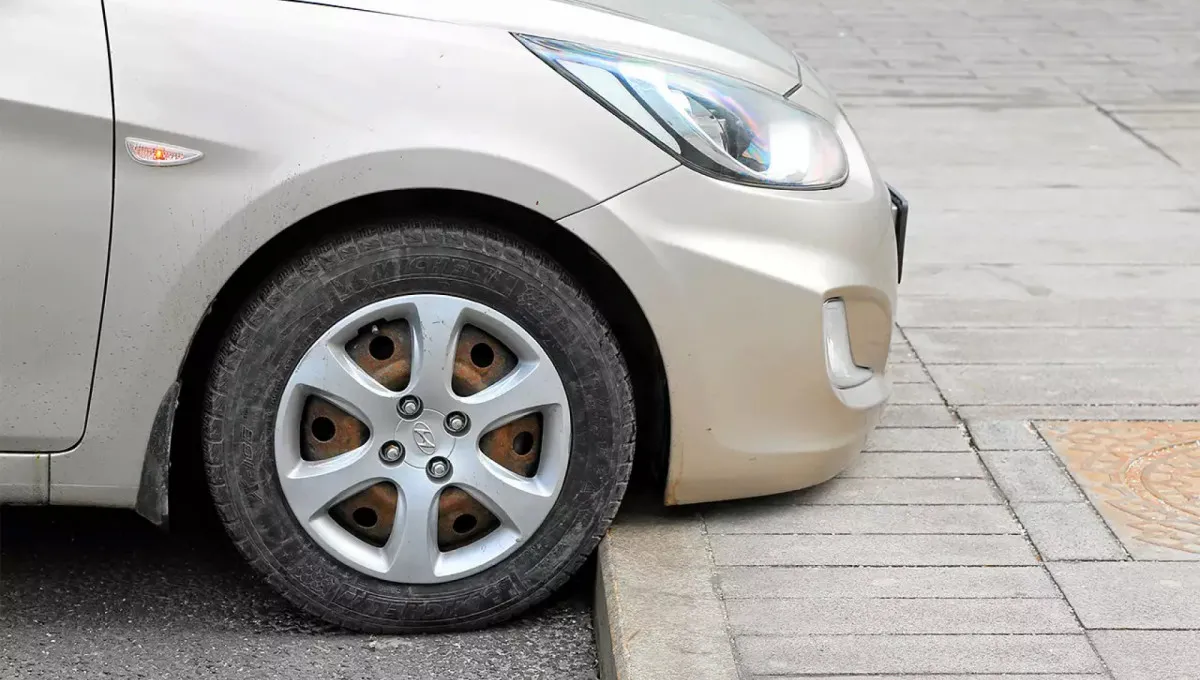
How to Park Close to a Curb Without Scratching Your Bumper: The Two-Mirror Method
How to Park Close to a Curb Without Scratching Your Bumper: The Simple Mirror Trick
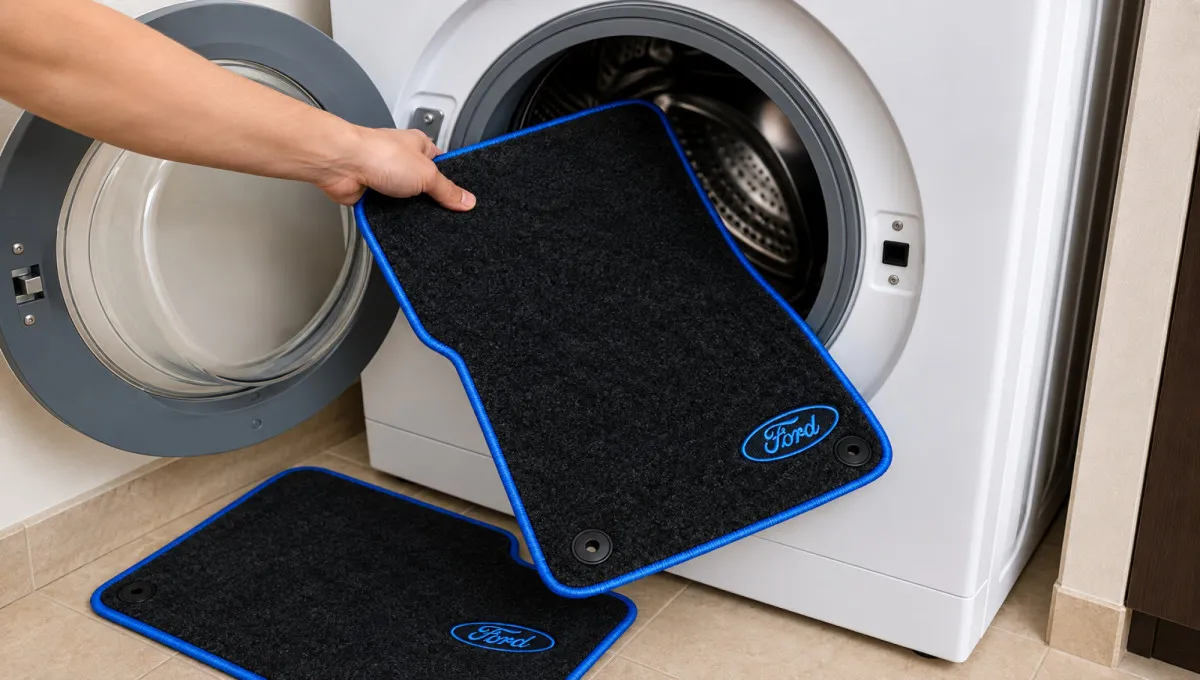
Can You Wash Car Floor Mats in a Washing Machine? Experts Have the Answer
Think Twice Before Washing Your Car Floor Mats in the Washing Machine, Experts Warn.
Your Brakes Squeal Every Morning? Here’s When That Noise Is Normal—and When It Could Mean Trouble
That sharp brake squeal first thing in the morning is often harmless—but persistent noise can point to worn or damaged brake components.