
Many Hyundai and Kia Theta II engines fail earlier than expected
Popular Korean engines may be hiding unexpected issues that can lead to costly repairs.
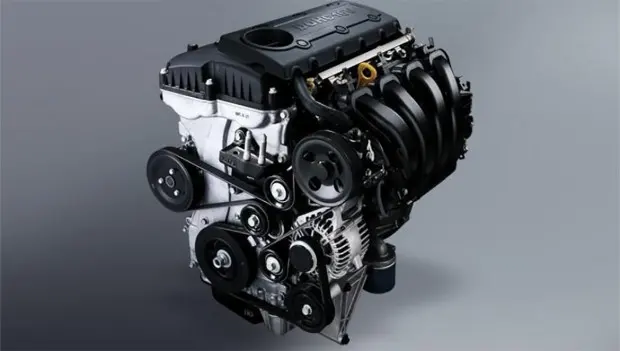
Many drivers are unaware of the hidden risks. Powertrain problems can appear without warning. Repairs are often expensive. It's important to know what to watch for.
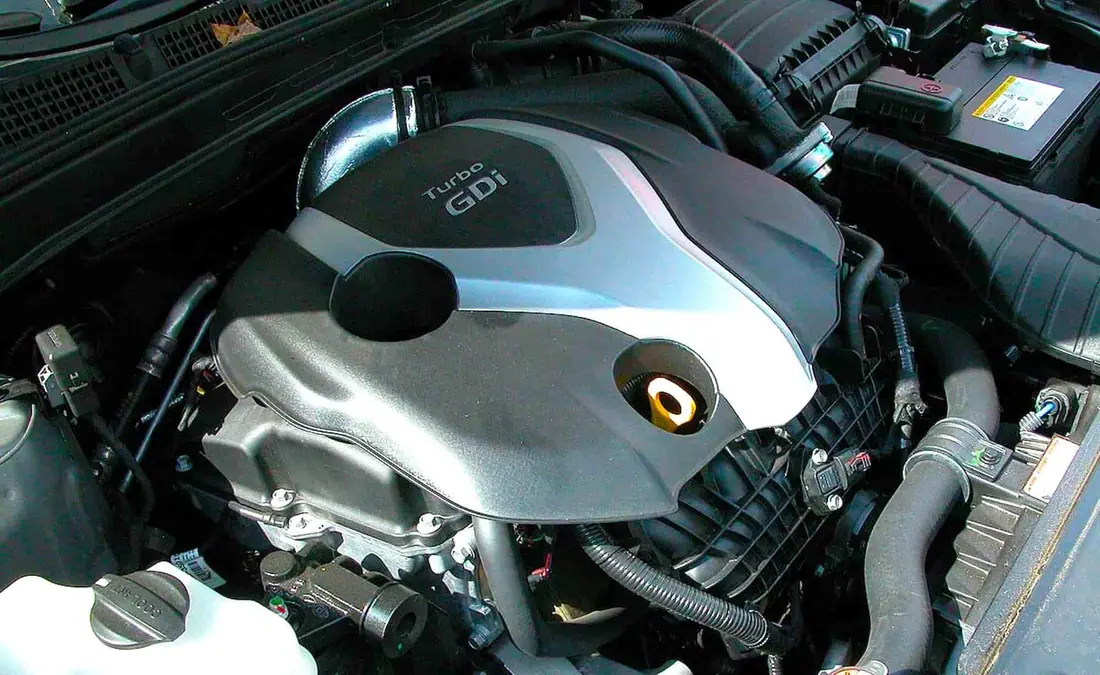
Used Hyundai and Kia vehicles equipped with Theta II engines remain widely available on the used-car market. These naturally aspirated engines were installed in many of the brands' most popular models, making their design familiar to both owners and repair shops. However, long-term ownership has shown that these engines rarely deliver a trouble-free experience.
The biggest concerns are not minor issues that can be fixed quickly. In some cases, the engine can be rebuilt, but such repairs require significant time and expense. If the damage is severe, owners may have to replace the entire engine, leaving the vehicle in the repair shop for weeks.
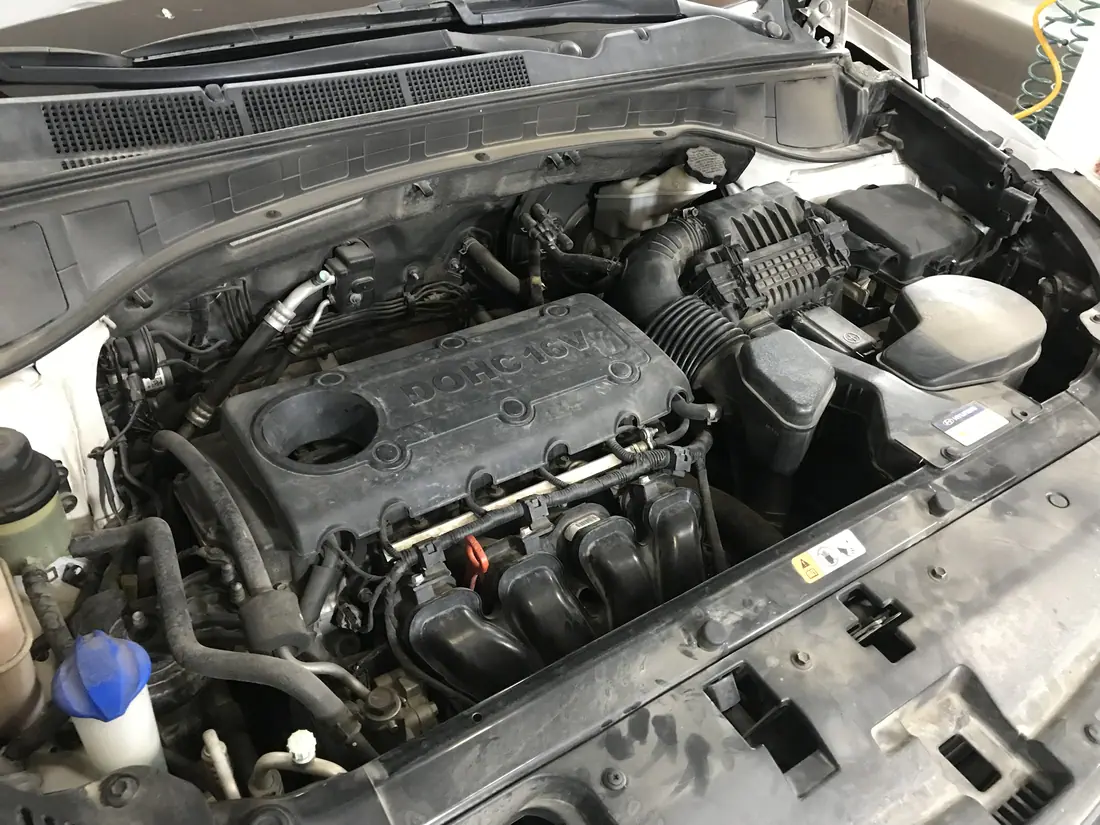
The problems most often affect the 2.0-liter and 2.4-liter engines. Hyundai used them in the Sonata, Tucson, Elantra, and i30, while Kia installed them in the Optima, Sportage, Cerato, Ceed, and Soul. Some Genesis models were also equipped with similar engines.
The reputation of these engines has long extended beyond discussions at repair shops. Journalists at Jalopnik have called them among the least reliable modern gasoline engines. The first warning signs can appear after just 43,500 to 49,700 miles, even with regular maintenance. Over time, it became clear that the root cause was not limited to oil quality or driving style, as the same failures occurred regardless of operating conditions.
Many experts attribute the premature wear to design features. These engines do not have dedicated oil jets to cool the pistons, causing them to operate under higher thermal stress. The catalytic converter also presents an additional risk. In most vehicles, its ceramic core begins to deteriorate prematurely. Small ceramic particles then enter the cylinders, leaving deep scratches on the cylinder walls.
Drivers typically notice reduced performance first. Then the engine begins consuming oil and losing power. The issue became especially widespread during the popularity of the third-generation Kia Sportage. At that time, many owners removed the catalytic converter as a preventive measure to keep ceramic debris out of the engine, even before any obvious signs of failure appeared.
In the United States, the number of complaints grew so large that the manufacturers had to launch extensive service campaigns. Hyundai and Kia replaced damaged components, covered repair costs, and paid compensation, spending billions of dollars in the process. In other markets, however, many owners were left to deal with the problem on their own, with repair costs falling entirely on vehicle owners.
You may also be interested in the news:
Hyundai Santa Fe Facelift Revealed in Unofficial Renderings
Hyundai is preparing a major update for the fifth-generation Santa Fe, with styling and powertrain changes reportedly on the way.
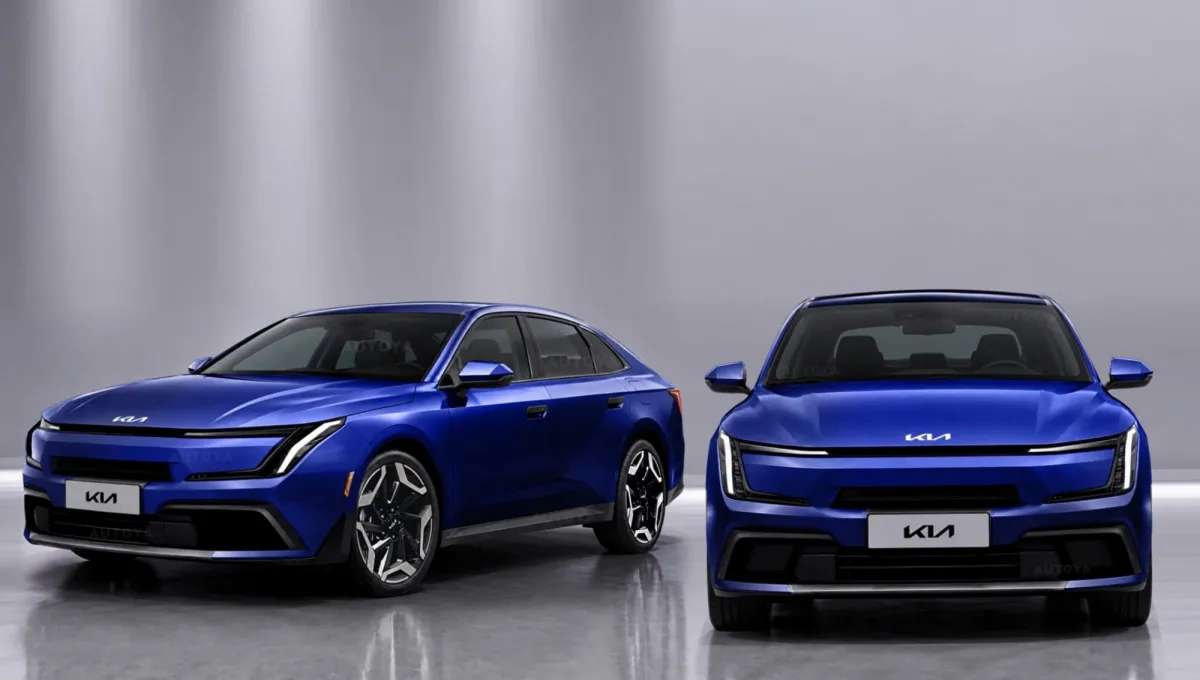
Next-Generation Kia K5 Revealed Early in Unofficial Renderings
Speculative renderings offer an early look at what the next Kia K5 sedan could look like when it arrives later this decade.
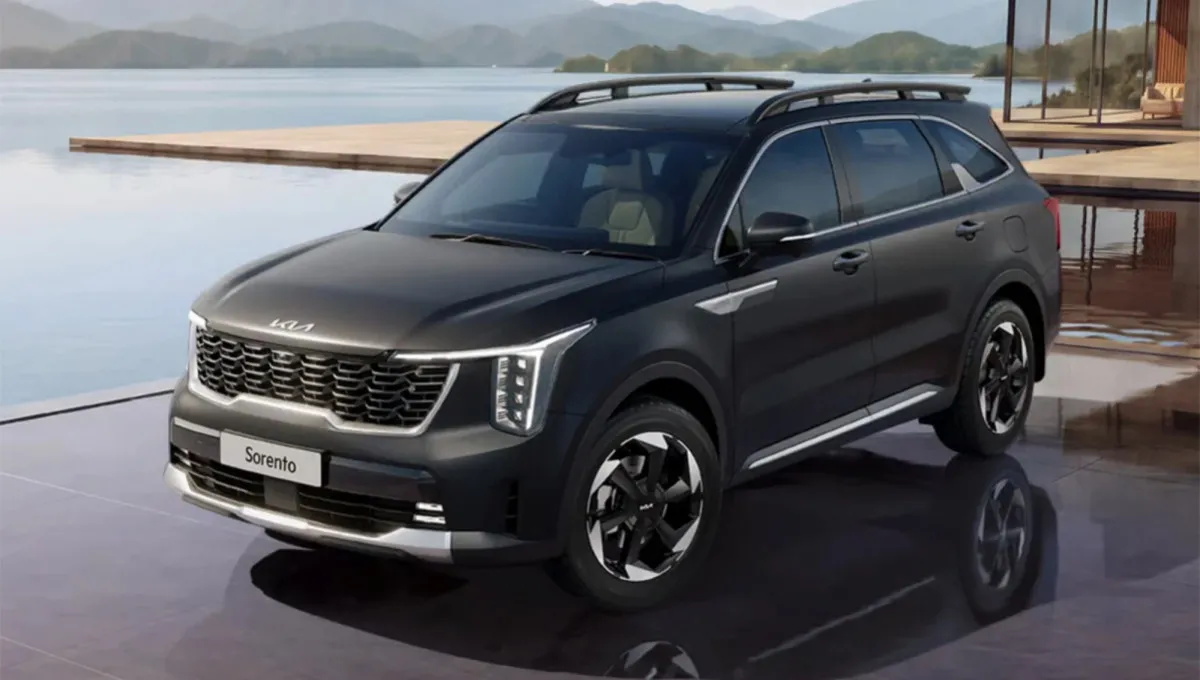
Kia Reveals First Production Sorento Hybrid SUV, With AWD and Pricing Due September 4
The 2026 Kia Sorento gets Carnival-inspired headlights and will launch with hybrid and diesel powertrains in India.
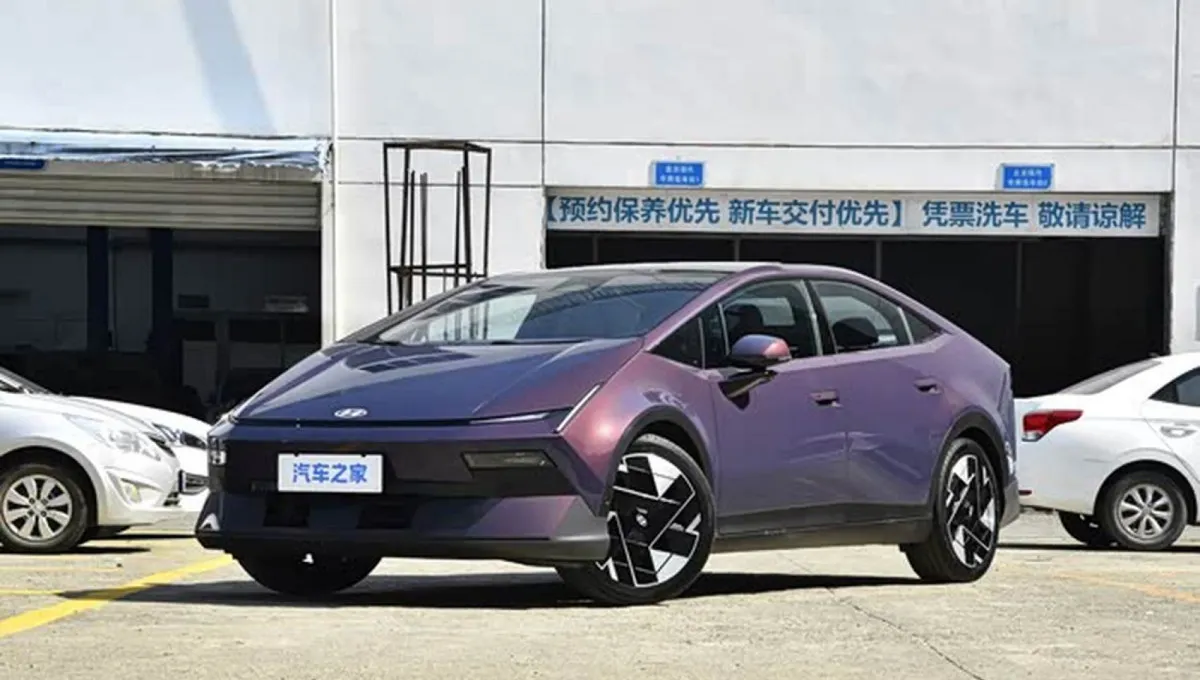
HYUNDAI UNVEILS NEW PREMIUM EV BRAND: NEW MODEL CAN TRAVEL UP TO 404 MILES ON A CHARGE
The IONIQ V from the new Beijing Hyundai brand will debut at the Chengdu Motor Show, with presales set to begin there.
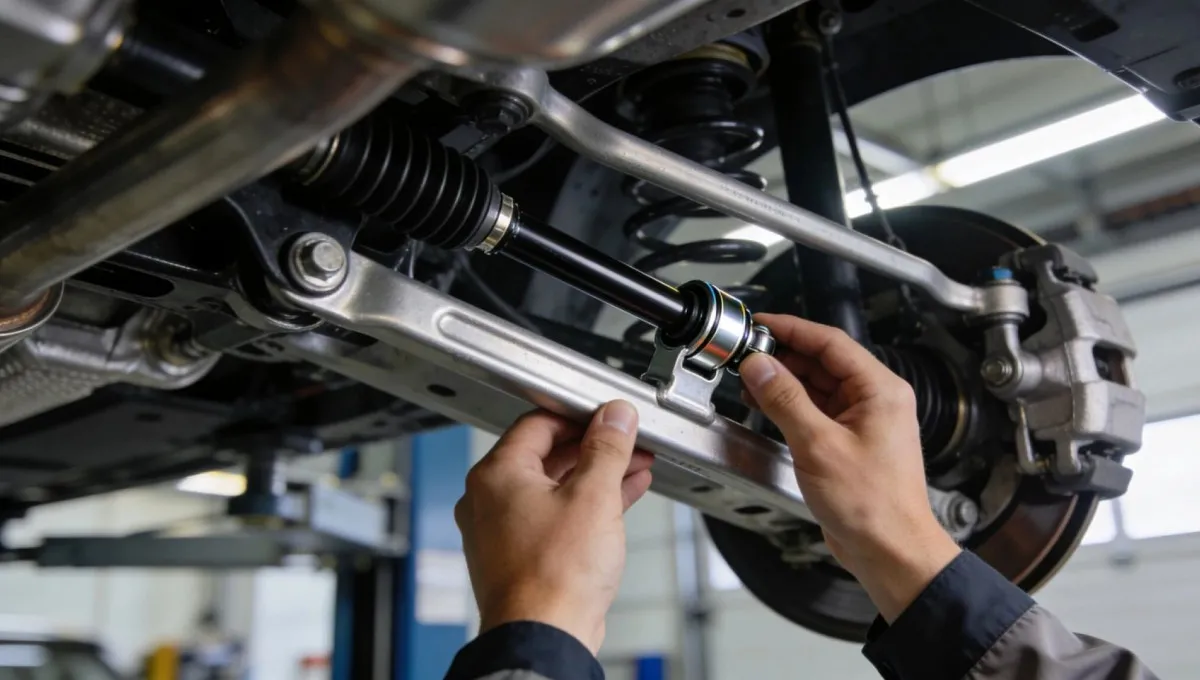
Hyundai Patents a New Split Anti-Roll Bar
Hyundai has filed a patent for a split anti-roll bar made up of two sections connected by a spring-loaded center shaft.