
American Engines: The Legendary HEMI
To the average person with no interest in cars, HEMI is nothing more than four letters of the Latin alphabet.
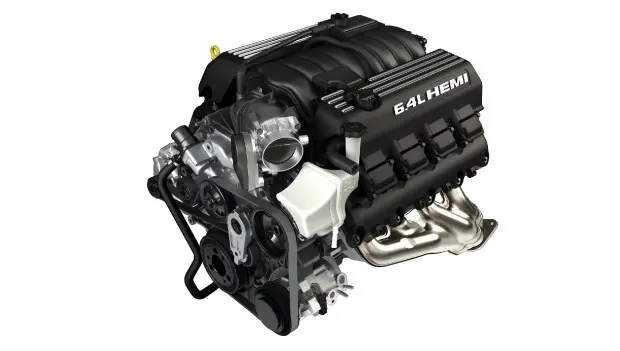
For the average person with no interest in cars, HEMI is nothing more than four letters of the Latin alphabet. Real car enthusiasts, however, certainly know that the name refers to the legendary American engines developed and used by Chrysler. These huge machines that convert fuel into torque have always been associated with strength, power, and speed. That's what we'll be talking about today...
The name HEMI comes from the English word hemispherical. Chrysler uses the term for its powerful engines with combustion chambers of a similar shape, which first appeared more than half a century ago. This design made it possible to achieve a significant increase in power compared with the engines of the time, which had cylinders with flat-topped combustion chambers. The new chamber shape allowed the intake and exhaust valves to be positioned on different planes directly above the piston, making it possible to increase the size of the valves themselves.
The result was a more efficient combustion process and greater power output. But there were drawbacks. The more complex cylinder-head design made the engine more expensive to manufacture. In addition, such an engine was far from lightweight and had high fuel consumption.
It is no secret that many automotive technologies came to us from the air, quite literally. At the time, all the most advanced developments were primarily aimed at the defense industry, a major part of which was military aviation. The Hemi engine was no exception.
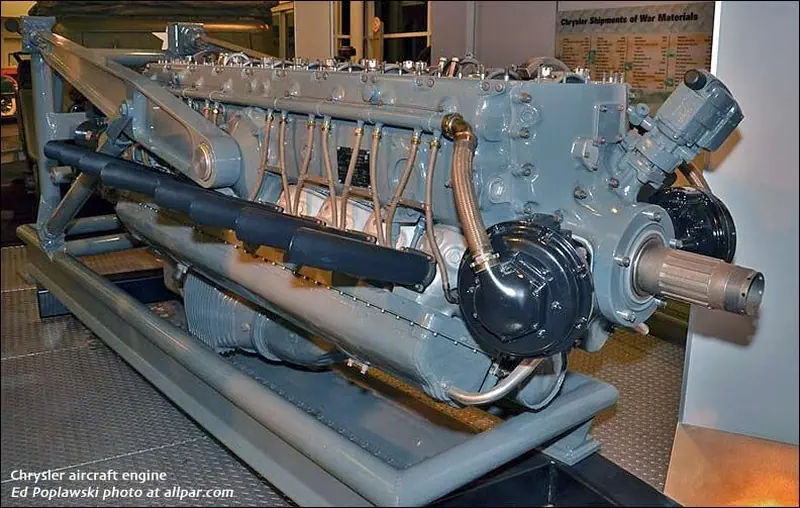
Chrysler first developed this type of engine during World War II for the Republic P-47 Thunderbolt fighter. The engine, designated XIV-2220, was a massive 16-cylinder unit with an inverted V configuration. It produced a substantial 2,500 horsepower. The engine was intended for an upgraded version of the aircraft, which at the time was equipped with a 2,300-hp Pratt & Whitney engine. Its maximum speed was 439 mph at an altitude of 15,000 feet.
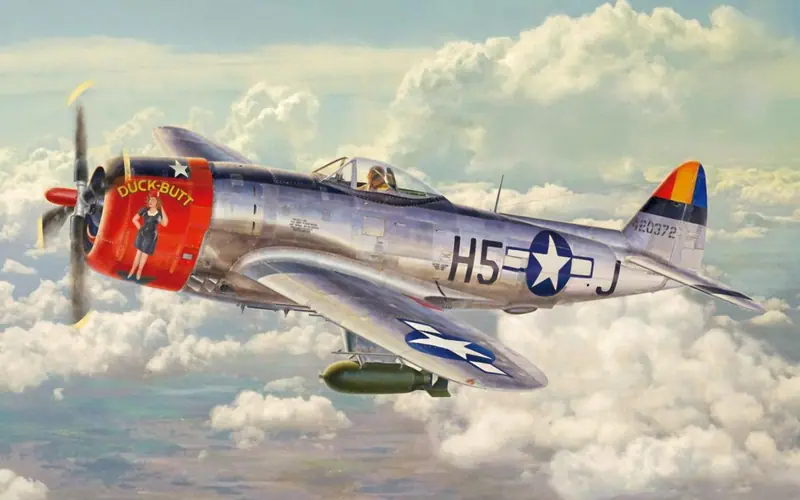
During testing, the fighter equipped with Chrysler's V16 engine broke the 500-mph barrier, which was more than impressive for an aircraft powered by an internal-combustion engine. However, the war ended, and the engine never entered mass production. The experience gained from building such powerplants, however, became fundamental to Chrysler.
It is difficult to say with certainty when hemispherical-combustion-chamber engines were first used in production automobiles.
Chrysler proudly takes credit for the achievement, but that isn't actually the case. According to one version, the first such six-cylinder engine was developed in 1948 by a group of engineers led by Harry Westlake specifically for Jaguar. There were also numerous other European automakers using similar engines.
It was not until several years later, in 1951, that Chrysler, drawing on its aviation experience, introduced similar engines under the hoods of its cars. The first was a V8, 5.4-liter engine producing 180 horsepower. Its displacement, when converted from metric to American units, was 331 cubic inches, hence the name that later appeared: 331 HEMI. It was a technological and historical breakthrough for American motorists, even though the early versions of the engine did not actually carry the HEMI designation, despite the fact that practically every Chrysler division had an engine with this type of cylinder head in its lineup.
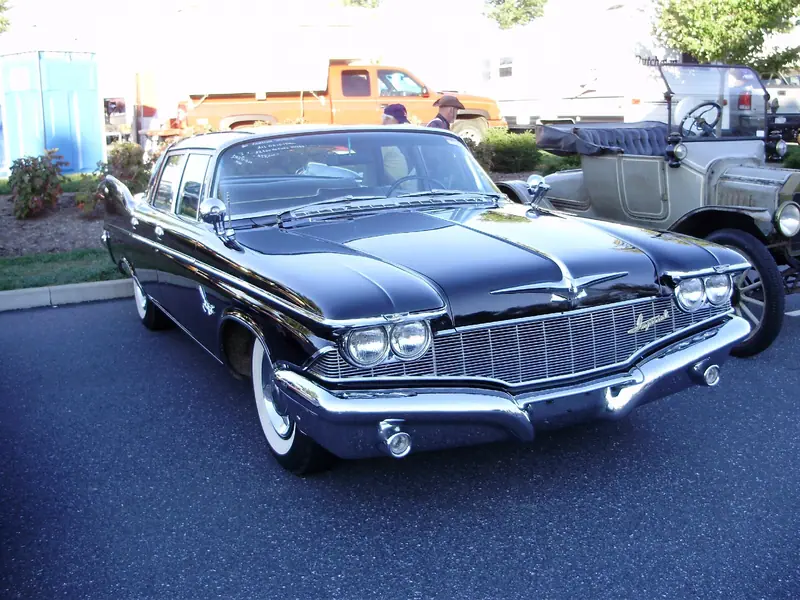
For Chrysler and Imperial cars, the engine was called FirePower. In DeSoto models, it was known as FireDome. Dodge had a less powerful version called RedRam, while Plymouth was the only division without an engine featuring hemispherical combustion chambers. That situation was corrected only in the early 1960s. Thus, Chrysler engines with hemispherical combustion chambers produced from 1951 through 1958 are generally considered first-generation engines.
As was customary, all the latest automotive technologies underwent extensive testing in various racing series. HEMI was no exception. American racing driver and automotive engineer Briggs Cunningham (1907–2003) immediately took notice of Chrysler's new engine.
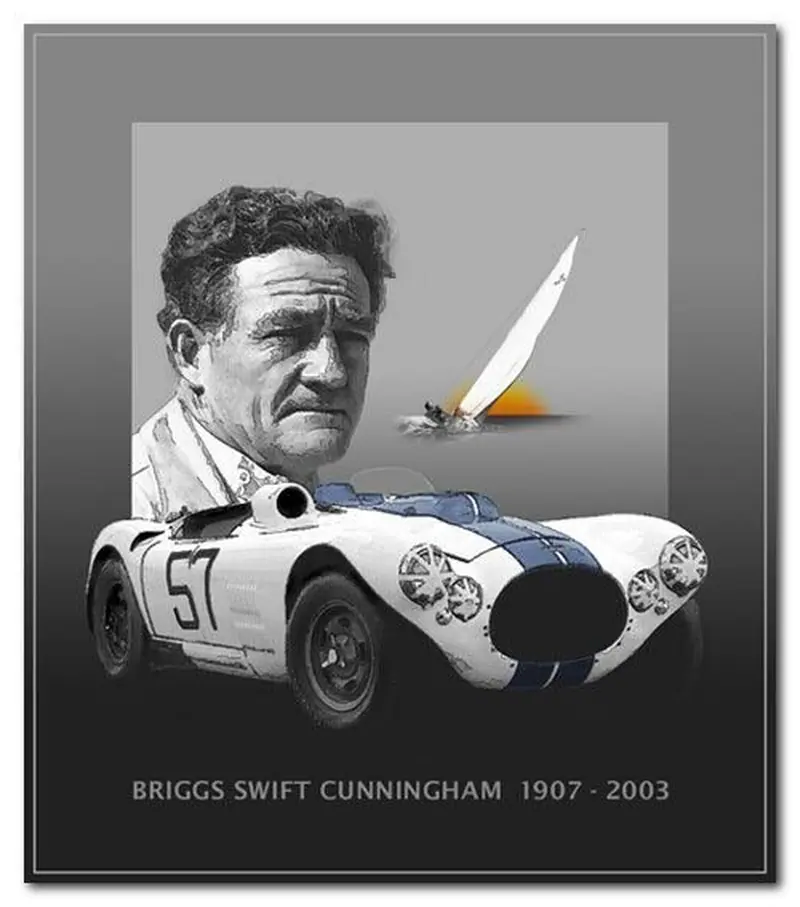
He used it to build his next race car, the Cunningham C5-R, in 1953. The Cunningham team finished an impressive third in the 24 Hours of Le Mans with the car. That marked the beginning of the racing career of engines with hemispherical combustion chambers. Briggs Cunningham abandoned the engine in 1959, when Chrysler began using an engine with a wedge-shaped combustion chamber in its production cars.
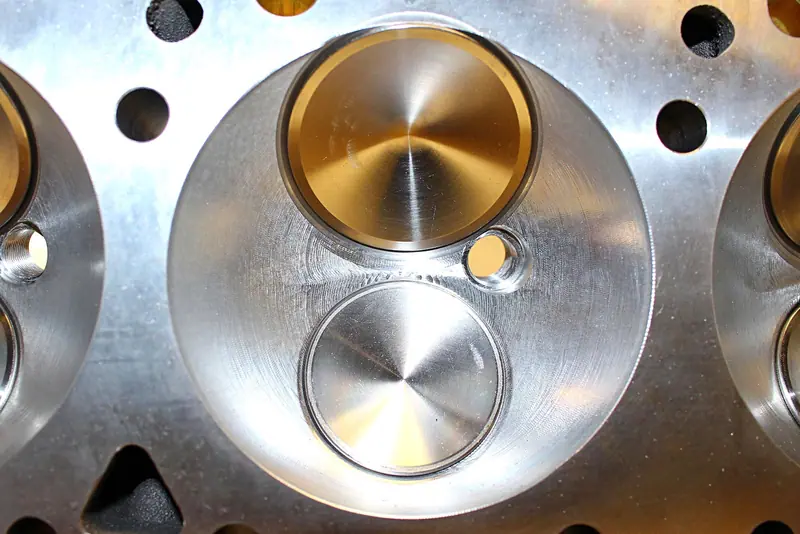
Hemispherical combustion chambers returned in 1964. That was also the year Chrysler officially registered the HEMI trademark for the first time. The new engine had a displacement of about 7.0 liters and produced 425 horsepower. However, it did not become particularly popular among everyday consumers, with no more than 11,000 cars sold with these engines. The reason was the engine's high cost and demanding nature. Of course, it could accelerate a car to 62 mph in a phenomenal 5–6 seconds, depending on the model, but it consumed around 5.9–7.8 mpg. Thanks to racing cars, however, HEMI quickly became a household name across virtually all of America.
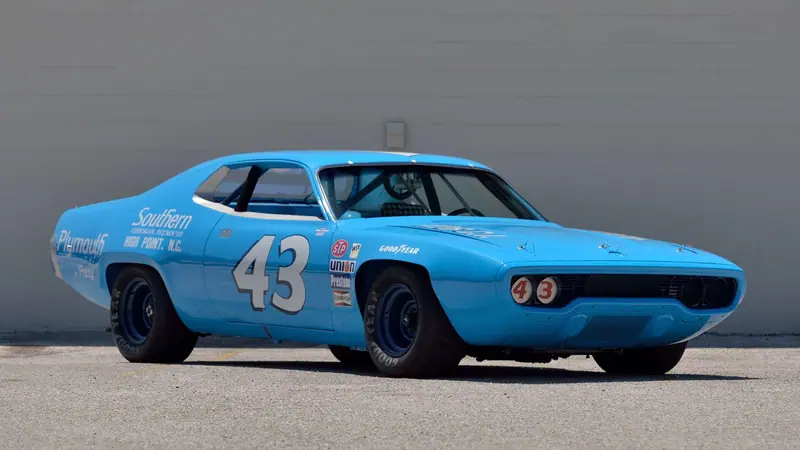
Because of its imposing dimensions, the 426 was affectionately nicknamed the "Elephant Engine" and was the largest engine used in NASCAR at the time. The first 426 HEMI of this era was introduced specifically for NASCAR competition. It was installed in the Plymouth Belvedere in 1964 so the company could catch up with its main competitors. Several years earlier, rival Chevrolet had achieved considerable success in the popular racing series largely thanks to its 6.7-liter, 409-cubic-inch V8.
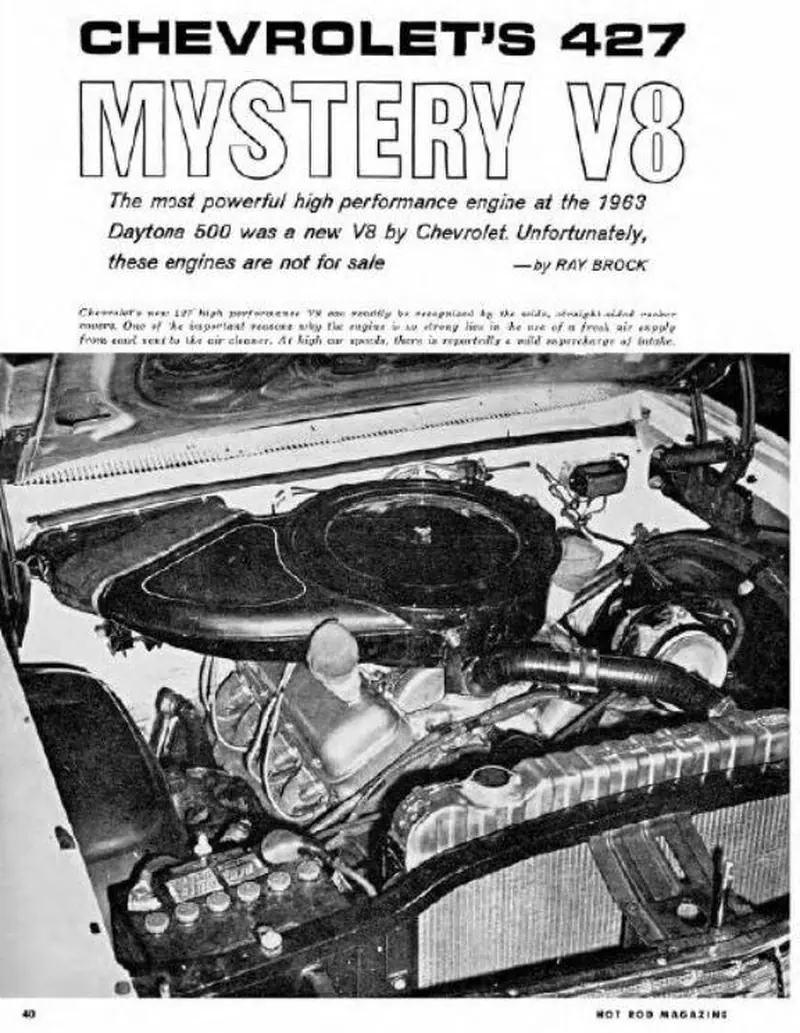
In 1963, that engine was replaced by a 7.0-liter, 427-cubic-inch unit, and the Chevrolet 427 Mystery Motor further cemented the team's position as the series leader. NASCAR had limited engine displacement to 427 cubic inches. This was why Chrysler had to take decisive action to avoid losing its core customers. Statistics showed that the more popular factory teams became in various racing competitions, the faster their consumer sales grew.
There was even a saying among automakers: "Win on Sunday, sell on Monday." In 1964, Chrysler achieved enormous success with its advanced engine. At that year's Daytona 500, the first three finishing positions were taken by cars powered by 426 HEMI engines. HEMI-powered cars also took prize-winning positions in another popular competition, the NHRA drag-racing series.
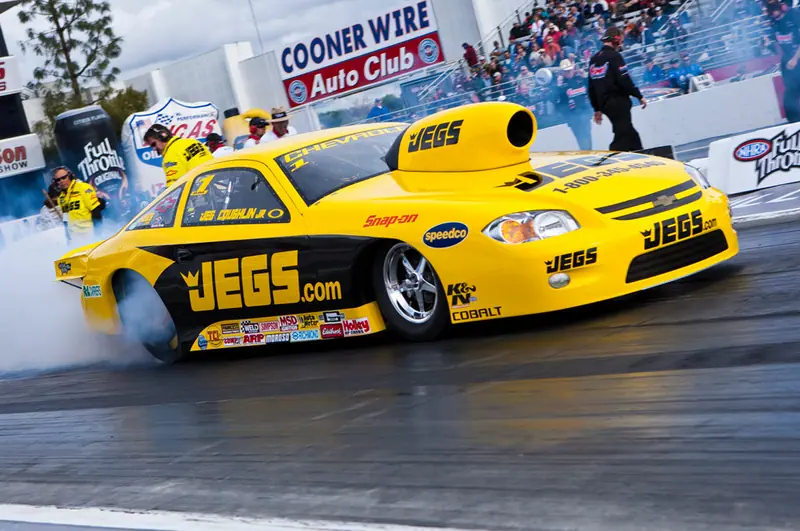
The production engine had some differences compared with the racing version. The so-called Street HEMI produced 425 horsepower and featured two carburetors in its fuel system. Engines based on the 426 HEMI, produced for customers from 1965 through 1971, are now considered second-generation hemispherical-combustion-chamber engines. A large number of replacement parts for them are still manufactured today because these engines remain quite popular.
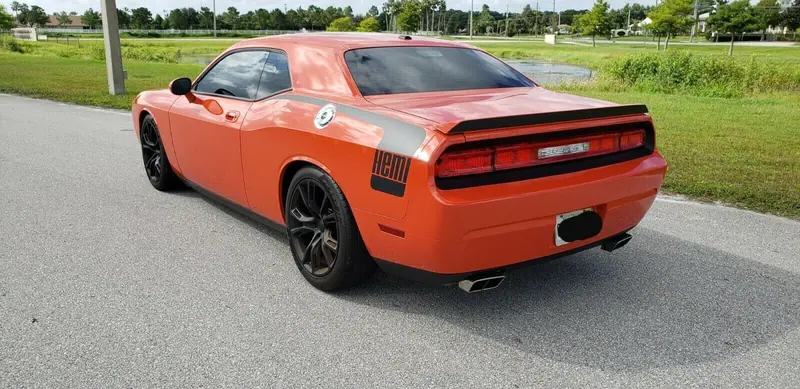
As examples, some of the most common cars equipped with these engines include the Satellite (1966–1971), Dodge Charger (1966–1971), Plymouth Barracuda (1968, 1970–1971), Dodge Challenger (1970–1971), and others. Many of these cars have even been given a second life in modern times.
Today, in the 21st century, Chrysler has once again introduced engines with hemispherical combustion chambers. In reality, they differ significantly from the engines of the 1950s through the 1970s, featuring variable valve timing and a cylinder-deactivation system. Nevertheless, they not only retained the legendary racing technologies that made power and speed possible, but also developed them significantly.
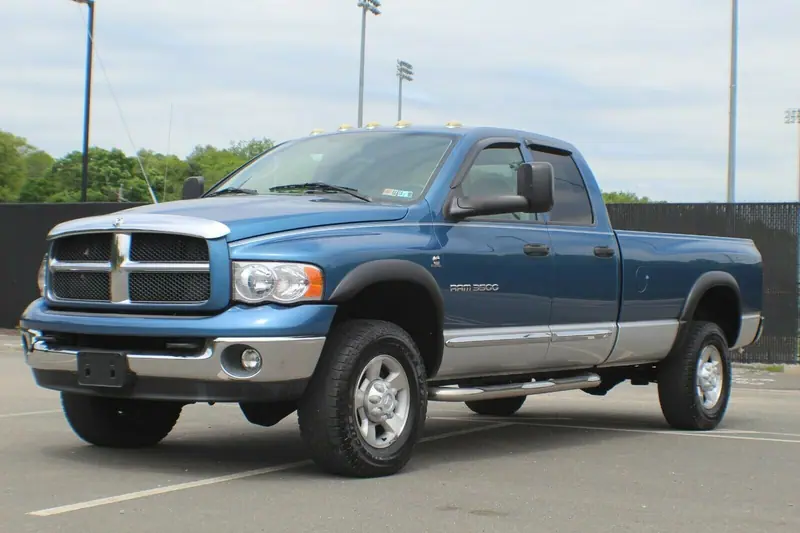
The first modern engine of this type was the 5.7-liter (345-cubic-inch) HEMI introduced for the 2003 Dodge Ram. It produces 345 horsepower and 375 lb-ft of torque. This V8 engine can also be found under the hoods of the Chrysler 300C, Dodge Magnum, Dodge Durango, and Jeep Grand Cherokee. The engine was named one of Ward's 10 Best Engines produced between 2003 and 2007.
You may also be interested in the news:
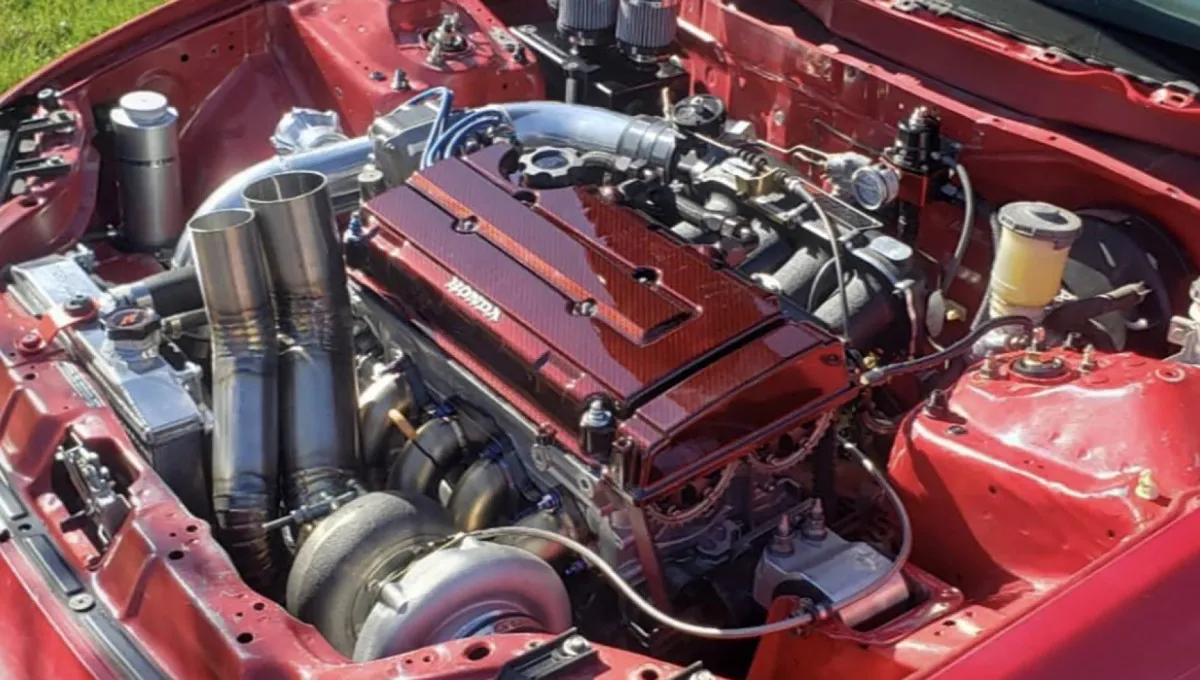
Honda K-Series Engines Can Go Past 300,000 Miles — Here's Why They're So Reliable
How long can a Honda K-series engine last, and what makes this family of Japanese engines so durable?
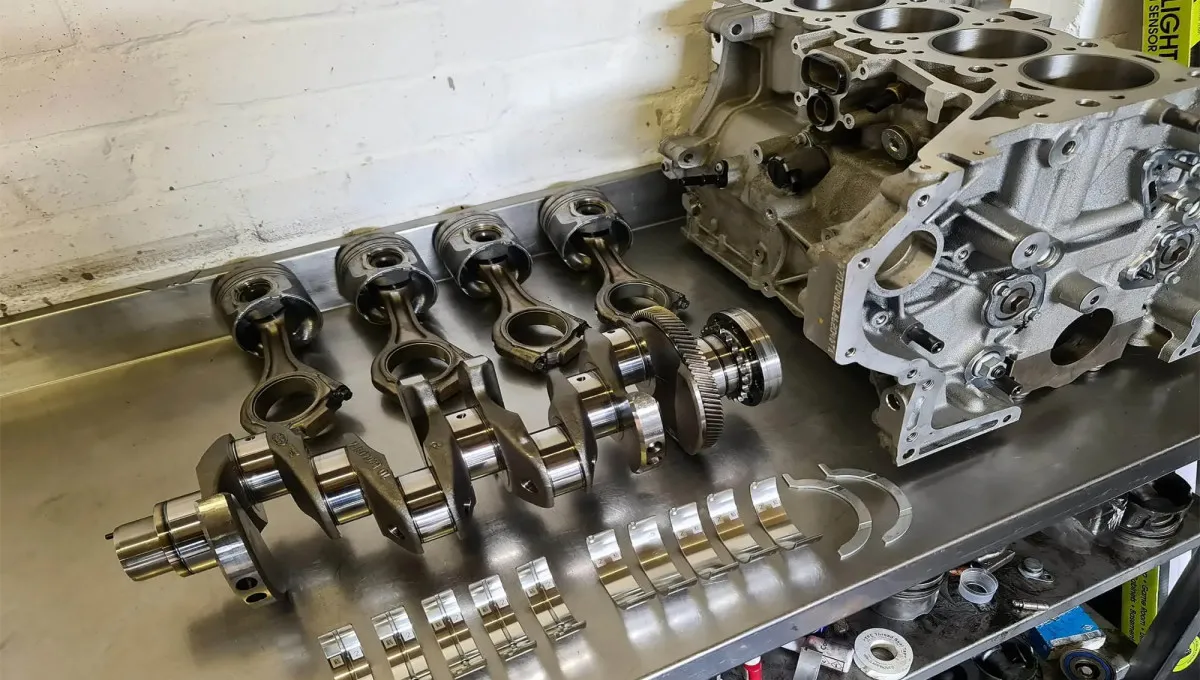
Not Ford, BMW or Audi: Mechanic Names the Car Brand That Almost Never Breaks Down
Auto repair professionals reveal which models rarely suffer major failures and which ones repeatedly end up on the lift.

What Does a Flashing Red Traffic Light Mean? Can You Keep Driving?
Drivers must come to a complete stop at the stop line before deciding whether it is safe to proceed.
5 of the Most Beautiful Chevrolet Cars: Timeless Designs With Stunning Silhouettes
Which Chevrolet models deserve to be called the most beautiful?
Nissan Restarts US-Made Murano, Pathfinder, Frontier Sales in Canada
Nissan resumed Canadian sales of three U.S.-built models, but tariffs keep supply below earlier levels.