
Americans Are Taking Aim at License Plate-Reading Cameras
License plate-reading cameras are facing growing resistance across the U.S., with critics citing privacy concerns and civil liberties.
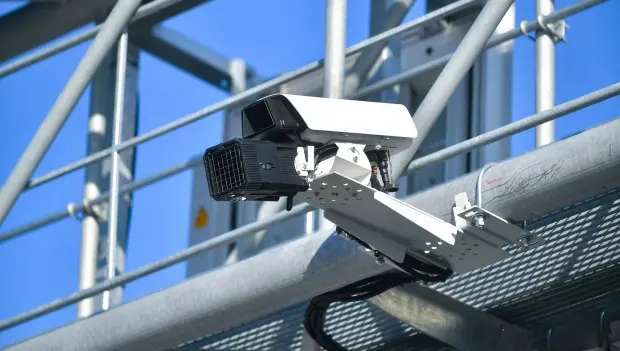
Cases of intentional damage to automated license plate reader systems used by law enforcement have been reported in 36 states, NPR reports.
The methods vary widely, ranging from painting over camera lenses and placing stickers on them to physically destroying the devices, hitting them with vehicles, and shooting at them.
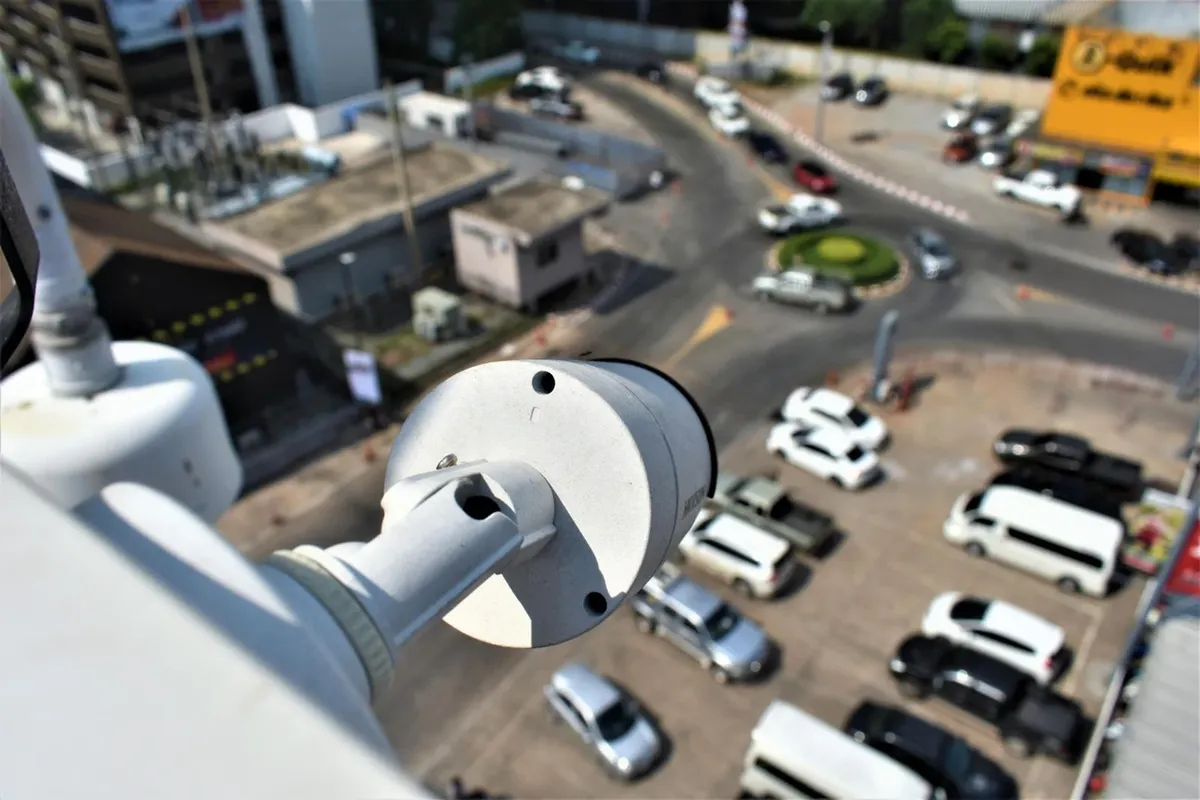
The activity appears to be driven largely by public concerns over privacy. Critics of license plate surveillance worry that collecting data on where vehicles travel could lead to excessive police monitoring and erode civil liberties.
More than 130,000 license plate readers are currently operating across the country, while technology from Flock Safety is used by more than 5,000 police departments.
Flock Safety representatives, however, argue that the cameras are effective tools for recovering stolen vehicles and locating missing people. The company also says it does not own the data collected by its systems and does not sell it for commercial purposes.
You may also be interested in the news:

5 of the Most Beautiful Chevrolet Cars: Timeless Designs With Stunning Silhouettes
Which Chevrolet models deserve to be called the most beautiful?
Nissan Restarts US-Made Murano, Pathfinder, Frontier Sales in Canada
Nissan resumed Canadian sales of three U.S.-built models, but tariffs keep supply below earlier levels.

41,748 Ford SUVs and Trucks Recalled—Your Headlights Could Suddenly Stop Working
Ford recalls 41,748 vehicles after contaminated LED chips threaten required headlight performance on newer models.
The Sheriff Knew She Was Speeding—Then This Blonde Driver Turned the Ticket Against Him
A sheriff pulls over a Ferrari for speeding, but the driver's bizarre logic quickly turns the traffic stop against him.
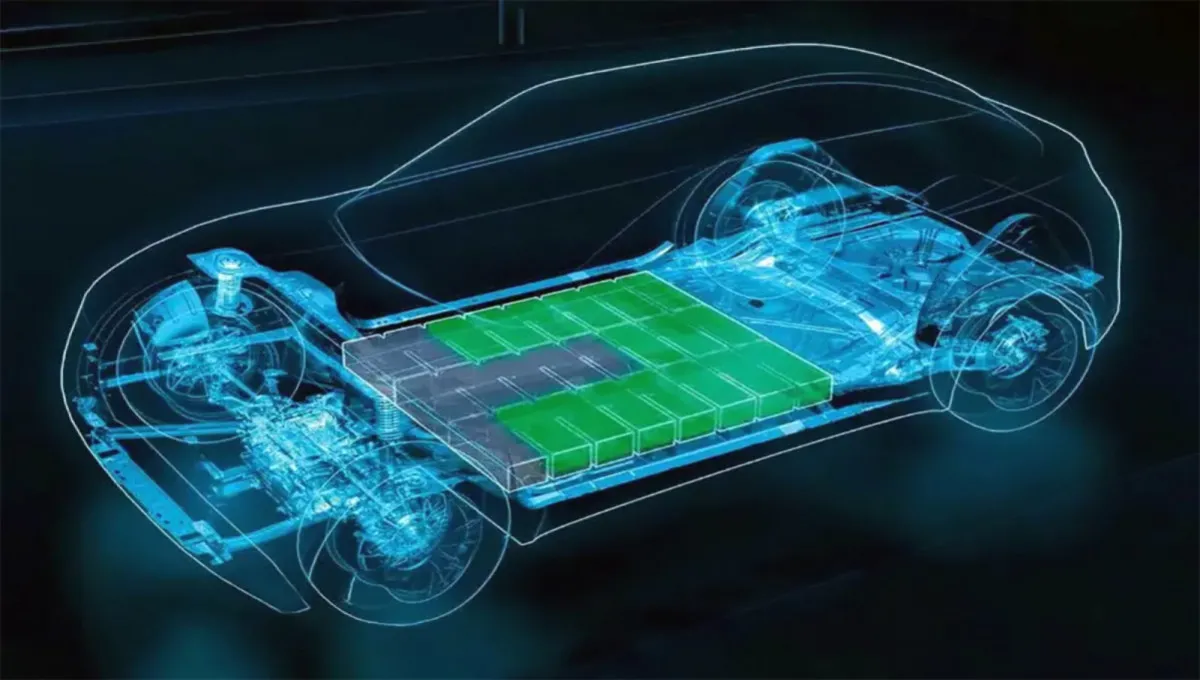
Stellantis Patents System That Lets an EV Drop Its Battery and Drive Away
A new patent details an emergency system that could let an EV disconnect its high-voltage battery and move away from danger.