
What Does TRC OFF Mean on a Toyota? How It Affects Fuel Economy and Safety
Understanding how Toyota’s TRC system works, how it interacts with other safety systems, and when drivers should turn it off.
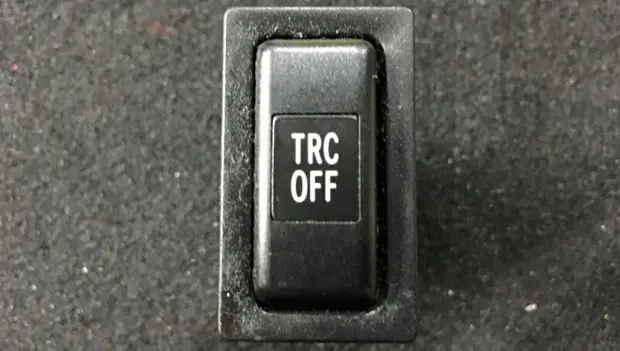
Many owners of Toyota vehicles have noticed a button labeled "TRC OFF" on the dashboard or center console. Drivers often ignore the feature, assuming it is intended only for professional racers, or accidentally press it without understanding the consequences. In reality, the Traction Control system is a key active-safety feature that works together with the anti-lock braking system. Understanding how it works can help drivers avoid dangerous situations and, under certain conditions, save fuel.
How the TRC System Works and How It Connects to Other Systems
The Traction Control System, or TRC, is designed to prevent the vehicle's driven wheels from spinning. When wheel-speed sensors detect that one wheel is rotating faster than the others, indicating a loss of traction, the electronics respond almost instantly. The primary intervention is through the throttle, which closes to reduce engine power. The braking system can also apply the brakes to a spinning wheel.
TRC works closely with the ABS (anti-lock braking system) and VSC (Vehicle Stability Control). While ABS prevents the wheels from locking during braking, TRC helps prevent them from spinning during acceleration. On modern Toyota models such as the Toyota Camry and Toyota RAV4, these systems are integrated into a single control system. When the electronics intervene, a dashboard indicator showing a vehicle with slipping wheels begins to flash, warning the driver that the road surface may be slippery.
The system does more than simply monitor wheel spin. Under difficult conditions, it can redistribute torque between the wheels, simulating the behavior of a limited-slip differential. This is particularly useful on all-wheel-drive models, where maintaining forward momentum is important. Despite its effectiveness, however, there are situations when electronic intervention can become an obstacle and the driver needs full control over engine power.
Why Does the TRC OFF Button Exist and How Should You Use It?
The "TRC OFF" button is designed to manually disable the traction-control system. Why would anyone want to turn off a safety feature? The answer lies in vehicle dynamics. There are situations when wheelspin is necessary to complete a maneuver successfully. For example, when trying to escape deep snow, mud or sand, the TRC system may interpret wheelspin as a loss of traction and reduce engine power, preventing the vehicle from building enough momentum to get through the obstacle.
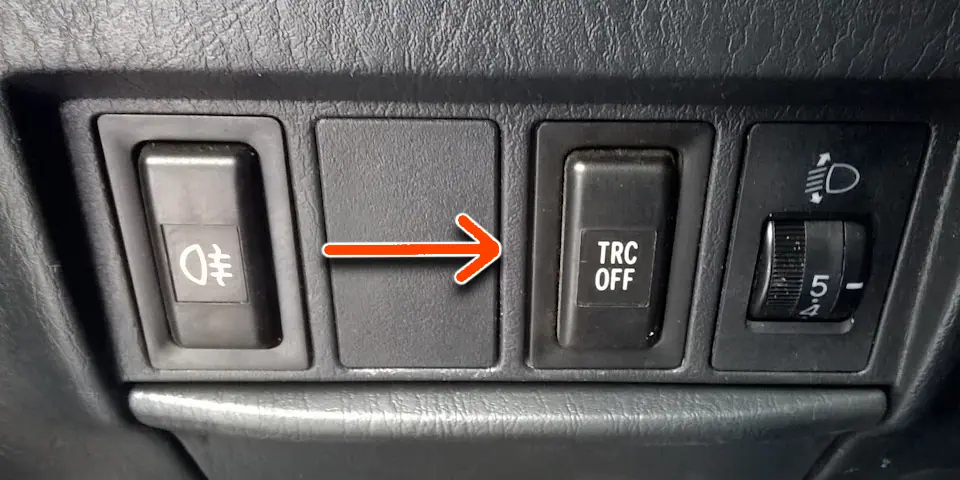
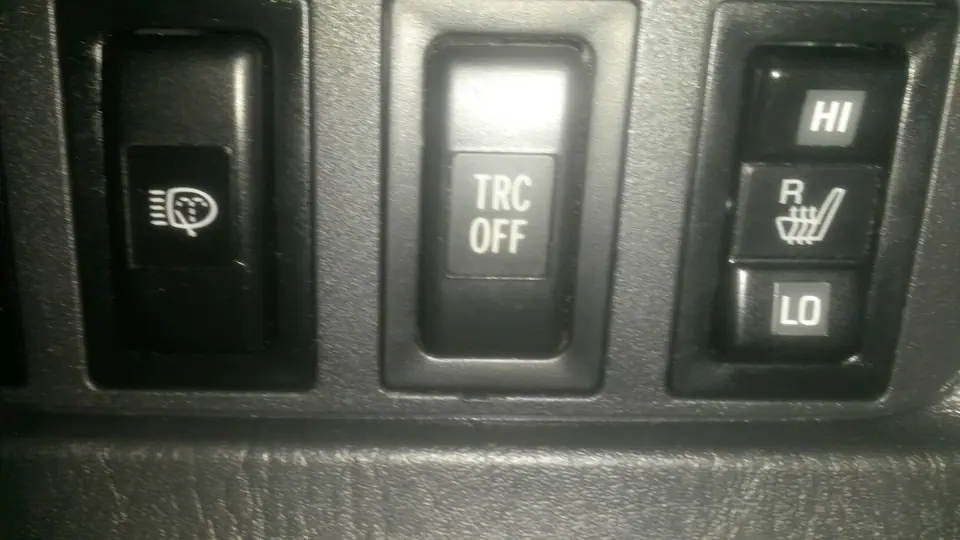
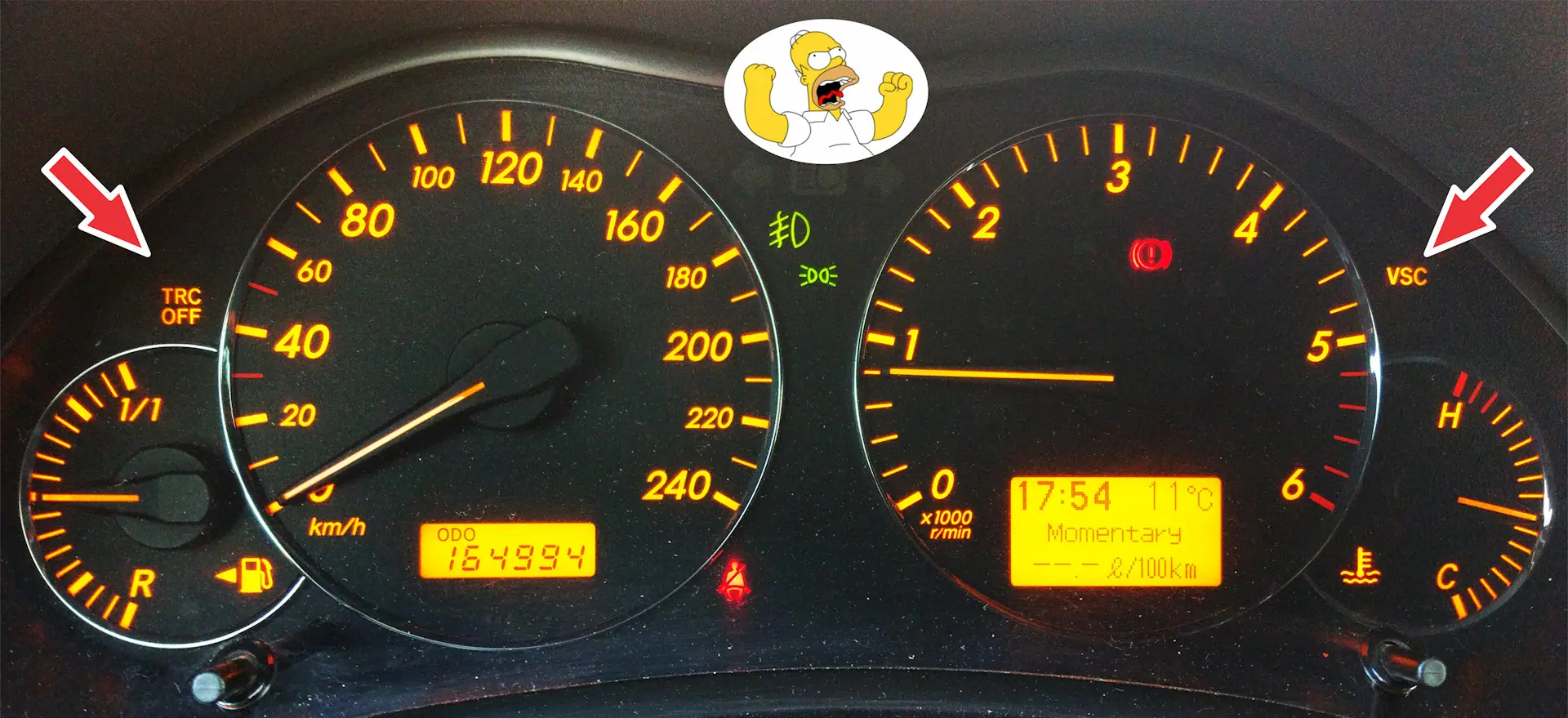
The system is usually disabled with a short press of the button, which is typically located to the left of the steering wheel or on the center console near the gear selector. After the button is pressed, a yellow "TRC OFF" indicator illuminates on the dashboard, informing the driver that the system has been deactivated.
A short press disables traction control while leaving stability control active. This allows the wheels to spin within reasonable limits without allowing the vehicle to enter an uncontrolled slide. This mode can be useful when rocking a stuck vehicle free or getting moving on an extremely slippery surface where some wheelspin is needed to break the vehicle loose.
Once the difficult section has been cleared, the system should be turned back on. Pressing the "TRC OFF" button again or restarting the engine will automatically reactivate the safety systems. Leaving TRC disabled on dry pavement can create problems in a critical situation, such as suddenly swerving around an obstacle, when the vehicle may respond differently than the driver expects.
How Turning Off TRC Affects Fuel Economy and Acceleration
One common question is whether the TRC system affects fuel economy. Many drivers mistakenly believe that turning off traction control reduces fuel consumption because the engine can operate "more freely." In practice, the situation is different. TRC intervenes only when the vehicle loses traction and the wheels begin to spin. During normal driving on paved roads, it has no effect on fuel consumption.
If you turn off TRC and allow the wheels to spin when pulling away from a traffic light or driving on a wet road, fuel consumption will increase. Spinning tires waste energy produced by burning gasoline. During these moments, engine power is not being effectively transferred to the road and is instead being converted into heat in the tires and pavement.
As for acceleration, disabling the system on dry pavement can actually make a launch slower. The electronics can maintain an optimal amount of wheel slip, around 10% to 15%, where available traction is maximized. A driver attempting to launch without electronic assistance may use too little throttle or too much, resulting in lost time. On loose surfaces, however, turning off TRC can allow the engine to reach higher RPM, helping the tires build up snow or mud in front of them and improving the vehicle's ability to move forward.
When Should You Turn Off Stability Control?
There are specific situations when using the "TRC OFF" button can be appropriate or necessary. The most important involve driving through deep snow, soft dirt or sand. Under these conditions, the stability system can have difficulty determining whether wheelspin is the result of driver error or a necessary part of maintaining forward movement. By automatically reducing engine power, TRC can bring the vehicle to a stop in the middle of a snowbank, making it much harder to get moving again.
Turning off the system may also be required when installing tire chains. When chains are fitted to the wheels, the system may interpret changes in wheel diameter or vibration patterns as a sensor problem or excessive wheelspin. This can result in repeated brake intervention and potentially place additional stress on drivetrain components. Toyota's instructions for some models, including the Toyota Land Cruiser, specify how the system should be handled when tire chains are installed.
Another situation involves using a compact temporary spare tire. Because its diameter differs from that of the regular tires, the ABS sensors can detect different wheel speeds. This can cause TRC and VSC to intervene repeatedly, creating an uncomfortable driving experience and potentially introducing a safety concern. Multiple warning lights may also illuminate on the dashboard, and disabling the system can help prevent unwanted brake intervention.
Hidden Functions and Differences Between Toyota Models
Toyota owners may not realize that the "TRC OFF" button can have additional functions activated through different button combinations. On some models, including the Toyota Corolla and Toyota Camry, holding the button down for more than 3 seconds can disable both traction control and VSC. An additional "VSC OFF" indicator then illuminates on the dashboard. This puts the vehicle into a mode intended to allow more wheelspin and greater driver control over the vehicle's behavior.
The system's behavior during engine warm-up is also notable. On some older models, the system may operate in a more permissive mode during a cold start, allowing a small amount of wheelspin to help the engine and catalytic converter warm up more quickly. This is more characteristic of older models. Modern Toyota RAV4 and Toyota Highlander models use more sophisticated algorithms that take into account oil temperature, transmission temperature and even driving style.
Some Toyota SUVs also feature an "Auto TRC" function. In this mode, the system automatically adjusts its intervention thresholds based on the selected drive mode, such as "Mud" or "Snow." In these situations, manually disabling TRC may only be necessary in extreme conditions when the automated system cannot adequately handle the terrain.
You may also be interested in the news:

Why Experienced Drivers Put Socks on Their Car Mirrors in Fall: The Clever Trick Explained
An old pair of socks can help reduce frost buildup on your side mirrors overnight, saving time on cold mornings when every minute counts.
How to Clean Your Windshield Without Streaks: Experts Recommend This Simple DIY Mix
The secret to a streak-free windshield comes down to the right cleaning solution, two microfiber cloths, and the proper drying technique.

Why Some Drivers Keep Bay Leaves in Their Cars — It’s Not Just About Superstition
Can a common kitchen spice help repel bugs, freshen your car’s interior, or even help you relax behind the wheel?
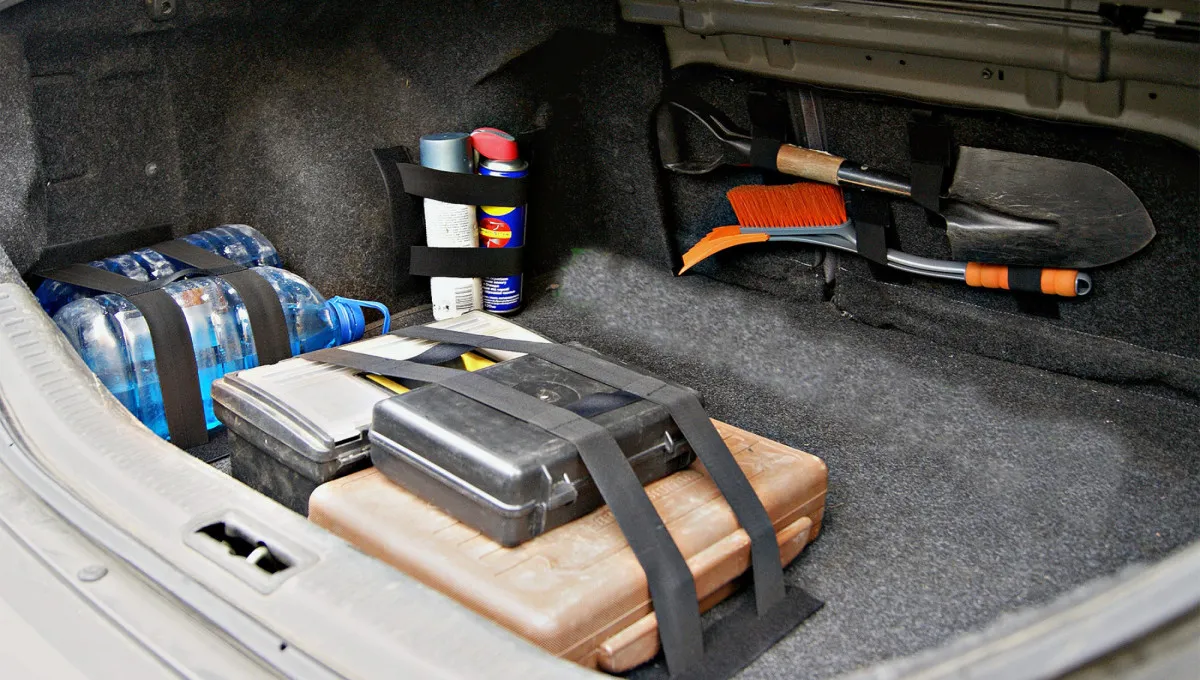
Cold Weather Can Leave You Stranded — 5 Things Every Driver Should Have in Their Car
The first hard freeze can catch drivers off guard. Here's what to keep in your vehicle and how to prepare your battery, tires, and fluids for colder weather.
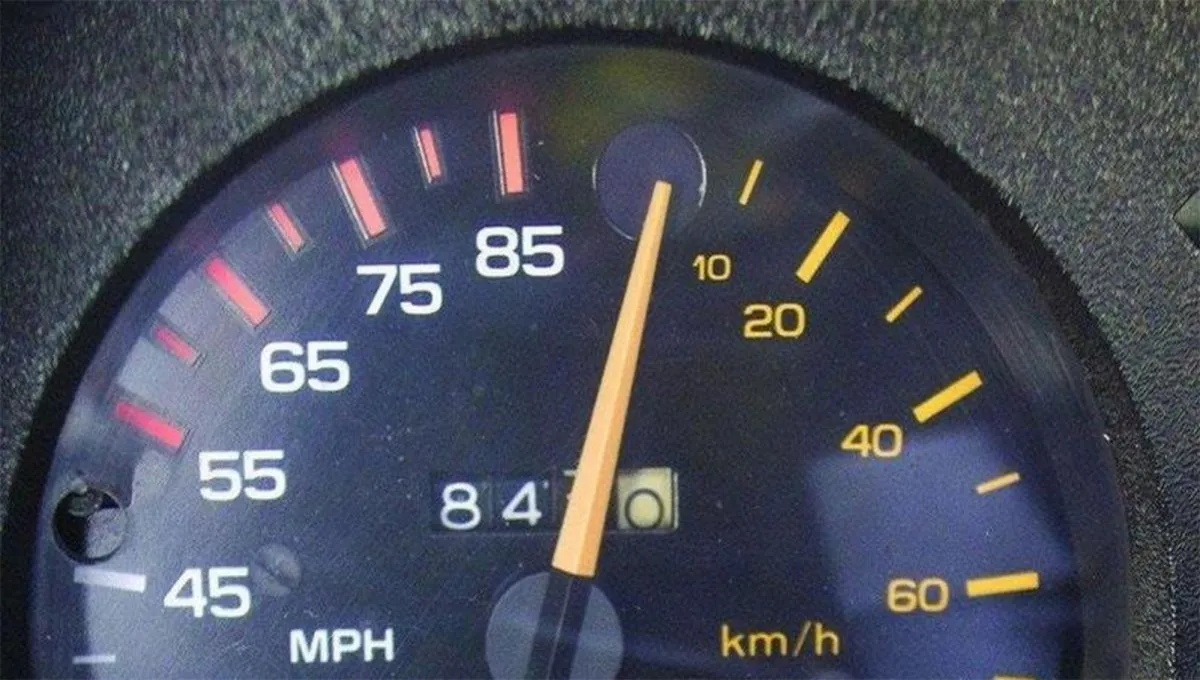
Your Speedometer Says 65 MPH, but Your GPS Says 62 — Here’s Why Your Car Does That
Your speedometer reads 65 mph, but your GPS says 62 mph. Here’s why the numbers rarely match.