
The Volvo That Was Supposed to Conquer America but Ended Up Donating Its Engine to a Truck
This Volvo concept was developed with one goal in mind: winning over American buyers and opening the door to the U.S. market.
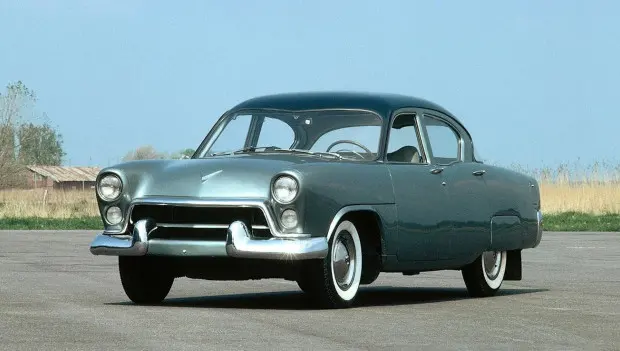
Today’s entry in our “Old, But Far From Useless” series is the Philip, a Volvo concept car designed to win over American buyers.
By the 1950s, it had become clear that strong sales in the United States were one of the most important measures of success for an automaker. The vast American market offered enormous opportunities, but failure could also be costly. Volvo understood that perfectly, so the Swedish automaker wanted to minimize the risks of entering the U.S. market.
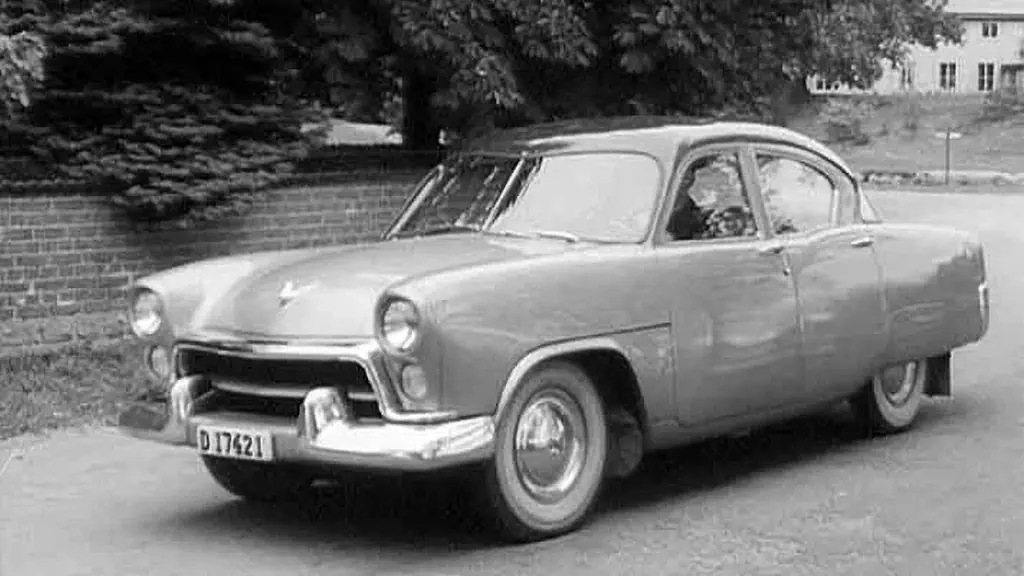
Volvo began preparing for its American push with a concept car. This was not simply another futuristic showpiece designed to draw crowds to the company's display at a major auto show. Instead, the Swedes wanted to create a car specifically tailored to what American buyers were looking for.
The project was taken seriously. Rather than stopping at an attractive mockup, Volvo decided to build a fully functional, drivable prototype with a working interior and a design unlike anything the company had produced before. That became the basis for the Philip sedan, Volvo’s first postwar concept car.
There’s Still Debate Over the Name
The commonly accepted theory is that the Swedish sedan was named after Prince Philip, the British royal consort and husband of Queen Elizabeth II. In the early 1950s, the British royal family attracted enormous attention around the world, making the explanation seem quite plausible.
There is another theory, however. Volvo began developing the Philip on May 2. In Sweden, every one of the 365 days of the year is traditionally associated with a male or female name, and May 2 is Philip’s name day.
An Inexperienced Designer Was Responsible for the Exterior

Volvo handed the exterior design of the Philip to a very young Jan Wilsgaard. The future design legend was just 20 years old at the time and had graduated from the Gothenburg Academy of Applied Arts. That did not mean the project was unimportant to Volvo. The company did not even have a dedicated design department until 1950. Wilsgaard, a young designer overflowing with ideas and talent, became its first head.
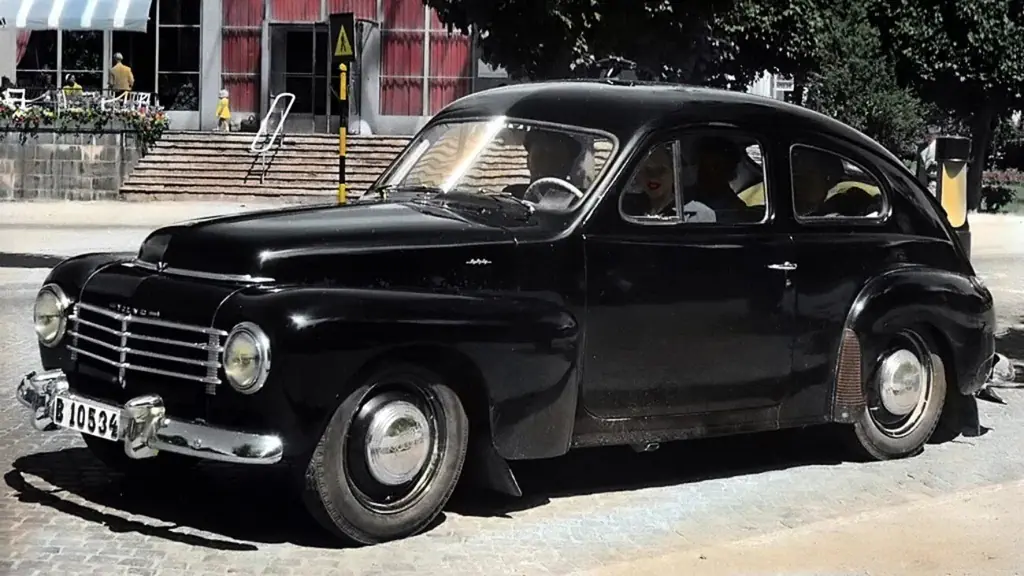
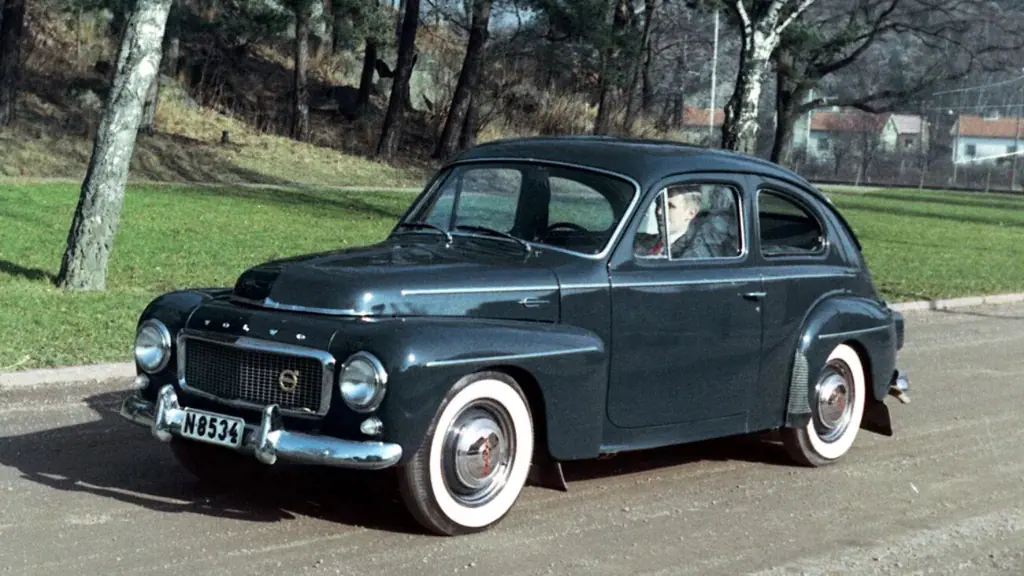
The postwar era was dominated by American influence in automotive design. Designers around the world freely borrowed ideas from their U.S. counterparts, and Volvo was no exception. The PV444/544 models were essentially smaller interpretations of early-1940s American Fords.
Wilsgaard also tried to appeal to American tastes, since the Philip was being developed specifically for that market. But the young designer refused to turn the promising sedan into a generic copy of an American car.
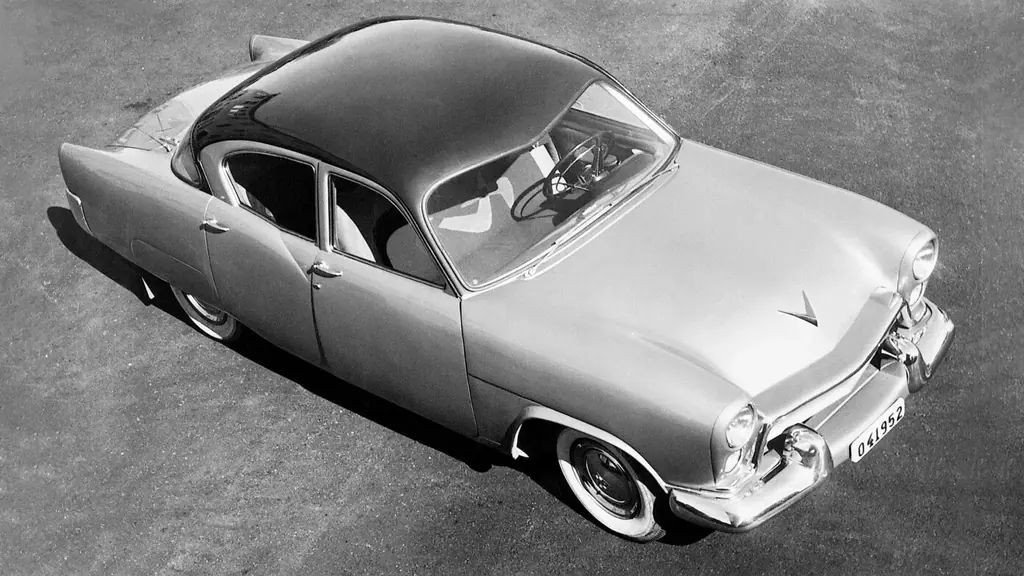
By European standards, it was a large automobile. The wheelbase measured about 9.5 feet, while overall length was roughly 16.4 feet. Yet the Philip was far from the boxy sedans that would later earn Volvo the “brick” nickname in the 1970s.
The Car Combined Strong Proportions With Distinctive Styling
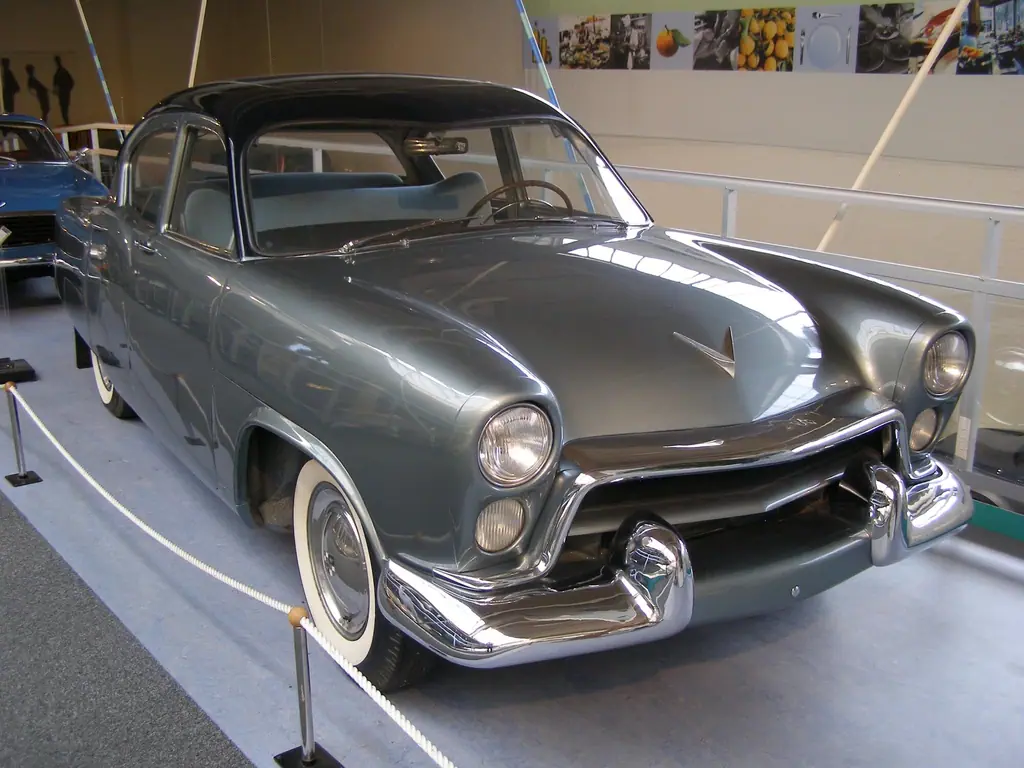
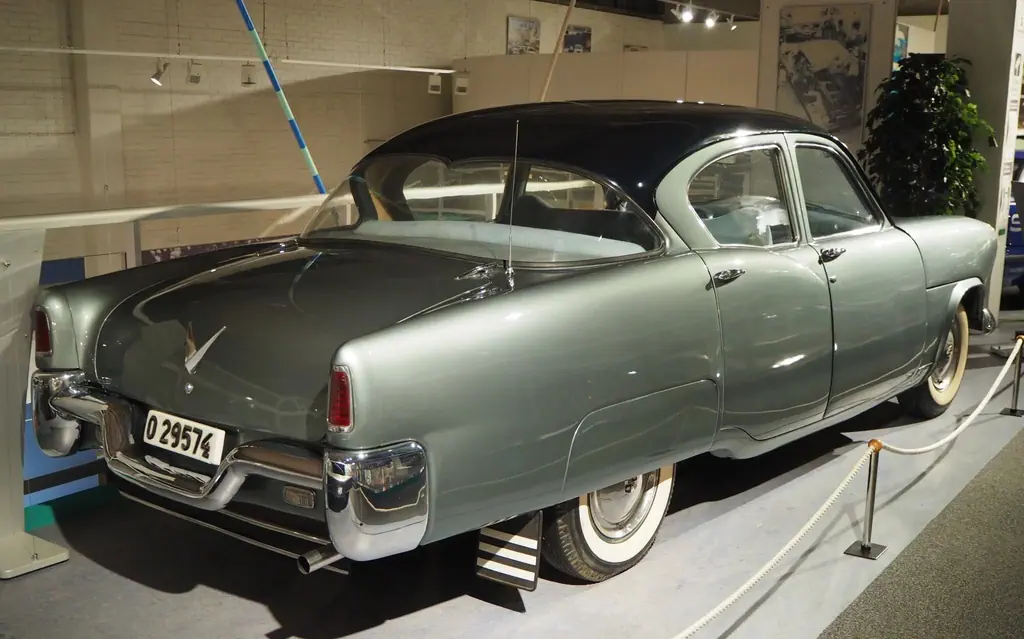
The panoramic rear window deserves particular attention, with an elegant curve along its upper edge and rear roof pillars that angle backward. The windshield was unusual as well. Its upper edge curved in a way that made the Philip look almost as if it were furrowing its brow and contemplating something. The substantial chrome bumpers were both stylish and imposing.
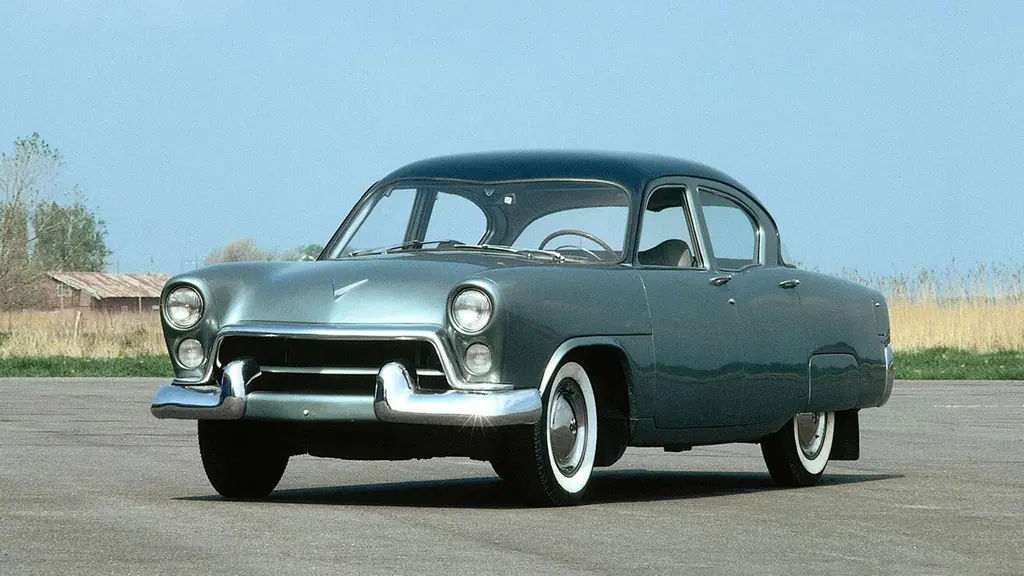
The sedan’s rear featured pronounced tailfins by early-1950s standards, while the rear wheels were partially covered, again following the fashion of the period. The finishing touches were whitewall tires and two-tone paint: a black roof over a gray-steel body, a restrained but sophisticated combination.
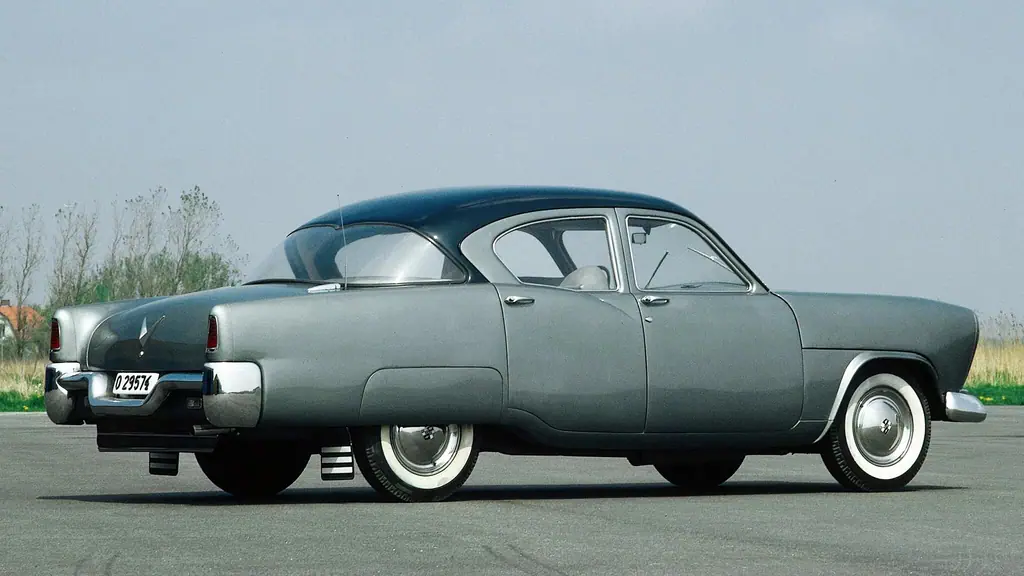
Overall, Wilsgaard’s team produced a modern, attractive and well-balanced automobile. Some observers could still see similarities to large American sedans, including the Kaiser Manhattan.
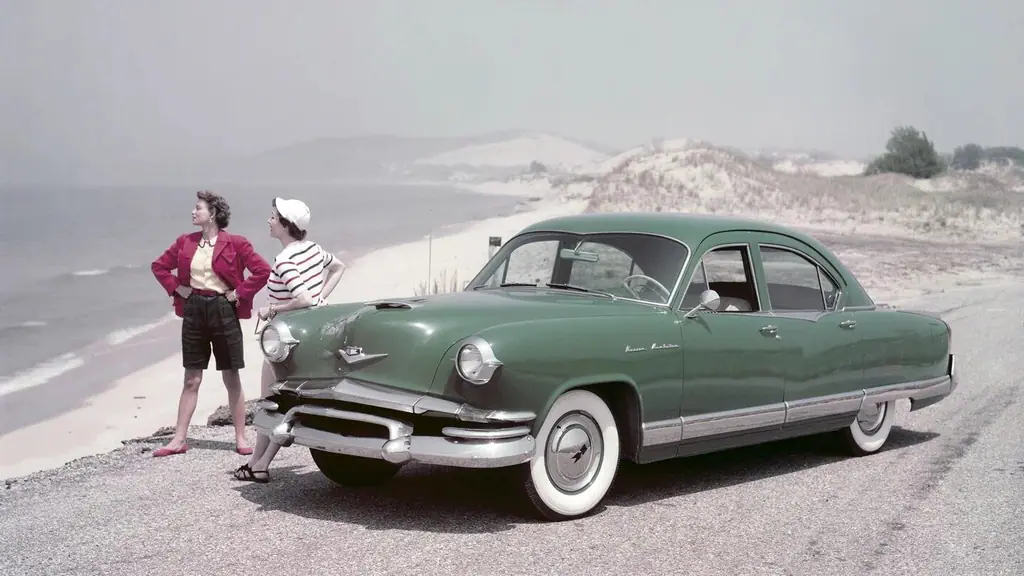
Others might argue that the substantial Philip lacked the distinctive Volvo styling we associate with the brand today. But in the early 1950s, Volvo had not yet developed a recognizable corporate design language.
Volvo Developed a New Engine and Transmission for the Large Sedan
Volvo planned to enter the U.S. market, so building anything smaller than a V8 would have made little sense. The company developed a new 3.5-liter V8 from scratch. It produced 120 horsepower at 4,300 rpm and was paired with a two-speed automatic transmission, which was perfectly normal for the era. The engine was developed by a Danish Volvo engineer who had previously worked for Chrysler in the United States.
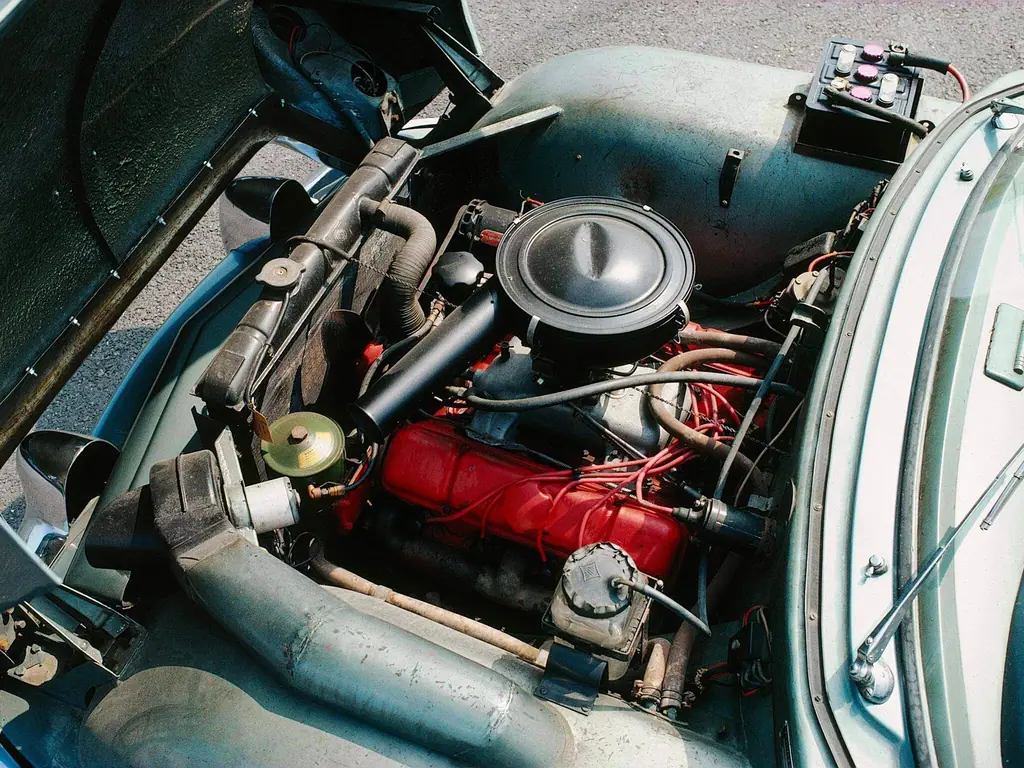
Another interesting feature of the Philip was its unusually convenient engine access. The hood hinged forward together with the front fenders, exposing the engine compartment.
Volvo presented the car to journalists on May 22, 1953. The Philip made a strong impression on the press, but its fate had effectively already been decided. According to Volvo’s calculations, the large sedan would be too expensive to build to generate a profit. The company was unwilling to bet everything on a single car, even one with considerable potential. The Philip therefore remained a one-off.
The Car Still Proved Extremely Useful
The drivable prototype was not scrapped. Instead, it was sent to Volvo’s tractor-making subsidiary, Bolinder-Munktell, where the Philip served as a company car for many years.

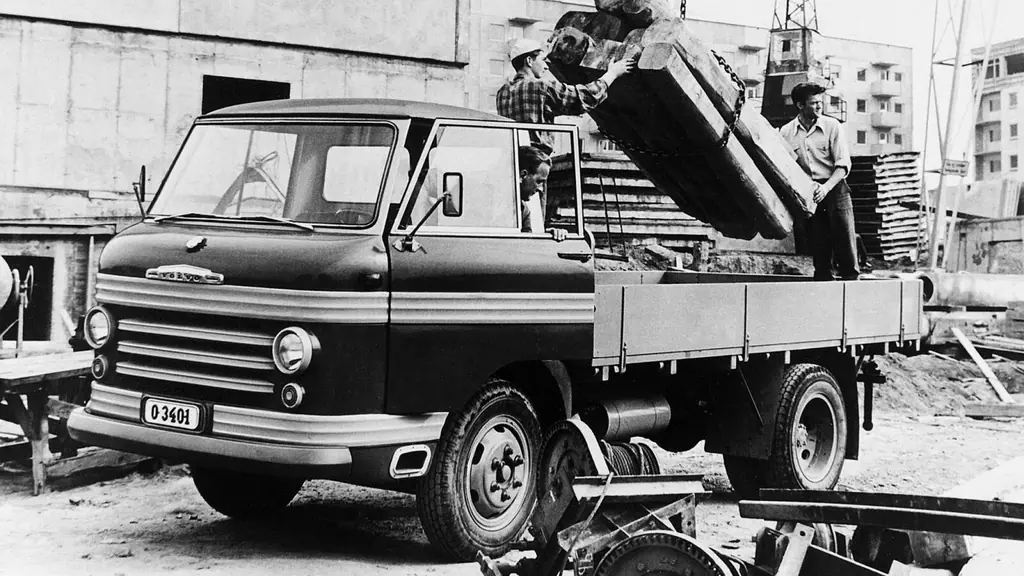
The V8 developed for the Philip later found a home under the hoods of Volvo’s Snabbe and Trygge trucks. Jan Wilsgaard, meanwhile, used the experience he gained while developing the Philip to create the legendary Amazon. That car became Volvo’s first major success in the United States.
As for the uncrowned Swedish “prince,” it would spend the rest of its life receiving plenty of care and attention. Today, the car remains in excellent condition at the Volvo Museum in Gothenburg.
You may also be interested in the news:

These 8 Cars Went Over 1 Million Miles — They Just Don’t Build Them Like They Used To
Some cars outlast generations of owners, proving that careful maintenance and durable engineering can deliver extraordinary mileage.

The 1957 Dodge: How “Autodynamics” Shaped One of Detroit’s Boldest Designs
The 1957 Dodge Looked Like a Dream Car, but Its Biggest Flaw Was Hiding Beneath the Surface.
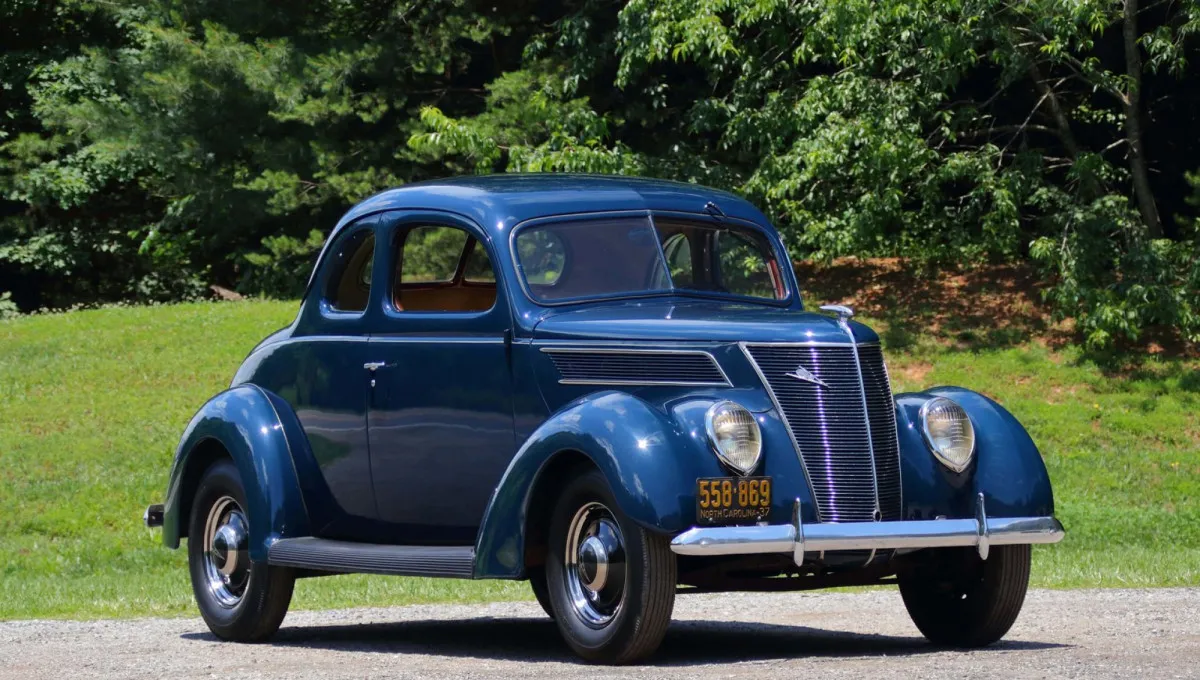
The 1937 Ford Was a Quality Car at an Affordable Price — Here’s What Made It Stand Out
The 1937 Ford featured several major changes and improvements. Let’s take a closer look.

Two Ferrari F40s Spotted on Google Maps Turn Out to Be Pontiac Fiero Replicas
Two Ferrari F40 lookalikes spotted on Google Maps in Spain turned out to be replicas built on an American sports car.
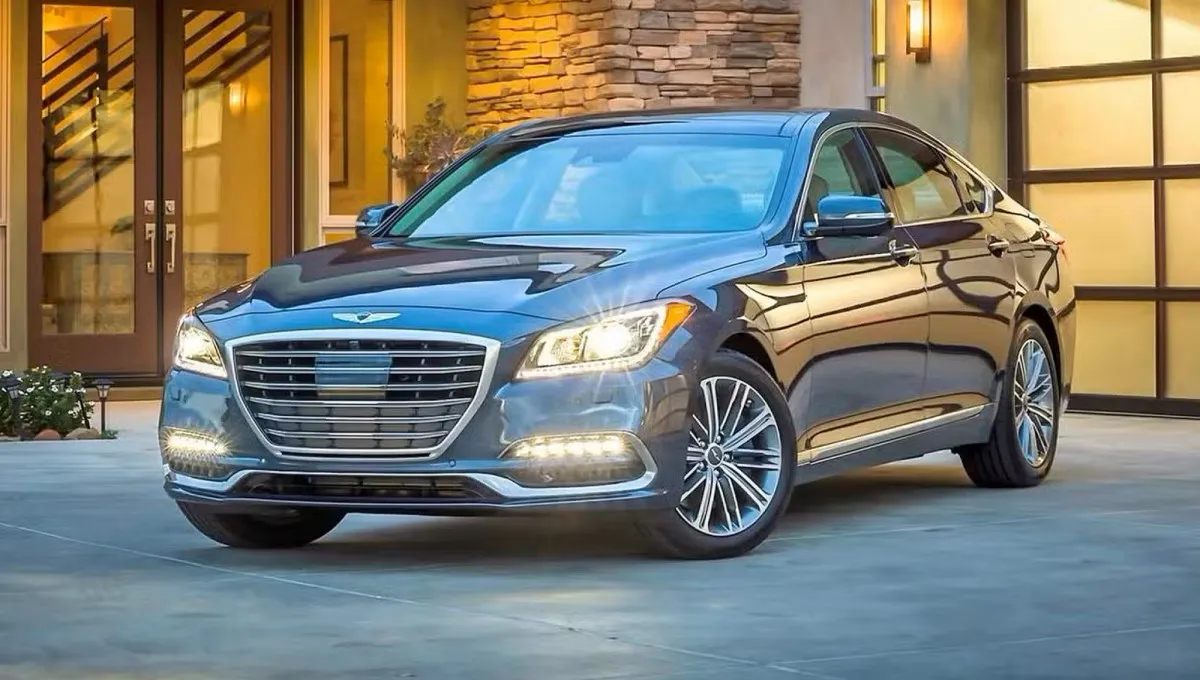
Hyundai Recalls Nearly 95,000 Genesis Sedans Over Fire Risk From Power Seats
Hyundai is recalling 94,622 Genesis sedans after a faulty power seat switch was linked to overheating and potential vehicle fires.