
What the “E” on a Manual Transmission Means: It Can Surprise Even Experienced Drivers
The “E” gear was once a common feature in cars with manual transmissions.
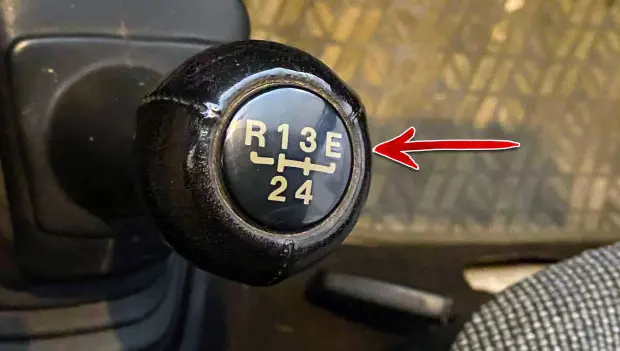
Every car with a manual transmission has a gear shifter marked with numbers and an “R” for reverse. But on some older cars, drivers may also find an “E” on the shift pattern—a marking that can be confusing even to experienced motorists. Here’s what the “E” gear actually means.
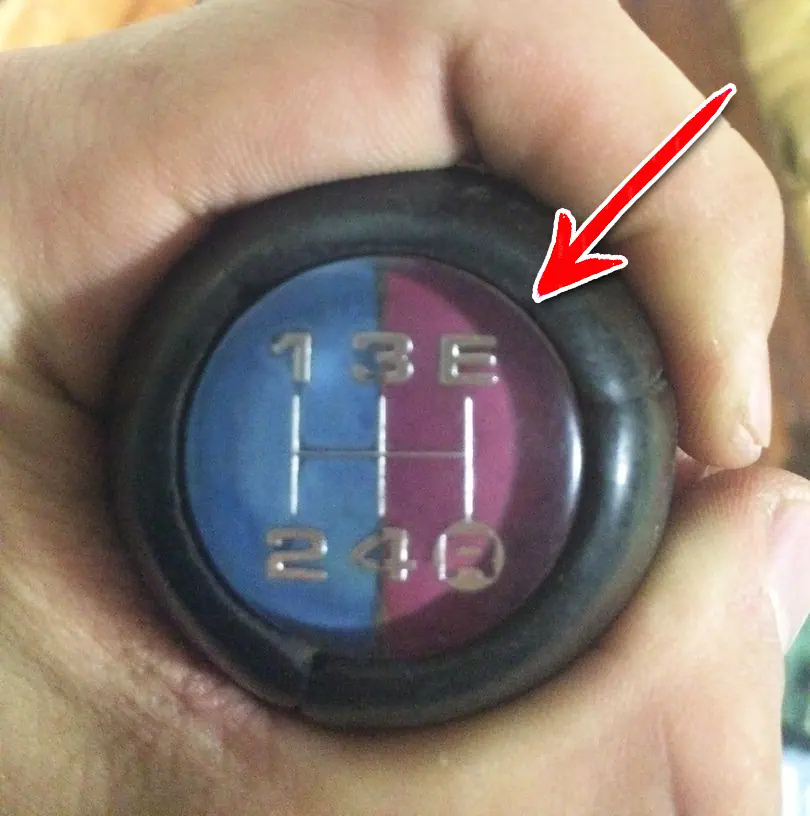
What Does the “E” Gear Mean?
The “E” stands for “Economy.” When selected, the transmission’s output shaft turns faster than its input shaft, allowing the engine to run at lower RPMs while the car is traveling at a steady, relatively high speed.
The result is lower fuel consumption and quieter engine operation. The basic idea is simple: reduce engine speed without reducing the vehicle’s road speed.
It’s also worth noting that the “E” gear isn’t a driving mode or an electronic feature. It’s a physical gear that the driver selects manually, just like any other gear in a manual transmission.
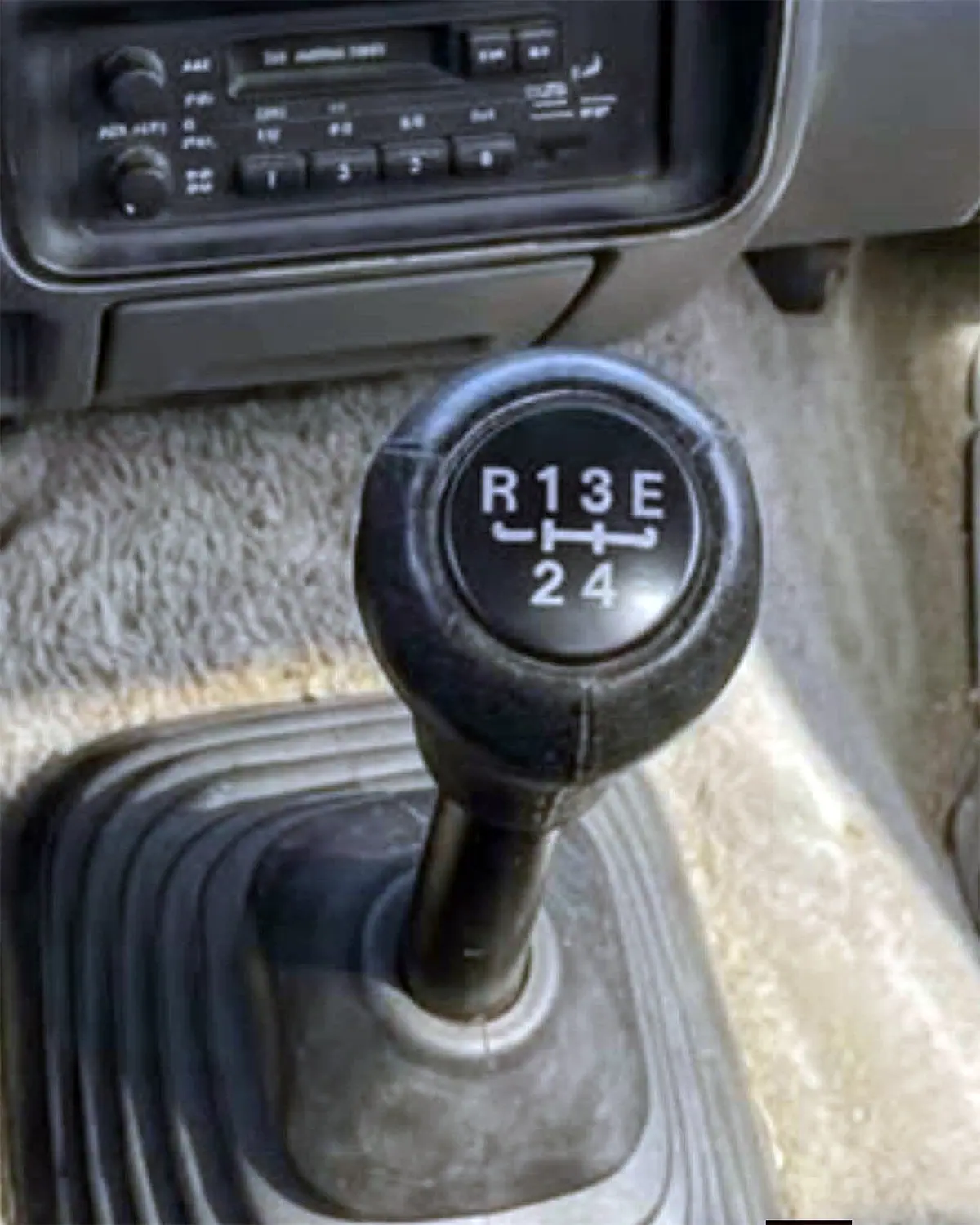
When Should You Use the “E” Gear?
The “E” gear was best suited to highway driving and longer trips on open roads. Once engaged, it significantly lowered engine RPM, making the car quieter while helping improve fuel economy.
However, it came with a major drawback: reduced flexibility when the driver needed to accelerate.
Because the engine produces less power at the lower RPMs used in “E,” accelerating quickly often requires shifting back into a lower gear. In other words, the gear works well for maintaining speed, but it isn’t particularly useful when more immediate performance is needed.
The “E” gear was most commonly found in cars from the 1980s, 1990s and early 2000s. It was particularly associated with older Volkswagen models, including the Golf, Passat and Jetta.
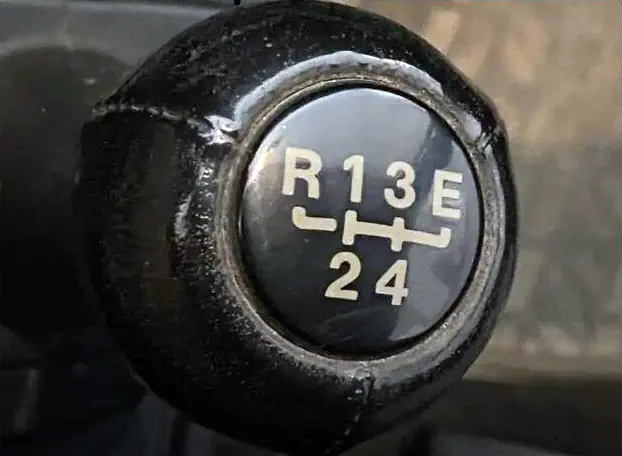
Why Did the “E” Gear Disappear?
Advances in transmission technology eventually made a separately labeled “E” gear largely unnecessary.
Modern manual transmissions commonly offer six gears, with the highest gear serving essentially the same purpose: lowering engine RPM during highway cruising without needing a special “Economy” designation.
Modern engines are also better optimized for operating efficiently at lower RPMs. At the same time, automatic transmissions—particularly dual-clutch units—can select an appropriate gear automatically, keeping the engine in an efficient operating range.
As a result, the “E” gear became a relic of an earlier era of manual transmissions rather than a feature modern automakers needed to keep.
You may also be interested in the news:
These 8 Cars Went Over 1 Million Miles — They Just Don’t Build Them Like They Used To
Some cars outlast generations of owners, proving that careful maintenance and durable engineering can deliver extraordinary mileage.
The 1957 Dodge: How “Autodynamics” Shaped One of Detroit’s Boldest Designs
The 1957 Dodge Looked Like a Dream Car, but Its Biggest Flaw Was Hiding Beneath the Surface.
Two Ferrari F40s Spotted on Google Maps Turn Out to Be Pontiac Fiero Replicas
Two Ferrari F40 lookalikes spotted on Google Maps in Spain turned out to be replicas built on an American sports car.
Your Speedometer Says 65 MPH, but Your GPS Says 62 — Here’s Why Your Car Does That
Your speedometer reads 65 mph, but your GPS says 62 mph. Here’s why the numbers rarely match.
“Are You Sure It’s Chinese?” Who Really Builds China’s Car Engines
Who Really Develops China’s Car Engines?