
Million-Mile Engines: Why Four Legendary Motors That Outlived Their Owners Became History
Some engines become legends by surviving for decades, crossing millions of miles and proving nearly impossible to kill.
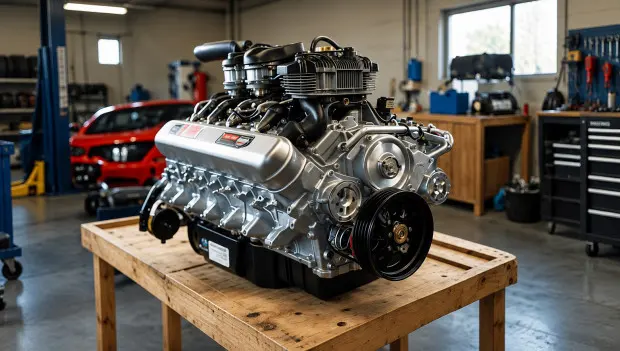
They didn't know the meaning of an engine rebuild. They could tolerate questionable fuel, neglected maintenance and punishing working conditions. They ran for days in bitter cold and brutal heat, asking for little more than fresh oil and basic attention.
Some set mileage records that are unlikely to ever be repeated. And that's part of the reason they disappeared—not because they were unreliable, but because the automotive world around them changed.
There have always been legendary engines capable of extraordinary mileage. Some survived long enough to outlive multiple vehicles. Others became trusted workhorses for taxi drivers, fleet operators and police departments. Eventually, however, all of them disappeared from new-car production.
Their story isn't really about engines becoming obsolete. It's about emissions regulations, fuel economy, increasingly complex technology and changing expectations from car buyers.
Here are four of the most durable engines ever built and why you can't buy anything quite like them today.
Mercedes-Benz OM616 and OM617: The Iron Hearts That Conquered Africa
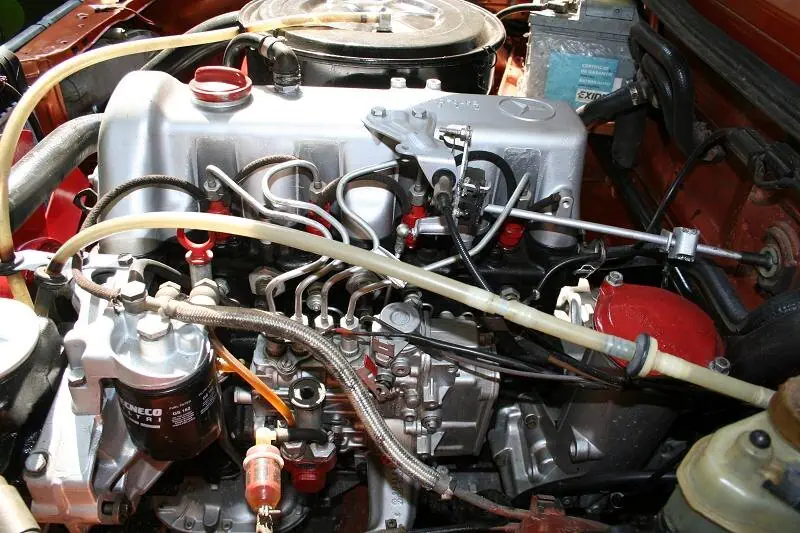
The Million-Mile Taxi From Greece
Greek taxi driver Gregorios Sachinidis bought a used Mercedes-Benz 240D in 1981 with about 124,000 miles on the odometer. Over the next 23 years, the car accumulated an astonishing 2.9 million miles while working around the clock.
During that time, Sachinidis cycled through four OM616 diesel engines, rebuilding and replacing them as necessary while keeping the taxi in service.
Mercedes-Benz eventually acquired the car for its collection and reportedly gave Sachinidis a new S-Class in exchange.
An Engineer's Nightmare of Simplicity
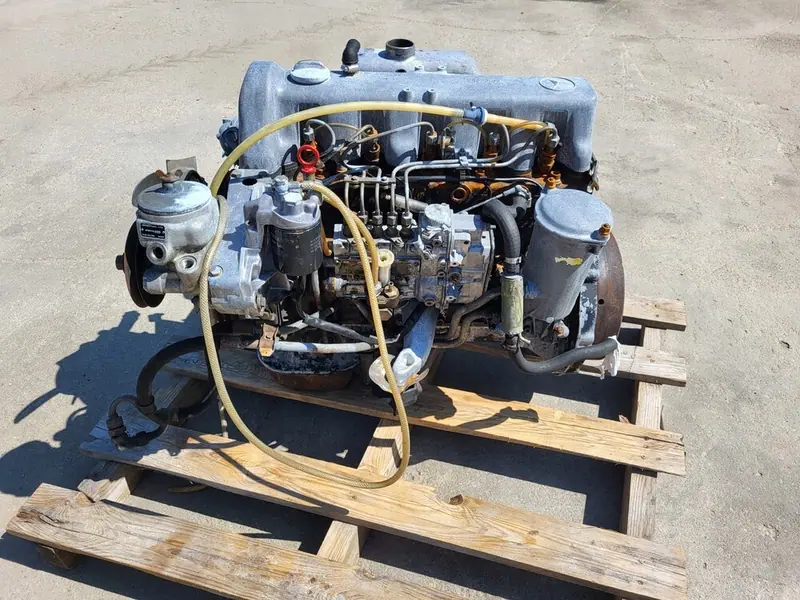
The secret behind the OM616 and OM617 was remarkably straightforward engineering.
- A cast-iron block and cylinder head provided exceptional durability.
- A mechanical Bosch injection pump could tolerate fuel quality that would cause problems for more sophisticated systems.
- There was virtually no engine electronics to worry about.
- The five-cylinder OM617 produced only around 80 horsepower from 3.0 liters in some applications. By modern standards, that's modest output, but the low specific power also meant relatively low mechanical stress.
These engines became famous for continuing to work in places where repairs might involve little more than basic hand tools and improvisation.
Why Did Mercedes Stop Building Them?
By the 1990s, old-school mechanical diesels could no longer meet increasingly strict emissions and noise requirements. They were heavy, relatively smoky and inefficient by modern standards.
Mercedes-Benz moved toward electronically controlled diesel engines with common-rail injection. The newer engines were quieter, cleaner and more powerful, but they also introduced considerably more complexity.
The OM617 era eventually came to an end, closing the chapter on one of Mercedes-Benz's most durable diesel families.
Ford 4.6 Modular V8: The Engine That Put America to Work
500,000 Miles Wasn't Unheard Of
The Ford Crown Victoria became one of America's defining police and fleet vehicles, and its 4.6-liter Modular V8 earned a reputation for surviving the kind of abuse that would destroy lesser engines.
Police cars routinely spent hours idling with radios, air conditioning and emergency equipment running. Then came high-speed pursuits, hard acceleration and repeated cycles of severe-duty operation.
Fleet operators and police departments valued the 4.6-liter V8 because it could take that punishment for years.

What's the Secret?
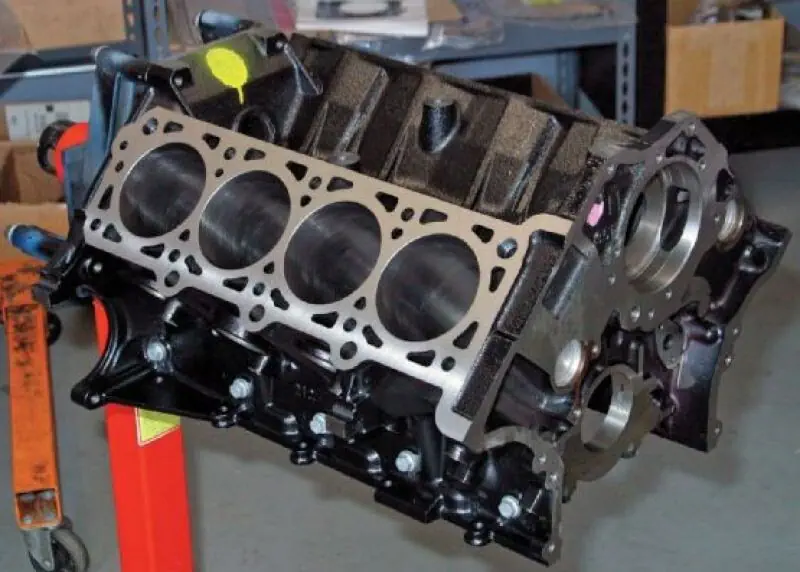
Many versions of the 4.6-liter Modular V8 used a cast-iron block, and the engine's bottom end was designed with considerable structural rigidity.
One of the most notable features was its cross-bolted main-bearing arrangement. The main bearing caps were secured not only vertically but also laterally through the sides of the block, creating an exceptionally rigid foundation for the crankshaft.
That robust architecture helped the 4.6-liter earn its reputation for high-mileage durability in taxis, police cars and other fleet applications.
The End of an Era
Ford built the final Crown Victoria in 2011, bringing an end to one of America's longest-running full-size sedan platforms.
Depending on the application and model year, the 4.6-liter V8 produced roughly 220 to 250 horsepower. It was hardly a modern fuel-economy champion, but its simplicity and durability made it a favorite among fleet operators.
Ford eventually moved toward newer engines, including the 5.0-liter Coyote V8, which delivered substantially more power and modern technology.
The Coyote was faster and more efficient. But the old 4.6 had already earned its place in American automotive history.
Toyota 2JZ-GTE: The Six-Cylinder That Became a Tuner Legend
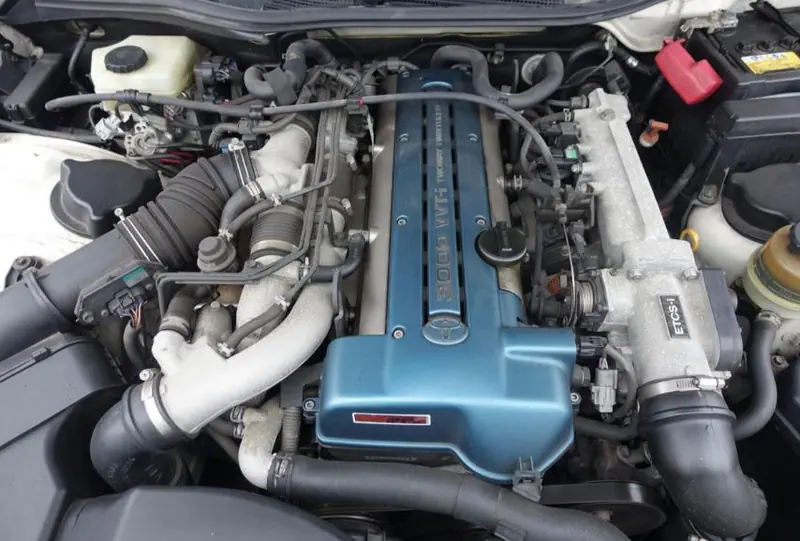
320 Horsepower on Paper, Far More With the Right Turbo
The Toyota 2JZ-GTE became famous in the United States as the twin-turbocharged 3.0-liter inline-six powering the fourth-generation Toyota Supra.
In Japan, the engine was officially rated at 280 horsepower under the country's historical power-output agreement. U.S.-market versions of the Supra were rated at 320 horsepower.
The 2JZ's reputation, however, was never really about its factory rating.
Toyota gave the engine a stout cast-iron block and a heavily engineered bottom end. The result was an engine capable of handling substantially more power than its factory specification suggested.
Once aftermarket tuners began fitting larger turbochargers and upgrading fuel systems, the 2JZ-GTE developed a reputation for handling enormous power increases while retaining its basic architecture.
That combination of strength, tuning potential and durability turned the 2JZ into one of the most celebrated performance engines of the modern era.
Why Did Toyota Stop Making It?
Toyota ended production of the Supra in the early 2000s, and the 2JZ-GTE disappeared with it.
Newer Toyota engines moved toward lighter construction, modern emissions systems, variable valve timing and more sophisticated engine management. They were designed for a completely different automotive environment.
The 2JZ survived in the aftermarket, however, where its reputation only grew stronger.
Volvo Redblock: The Red Engine Behind a Guinness World Record
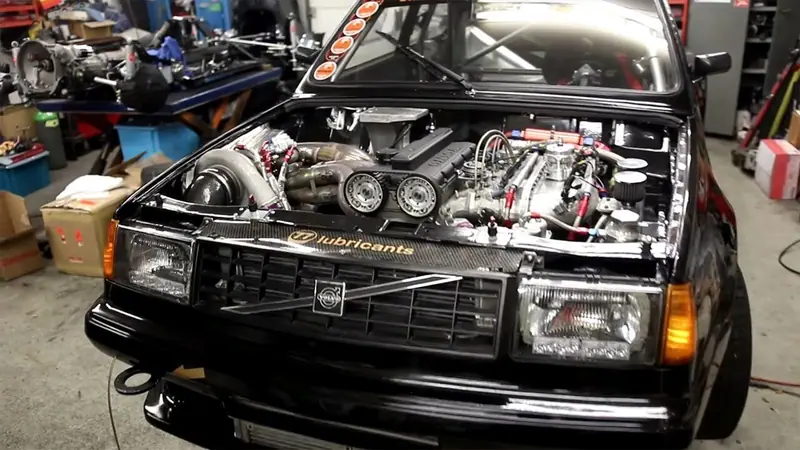
3 Million Miles on One Car
In 1966, American teacher Irv Gordon bought a Volvo P1800 equipped with a B18 four-cylinder engine.
Over 52 years of ownership, Gordon drove the car more than 3 million miles, setting a Guinness World Record for the highest documented mileage driven by the original owner of a non-commercial vehicle.
The engine was rebuilt only twice during that incredible journey—first at roughly 680,000 miles and again after another 930,000 miles.
Gordon was meticulous about maintenance, changing the oil frequently and personally tending to the engine's twin carburetors.
The cast-iron engine ultimately outlasted its owner, who died in 2018.
The Redblock Formula
Volvo's legendary Redblock family included inline-four engines ranging from roughly 1.8 to 2.3 liters.
The formula was simple: a sturdy cast-iron block, robust internal components and relatively little electronic complexity. The engines were designed to tolerate a wide range of operating conditions.
They became known as "Redblocks" because many Volvo engines were painted red.
The End of the Redblock
The Redblock era eventually came to an end as Volvo moved toward newer engine designs and increasingly stringent emissions and safety requirements.
The old architecture was simply not suited to the direction the company was taking. Volvo moved toward lighter aluminum engines and more modern powertrains.
The new engines remained reliable, but the extraordinary mileage records associated with the Redblock became increasingly rare.
Why Modern Engines May Never Match Those Mileage Records
Reason No. 1: Cast Iron Lost Ground to Aluminum
Cast iron is considerably heavier than aluminum, which is one reason modern automakers increasingly favor aluminum engine blocks.
Aluminum also transfers heat more quickly, helping an engine reach operating temperature sooner. That can improve efficiency and reduce emissions during cold starts.
The heavy cast-iron engines of the past were built for durability first. Modern engines have to balance durability with weight, efficiency, emissions and performance.
Reason No. 2: Complexity Replaced Simplicity
A modern turbocharged engine can produce impressive power from a relatively small displacement. But achieving that performance requires considerably more hardware and software.
Direct fuel injection, turbocharging, variable valve timing, emissions-control systems, particulate filters on some engines, catalytic converters, numerous sensors and sophisticated engine computers all add complexity.
Every additional component is another potential failure point.
That doesn't mean modern engines are poorly engineered. Quite the opposite. They're remarkably sophisticated machines designed to meet requirements that simply didn't exist when these old engines were developed.
Reason No. 3: Cars Are Built for a Different Market
Automakers today have to meet increasingly demanding requirements for emissions, fuel economy, safety, performance and cost.
A vehicle designed to remain on the road for half a century isn't the only goal. Manufacturers have to build engines that are efficient, powerful, clean and affordable while meeting modern regulations.
The result is a very different engineering philosophy from the one behind the old mechanical diesels and heavy-duty cast-iron engines.
Reason No. 4: Drivers Have Changed
The average American driver puts roughly 12,000 to 15,000 miles on a vehicle each year.
Most buyers aren't shopping for an engine capable of running for 3 million miles. They're looking for better fuel economy, more power, lower emissions, modern technology and a comfortable ownership experience.
For many consumers, a new vehicle every several years is simply more practical than keeping the same car for decades.
The Legends Are Gone, But They're Not Forgotten
These engines represent an era when durability was often built into a powertrain through simplicity, conservative output and heavy-duty construction.
They could survive extreme temperatures, questionable fuel and years of hard use. Some accumulated mileage that sounds almost impossible today.
You can't walk into a dealership and buy a new engine with the same combination of simplicity and legendary longevity. But these powerplants are still alive in collector cars, old fleet vehicles, specialty applications and enthusiast garages.
They didn't disappear because they suddenly became bad engines.
They disappeared because the automotive world moved on—to cleaner emissions, lighter materials, greater efficiency, more power and vastly more sophisticated technology.
And for anyone who remembers what truly overbuilt machinery felt like, that's a little bittersweet.
You may also be interested in the news:

Why Colored Stripes on New Tires Confuse Drivers: What They Really Mean
A blue stripe on one tire brand can mean something entirely different on another, leaving drivers wondering what the markings mean.
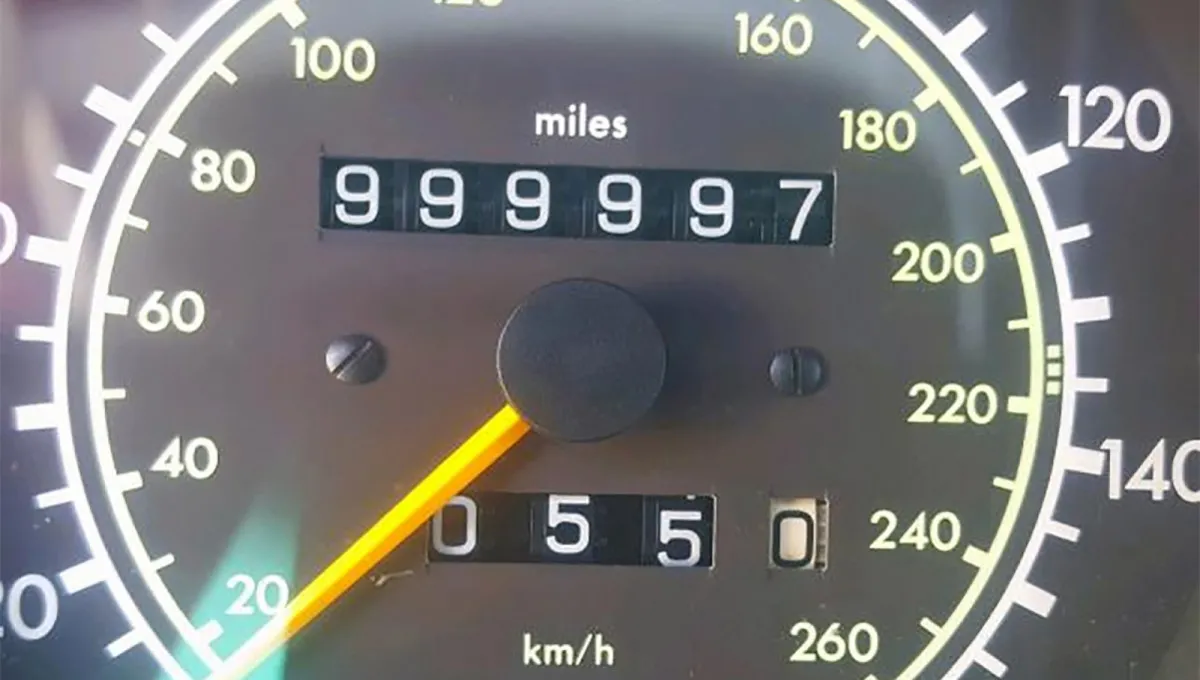
These 8 Cars Went Over 1 Million Miles — They Just Don’t Build Them Like They Used To
Some cars outlast generations of owners, proving that careful maintenance and durable engineering can deliver extraordinary mileage.
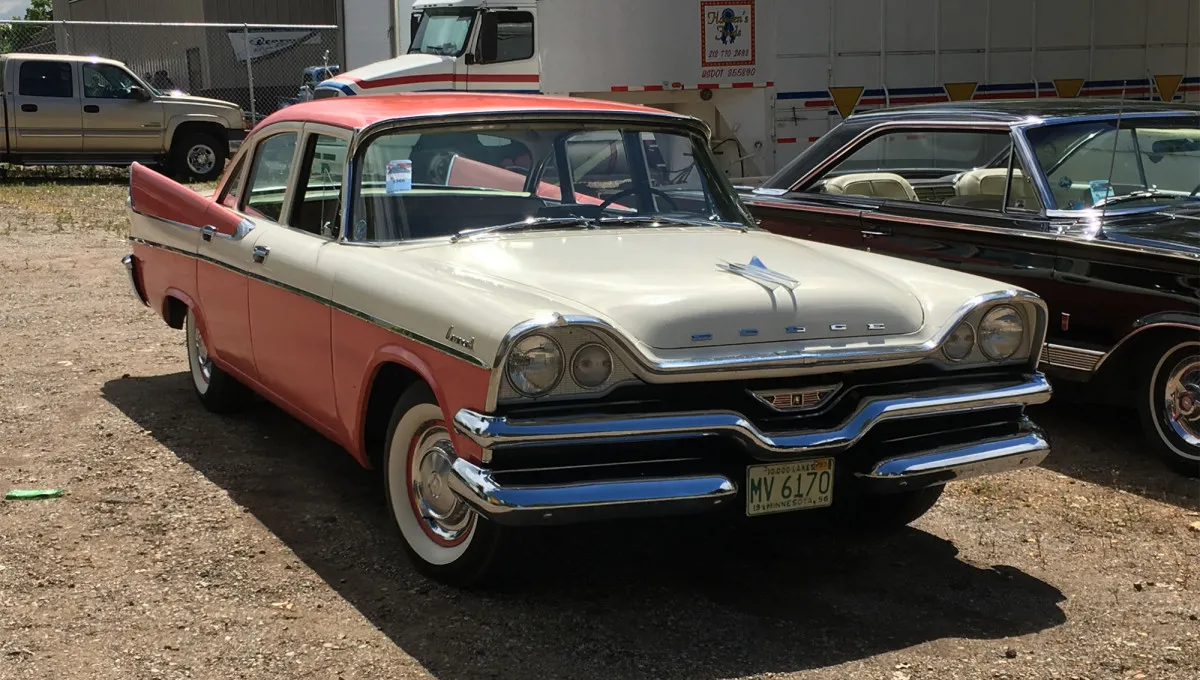
The 1957 Dodge: How “Autodynamics” Shaped One of Detroit’s Boldest Designs
The 1957 Dodge Looked Like a Dream Car, but Its Biggest Flaw Was Hiding Beneath the Surface.
Two Ferrari F40s Spotted on Google Maps Turn Out to Be Pontiac Fiero Replicas
Two Ferrari F40 lookalikes spotted on Google Maps in Spain turned out to be replicas built on an American sports car.
Your Speedometer Says 65 MPH, but Your GPS Says 62 — Here’s Why Your Car Does That
Your speedometer reads 65 mph, but your GPS says 62 mph. Here’s why the numbers rarely match.