
10 Cars That Arrived Too Early
Which cars were clearly ahead of their time?

Some cars simply hit the market at the wrong moment. Not because they were bad, but because buyers weren’t ready for their design, price, technology or even the basic idea behind them. Years later — sometimes decades later — similar concepts became commonplace. Those early models are remembered differently today, less as oddities and more as bold attempts to glimpse the future.
1. Chrysler Airflow

The Chrysler Airflow arrived at a time when cars were expected to look substantial, heavy and familiar. Instead, it featured a streamlined body, smooth lines and a different approach to body placement. For the 1930s, it was a radical departure.
The Airflow introduced several ideas that would eventually become standard:
- A streamlined body
- A roomier cabin
- More thoughtful packaging
- Greater attention to aerodynamics
- A move away from overly boxy styling
2. Citroën DS

The Citroën DS looked as if it had accidentally arrived from another decade. Its low nose, unusual body lines, soft suspension and unconventional seating position set it apart from the typical cars of the 1950s.
Buyers noticed it, but not everyone immediately understood it. To some, it was a technological marvel. To others, it was an overly complicated French fantasy. Eventually, the DS's emphasis on comfort, aerodynamic styling and advanced engineering became far more common in luxury cars.
3. Tucker 48
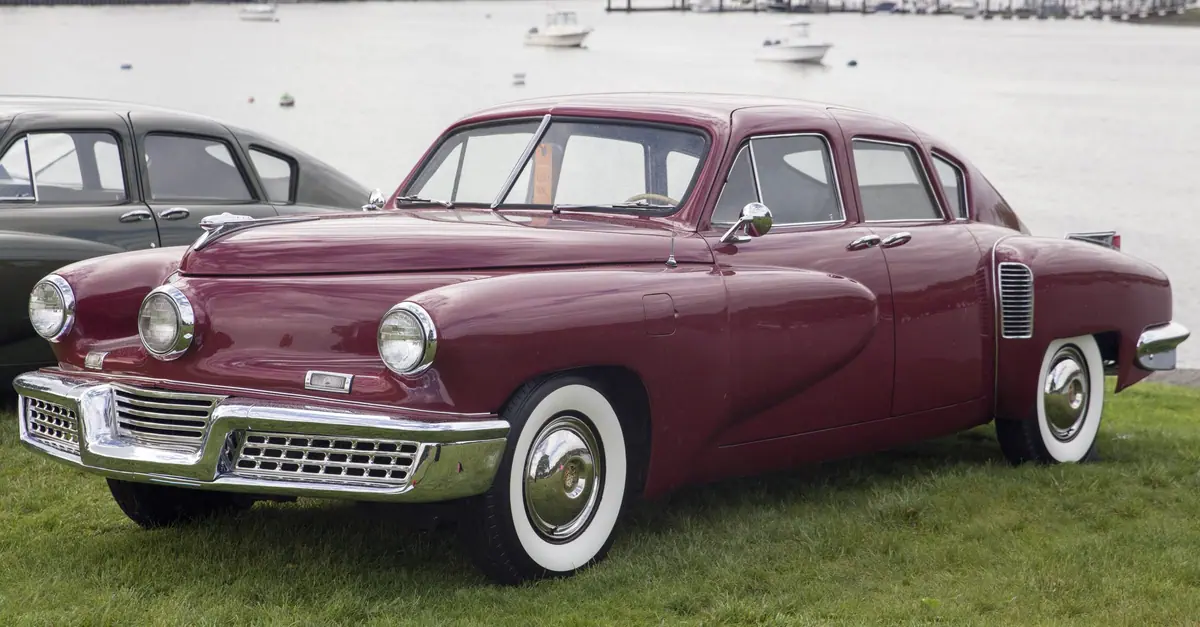
The Tucker 48 became a legend despite being produced in very limited numbers. It was unlike most American cars of the late 1940s, with its center-mounted directional headlight, fresh styling and serious focus on safety.
The market, however, was driven by different priorities. Big engines, chrome, size and status were what sold cars. Safety had not yet become something the average buyer was willing to pay extra for or demand from automakers.
4. NSU Ro 80

The NSU Ro 80 didn't look like a typical 1960s sedan. It had a wedge-shaped profile, front-wheel drive, impressive aerodynamics and a rotary engine. Even today, it doesn't look particularly old, which made its styling almost provocative when it debuted.
Its biggest problem was mechanical. The rotary engine demanded careful maintenance and high-quality service, and mass-market buyers weren't ready for that level of commitment. The car could turn heads, but questions about reliability and ownership costs limited its appeal.
5. AMC Eagle

Today, it's easy to describe the AMC Eagle as an early crossover. When it debuted, however, the modern crossover concept didn't really exist. It was essentially a passenger car with four-wheel drive, increased ground clearance and a more practical attitude.
Later, those same traits became the foundation of the crossover:
- Four-wheel drive
- Increased ground clearance
- A versatile body
- Car-like seating and driving characteristics
- The ability to handle both city streets and rougher roads
6. General Motors EV1

The General Motors EV1 was an electric car from an era that didn't yet know what to do with electric vehicles. Its aerodynamic shape, enclosed rear wheels and body designed to reduce drag were all focused on maximizing efficiency.
The problem wasn't just the car itself. The infrastructure around it wasn't ready. Charging stations were scarce, drivers had no established EV habits, battery technology raised plenty of questions, and gasoline-powered cars were far easier for most consumers to understand.
Today, the EV1's basic logic seems obvious: reduce aerodynamic drag, use electric power and create a quieter, more efficient approach to urban transportation. Back then, though, it was simply too early and too unfamiliar.
7. Audi A2

The Audi A2 was a small car with big ambitions. Its aluminum construction, fuel efficiency, tall body and practical interior all made sense on paper. But in the early 2000s, the concept proved difficult to sell.
Today, the A2's philosophy is much easier to understand. Vehicle weight, fuel economy, efficient packaging and practicality have become increasingly important. At the time, however, the A2 was arguably too sophisticated for what buyers expected from a small city car.
8. Honda Insight

The first-generation Honda Insight arrived before hybrids had become mainstream. It featured an unusual aerodynamic body, covered rear wheels and a small cabin. Almost every aspect of the car was designed around fuel efficiency.
Hybrids eventually became mainstream, but cars like the Insight helped pave the way. Its styling wasn't for everyone, but it demonstrated that a gasoline engine and electric assistance could work together in a practical production car.
9. BMW i3

The BMW i3 was unusually radical even for a brand known for experimentation. It wasn't simply a conventional hatchback with a battery pack. BMW developed it as a separate project, with an electric platform, carbon-fiber structure, unconventional doors and an interior featuring unusual materials.
Some of the i3's most notable ideas included:
- A dedicated electric platform
- Lightweight carbon-fiber construction
- Unconventional doors
- A compact urban body
- Interior materials with a strong emphasis on sustainability
Many of those ideas no longer seem strange. Electric vehicles are far more familiar, alternative materials receive much more attention, and compact urban EVs continue to evolve. When the i3 arrived, though, it looked like a car from a future that hadn't arrived yet.
10. Renault Avantime

The Renault Avantime was difficult to explain with a single label. It looked part minivan, part coupe and part grand touring vehicle. Its tall body, enormous doors, spacious cabin and unconventional styling made it impossible to ignore.
Today, mixing vehicle segments is hardly shocking. We have coupe-like crossovers, large liftbacks, unusual SUVs and vehicles designed to sit somewhere between established categories. The Avantime simply arrived at a time when the market wasn't ready for that kind of freedom.
You may also be interested in the news:
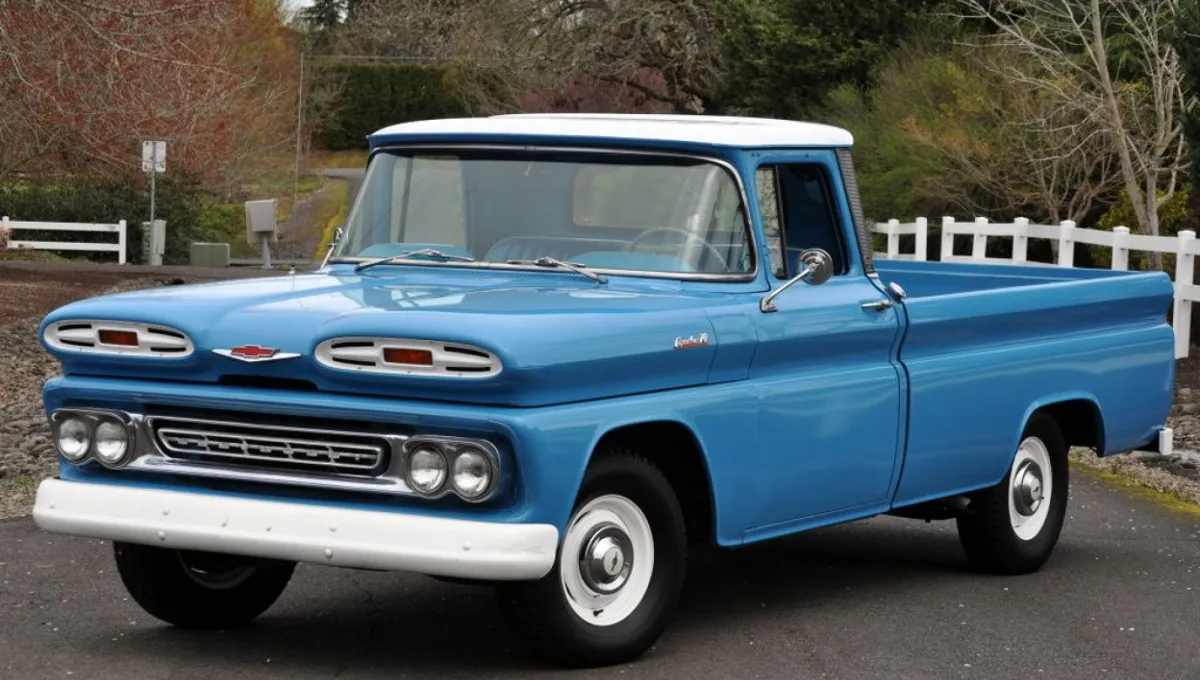
The 1960 Chevrolet Pickup: The Biggest Thing to Happen to Trucks Since Trucks Were Invented
Chevrolet unveiled an all-new pickup for 1960, calling it “the most important news since trucks came into being!”
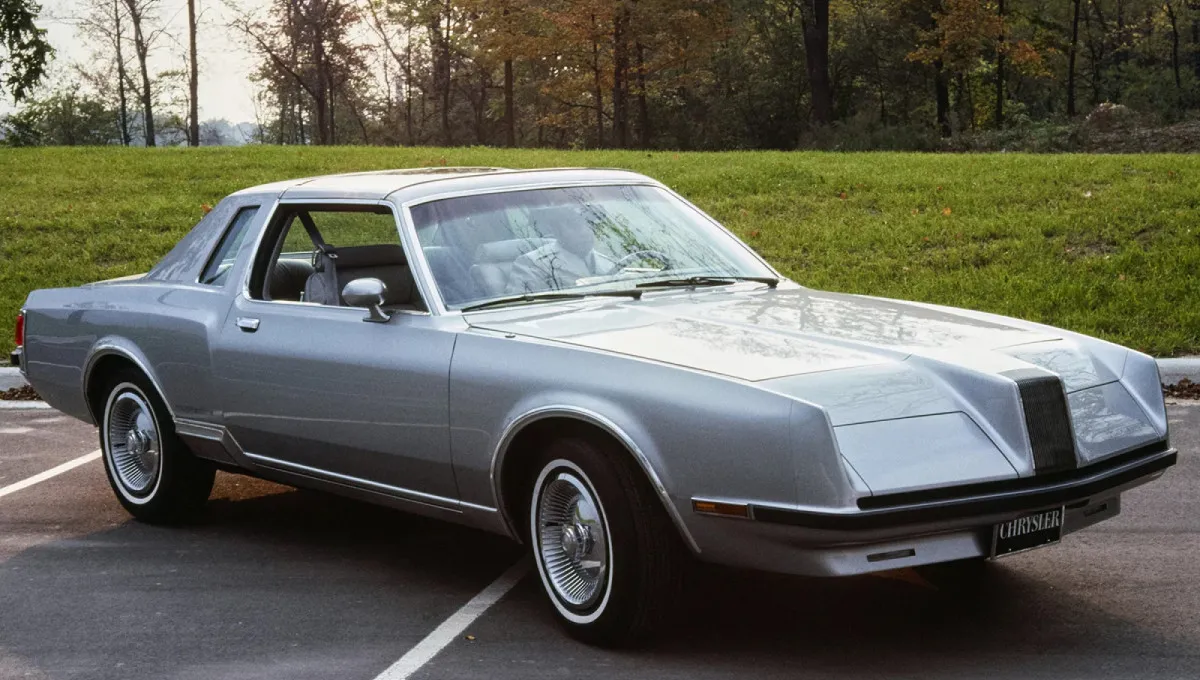
The 1977 Chrysler LeBaron Turbine: The Final Chapter of a 25-Year Experiment
Chrysler's 1977 LeBaron Turbine concept showcased decades of gas turbine research, but financial troubles ultimately brought the ambitious program to an end.
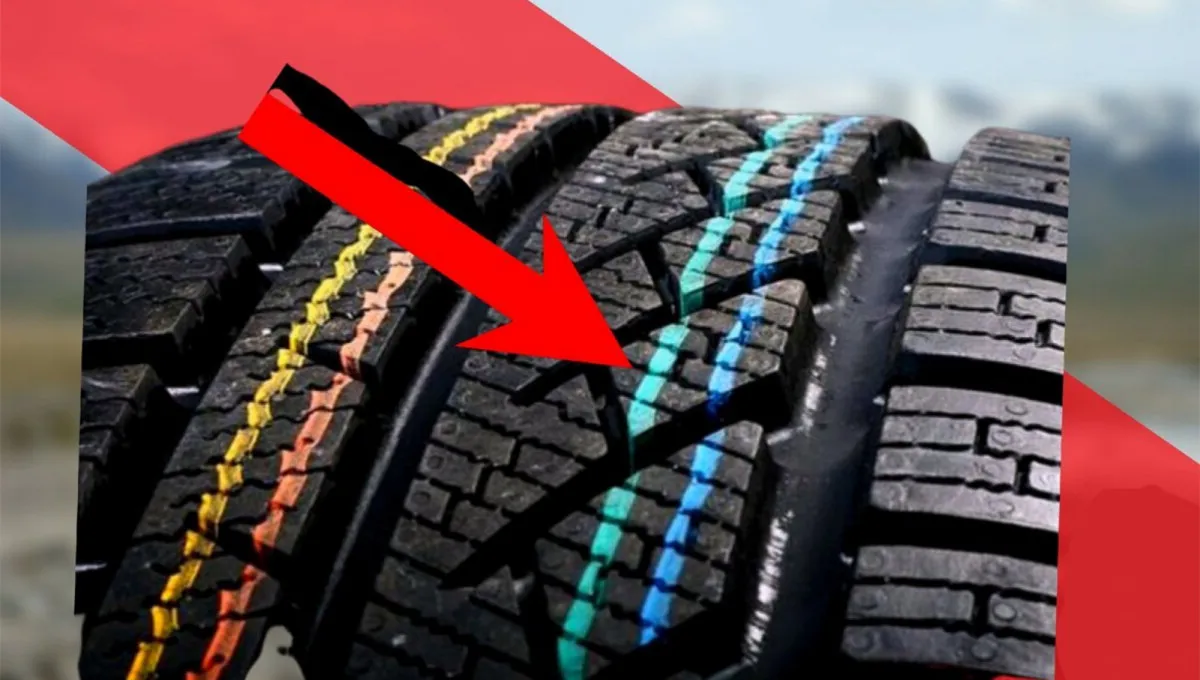
Why Colored Stripes on New Tires Confuse Drivers: What They Really Mean
A blue stripe on one tire brand can mean something entirely different on another, leaving drivers wondering what the markings mean.

These 8 Cars Went Over 1 Million Miles — They Just Don’t Build Them Like They Used To
Some cars outlast generations of owners, proving that careful maintenance and durable engineering can deliver extraordinary mileage.
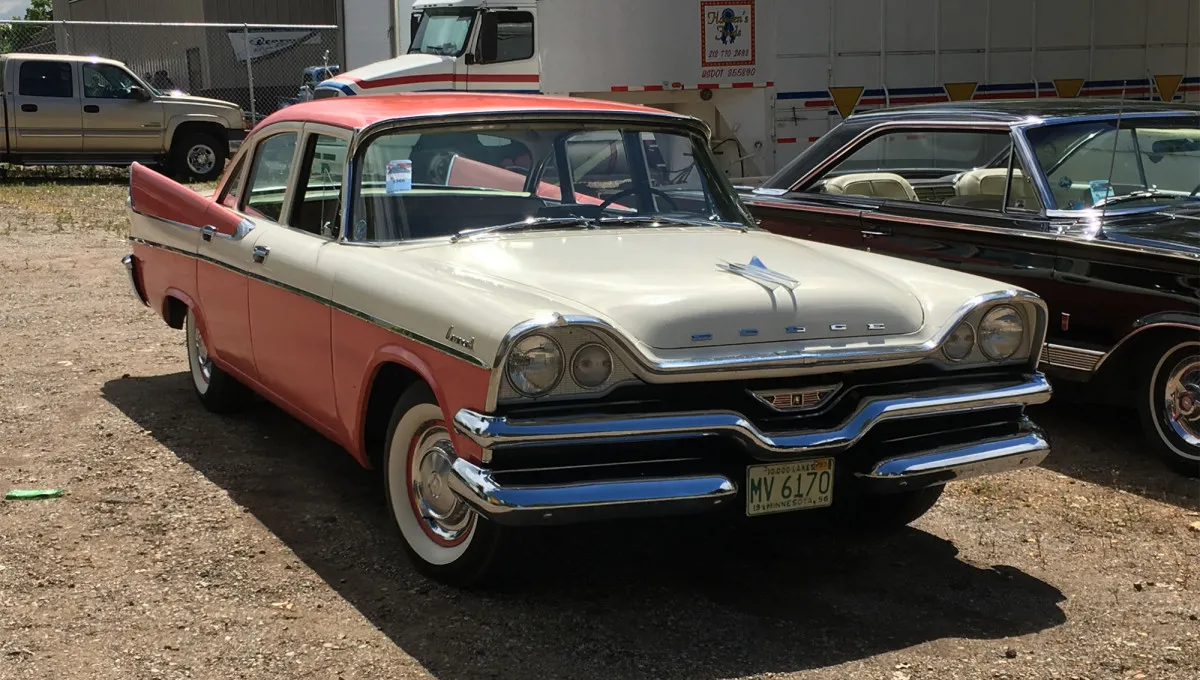
The 1957 Dodge: How “Autodynamics” Shaped One of Detroit’s Boldest Designs
The 1957 Dodge Looked Like a Dream Car, but Its Biggest Flaw Was Hiding Beneath the Surface.