
Your Car May Be Burning More Gas This Fall — Here’s the Surprising Reason Why
Colder temperatures, longer warm-up times and denser air can all cause your car to use more fuel in the fall.
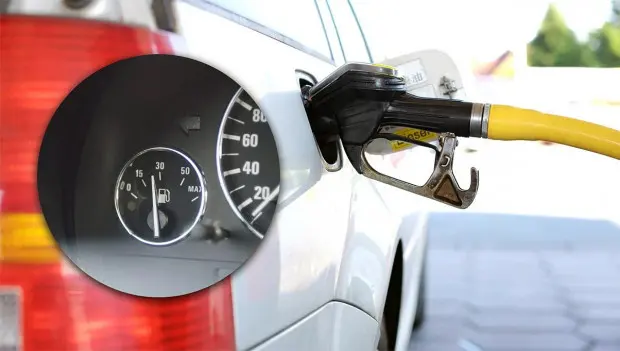
Many drivers notice that their car seems to burn through fuel faster in the fall than it did during the summer. Several physical factors are responsible, and they begin working together as temperatures drop. Here’s a closer look at why fuel economy can decline during the fall months.
What Changes When Temperatures Drop
Colder weather changes the conditions under which a vehicle operates and can force the powertrain to work harder.
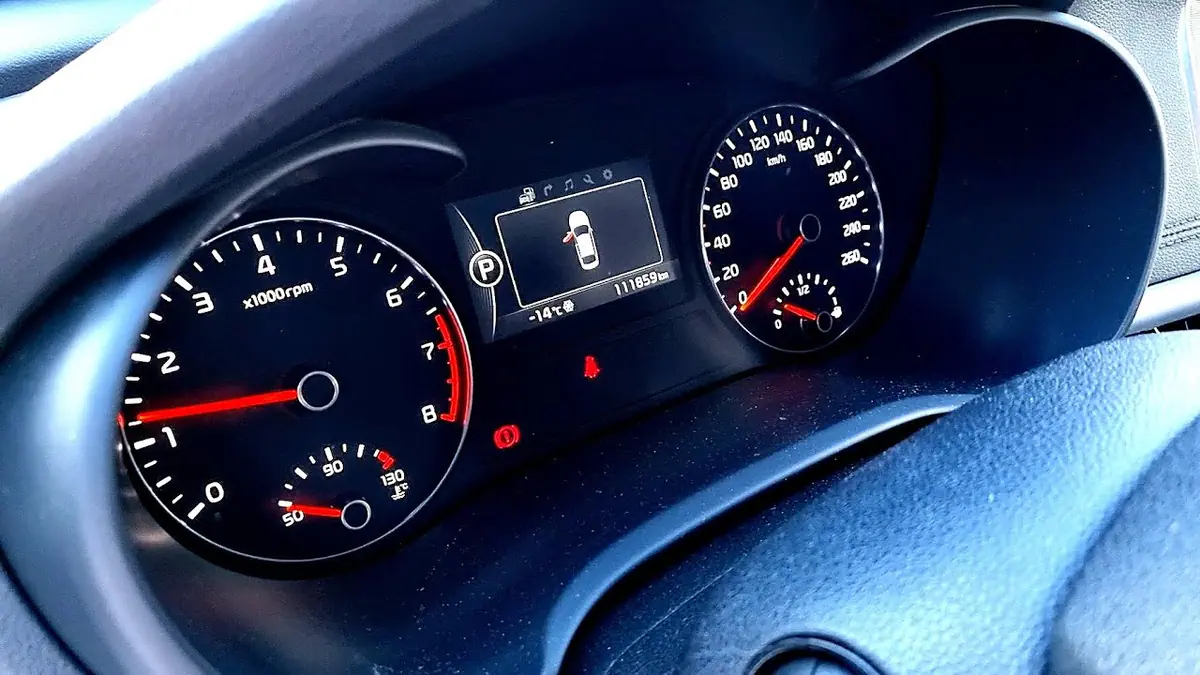
One of the biggest factors is the time it takes the engine to reach its normal operating temperature. Until it warms up, the engine computer typically delivers a richer fuel mixture to the cylinders, while cold engine oil becomes thicker and creates additional internal friction.
In summer, this warm-up period may last only a few minutes. In the fall, however, it can take up a much larger portion of a short trip. That’s one reason experts recommend combining several short errands into a single trip. Once an engine is fully warmed up, it generally operates more efficiently and uses less gasoline.
Another factor is the air itself. Cold air is considerably denser than warm air.
As a vehicle moves at highway speeds, denser air increases aerodynamic drag. The engine therefore has to produce more power to push the vehicle through the air, which can result in additional fuel consumption.
Why Tire Pressure Drops in the Fall
Fuel economy can also suffer because tire pressure naturally decreases as outdoor temperatures fall.
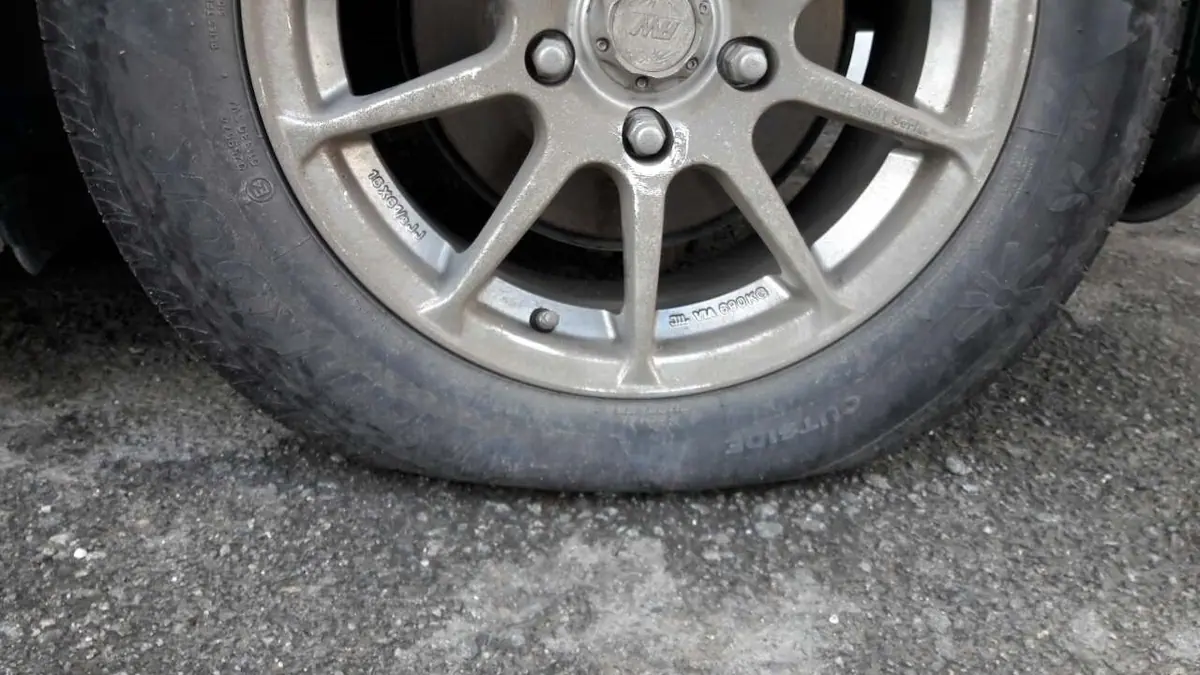
The air inside the tires contracts in colder weather. Underinflated tires create greater rolling resistance, forcing the engine to work harder to accelerate and maintain speed. That extra resistance can translate directly into lower fuel economy.
To keep fuel consumption under control, drivers should check their tire pressure regularly with a gauge and inflate the tires to the pressure recommended by the vehicle manufacturer.
You may also be interested in the news:
Your Brakes Squeal Every Morning? Here’s When That Noise Is Normal—and When It Could Mean Trouble
That sharp brake squeal first thing in the morning is often harmless—but persistent noise can point to worn or damaged brake components.
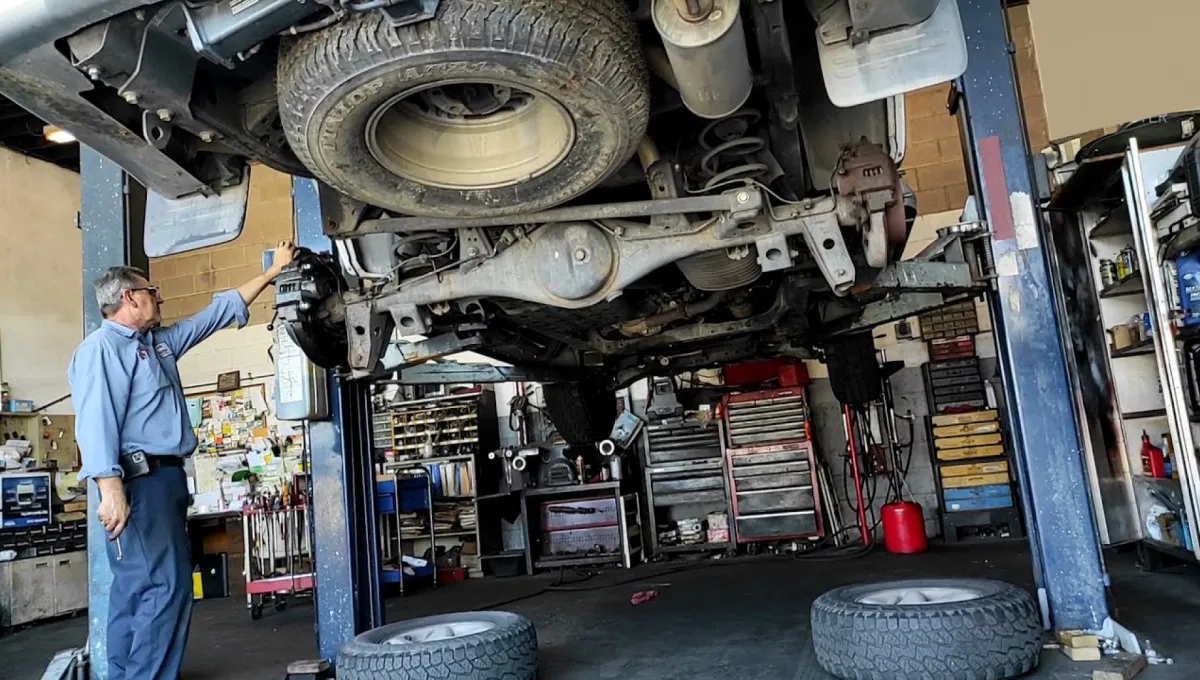
7 Car Repairs Mechanics Secretly Hate Taking on — Here’s Why Shops Say “No”
A mechanic explains why some seemingly routine repairs can become expensive nightmares for both shops and car owners.
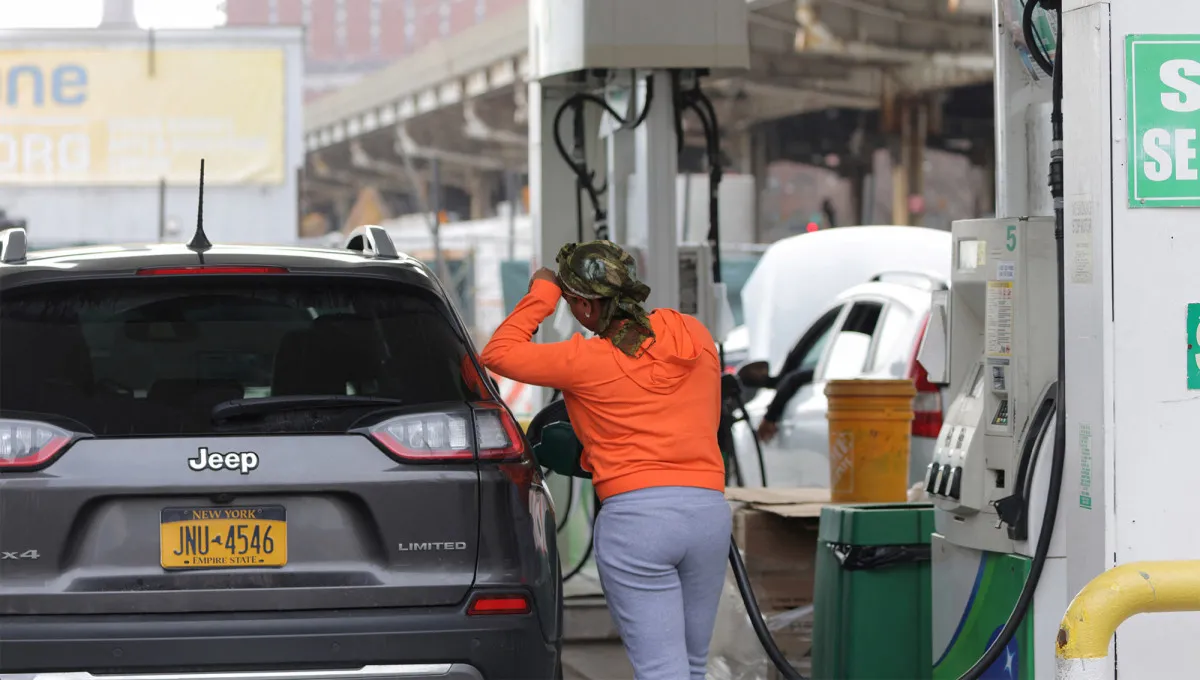
The “Gas-Saving” Tricks That Could Destroy Your Car — And What Drivers Should Do Instead
Some fuel-saving tricks can backfire, costing drivers far more in repairs than they ever save at the gas pump.
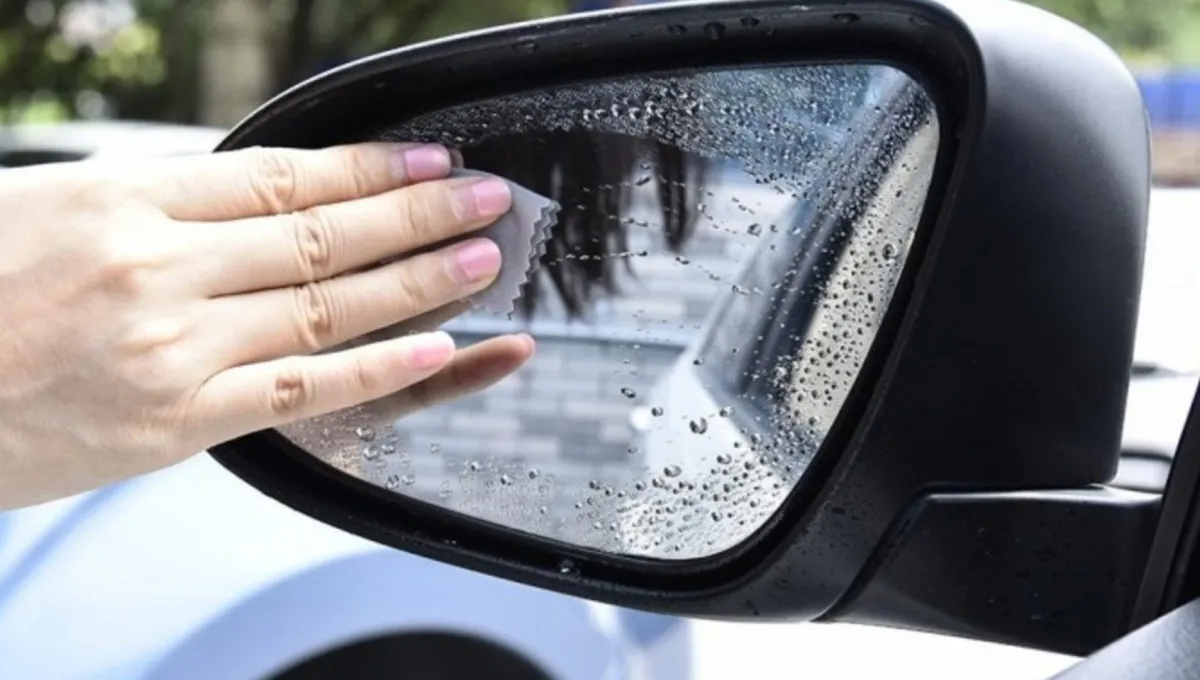
How to Protect Your Car Mirrors From Rain: A Simple Home Hack
A simple household product can help keep your car’s side mirrors clearer when rain makes visibility a challenge.
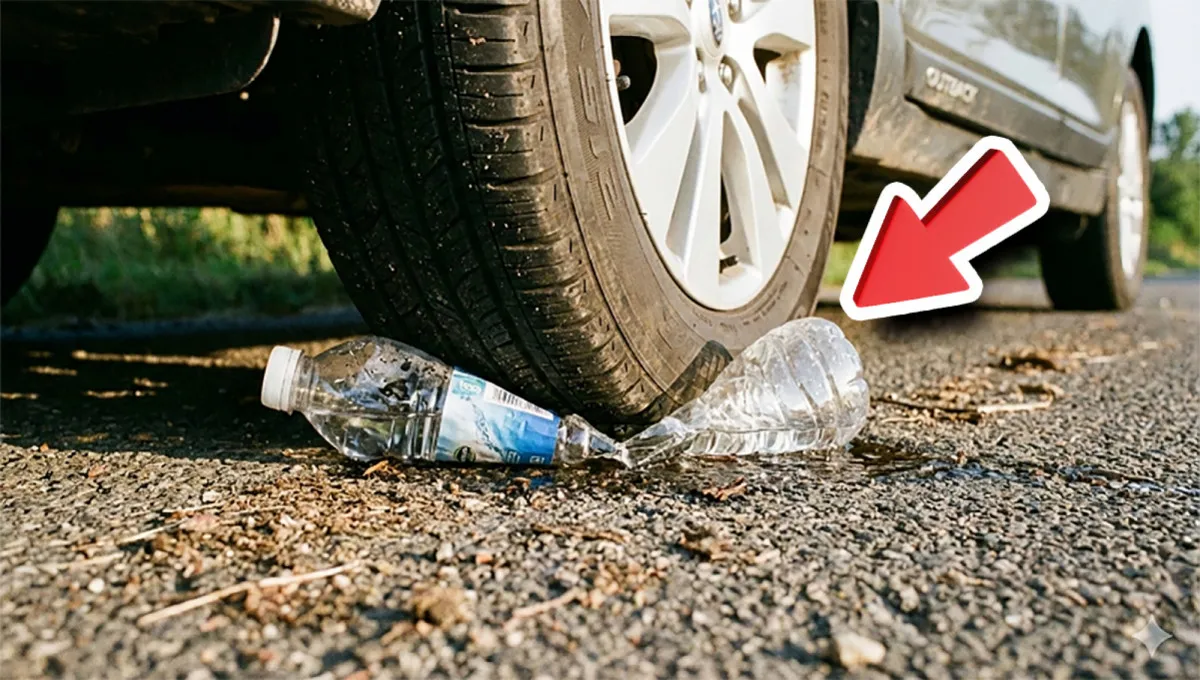
Bottle Under the Tire: The New Roadside Scam Targeting Drivers
A new roadside scam is gaining traction, using a simple plastic bottle to trick unsuspecting drivers.