
Europe Not Ready to Give Up Gas Engines: Carmakers Urge EU to Reconsider Ban on Internal Combustion Engines
European automakers are calling on the EU to rethink its planned ban on internal combustion engines.
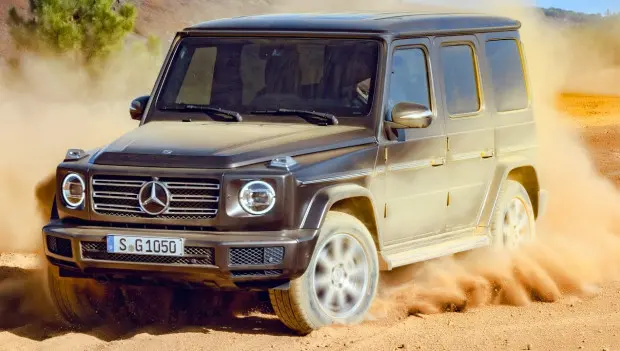
A few years ago, the European Union approved a strict roadmap for decarbonizing the auto industry: cut CO₂ emissions by at least 55% by 2030, and from 2035 completely ban the sale of new cars with internal combustion engines (ICE).
The decision sparked heated debate, and since then automakers have been pushing to ease the rules. They’ve already managed to secure some flexibility on interim targets, but the final 2035 ban on gas-powered vehicles remains in place.
Now the issue is back on the table. The European Automobile Manufacturers’ Association (ACEA) and the European Association of Automotive Suppliers have sent an open letter to Brussels urging the EU to cancel—or at least delay—the ban. The letter was signed by ACEA President and Mercedes-Benz CEO Ola Källenius, along with the head of the suppliers’ group.
The letter stops short of rejecting the EU’s climate goals. On the contrary, the companies emphasize they remain committed to cutting emissions and support the strategy of reaching net-zero by 2050. But they argue the current rules are becoming increasingly unrealistic. Automakers are asking regulators to “reconsider” the framework and give the industry more room to adapt to market conditions.
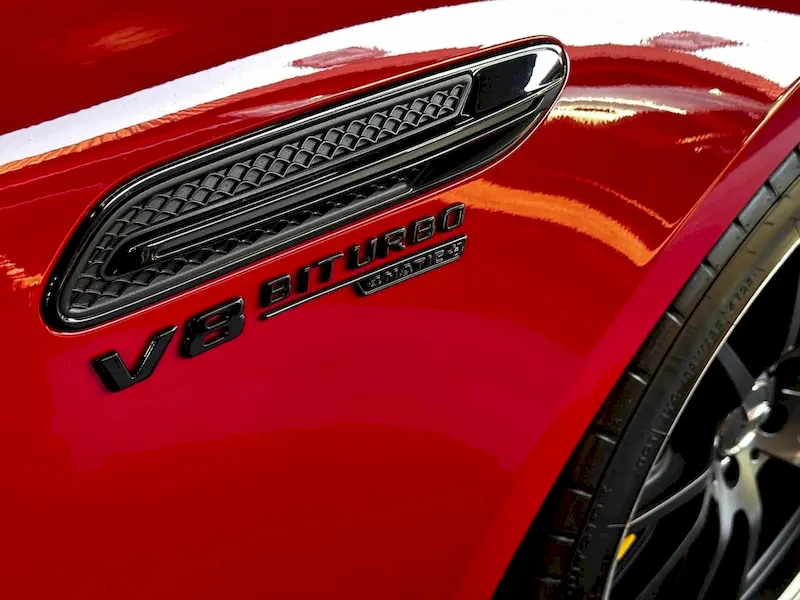
The key challenge they highlight is slowing EV sales. Today, electric cars make up about 15% of the European market. That’s higher than anywhere else in the world, but growth has already fallen short of expectations. Carmakers warn that pouring billions into producing vehicles consumers aren’t ready to buy in large numbers is simply too risky.
Instead of focusing solely on strict bans, the associations urge the EU to step up support. Their proposals include:
-
Expanding incentives for EV buyers
-
Major investments in charging infrastructure to make owning an EV easier and cheaper
-
Easing requirements on battery production and supply chains within Europe
Automakers also hint at the importance of hybrid technologies as a bridge solution—cutting emissions without forcing an abrupt end to gas-powered vehicles.
For its part, the EU remains firm: climate goals must be met. A key meeting in September will review the legislation in detail and consider possible adjustments. Brussels has previously shown a willingness to compromise, so the final outcome will likely fall somewhere in the middle—emission cuts will stay on course, but automakers may get a bit more time and flexibility.
You may also be interested in the news:
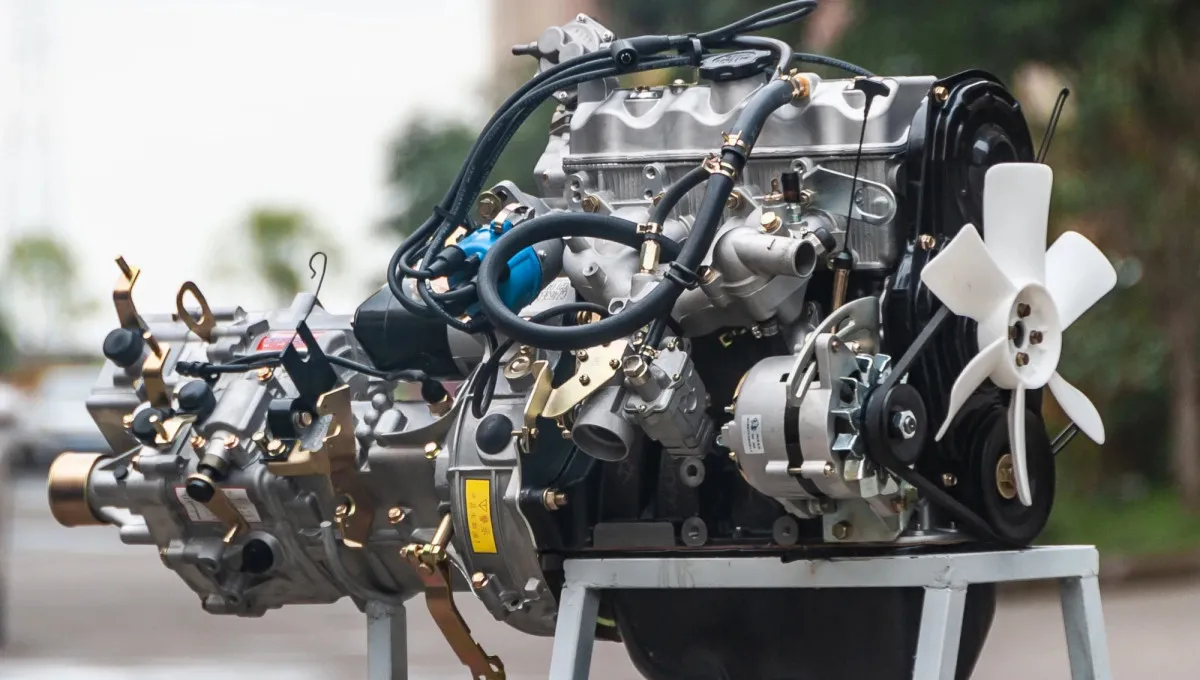
“Are You Sure It’s Chinese?” Who Really Builds China’s Car Engines
Who Really Develops China’s Car Engines?
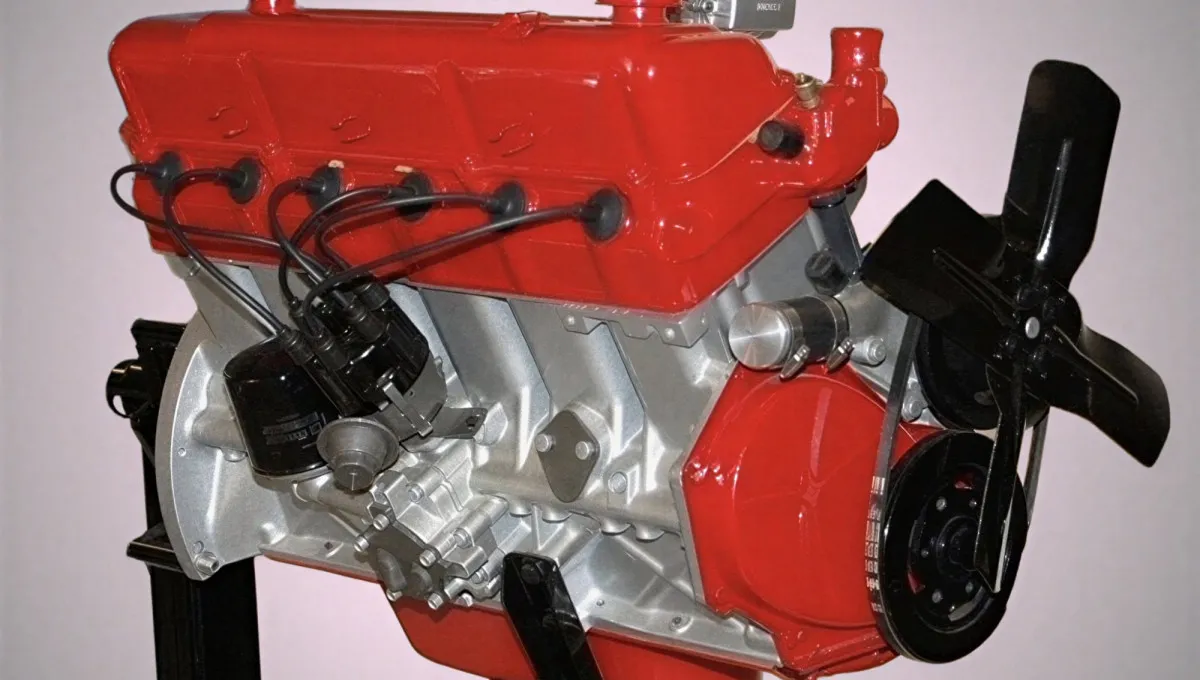
Chrysler's Aluminum Slant 6 Engine: The Lightweight Experiment of 1961–1963
Chrysler built more than 50,000 cars with an aluminum-block Slant 6 before production challenges brought the project to an end.
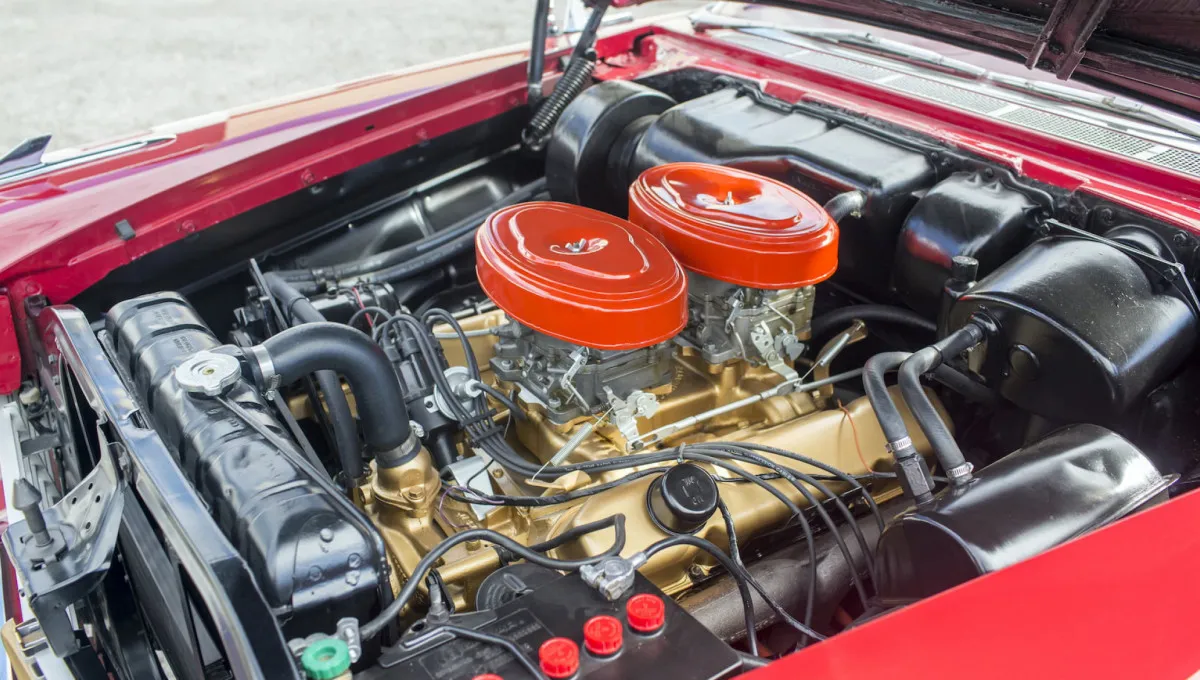
Chrysler’s Hemi Was Too Expensive to Build. Its 1958 Plan B Became a V8 Legend
After its famous Hemi V8s, Chrysler took a new direction in 1958 with a simpler, more affordable engine.
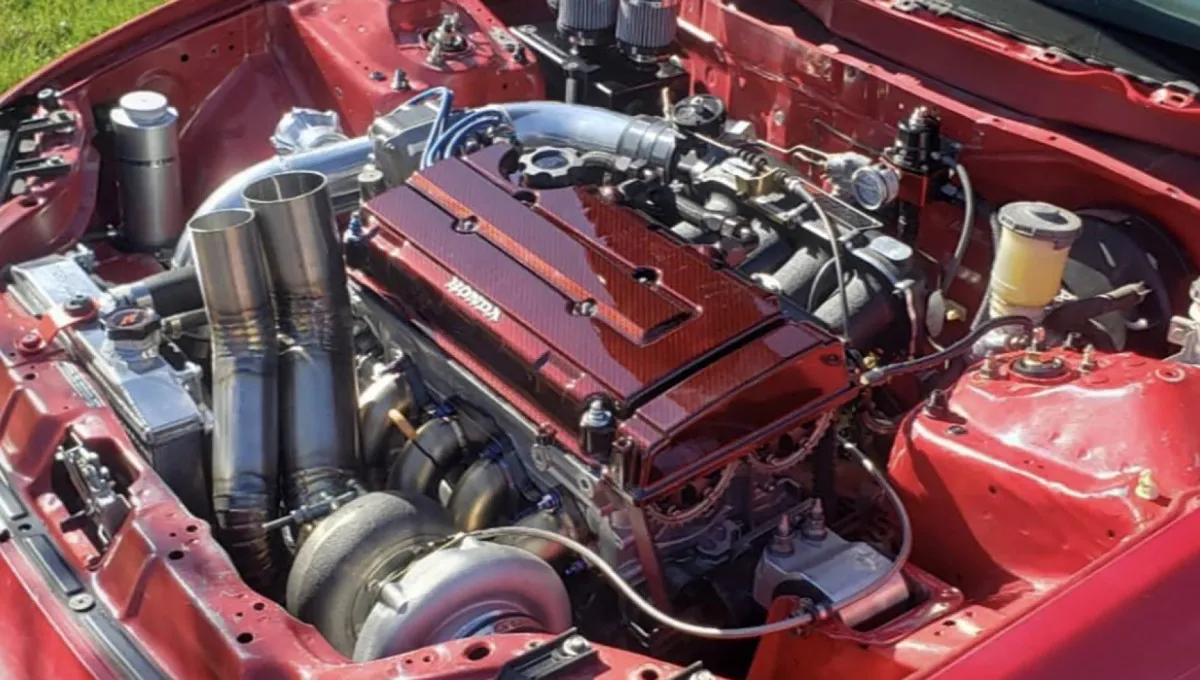
Honda K-Series Engines Can Go Past 300,000 Miles — Here's Why They're So Reliable
How long can a Honda K-series engine last, and what makes this family of Japanese engines so durable?
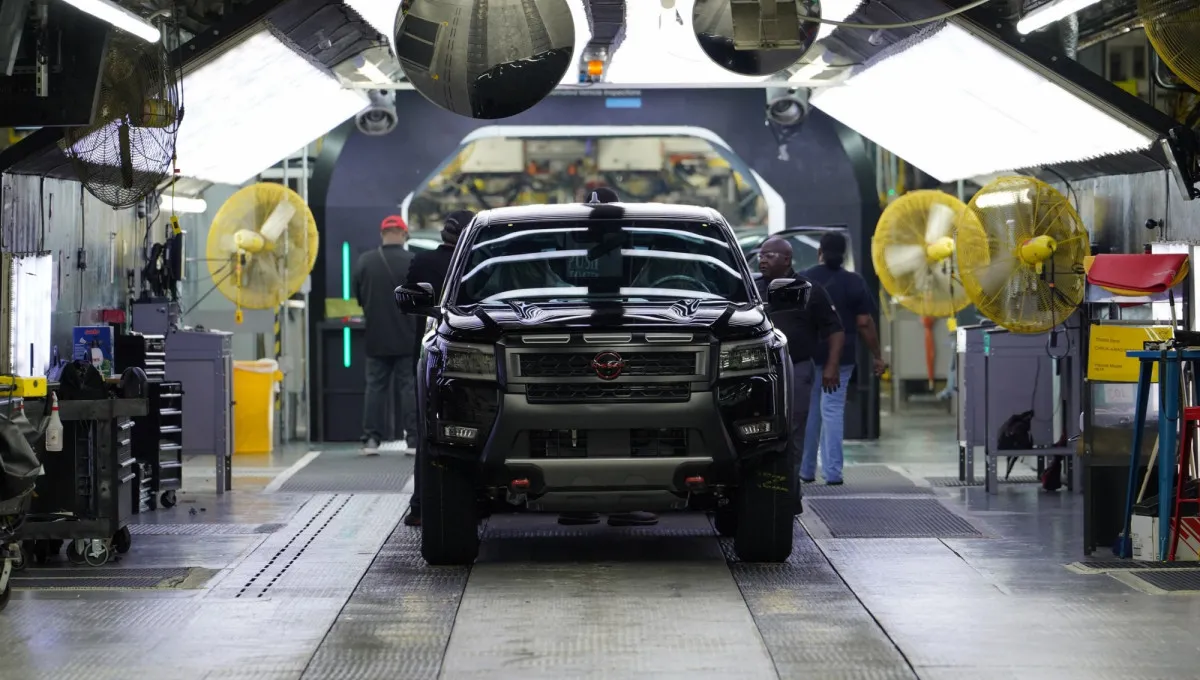
Nissan Restarts US-Made Murano, Pathfinder, Frontier Sales in Canada
Nissan resumed Canadian sales of three U.S.-built models, but tariffs keep supply below earlier levels.