
U.S. Slashes Billions in Auto Industry Funding: Ford, GM, and Startups at Risk of Losing Federal Support
In October, it emerged that the U.S. Department of Energy plans to make deep federal funding cuts — a move that could hit major automakers and promising startups alike.
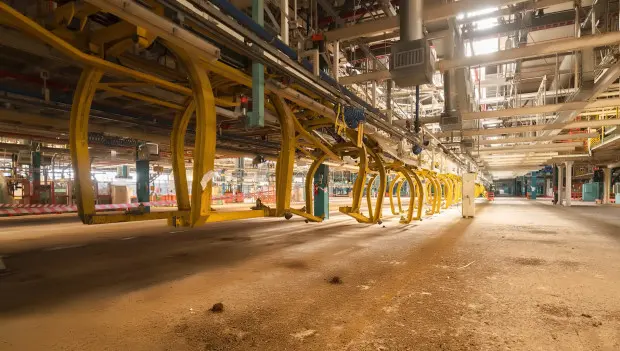
In October, reports surfaced that the U.S. Department of Energy (DOE) is preparing significant reductions to federal funding programs, potentially impacting a wide range of automakers and emerging technology companies. Among those at risk are Ford, General Motors, Stellantis, Daimler Trucks, Harley-Davidson, Mercedes-Benz, and Volvo Technology of America.
The cuts stem from the Trump administration’s decision to reduce the DOE’s budget by several billion dollars, effectively canceling large portions of funding previously allocated under the Infrastructure Investment and Jobs Act.
According to internal documents, the DOE plans to cancel projects worth more than $500 million among startups alone. The cuts affect not only automakers but also companies developing advanced materials, batteries, and construction technologies. For instance, GM risks losing $500 million in funding that had been designated for modernizing its Michigan plant to produce hybrid and electric vehicles.
Two of the largest startup grants on the chopping block involve Brimstone and Anovion. Brimstone had planned to build a plant for low-carbon construction materials, while Anovion aimed to produce synthetic graphite for EV batteries — part of a broader U.S. effort to reduce reliance on Chinese imports. Other affected initiatives include battery recycling, next-generation cement production, and advanced insulation materials. Companies such as CleanFiber, Hempitecture, Skyven Technologies, and Luxwall could lose tens or even hundreds of millions of dollars in expected funding.
Some of the canceled grants are also tied to energy infrastructure and artificial intelligence. One example is TS Conductor, which has been developing high-efficiency power lines capable of multiplying grid capacity — a crucial technology for ensuring stable electricity supplies to data centers. That project is now in jeopardy as well.
Overall, the sweeping budget reductions are expected to affect dozens of companies and could significantly slow the advancement of new technologies and manufacturing innovation across the United States.
You may also be interested in the news:
5 of the Most Beautiful Chevrolet Cars: Timeless Designs With Stunning Silhouettes
Which Chevrolet models deserve to be called the most beautiful?
Nissan Restarts US-Made Murano, Pathfinder, Frontier Sales in Canada
Nissan resumed Canadian sales of three U.S.-built models, but tariffs keep supply below earlier levels.
41,748 Ford SUVs and Trucks Recalled—Your Headlights Could Suddenly Stop Working
Ford recalls 41,748 vehicles after contaminated LED chips threaten required headlight performance on newer models.

The Sheriff Knew She Was Speeding—Then This Blonde Driver Turned the Ticket Against Him
A sheriff pulls over a Ferrari for speeding, but the driver's bizarre logic quickly turns the traffic stop against him.
Stellantis Patents System That Lets an EV Drop Its Battery and Drive Away
A new patent details an emergency system that could let an EV disconnect its high-voltage battery and move away from danger.