
How American Car Designers Ended Up Building Wood-Sided Cars — and Why the Style Stayed Trendy for So Long
Automotive trends can be just as fickle as the fashion world.
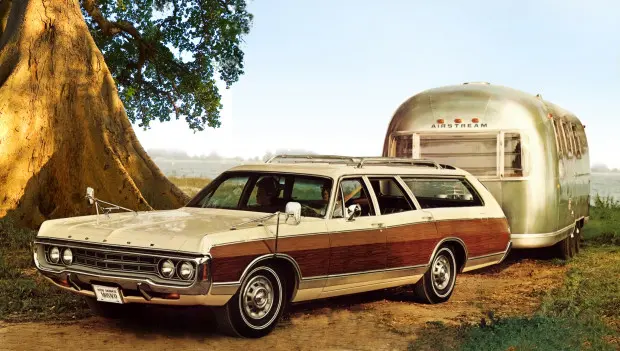
Automotive trends can be just as fickle as the fashion world. But some of them have unusually rich backstories and took very different paths depending on where they appeared. One of the best examples is the “Woody” style, known for using real wood—or at least the look of it—on a car’s exterior panels. And what’s most interesting is that while the trend never really took root in many countries, it proved remarkably resilient in the United States, staying popular for decades.
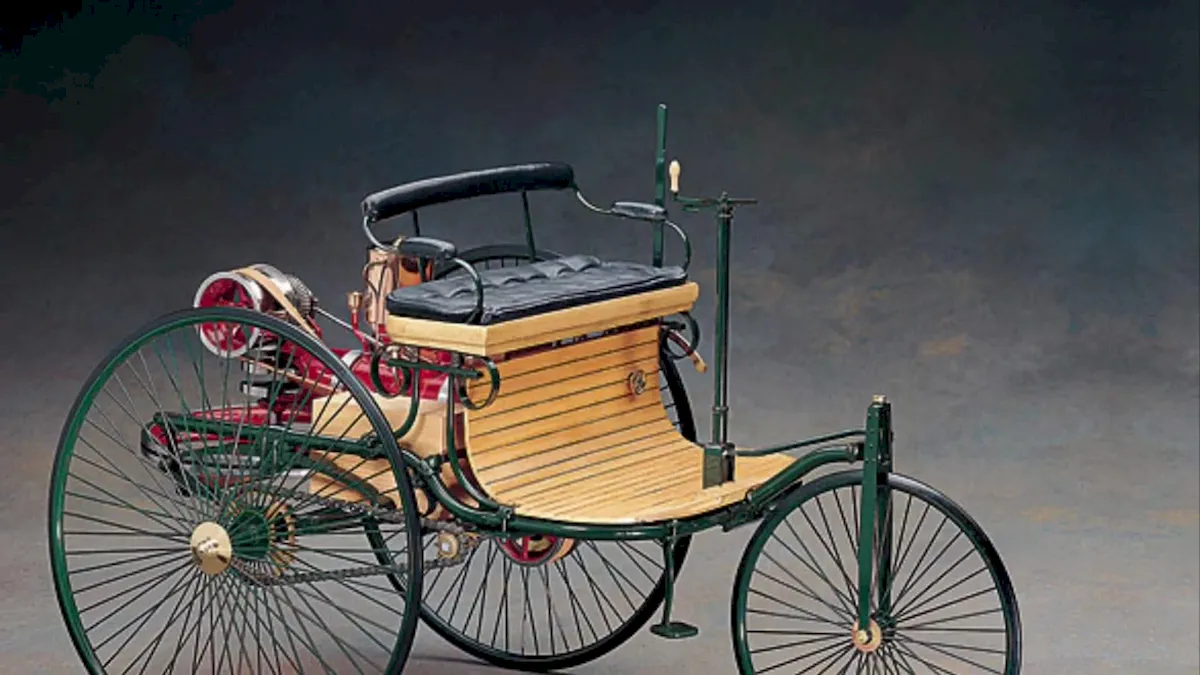
Historians and auto researchers trace the use of wood or wood-like materials in car design back to the early 1900s—essentially to the very first automobiles. After all, those early cars were, in many ways, motorized versions of the horse-drawn carriages people already knew. Carriages were built from wood, and that tradition carried straight over to the automotive pioneers. And even as fully steel bodies became the norm in the 1920s, wood didn’t disappear. According to Auto30.com, manufacturers and buyers alike still viewed it with a kind of fond respect.
That affection likely came from long-standing associations: finely crafted wood signaled luxury and refinement—just like the elegant carriages only aristocrats could afford. Combined with the technological limitations of early automaking, that nostalgia helped keep wood relevant as a material for exterior design.

Then came World War II, and even the military faced metal shortages. So it’s no surprise that civilian automakers leaned on wooden components as a way to conserve steel while still delivering vehicles. When the war ended, wood seemed to fall out of fashion—at least briefly. But by the mid-20th century, America was swept up in a wave of skeuomorphism, a design trend that celebrated imitations of traditional materials, including wood.
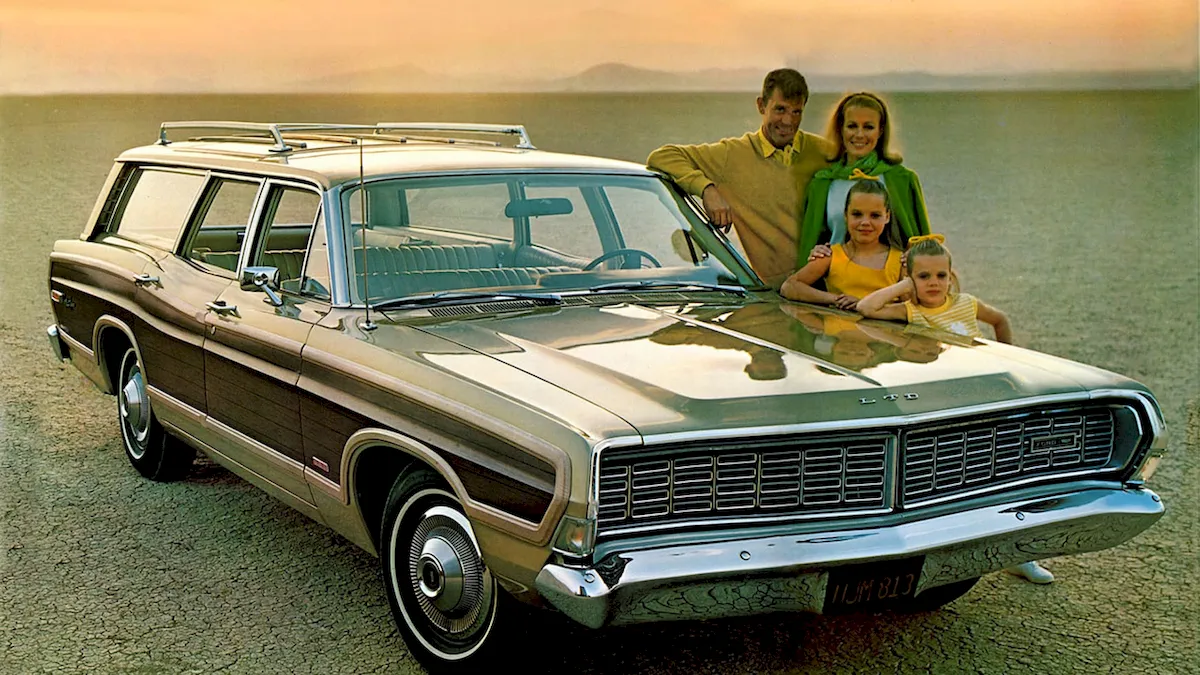
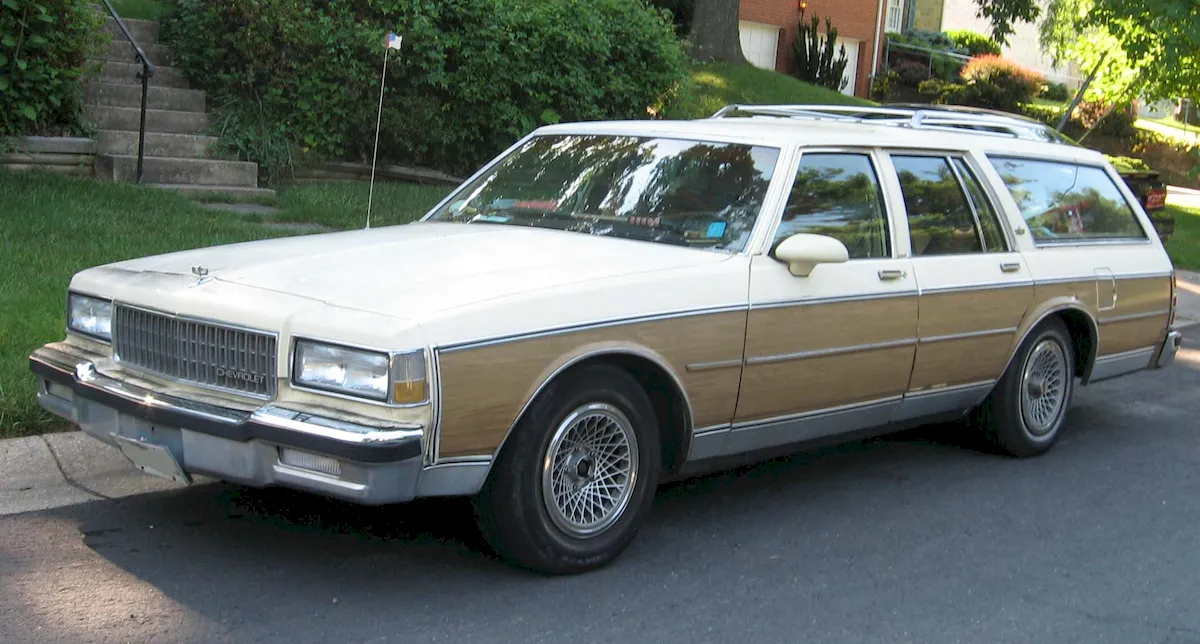
This wave kept the Woody aesthetic alive for roughly thirty years, turning it into a fully recognized style. Despite rapid technological progress, wood paneling—real or faux—continued to signal luxury and good taste, just as it had decades earlier. The most iconic examples were the “Woody Wagons,” wood-trimmed station wagons that became hugely popular with America’s growing middle class.
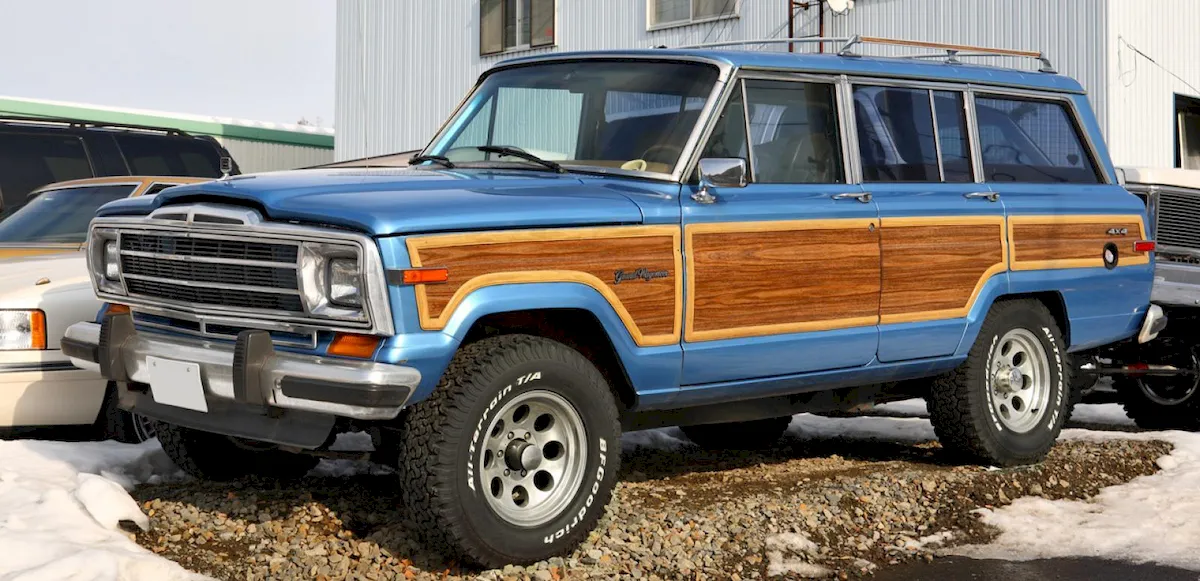
By the late 1980s, Woody styling was still hanging on, largely because so many Americans had grown up with these cars. It was no longer about projecting wealth—many people simply felt nostalgic, remembering the station wagons their parents once drove. As the 20th century drew to a close, the Woody trend finally faded. Today, it’s considered a charming relic of the past—still warmly remembered, even if it no longer shapes modern car design.
You may also be interested in the news:
The Dent Can Disappear Without a Trace: How to Repair Car Body Damage Without Paint
Paintless dent repair can restore a damaged panel to its original shape, but only when certain conditions are met.

Not Ford, BMW or Audi: Mechanic Names the Car Brand That Almost Never Breaks Down
Auto repair professionals reveal which models rarely suffer major failures and which ones repeatedly end up on the lift.

What Does a Flashing Red Traffic Light Mean? Can You Keep Driving?
Drivers must come to a complete stop at the stop line before deciding whether it is safe to proceed.

5 of the Most Beautiful Chevrolet Cars: Timeless Designs With Stunning Silhouettes
Which Chevrolet models deserve to be called the most beautiful?
Nissan Restarts US-Made Murano, Pathfinder, Frontier Sales in Canada
Nissan resumed Canadian sales of three U.S.-built models, but tariffs keep supply below earlier levels.