
LiDAR Market Darling Luminar Goes Under: Supplier to Mercedes-Benz and Tesla Files for Bankruptcy
The company has sought bankruptcy protection and plans to sell off its assets.
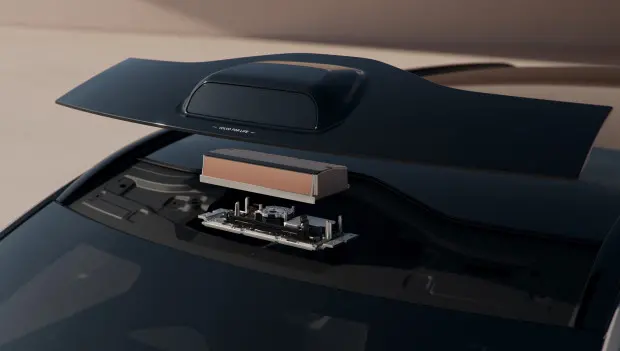
Founded in 2017, Luminar Technologies built its business around the development and production of LiDAR sensors—optical radar systems used to detect objects, measure distances, and map shapes for advanced driver-assistance and autonomous driving technologies. The company has now filed for bankruptcy protection and announced plans to sell its assets.
Luminar went public in 2020 through a SPAC merger, at which point the company was valued at roughly $3 billion. This year, however, a conflict of interest led to the removal of founder and CEO Austin Russell, who at one stage attempted to regain control of the company through a takeover bid. Luminar has also gone through multiple rounds of layoffs, while production volumes dropped sharply. As a result, Volvo confirmed it would stop using Luminar’s LiDAR systems in its 2026 model-year vehicles.
Under the bankruptcy protection process, Luminar will continue supplying products and providing technical support to existing customers. At the same time, the company is seeking regulatory approval in the U.S. to sell off its businesses, including both its LiDAR operations and its semiconductor-related assets. A buyer has already been lined up for the semiconductor unit: Quantum Computing plans to acquire it for $110 million. Once the bankruptcy proceedings and asset sales are completed, Luminar will cease to exist as an independent company.
Before its collapse, Luminar managed to secure LiDAR supply agreements with major names such as Mercedes-Benz, Volvo, Audi, Toyota, Caterpillar, and even Tesla. At one point, Tesla was reportedly Luminar’s largest customer—despite CEO Elon Musk’s well-known opposition to using LiDAR in driver-assistance systems. Tesla has never disclosed exactly how Luminar’s sensors were used, but they may have served for prototype calibration or for development work related to the company’s Optimus humanoid robot program.
You may also be interested in the news:
5 of the Most Beautiful Chevrolet Cars: Timeless Designs With Stunning Silhouettes
Which Chevrolet models deserve to be called the most beautiful?
Nissan Restarts US-Made Murano, Pathfinder, Frontier Sales in Canada
Nissan resumed Canadian sales of three U.S.-built models, but tariffs keep supply below earlier levels.
41,748 Ford SUVs and Trucks Recalled—Your Headlights Could Suddenly Stop Working
Ford recalls 41,748 vehicles after contaminated LED chips threaten required headlight performance on newer models.
The Sheriff Knew She Was Speeding—Then This Blonde Driver Turned the Ticket Against Him
A sheriff pulls over a Ferrari for speeding, but the driver's bizarre logic quickly turns the traffic stop against him.
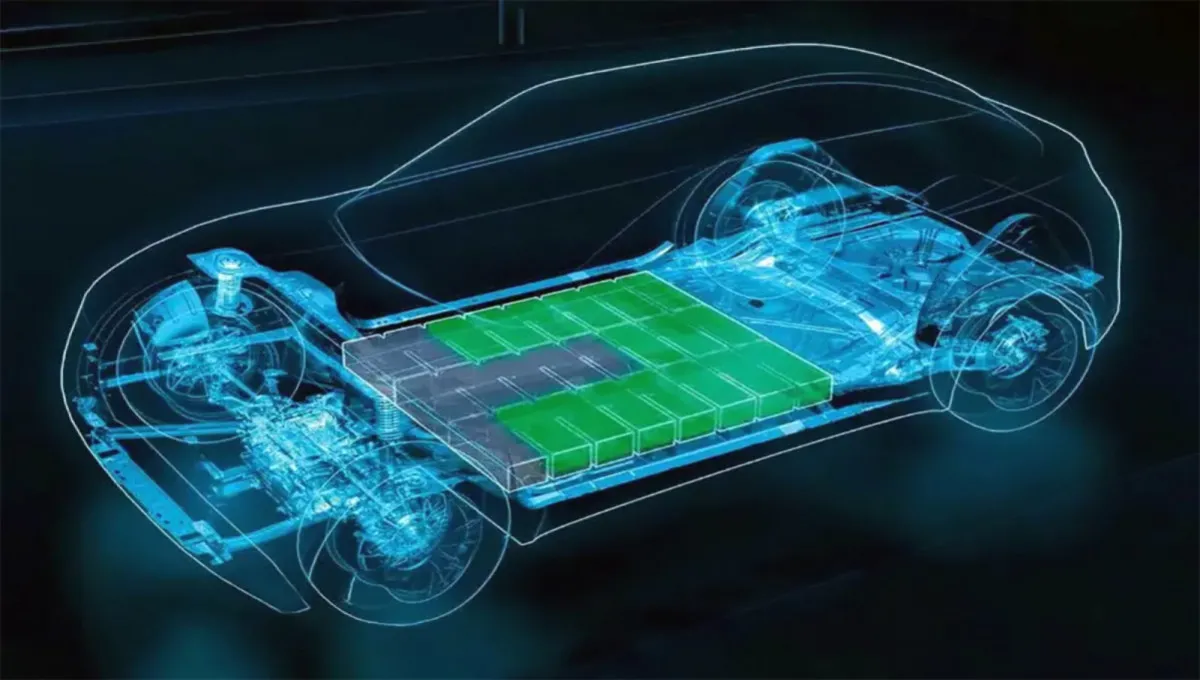
Stellantis Patents System That Lets an EV Drop Its Battery and Drive Away
A new patent details an emergency system that could let an EV disconnect its high-voltage battery and move away from danger.