
Porsche Loses Ground in China: Sales Drop 26% as Focus Shifts to the U.S.
Porsche’s China sales fell 26% in 2025, underscoring growing pressure from local EV brands
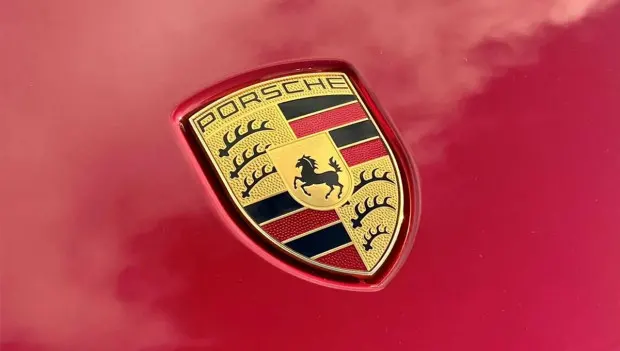
Porsche wrapped up 2025 in China with a sharp 26% decline in sales, forcing the German automaker to rethink its strategy in the world’s largest car market. Intensifying competition from domestic premium EV makers and a broader slowdown in the luxury segment are weighing heavily on the brand’s performance.
Over the full year, Porsche delivered 41,938 vehicles in China, down significantly from the previous year. It marks one of the steepest declines among Western luxury brands and highlights how quickly the Chinese market is changing. The drop came amid weaker demand for premium and ultra-luxury vehicles overall.
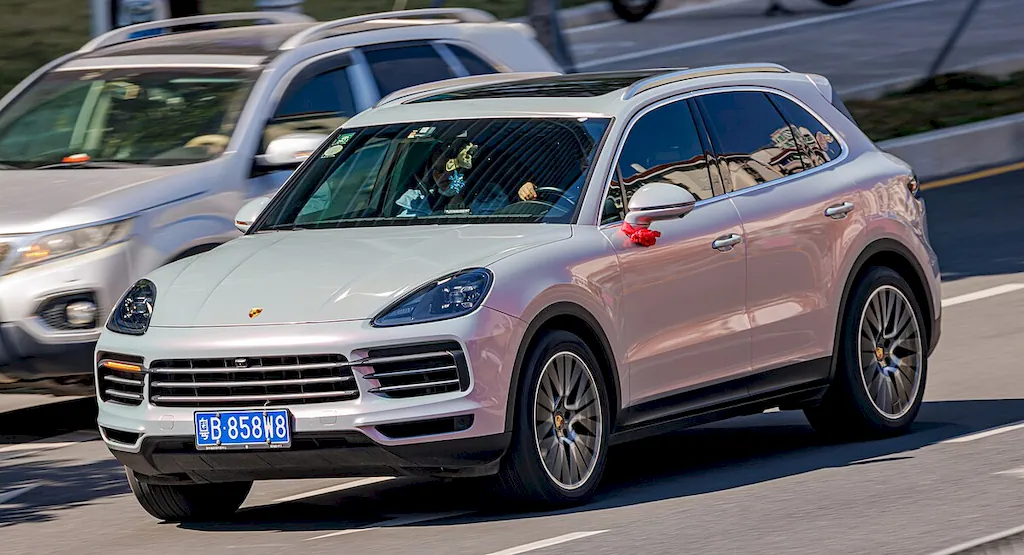
While China’s passenger car market posted modest growth, that momentum was driven almost entirely by local electric vehicle manufacturers. Traditional premium brands continued to lose traction, cutting China’s share of Porsche’s global sales to roughly 15%.
Porsche also closed the year in the red globally. Worldwide deliveries fell 10% to 279,449 vehicles. North America remained the company’s largest market, while Europe—including Porsche’s home market of Germany—saw double-digit declines, partly due to regulatory constraints.
Alexander Pollich, head of Porsche China, said the 2025 results were broadly in line with internal expectations. According to him, rising demand for EVs in China is being captured mainly by domestic brands, while foreign premium automakers face mounting pressure on pricing, technology, and shifting consumer preferences.
Against this backdrop, Porsche has already begun streamlining its operations in China. Its dealer network has been reduced from about 150 locations in 2024 to 114 by the end of 2025, with plans to shrink it further to around 80 outlets by 2026. At the same time, the company is adjusting its product mix, leaning more heavily on internal combustion models and delaying the rollout of some electric vehicles.
That said, Porsche is not walking away from China. In 2026, the brand plans to unveil an all-electric Cayenne, followed by an electric 718, while also introducing new gasoline and hybrid SUVs tailored to specific niches. For now, however, local production and China-exclusive models are not on the table.
Porsche’s struggles in China send a clear message: even a storied brand with deep motorsports heritage is no longer guaranteed success. In a market dominated by homegrown premium EVs, image alone isn’t enough—technology, pricing, and perceived value now matter more than ever.
You may also be interested in the news:
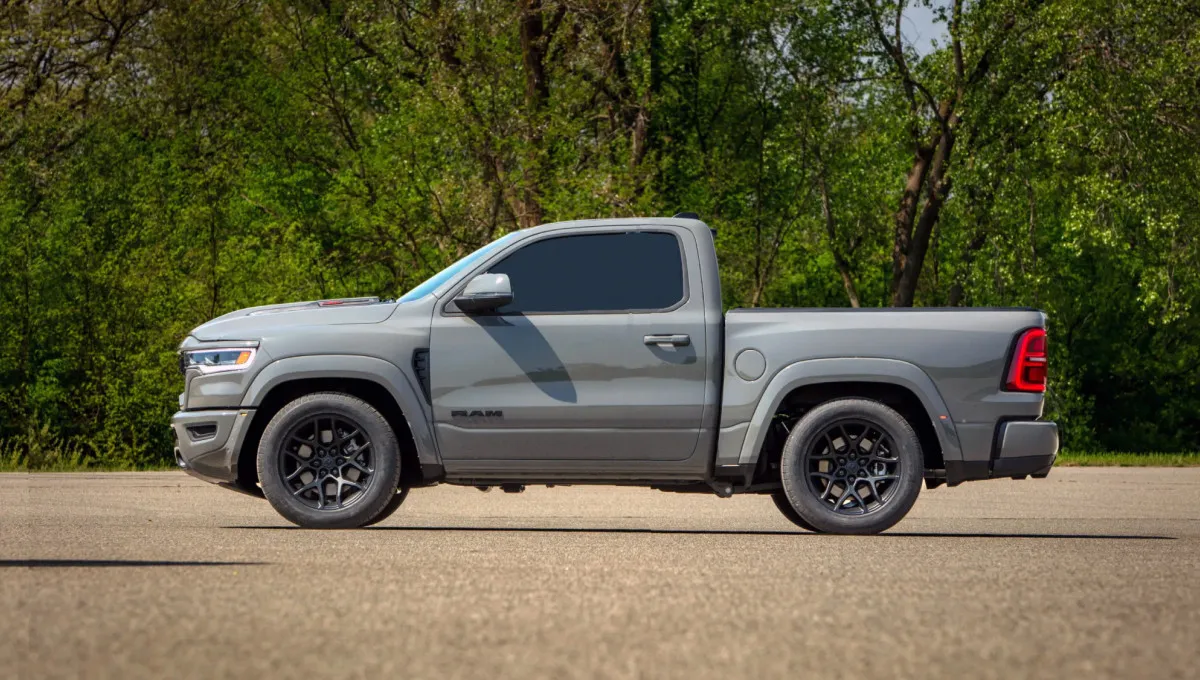
2027 Ram 1500 Rumble Bee: Pricing, Options and How to Build Yours
The 777-HP Ram Rumble Bee Is Coming — But You Can Buy the New Hemi Truck Now
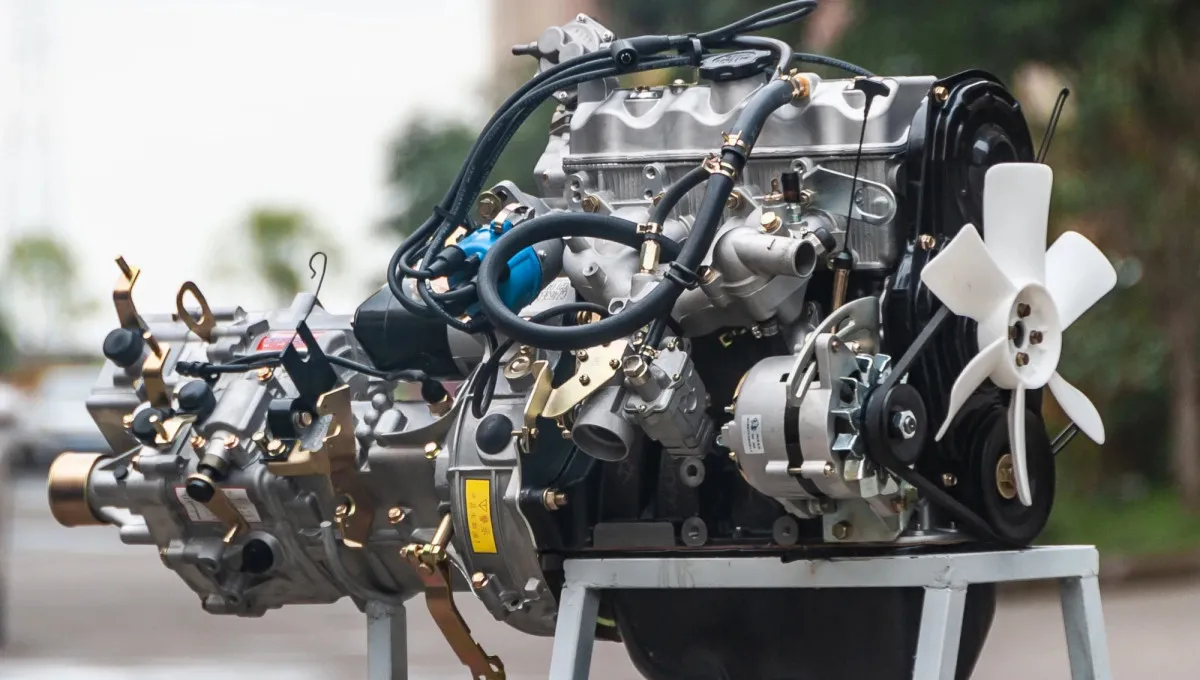
“Are You Sure It’s Chinese?” Who Really Builds China’s Car Engines
Who Really Develops China’s Car Engines?
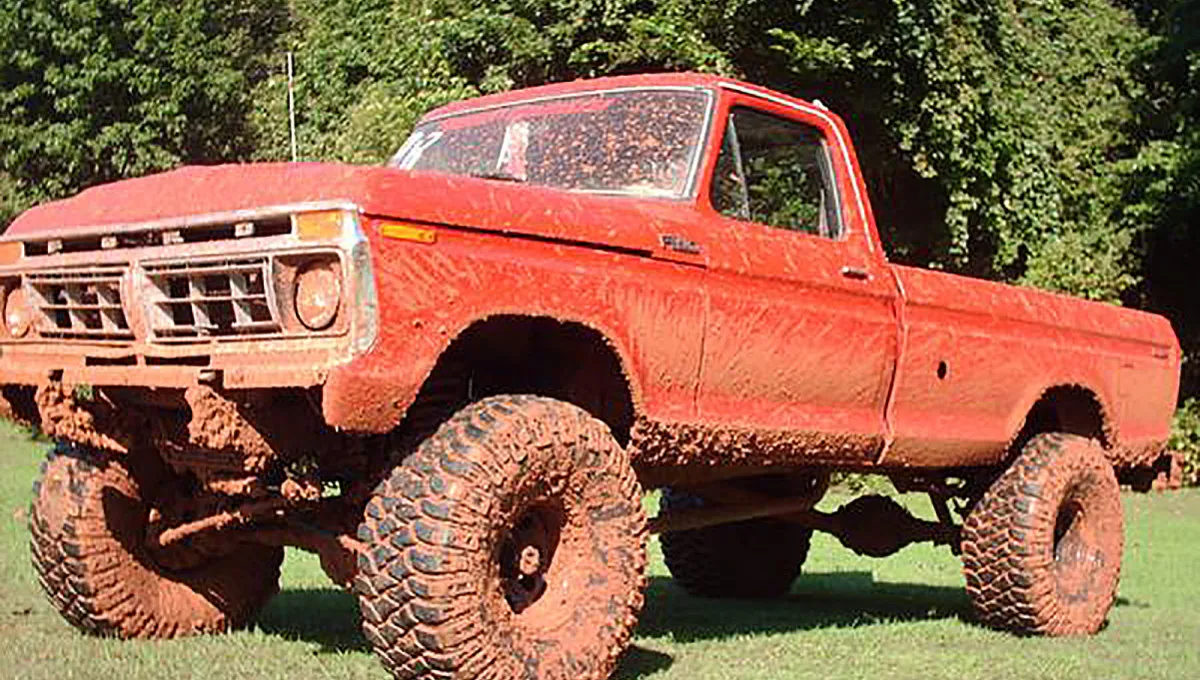
This Ford F-150 Isn’t Just a Pickup — It’s an Orange Apocalypse on Four Wheels
This outrageous Ford F-150 listing turns an ordinary pickup into a mud-loving, obstacle-crushing legend with attitude.
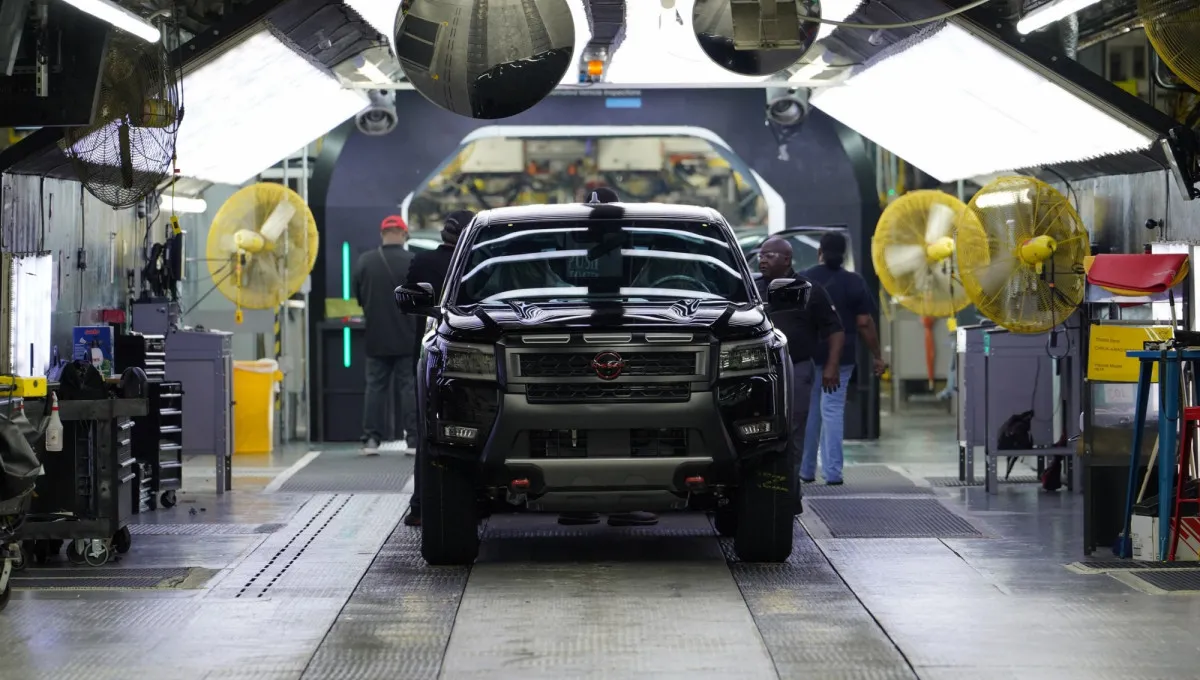
Nissan Restarts US-Made Murano, Pathfinder, Frontier Sales in Canada
Nissan resumed Canadian sales of three U.S.-built models, but tariffs keep supply below earlier levels.
Stellantis Just Revealed Nine New Cars Under $40,000 — And Two Could Cost Less Than $30K
Stellantis plans nine cheaper vehicles as high prices leave American shoppers with fewer affordable new-car choices.