
Trump Says Tariffs ‘Saved’ U.S. Auto Industry as Ford Plant Runs 24/7, Calls Canada ‘The Worst’
President Donald Trump says tariffs helped revive America’s auto industry while renewing attacks on Canada over trade.

President Donald Trump is crediting his administration’s tariffs with helping make the U.S. auto industry profitable and successful, while once again criticizing Canada as trade negotiations have broken down.
In a Sunday post on Truth Social, Trump argued that his tariffs had already produced results for American automakers. He said Ford Motor Co. had been preparing to close a Detroit plant before he announced the tariffs.
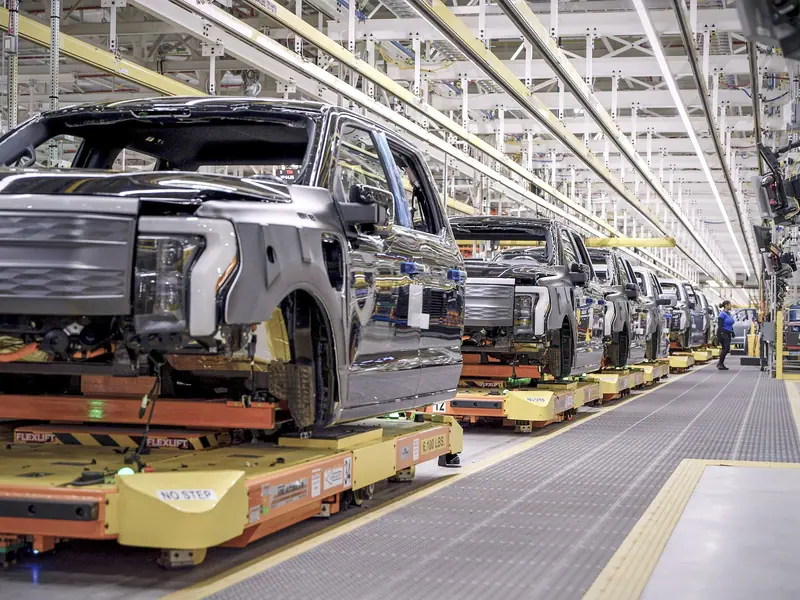
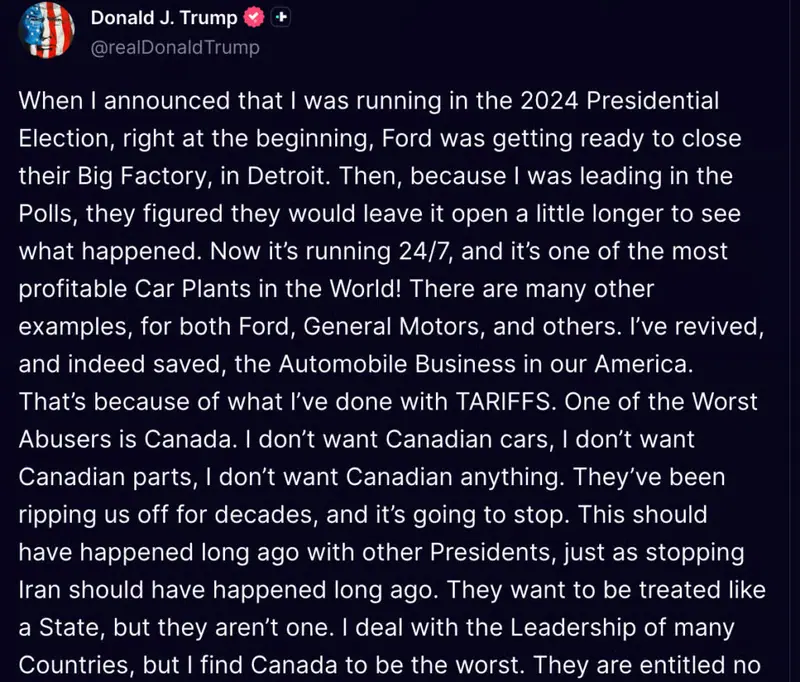
“Because I was leading in the Polls, they figured they would leave it open a little longer to see what happened,” he said.
Trump said the plant was now “running 24/7” and described it as “one of the most profitable Car Plants” worldwide.
He also pointed to General Motors Co. and other manufacturers as additional examples, though he did not provide specifics.
“I’ve revived, and indeed saved, the Automobile Business in our America,” he said.
Commerce Secretary Howard Lutnick had previously argued that the administration’s tariffs had helped return auto manufacturing jobs to the U.S., highlighting investments from Ford and Toyota Motor Corp.
Trump Calls Canada One of the Worst Trade Abusers
Trump then turned his attention to Canada, describing the country as “one of the worst abusers” of trade.
“I don’t want Canadian cars, I don’t want Canadian parts, I don’t want Canadian anything,” he said, accusing Canada of having been “ripping us off for decades” and saying he wanted that to end.
“This should have happened long ago with other Presidents, just as stopping Iran should have happened long ago,” he said.
Trump also repeated his criticism that Canada wanted to be treated like a state without actually being one. He had threatened 50% tariffs on $20 billion worth of Canadian goods, leading Canada to impose reciprocal tariffs.
“I deal with the Leadership of many Countries, but I find Canada to be the worst,” he said, criticizing the government led by Mark Carney.
“They are entitled no longer,” he added.
Jamieson Greer and Howard Lutnick Dispute Medium- and Heavy-Duty Truck Talks
U.S. Trade Representative Jamieson Greer said Canada had been offered the "best deal" compared with other countries around the world.
Greer also said discussions over tariffs on medium- and heavy-duty trucks were separate from the Section 232 tariffs being considered for relief.
Lutnick, meanwhile, accused Carney of abandoning the talks for political reasons, citing upcoming Canadian elections. He also rejected Canadian officials’ claims concerning French-language issues.
Lutnick separately said medium- and heavy-duty trucks had not been part of the negotiations until the final hours. Canada’s chief negotiator disputed that claim.
You may also be interested in the news:
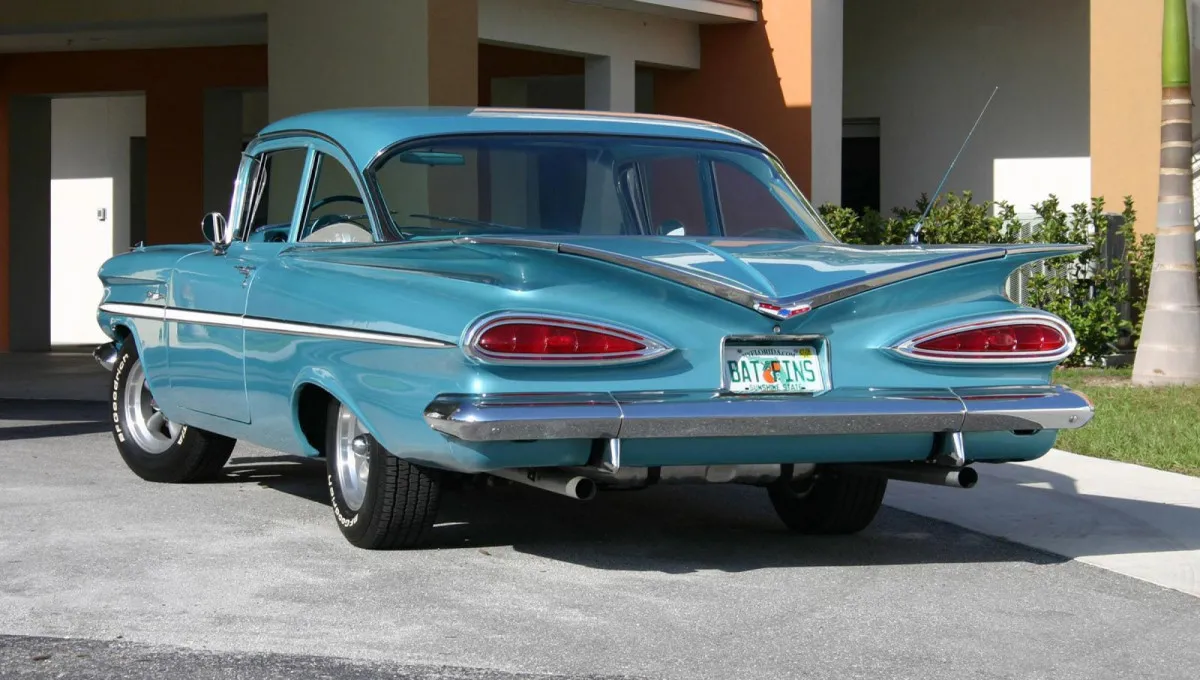
Elegance for Everyone: How Chevrolet Made Its 1960 Cars Stand Out
Chevrolet toned down its extravagant 1959 styling for 1960, bringing a more refined look to its affordable full-size cars.

Invisible Cows and a 17.3 MPH Speed Limit? 4 of America's Strangest Road Signs
From invisible cows to alien highways, these unusual American road signs turn ordinary drives into unforgettable roadside surprises.
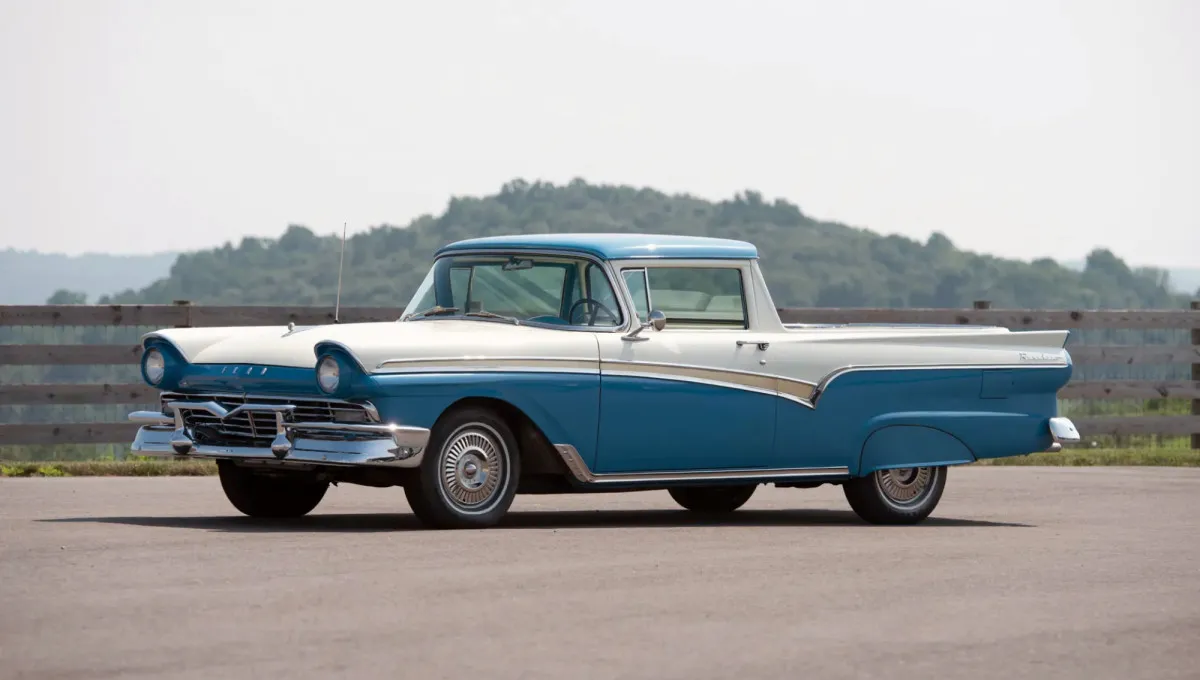
More Than a Car! More Than a Truck! The 1957 Ford Ranchero
The 1957 Ford Ranchero launched a new kind of American vehicle, blending passenger-car styling with pickup-truck utility years before the segment took off.
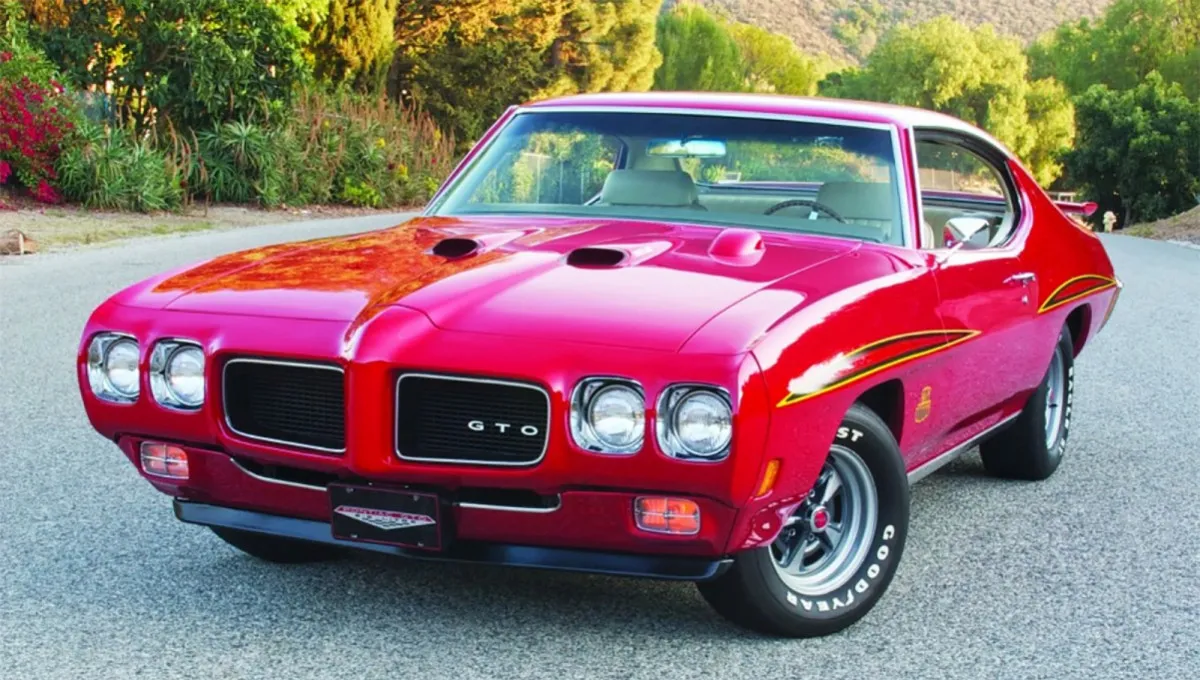
Pontiac's 1970 GTO Had a Wild Exhaust Option—Only 233 Cars Got It
Pontiac offered an unusual exhaust system for the 1970 GTO, but the factory option didn't last long.
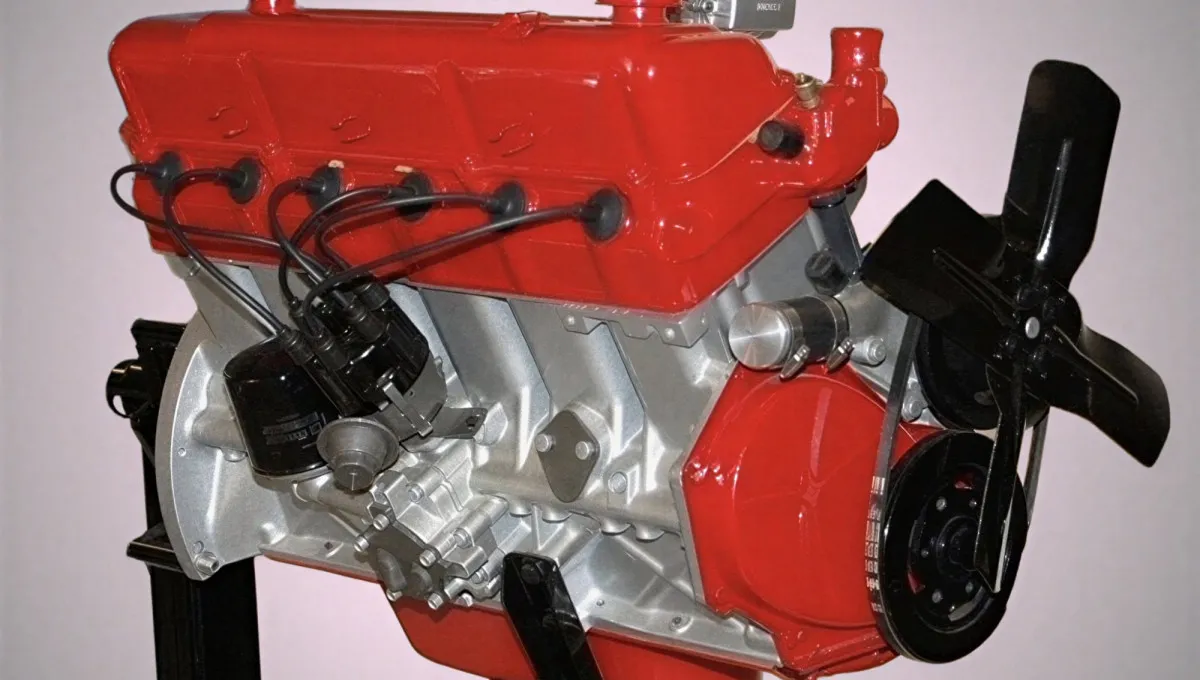
Chrysler's Aluminum Slant 6 Engine: The Lightweight Experiment of 1961–1963
Chrysler built more than 50,000 cars with an aluminum-block Slant 6 before production challenges brought the project to an end.