
Honda and Toyota Could Bear the Brunt of Trump’s Latest Tariffs
Donald Trump has turned his attention to Canada, putting two Japanese automakers under fresh pressure.
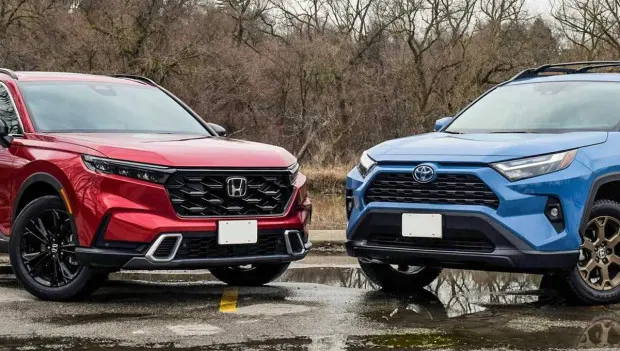
A proposed 50% tariff on Canadian auto imports could hit Toyota and Honda particularly hard, while also putting Canadian workers at risk.
The two Japanese automakers account for more than three-quarters of all vehicles built in Canada. Analysts say both companies could be forced to shut down some production lines if the tariffs take effect January 1 as proposed.

There is still a chance the automakers could avoid the tariffs, but the timing could hardly be worse for Toyota and Honda. Japanese carmakers are already facing growing competition from inexpensive Chinese electric vehicles in markets including Southeast Asia, Europe, and Latin America.
The United States remains the biggest market for both Toyota and Honda. More importantly, it is a market that Chinese competitors such as BYD cannot enter.

Vehicles built in Canada accounted for nearly one-quarter of Honda’s US sales last year and 17% of Toyota’s. That leaves both companies facing potentially significant disruption if Trump follows through on his threat against Canada.
„Ha valóban el akarjuk pusztítani a kanadai autóipart, megtehetjük ezekkel a vámokkal” – mondta Julie Boote, a londoni Pelham Smithers Associates autóipari elemzője, hozzátéve, hogy szerint mindkét vállalatnak valószínűleg be kellene zárnia néhány kanadai összeszerelő üzemét.
Toyota and Honda declined to comment to Reuters.
A Major Production Challenge
Canada’s auto industry produces roughly 1.2 million vehicles each year. By production volume, that puts the country among the world’s 12th to 15th largest vehicle-producing nations, roughly on par with the Czech Republic.
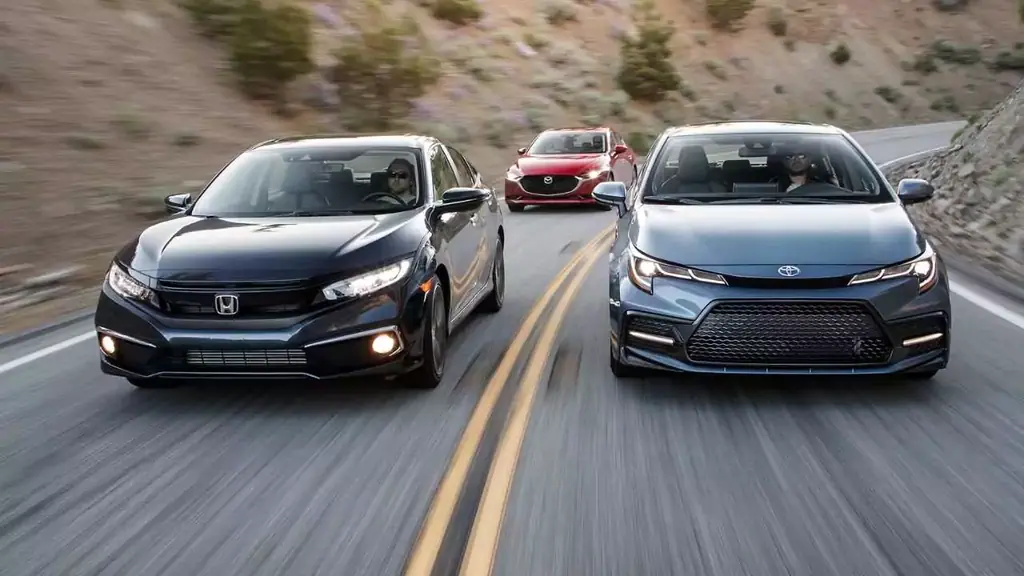
The industry indirectly supports about 427,000 jobs. Toyota exports Canadian-built RAV4s to the United States, while Honda ships CR-Vs. Both models rank among the best-selling SUVs in the US.
If the tariffs take effect, Toyota and Honda would likely try to redirect Canadian-built vehicles to other markets. At the same time, they would need to find ways to replace that supply in the critical US market.
Analysts say that would be difficult. Vehicles destined for the United States are often tailored to the market’s specific demand and regulatory requirements, making a quick replacement of Canadian production far from straightforward.
You may also be interested in the news:
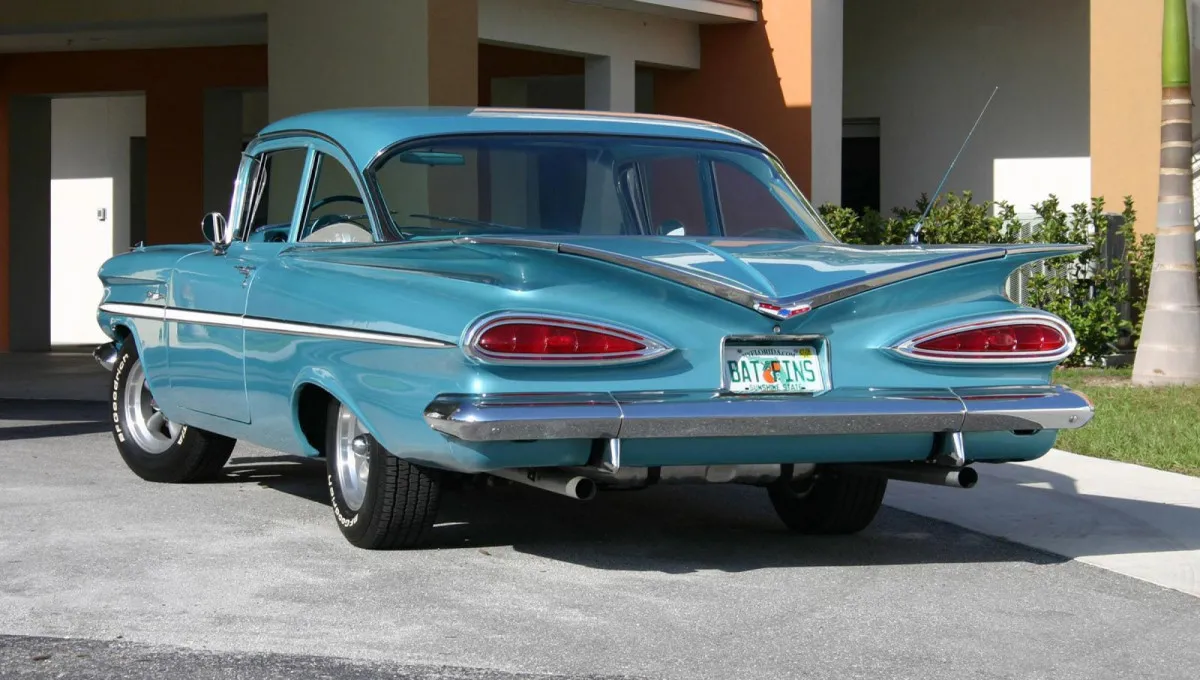
Elegance for Everyone: How Chevrolet Made Its 1960 Cars Stand Out
Chevrolet toned down its extravagant 1959 styling for 1960, bringing a more refined look to its affordable full-size cars.

Invisible Cows and a 17.3 MPH Speed Limit? 4 of America's Strangest Road Signs
From invisible cows to alien highways, these unusual American road signs turn ordinary drives into unforgettable roadside surprises.
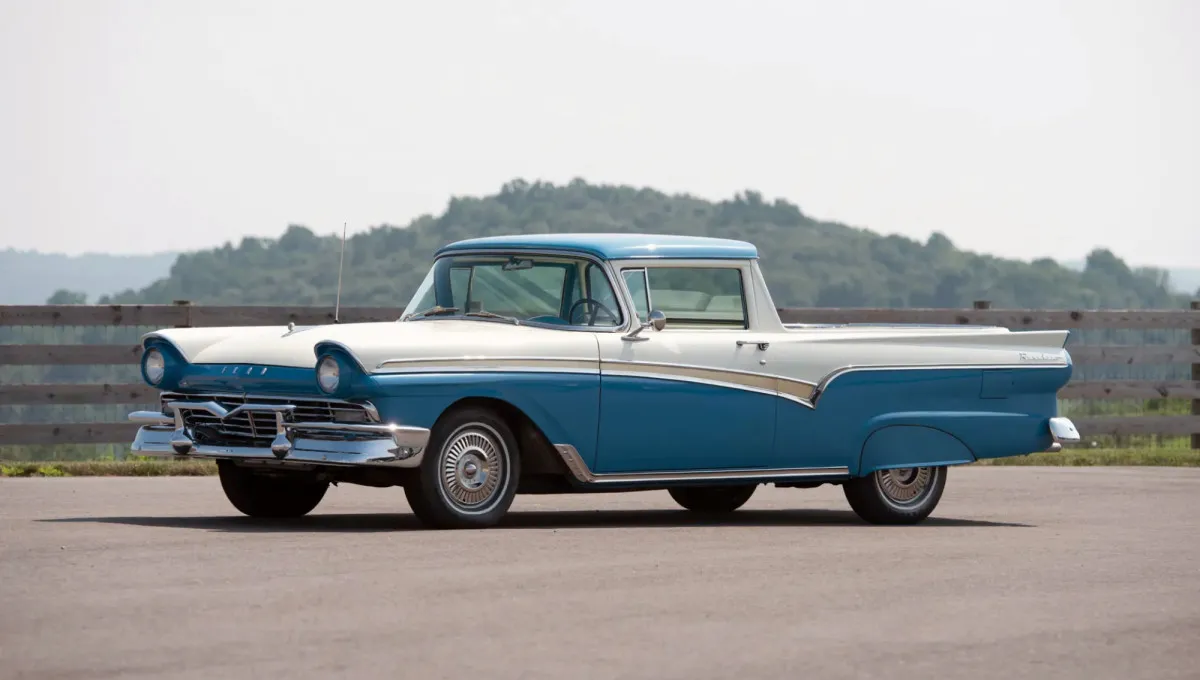
More Than a Car! More Than a Truck! The 1957 Ford Ranchero
The 1957 Ford Ranchero launched a new kind of American vehicle, blending passenger-car styling with pickup-truck utility years before the segment took off.
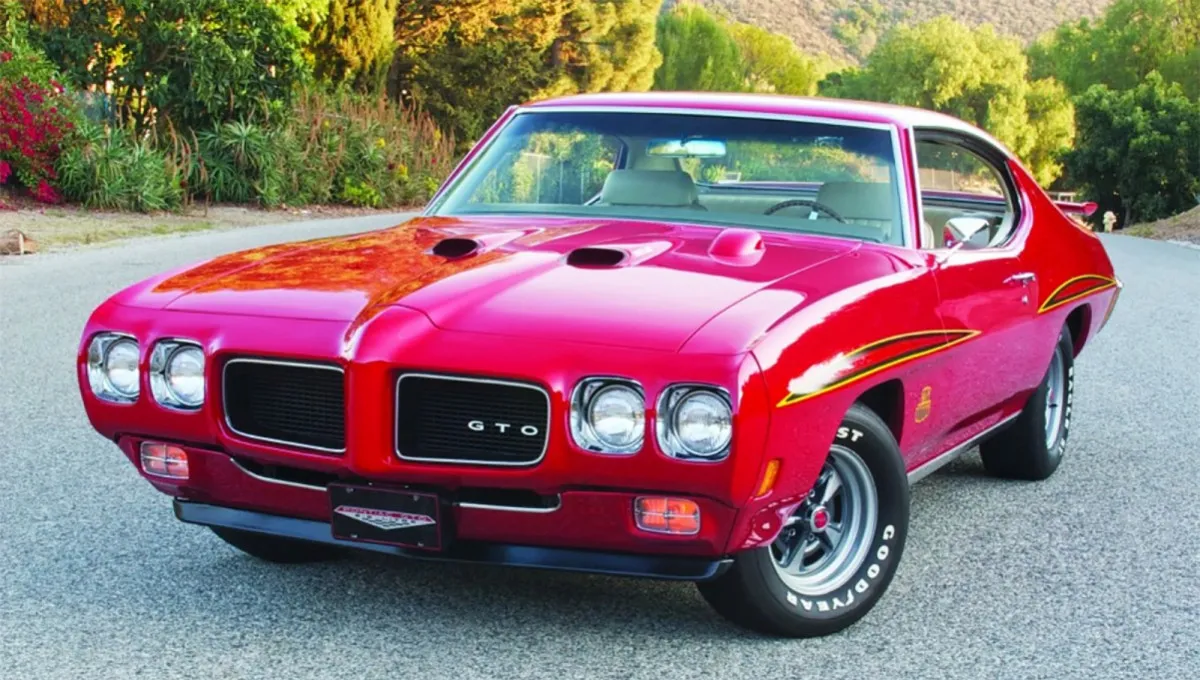
Pontiac's 1970 GTO Had a Wild Exhaust Option—Only 233 Cars Got It
Pontiac offered an unusual exhaust system for the 1970 GTO, but the factory option didn't last long.
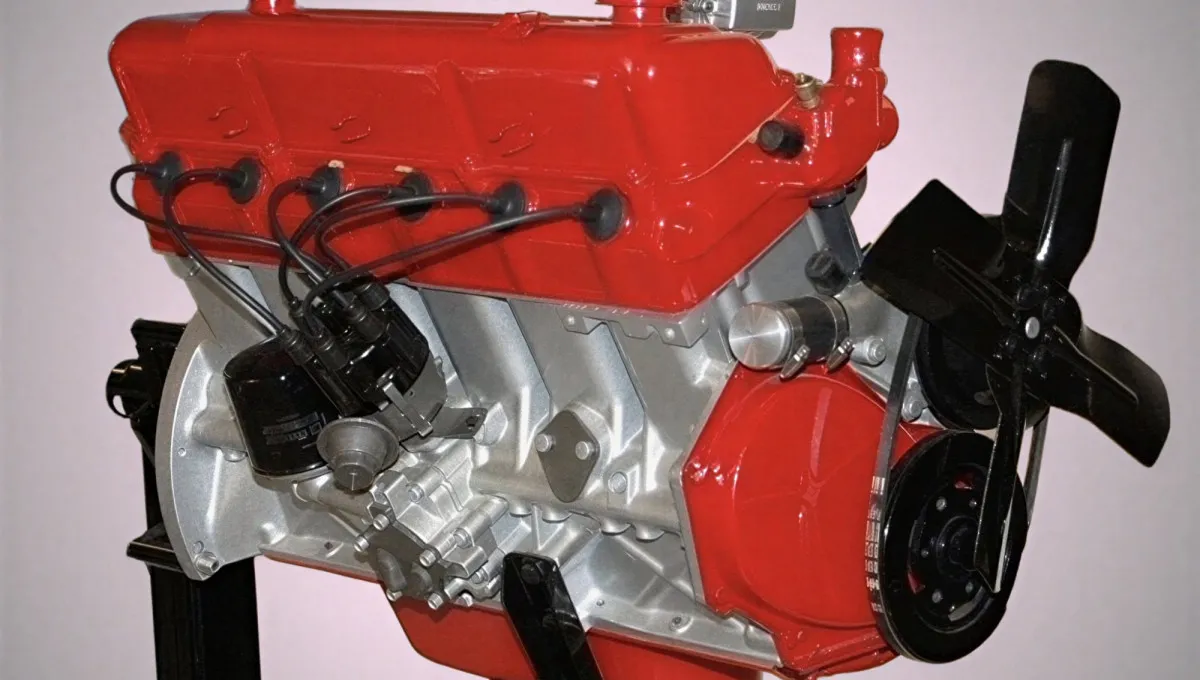
Chrysler's Aluminum Slant 6 Engine: The Lightweight Experiment of 1961–1963
Chrysler built more than 50,000 cars with an aluminum-block Slant 6 before production challenges brought the project to an end.