
Buick’s Wild Cat: A 1985 Concept Car That Would Still Turn Heads Today
The prototype earned a prestigious design award—and the Wildcat was one of Buick’s most radical creations ever.
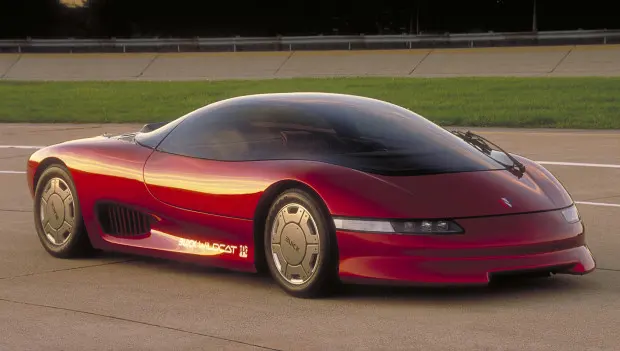
For today’s deep dive, we’re revisiting a 1985 concept car—an extraordinary machine with a story that still feels futuristic nearly four decades later.
Developed in collaboration with PPG Industries, this concept earned a prestigious prototype award in 1986 from the international jury of the Car Design Award Torino–Piemonte at the Turin Motor Show. That recognition came as no surprise. At the time, General Motors design chief Chuck Jordan famously described this Wildcat as one of the company’s most “wild” vehicles ever conceived.
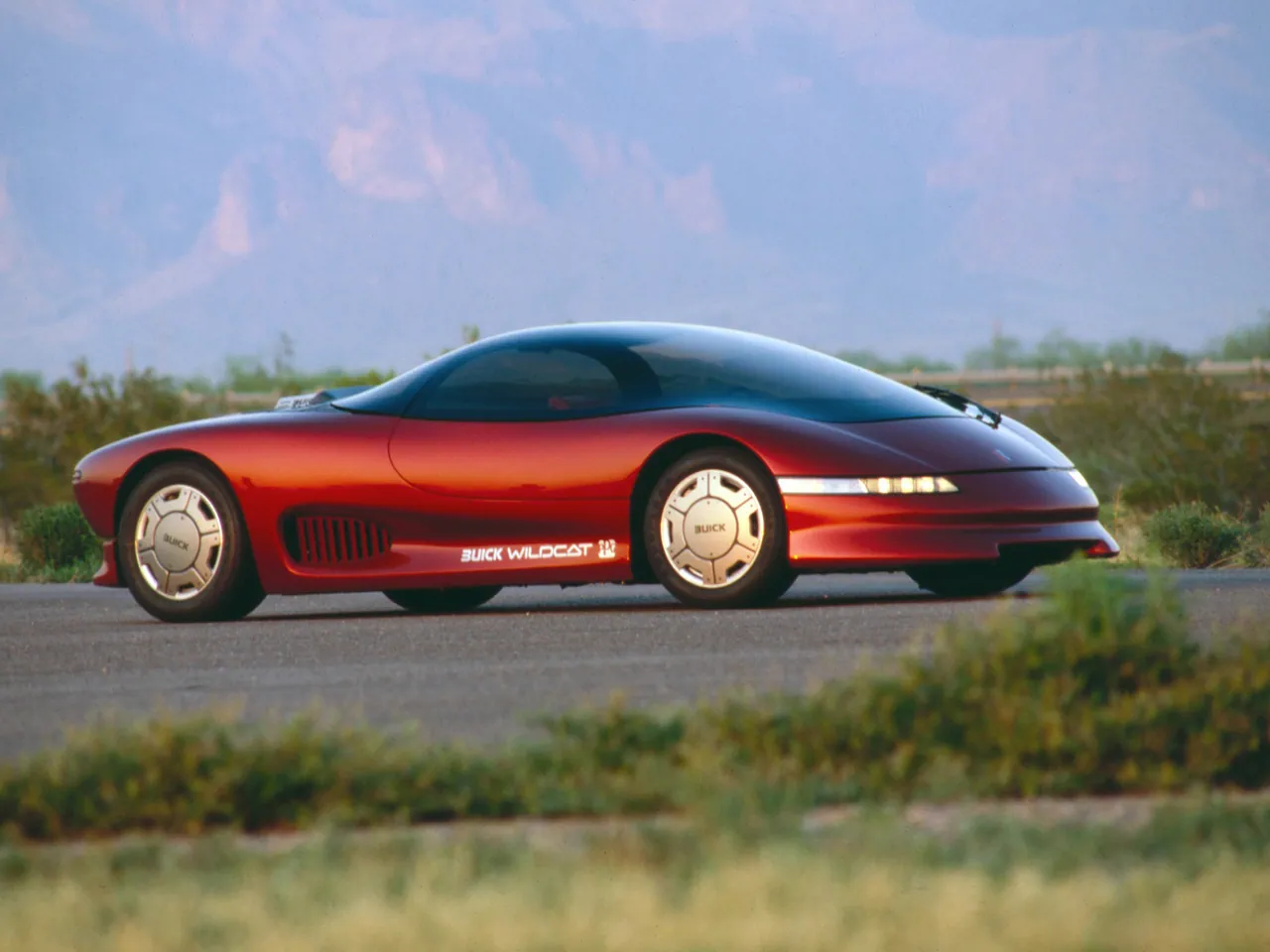
Getting inside was an experience in itself. Passengers would sit on a low, wide sill and swing their legs into the cabin—and that’s where things got truly unconventional.
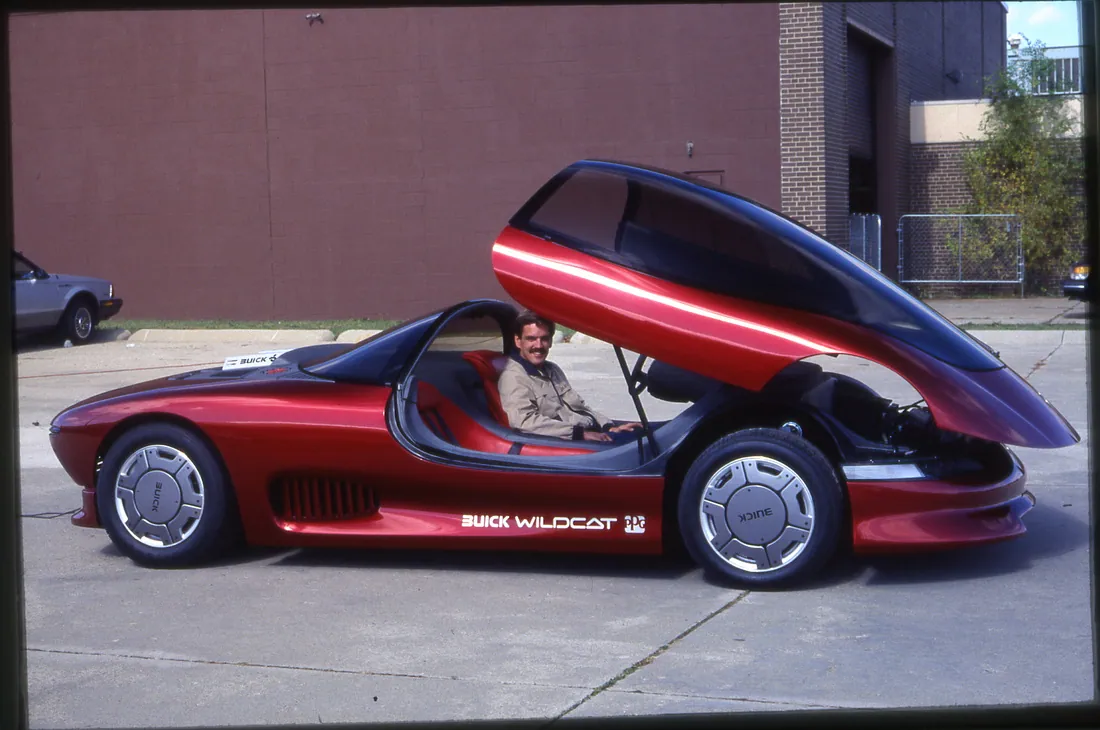
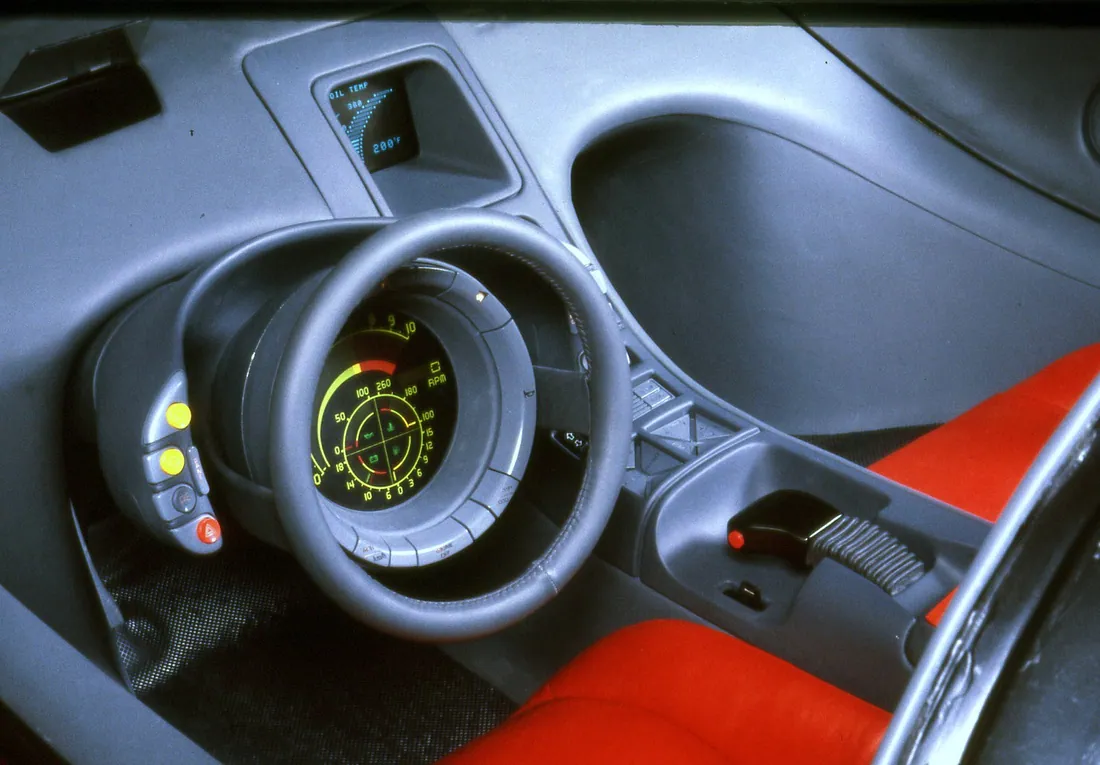
There was no traditional instrument cluster on the dashboard.
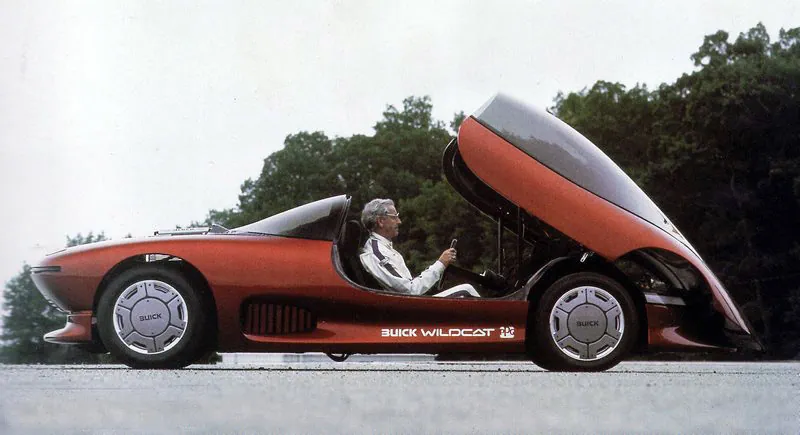
Instead, most digital information was displayed on the fixed hub at the center of the steering wheel. Oil pressure, battery charge, fuel level, and coolant temperature all appeared there. Directly in front of the driver, a small transparent head-up display panel projected vehicle speed and mileage.
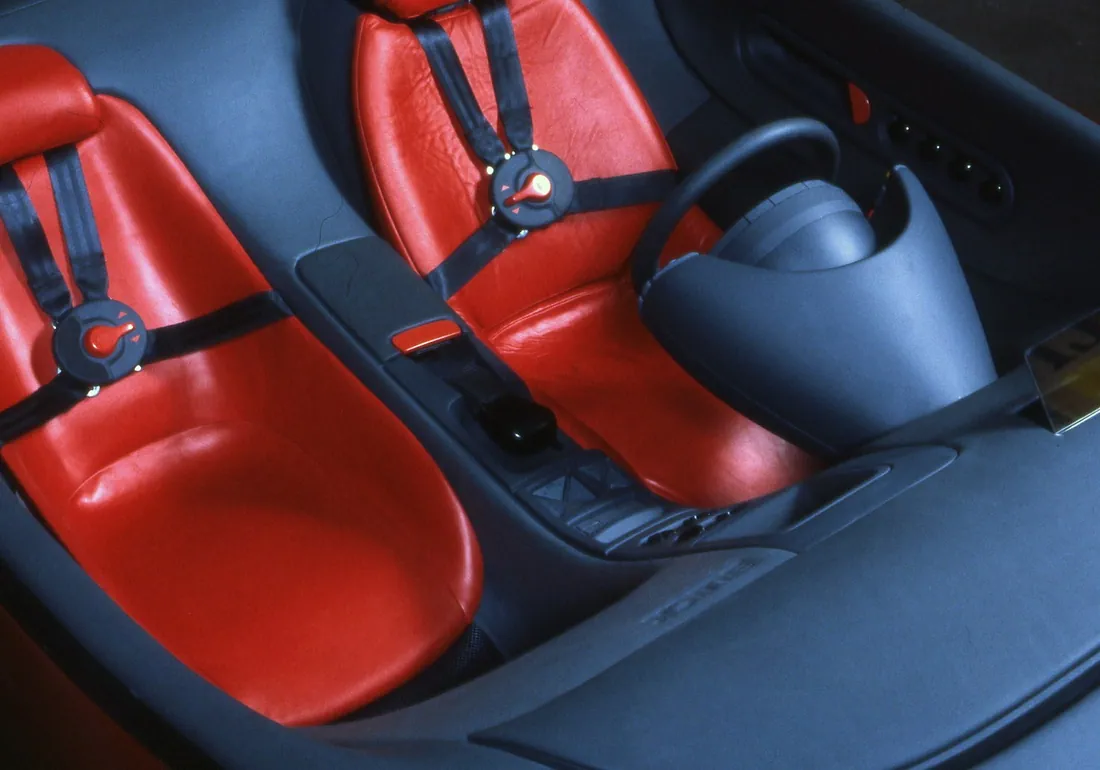
At the center of the dashboard sat a three-dimensional “ignition map” showing various engine operating parameters. Additional displays provided readouts for G-forces during cornering, acceleration, and braking; power output; torque; ignition timing for engine tuning; tire slip percentage; low tire-pressure warnings; vehicle direction via an electronic compass; and even oil temperature—all well ahead of their time.
Under the skin, the technology was just as ambitious. The car featured all-wheel drive with a center differential and a McLaren-developed engine based on Buick’s 3.8-liter V6, mounted directly behind the seats. The engine used a 24-valve layout with dual overhead camshafts and a sequential electronic fuel injection system that could be programmed in the field.
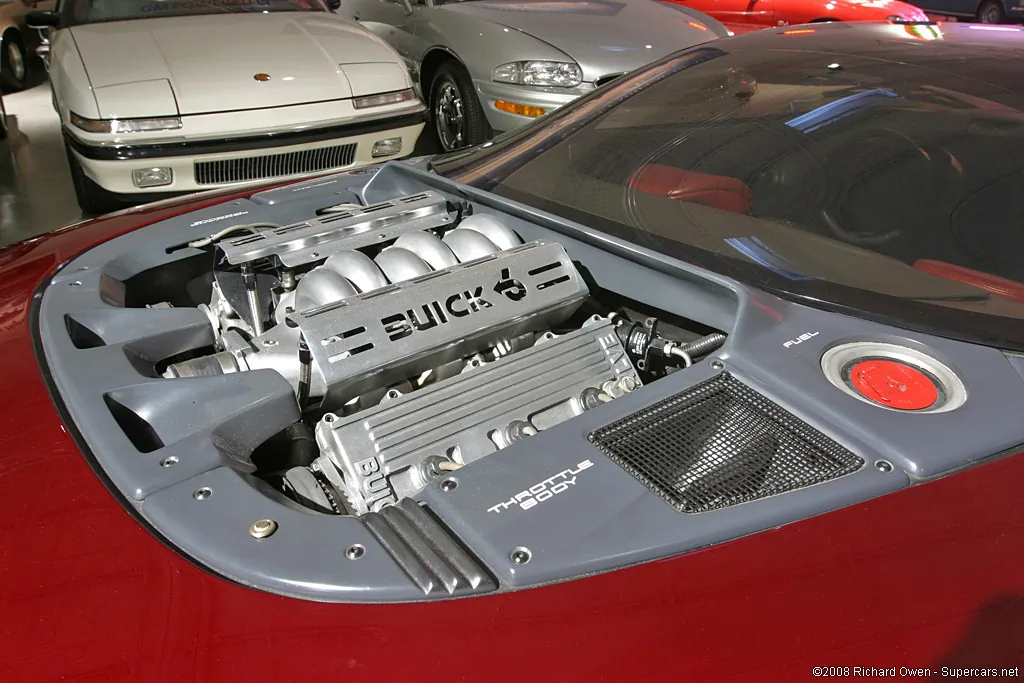
The upper portion of the powertrain was visible through an opening in the rear bodywork—and it looked every bit as dramatic as you’d expect. Among other advanced features was ABS braking, which was still a rarity in the mid-1980s.
Another forward-thinking touch was the ability—now commonplace—to manually shift gears in an automatic transmission.
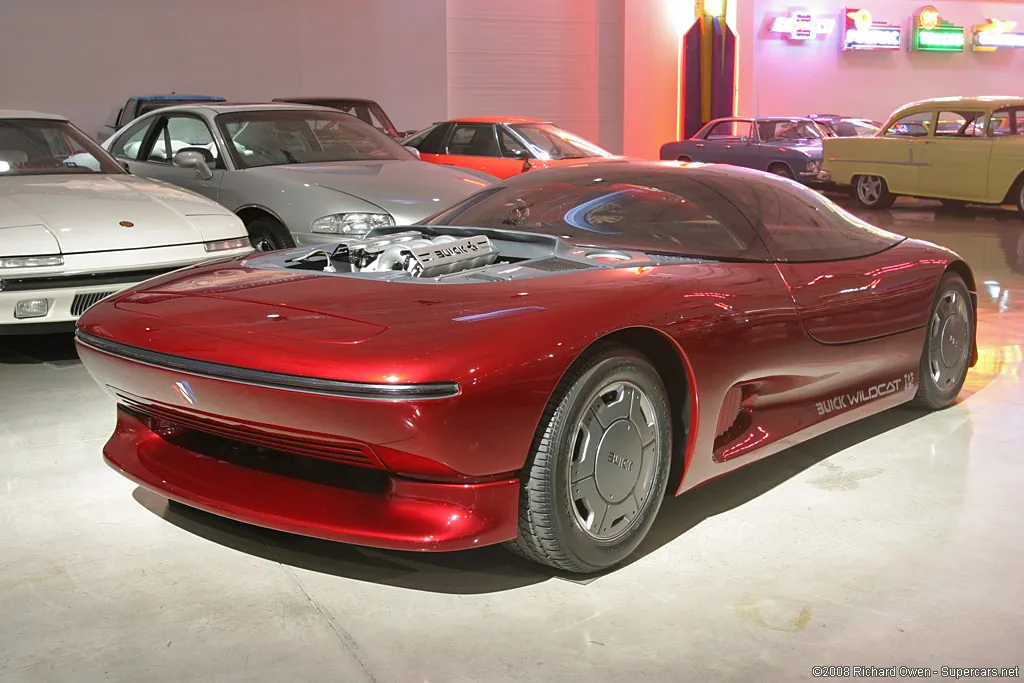
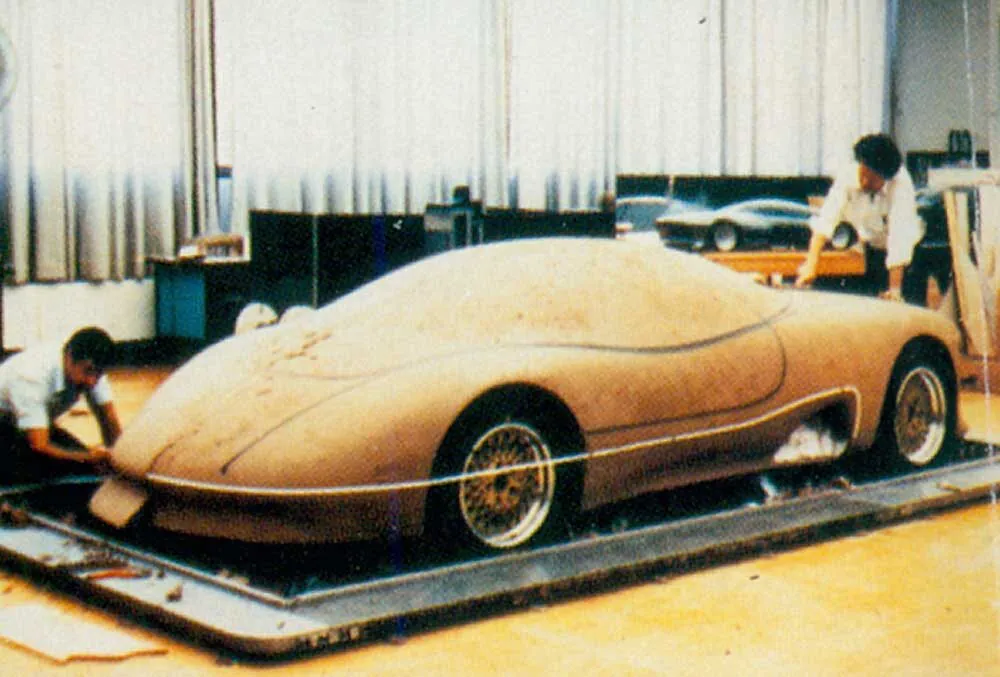
It all began with a clay model. The concept’s body was made from carbon fiber and achieved an exceptionally low drag coefficient of just 0.20. Its design featured smooth, uninterrupted surfaces formed by large, highly curved panels. Notably, there was no conventional hood. Instead, the upper engine components, surrounding body panels, and integrated control modules were designed as a single functional zone.
Technical Specifications:
-
Engine: DOHC 24-valve V6
-
Displacement: 3,785 cc
-
Power Output: 360 hp at 7,000 rpm
-
Torque: 398 lb-ft (540 Nm) at 5,000 rpm
-
Curb Weight: 2,910 lbs (1,320 kg)
-
Wheelbase: 102.0 in (2,591 mm)
-
Track Width: 59.5 in (1,511 mm)
-
Length: 172.7 in (4,387 mm)
-
Width: 72.3 in (1,836 mm)
-
Height: 43.7 in (1,110 mm)
-
Transmission: 4-speed automatic
-
Top Speed: 180 mph (290 km/h)
-
0–60 mph: approx. 4.5 seconds
Even by today’s standards, Buick’s Wildcat concept remains a striking reminder of how bold—and how far ahead of its time—automotive design could be in the mid-1980s.
You may also be interested in the news:
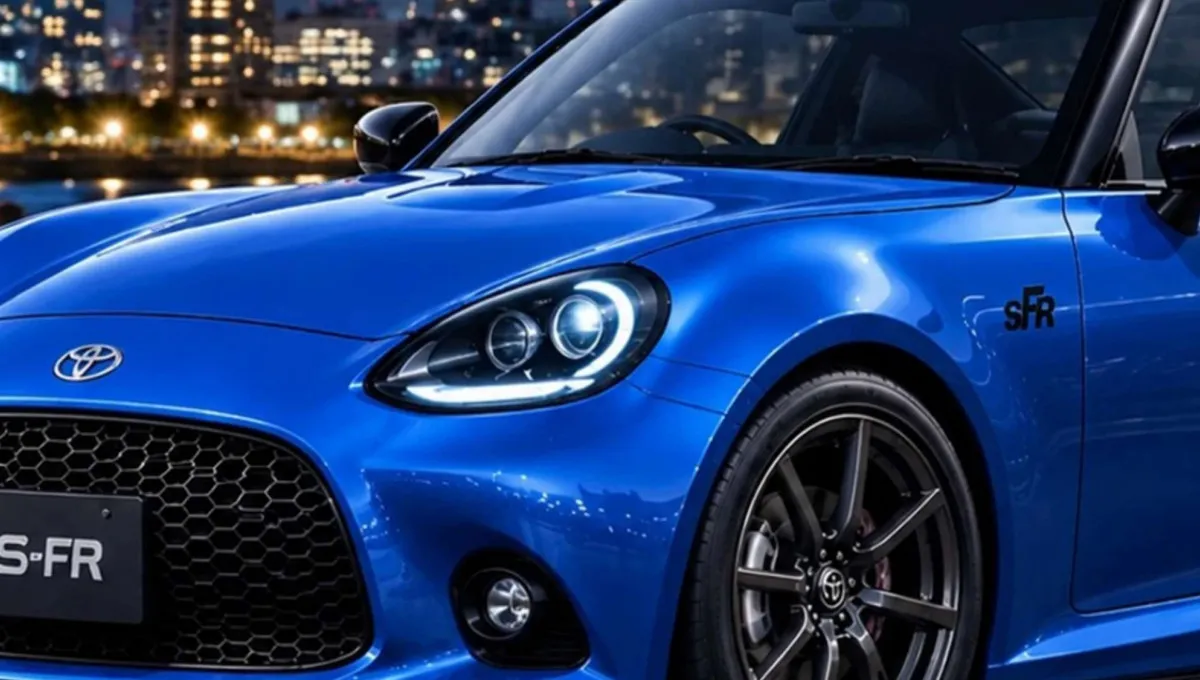
Toyota Could Build a Tiny, Affordable Sports Car With Just 64 Horsepower
Toyota’s long-rumored S-FR sports coupe could return in 2027 as a tiny, rear-wheel-drive kei car with a turbocharged engine.
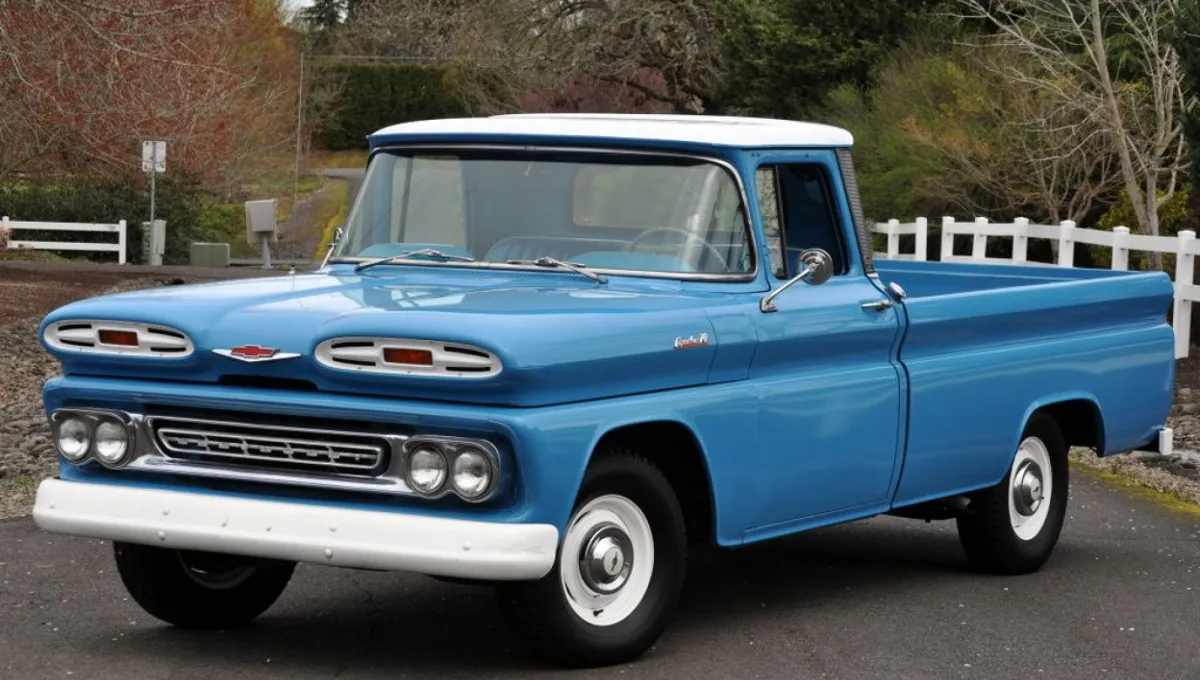
The 1960 Chevrolet Pickup: The Biggest Thing to Happen to Trucks Since Trucks Were Invented
Chevrolet unveiled an all-new pickup for 1960, calling it “the most important news since trucks came into being!”
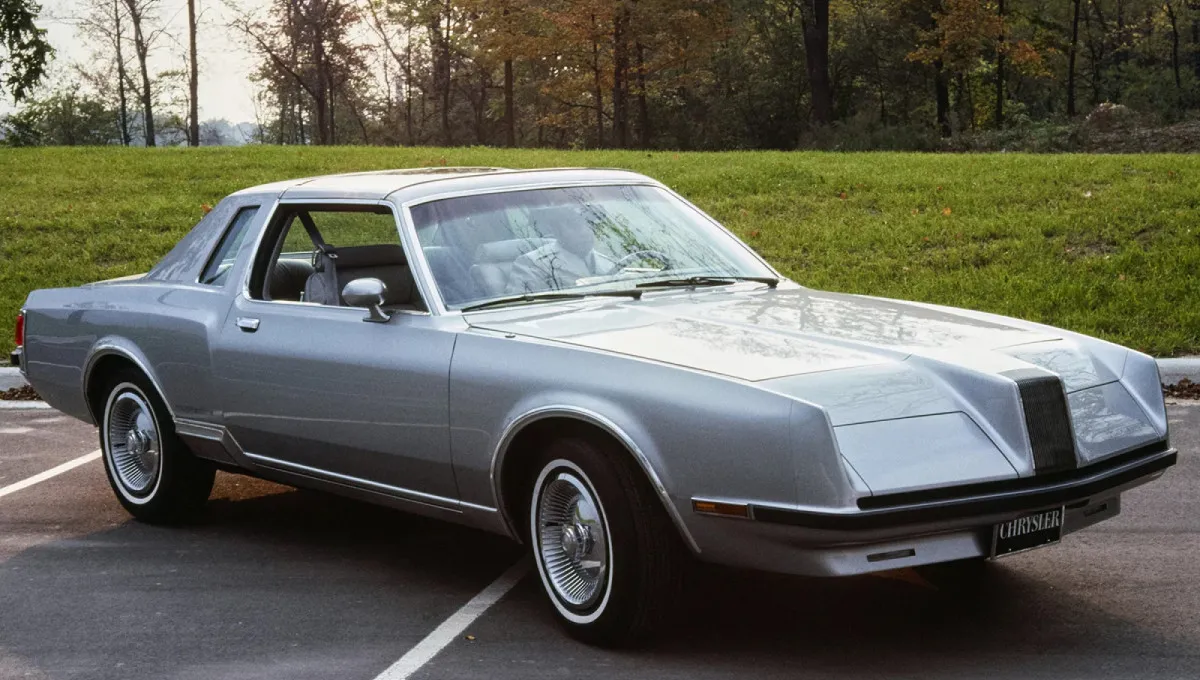
The 1977 Chrysler LeBaron Turbine: The Final Chapter of a 25-Year Experiment
Chrysler's 1977 LeBaron Turbine concept showcased decades of gas turbine research, but financial troubles ultimately brought the ambitious program to an end.
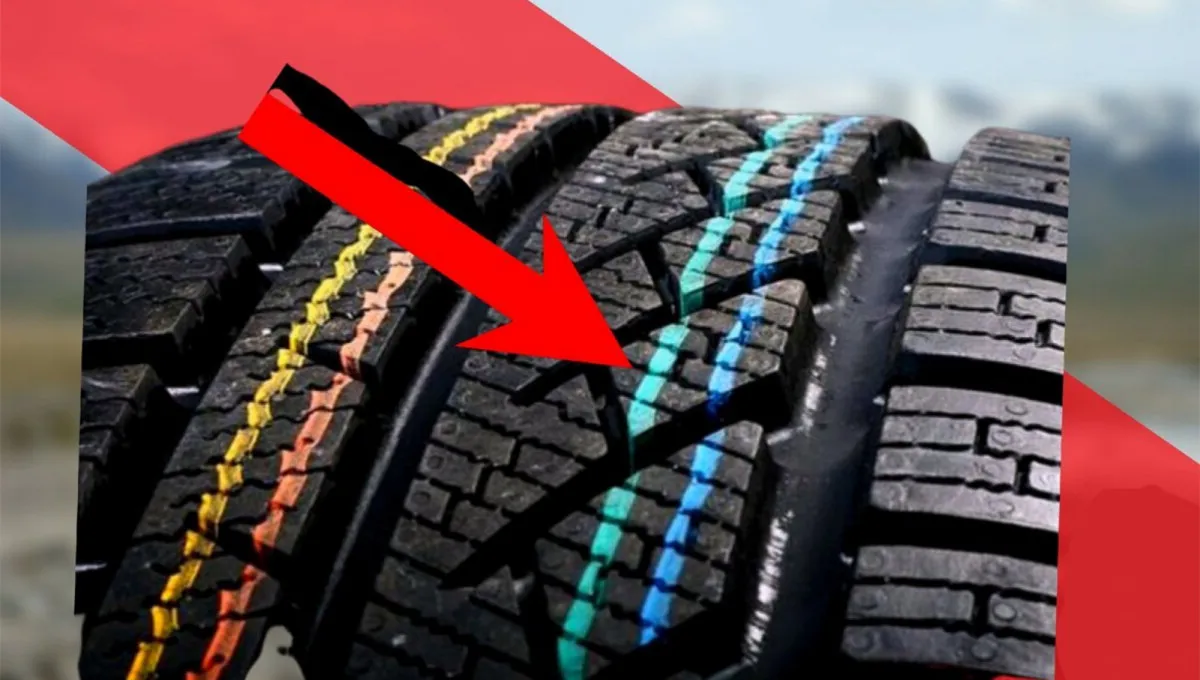
Why Colored Stripes on New Tires Confuse Drivers: What They Really Mean
A blue stripe on one tire brand can mean something entirely different on another, leaving drivers wondering what the markings mean.

These 8 Cars Went Over 1 Million Miles — They Just Don’t Build Them Like They Used To
Some cars outlast generations of owners, proving that careful maintenance and durable engineering can deliver extraordinary mileage.