
GM expects to overtake Ford in U.S. vehicle prodution as it braces for up to $4 billion in tariff costs
General Motors says it will boost U.S. output, aiming to beat Ford as tariffs threaten billions in added costs this year.

DETROIT — General Motors expects to outproduce its crosstown rival Ford Motor and become the top assembler of vehcles in the United States over the next several years.
GM CEO and Chair Mary Barra laid out that goal Tuesday as the company reported 2025 earnings and issued a 2026 outlook that includes between $3 billion and $4 billion in expectd tariff costs.
“As we look further ahead, our annual production in the U.S. is expected to rise to an industry-leading 2 million units,” Barra told investors, pointing to previously announced plans to expand domestic manufacturing.
The push comes as tariffs tied to importing vehicles into the U.S. cost GM $3.1 billion in 2025, underscoring the financial pressure behind the strategy.
Based on the models Barra referenced, GM could reach the target as early as 2027, depending on how quickly production ramps up. Next year, the automaker plans to shift production of gas-powered crossovers now built in Mexico to plants in Kansas and Tennessee, while also adding full-size SUVs and pickup trucks at a currently idled facility in Michigan.
Beyond cutting tariff exposure, hitting that production mark would strip Ford of a title it has highlighted in advertising and marketing in recent years.
Ford, which brands itself as the “most American” automaker, assembled 2.1 million vehicles in the U.S. as of 2024, with about 80% of its domestic sales built at home.
GM, while historically the top-selling automaker in the U.S., was also the largest importer of new vehicles into the country in 2024, according to a Bloomberg News report last year. The company imported roughly 1.23 million units — nearly half of its U.S. sales for that year.
Ford said it remains proud of its position as America’s leading auto producer since 2009 and as the top exporter of U.S.-assembled vehicles.

“That’s who we are and who we always have been regardless of policy or tariffs,” a Ford spokesman said in an emailed statement to CNBC when asked about GM’s goal. “If other automakers who rely heavily on importing foreign-made cars into the U.S. are now ‘getting religion,’ that’s good news for U.S. communities. But they have a long way to go to match Ford’s commitment to America.”
GM did not immediately respond to requests for additional comment or more detail on current U.S. production levels.
The company’s projected tariff costs for this year roughly match the $3.1 billion it recorded in 2025, even though levies were not in effect for the entire year. That figure came in below GM’s earlier expectation of $3.5 billion to $4.5 billion.
“We proactively managed our net tariff exposure, reducing it well below our initial expectations, thanks to self-help initiatives and policy actions that support companies like GM that have substantial and growing commitments to American manufacturing,” Barra told investors Tuesday.
Tariff costs could climb this year, largely depending on duties applied to vehicles imported from South Korea.
President Donald Trump said Monday the U.S. would raise the tariff back to 25% after South Korea’s legislature failed to approve a trade pact. Trump had previously indicated the rate would be 15%.
Barra said Tuesday GM is “hopeful” the U.S. and South Korea can finalize a new agreement that includes a 15% tariff on vehicles shipped from South Korea, which is the assumption built into GM’s 2026 forecast.
“We’re really encouraging the countries to get the trade deal done that they agreed to last October,” Barra told CNBC’s Phil LeBeau during “Squawk Box.”
GM is the second-largest U.S. importer of vehicles from South Korea, behind Hyundai Motor, and relies heavily on Korean plants for entry-level models such as the Chevrolet Trax and Buick Envista.
You may also be interested in the news:
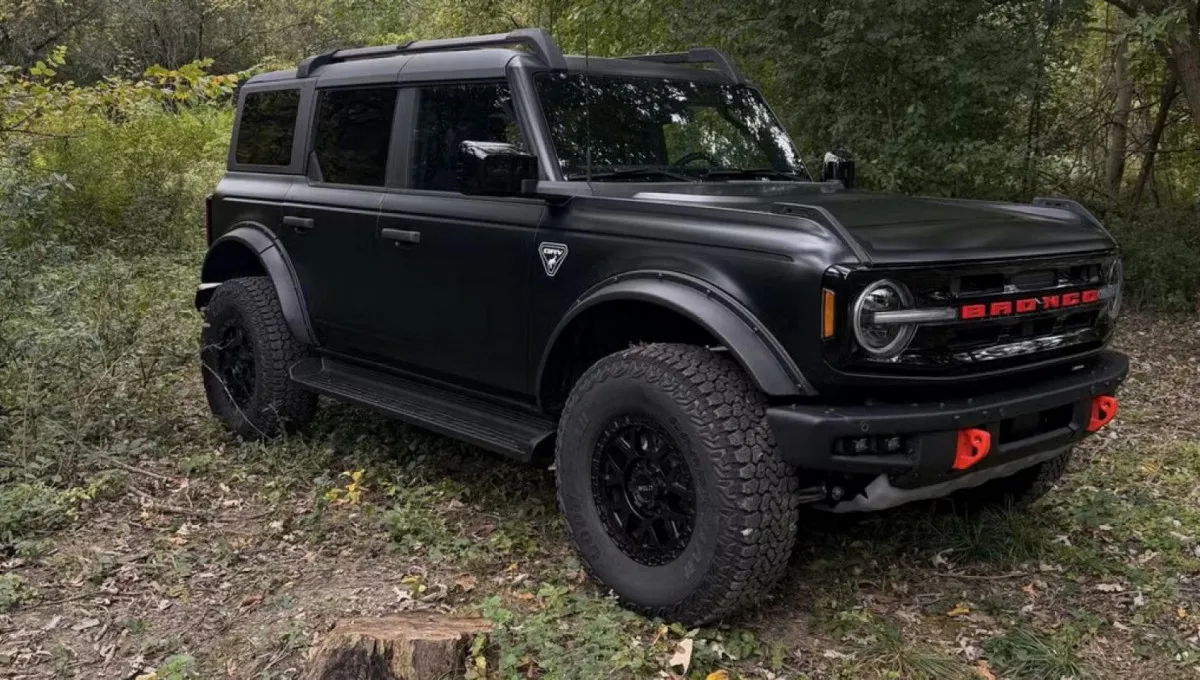
Ford Created an ORV Package for the Bronco: A Weird Name, a Big Price Tag, and Serious Off-Road Gear
Ford has expanded Bronco customization options through its Custom Garage program, adding an expensive new off-road accessory package.
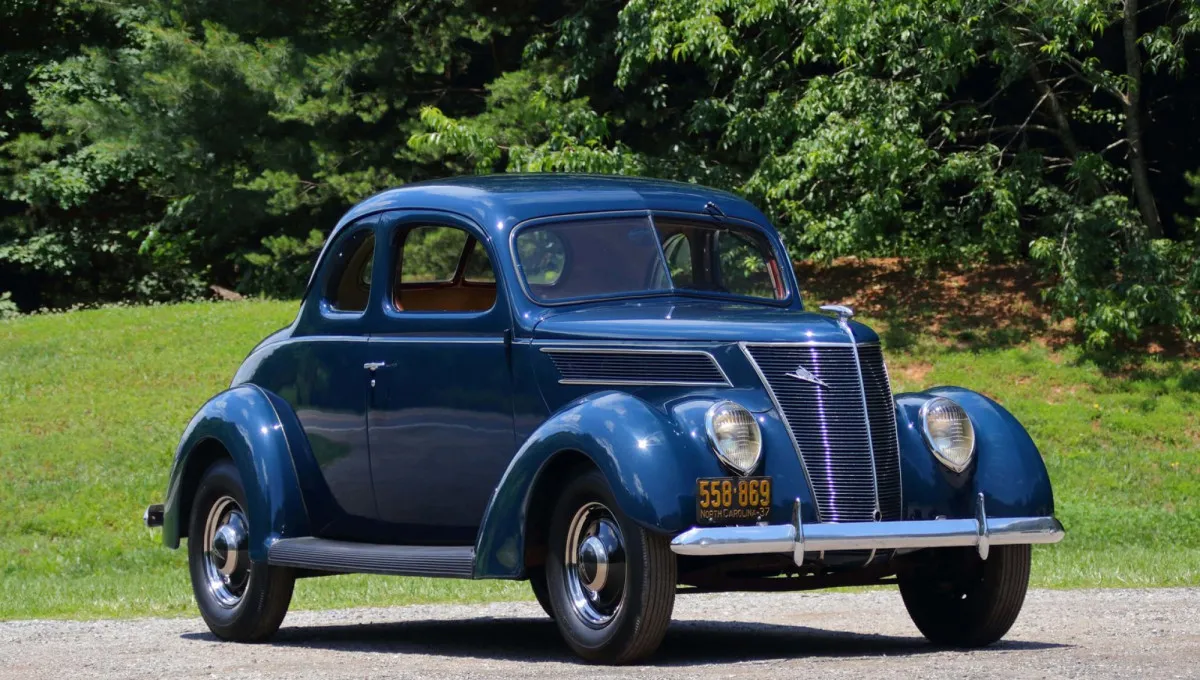
The 1937 Ford Was a Quality Car at an Affordable Price — Here’s What Made It Stand Out
The 1937 Ford featured several major changes and improvements. Let’s take a closer look.
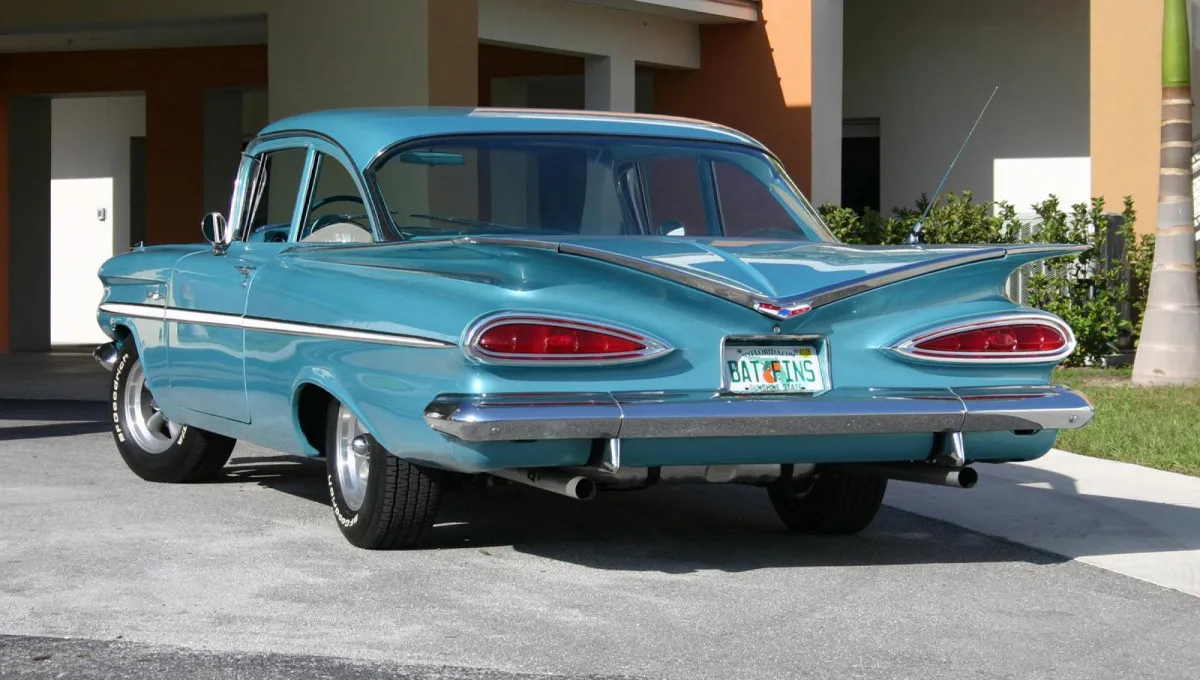
Elegance for Everyone: How Chevrolet Made Its 1960 Cars Stand Out
Chevrolet toned down its extravagant 1959 styling for 1960, bringing a more refined look to its affordable full-size cars.
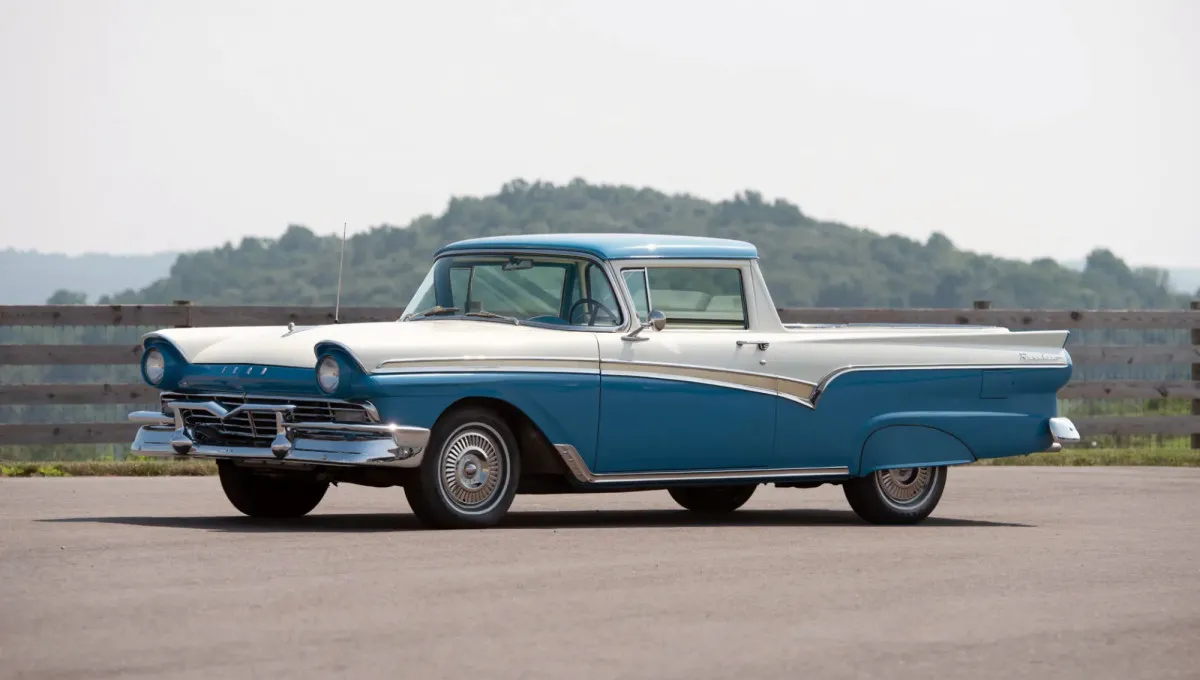
More Than a Car! More Than a Truck! The 1957 Ford Ranchero
The 1957 Ford Ranchero launched a new kind of American vehicle, blending passenger-car styling with pickup-truck utility years before the segment took off.
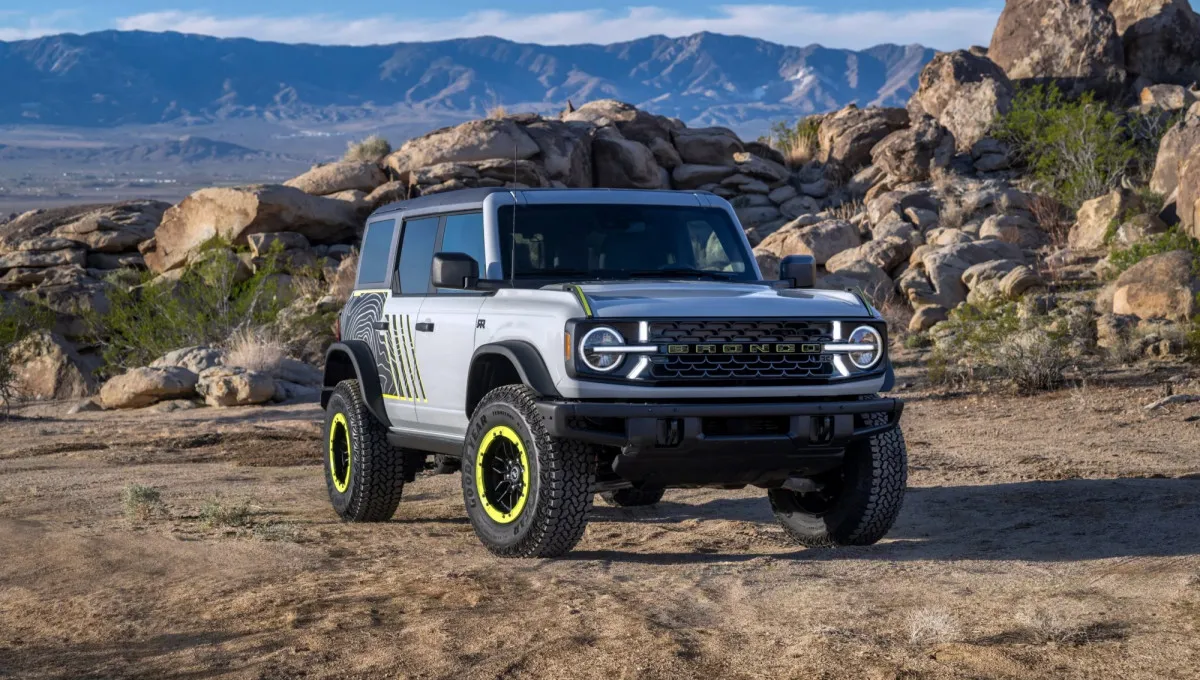
2027 Ford Bronco RTR Priced From $50,495—Undercuts Bronco Raptor by $31,500
Ford has set the starting price for the 2027 Bronco RTR, with orders expected to open later this year.