
Volkswagen Confirms New Tiguan Launch in March — Seven-Seat Version Dropped
The model will no longer have major regional differences and will become a single global product.
After months of rumors and leaks, Volkswagen do Brasil has finally made things official. At a recent press conference, the company confirmed that the next-generation 2026 Volkswagen Tiguan will launch in the country this March. By that point, the crossover had already debuted in several Latin American markets, including neighboring Argentina, so it’s not entirely unfamiliar to the region.
The new Tiguan is built on the MQB Evo platform—the same architecture that underpins the eighth-generation Golf. At the same time, Volkswagen is abandoning its market-specific split strategy. Going forward, the Tiguan will no longer feature major regional variations and will instead be positioned as a single global model.
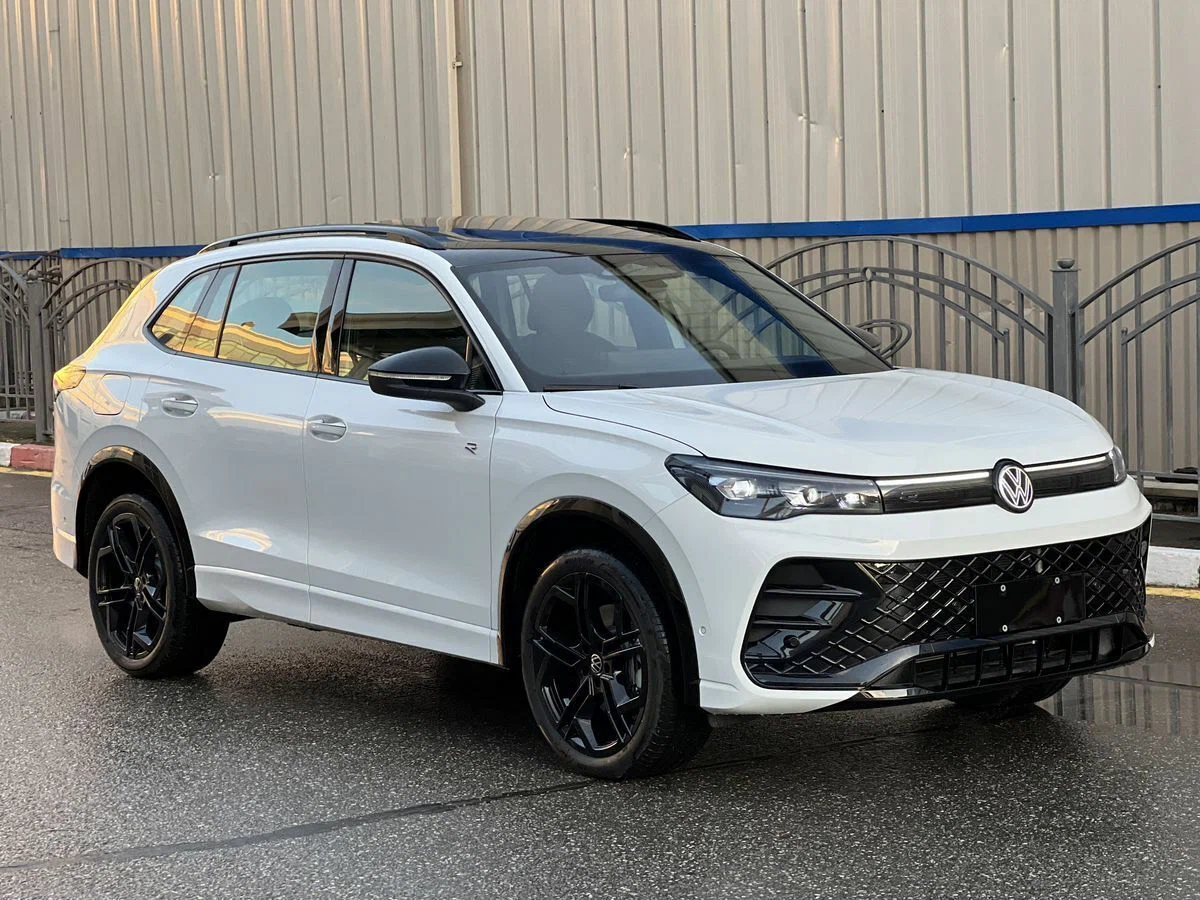
There is, however, some disappointing news for certain buyers. The crossover will no longer be offered in a seven-seat configuration with an extended wheelbase. That version had been available in Brazil and across South America since the launch of the second-generation Tiguan, but it is now being discontinued.
Final details on powertrain options for the Brazilian-spec Tiguan have not yet been disclosed. Still, offerings in other markets provide a clear picture of what’s on the table.
In Argentina and Mexico, even though the Tiguan sits above the Taos in the lineup, it is offered exclusively with a 1.4-liter turbocharged TSI engine. This is the same unit used in models like the T-Cross, Nivus GTS, and the Taos itself. The difference lies in the transmission: instead of the Taos’ 8-speed automatic, the Tiguan uses a 6-speed DSG dual-clutch gearbox. These versions also drop Volkswagen’s 4Motion all-wheel-drive system, relying solely on front-wheel drive.
For the U.S. market, the Tiguan is equipped with a 2.0-liter TSI engine—essentially an updated version of the turbocharged EA888 four-cylinder. Output has increased to 204 horsepower, up from the 187 horsepower produced by the current model sold in Brazil. This engine is paired with a conventional 8-speed automatic transmission.
Another notable change concerns towing capacity on 4Motion-equipped models. With all-wheel drive, towing capability increases from about 1,500 pounds to roughly 1,800 pounds. In these versions, the 2.0 TSI engine is also paired with the 8-speed automatic.
Given Volkswagen’s broader brand strategy, it wouldn’t be surprising if the Tiguan eventually gains electrified variants as well. The automaker has previously stated its readiness to introduce new models with varying degrees of hybridization. In Europe, the Tiguan is already offered in two electrified formats, both based around a 1.5-liter turbocharged engine producing 150 horsepower—an evolution of the current 1.4-liter engine used in several regional lineups.
You may also be interested in the news:
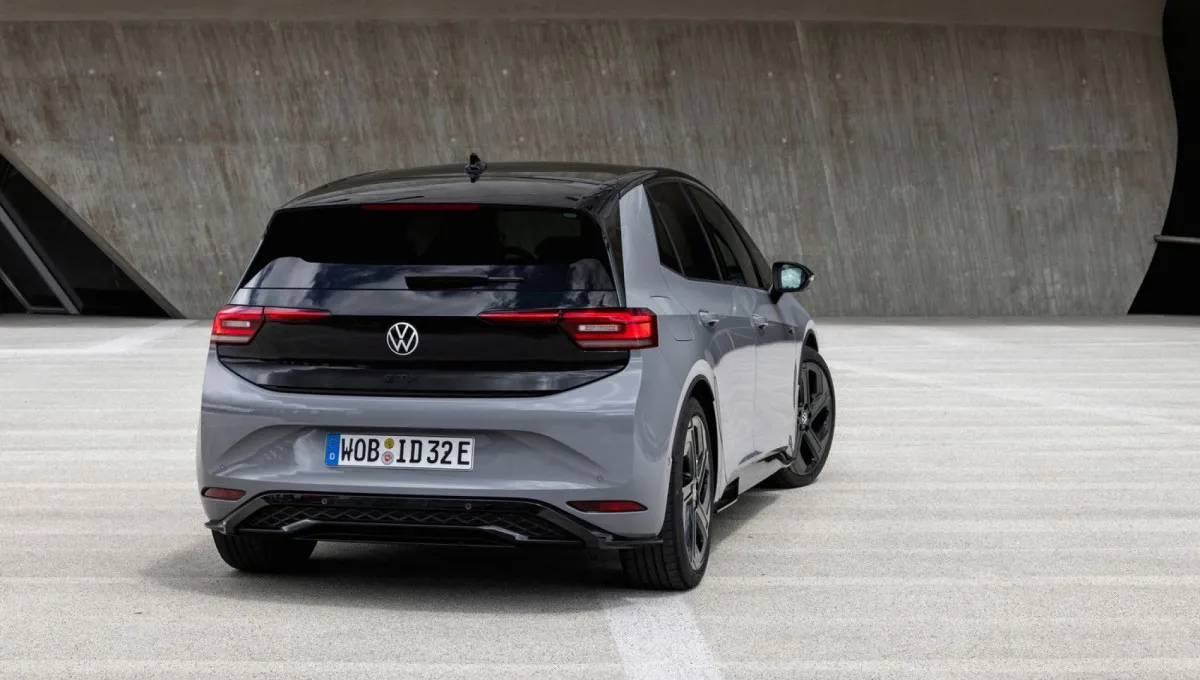
Volkswagen Just Did the Unthinkable: The New GTI Is Rear-Wheel Drive
Volkswagen's ID.3 GTI reaches 60 mph in 5.6 seconds and offers 373 miles of range.
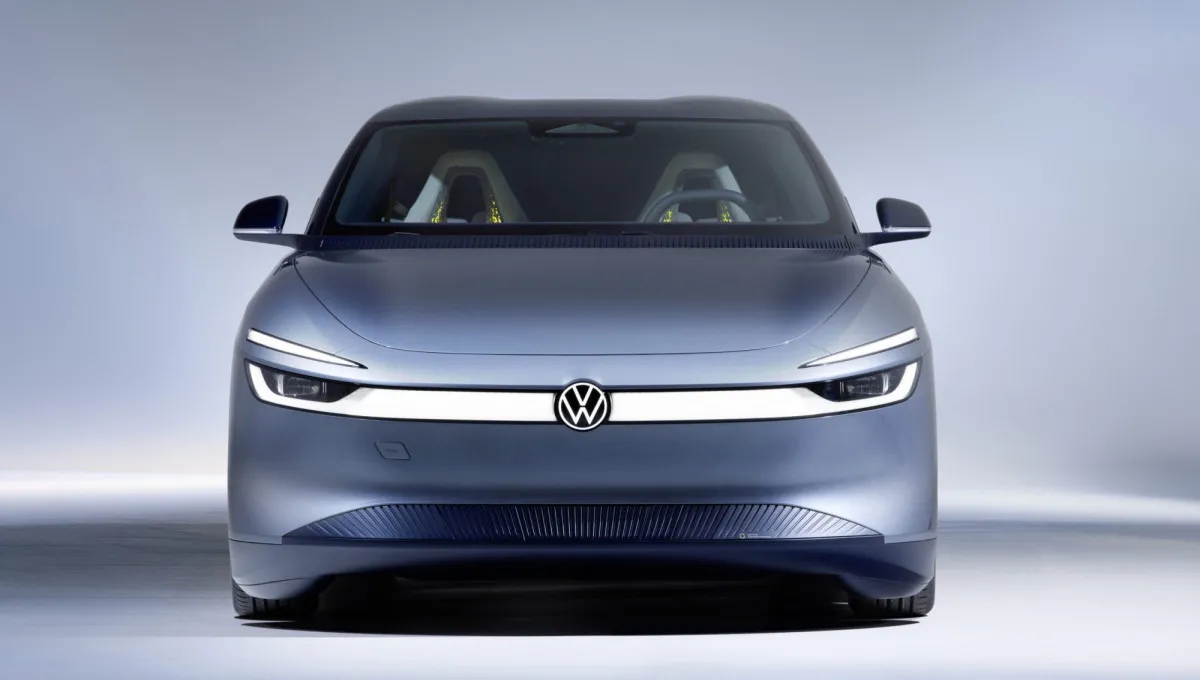
Volkswagen Mission Efficiency Concept Sets Three World Records, Looks Like a 13-Year-Old Model
Volkswagen has unveiled the new Mission Efficiency concept, a radical electric coupe focused on maximizing range and energy efficiency.
Mercedes-Benz to Close Plants and Cut Wages as Workers Face Layoffs
Mercedes-Benz is preparing to restructure its business, including potential pay cuts, layoffs and even the closure of a factory.
“VW on the Outside, Porsche Underneath”: The Story of the Failed EA-128 Sedan
A little-known Volkswagen prototype combined a large sedan body with Porsche 911 hardware in an attempt to enter the upscale market.
Volkswagen Finds Support in India as Company Plans New Vehicles With JSW
Volkswagen and JSW Group have signed a memorandum to create a joint venture in India focused on developing new vehicles.