
Mercedes-Benz Acknowledges China’s Lead in Automotive Software and Electronics
Mercedes-Benz will build its next compact EV platform on a Chinese-developed architecture
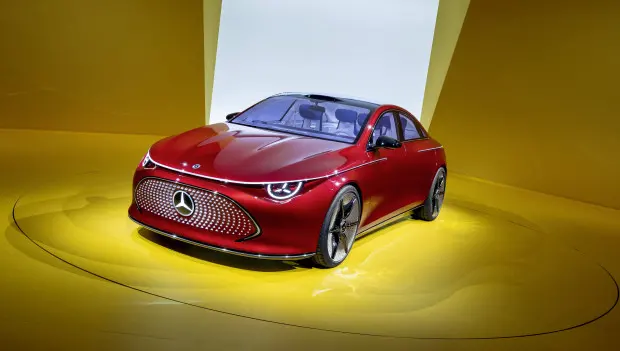
For the first time in its 130-year history, Mercedes-Benz is assigning development of a global electric-vehicle platform outside Germany. According to Chinese outlet 36Kr, the new project—internally known as “Phoenix”—will be developed by Mercedes’ R&D center in China using an electric architecture created by Geely.
The platform, expected to debut around 2030, will replace the current MMA architecture and underpin future versions of the A-Class, B-Class, GLA, GLB, and CLA worldwide. Industry analysts say the move signals more than just cooperation. “It’s effectively an acknowledgment of China’s technological leadership,” they note.
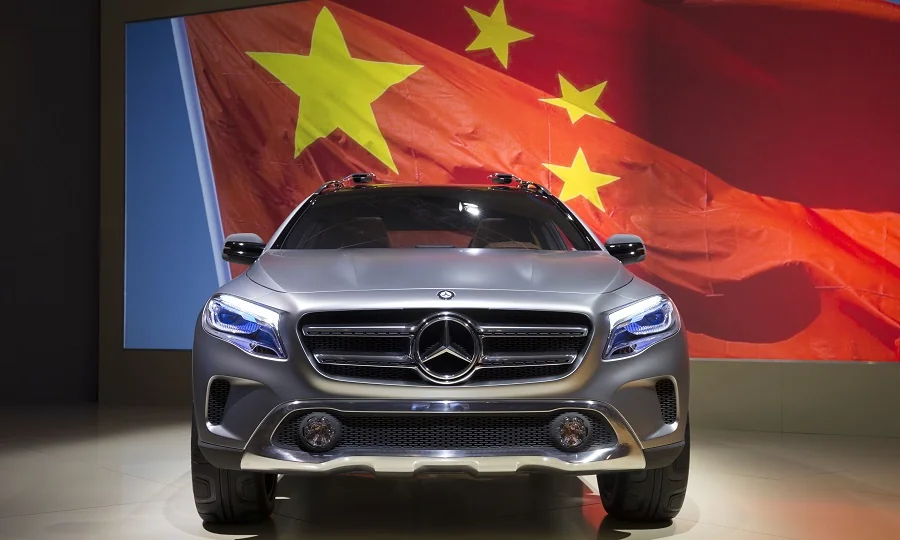
Mercedes’ Chinese research center is set to become the global hub for compact-car development, while teams in Germany will focus on midsize and larger vehicles. The strategy aims to cut manufacturing costs without sacrificing quality—what some engineers inside the company have informally called the “China efficiency effect,” a manufacturing and engineering approach Mercedes has reportedly studied for the past two years.
After decades during which China traded market access for foreign technology, the balance appears to be shifting. Chinese automakers are now exporting technological solutions of their own.
Geely’s GEEA 3.0 architecture—introduced on the Geely Galaxy E5 in 2024—has already powered more than a million vehicles. The newer GEEA 4.0 system is designed to support both internal-combustion and fully electric vehicles. It integrates advanced digital cockpits, sophisticated driver-assistance systems, and extensive connectivity features—elements many industry observers describe as the “digital backbone” of modern cars. Mercedes engineers are already evaluating a proof-of-concept built on the GEEA 4.0 platform.
The decision reportedly gained momentum after Mercedes engineers conducted a detailed teardown of the Zeekr 001 electric wagon. Their conclusion surprised some inside the company: the technical quality was comparable to Mercedes standards, while production costs were significantly lower. That discovery helped push the company toward deeper collaboration.
The question of how to reduce costs while maintaining profitability—raised publicly by CEO Ola Källenius in 2025—now appears to have a practical answer.
Mercedes isn’t alone in turning to Chinese partners. Volkswagen has teamed up with Xpeng to co-develop electric vehicles, Stellantis is using Leapmotor technology for models aimed at the European market, and Renault has partnered with Geely on hybrid powertrains. Ford has also explored cooperation with Geely in areas such as artificial intelligence and automated driving.
Chinese automakers are no longer seen simply as fast followers—they’re increasingly setting the pace.
Mercedes executives acknowledge that software and electronics remain among the toughest challenges for traditional automakers. Geely’s platform offers a mature, scalable, and cost-efficient solution. For Mercedes, the move isn’t a concession so much as an adaptation to a new automotive landscape shaped by Tesla and rapidly evolving Chinese EV startups.
In practical terms, it means that an engineer in Hangzhou could be designing the platform that drivers of A-Class models will use in Berlin, Paris, and New York five years from now. Mercedes-Benz is building its future alongside China—one line of code at a time.
You may also be interested in the news:
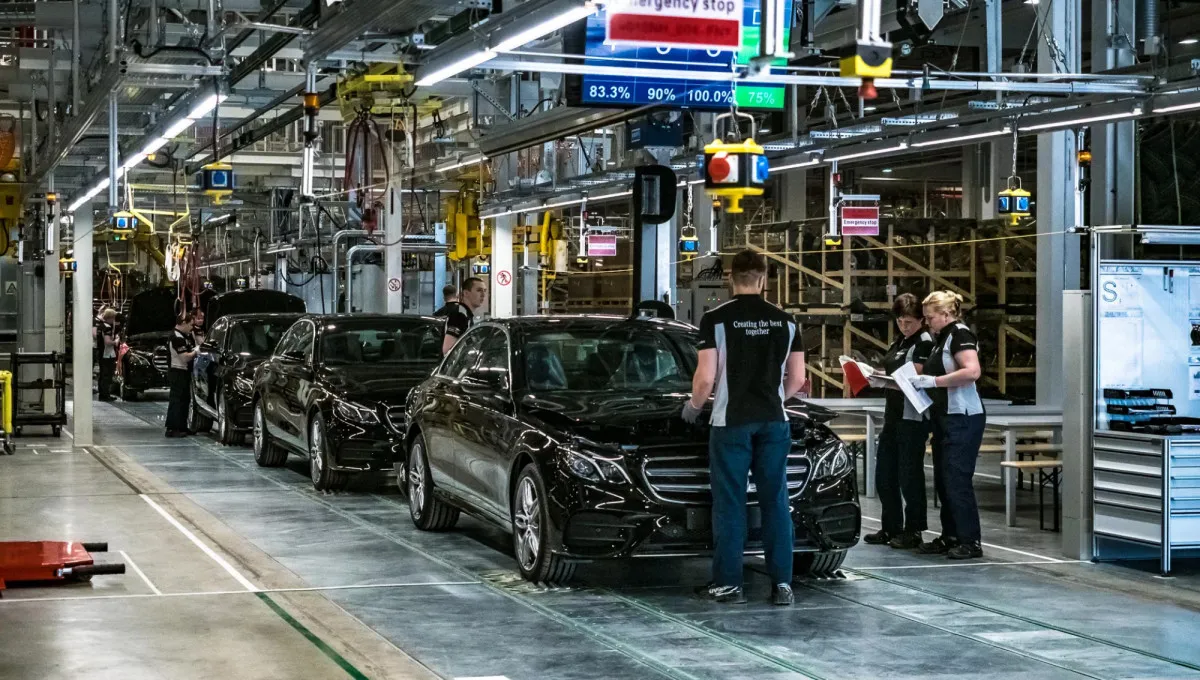
Mercedes-Benz to Close Plants and Cut Wages as Workers Face Layoffs
Mercedes-Benz is preparing to restructure its business, including potential pay cuts, layoffs and even the closure of a factory.

New Mercedes-AMG CLE 646 Outmuscles the BMW M4 With 637 HP and a 3.9-Second 0-60 Run, but You’ll Never Be Able to Buy One
Mercedes-AMG has unveiled a new 646-hp CLE Spezialanfertigung with a twin-turbo V8, extensive carbon-fiber upgrades, and serious track-focused performance.
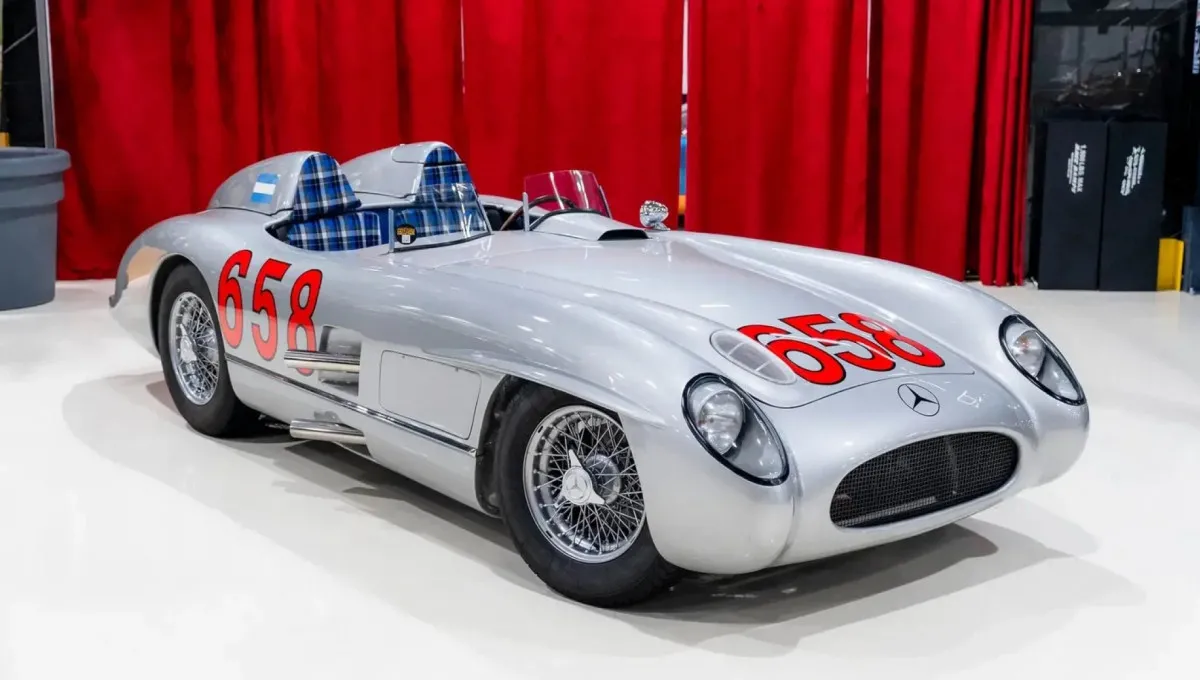
Mercedes-Benz C-Class Transformed Into a Retro Sports Car: Photos
An Argentine shop transformed a Mercedes-Benz C-Class into a replica of the legendary 300 SLR driven by Juan Manuel Fangio.
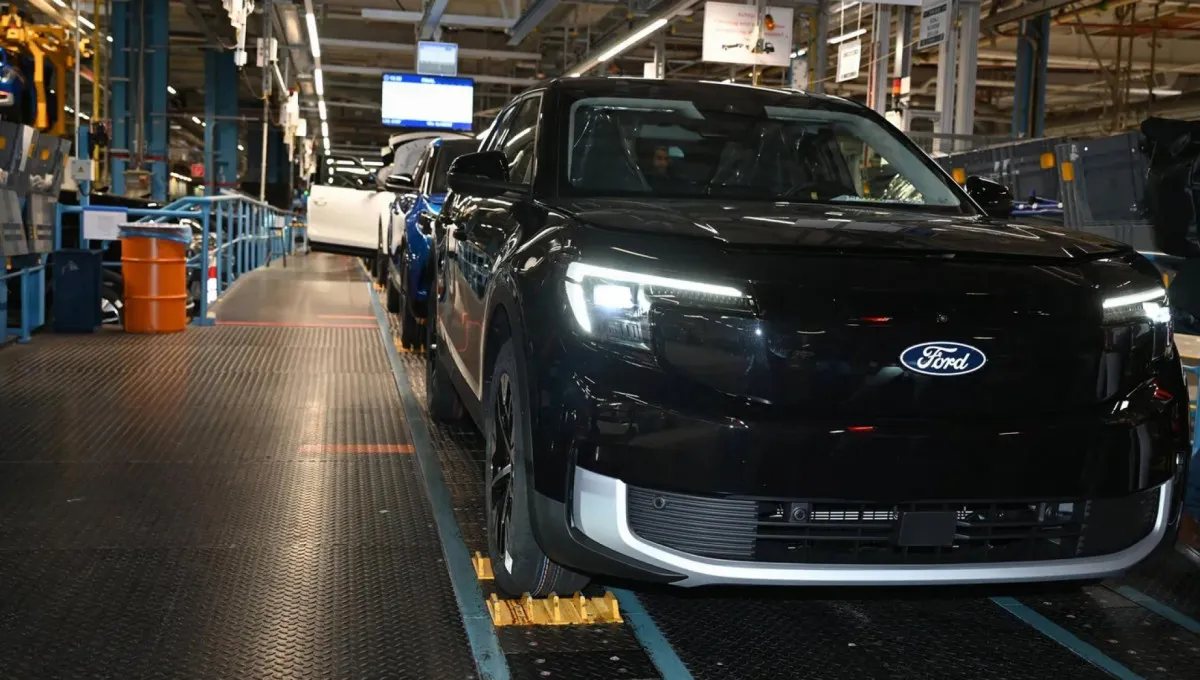
U.S. Officials Demand Ford Cut Its Technology Ties With China
U.S. Transportation Secretary Sean Duffy urged Ford to end partnerships with Chinese companies over technology and national security concerns.
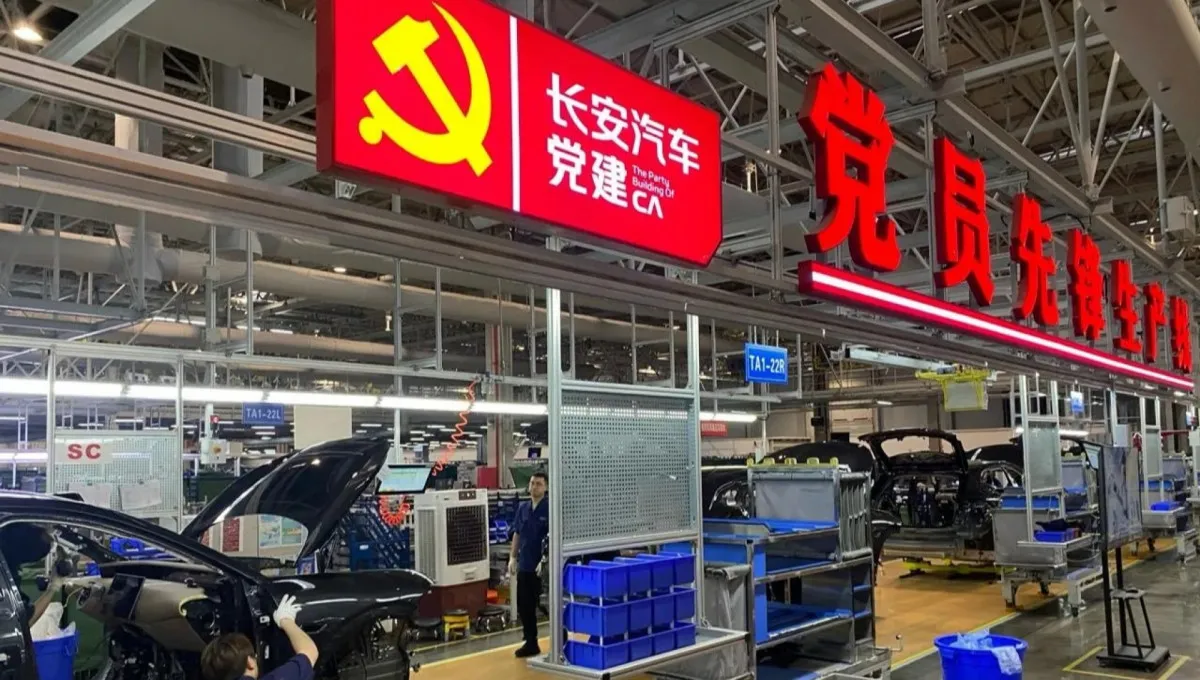
China’s Auto Industry Faces Chip Crisis as AI Boom Drives Up Costs and Creates Shortages
Chinese automakers are facing a sharp increase in chip prices as semiconductor shortages threaten vehicle production.