
China's Luxury Car Slowdown Puts Pressure on Audi, BMW, and Mercedes-Benz
Audi has lowered its 2026 revenue forecast as weakening demand in China reshapes the outlook for luxury automakers.
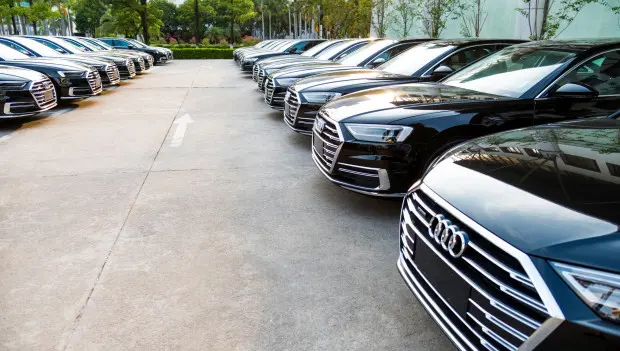
China's automotive market is undergoing changes that could reshape the future of Audi and other German luxury brands. Audi has already lowered its financial outlook for 2026 as the company faces growing challenges in one of its most important markets.

Softening demand for premium vehicles in China could eventually influence pricing strategies and product lineups beyond the country's borders. Audi's leadership is already adjusting its expectations as market conditions become increasingly difficult.
According to Bloomberg, Audi has cut its 2026 revenue forecast from about $73.6 billion to roughly $67.8 billion. The revised outlook reflects the company's concerns over declining demand for luxury vehicles among Chinese consumers, as well as higher costs tied to new U.S. import tariffs. As a result, German automakers including Audi, Mercedes-Benz, BMW, and Porsche are reassessing their business strategies and looking for ways to reduce expenses.
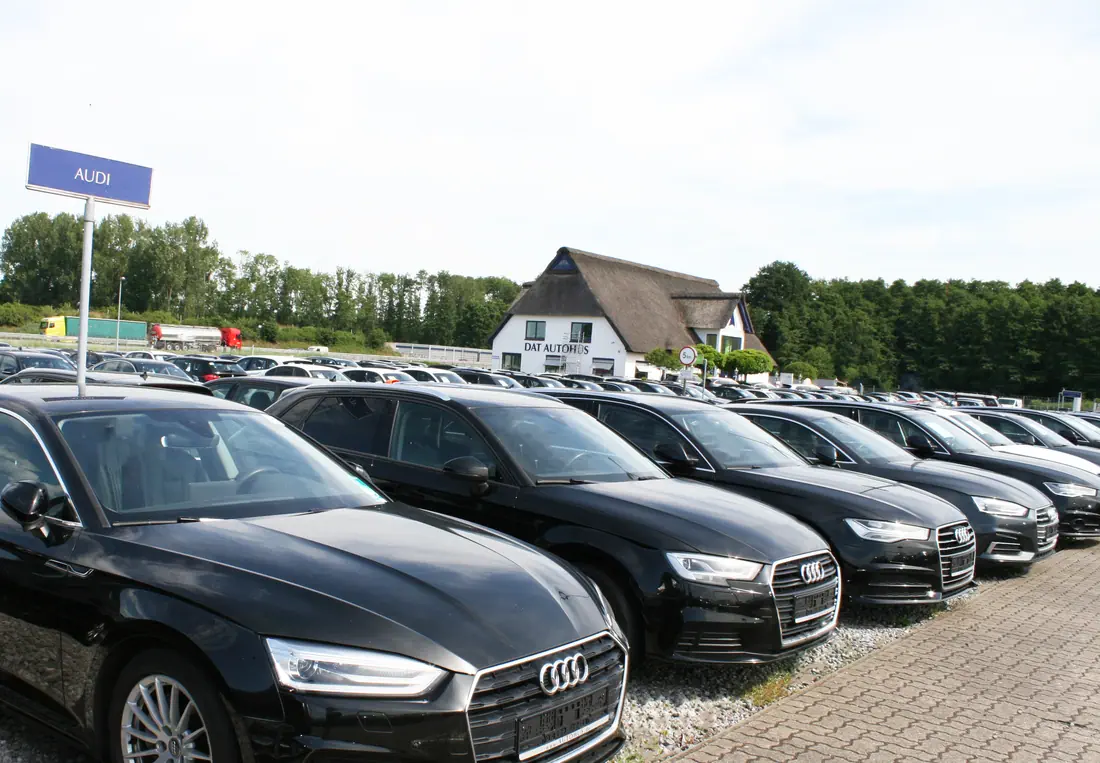
Industry analysts say these trends could shift the balance of power in the global automotive market. German manufacturers once enjoyed a dominant position in China, but they are now facing growing competition from domestic automakers that continue to expand their technology portfolios while offering more affordable vehicles.
The changing landscape has prompted strategic adjustments across the industry. Volkswagen, for example, recently backed away from previously announced plans to close several factories, a move that may reflect its determination to maintain a strong presence in key global markets.
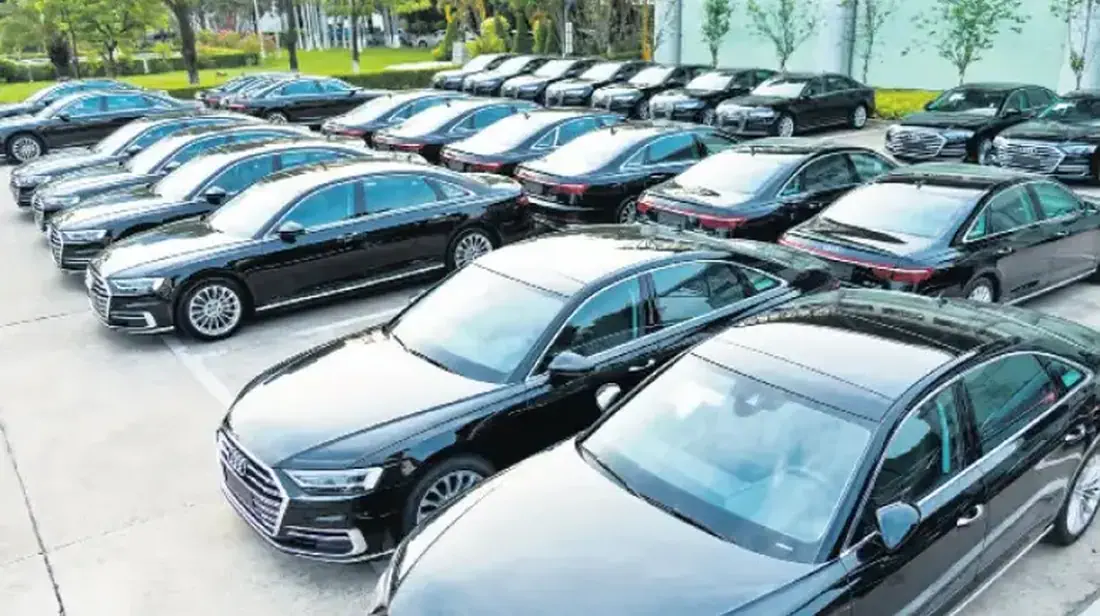
Other premium automakers are experiencing similar challenges, suggesting that weakening demand and rising operating costs are affecting much of the luxury segment. Analysts expect Chinese manufacturers to continue strengthening their position over the next several years with new models aimed at a broader range of buyers, while German brands are likely to focus on technology, innovation, and customer experience to remain competitive. Overall, the evolving market presents new challenges for luxury automakers and underscores the need for greater flexibility as competition intensifies.
You may also be interested in the news:
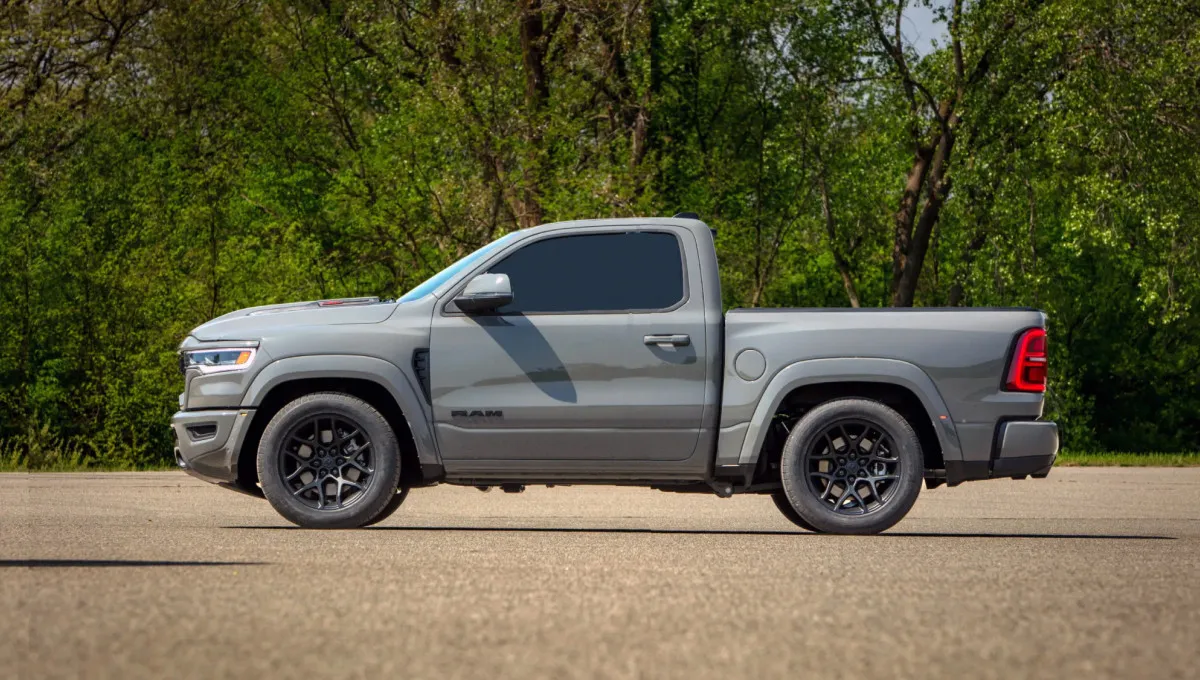
2027 Ram 1500 Rumble Bee: Pricing, Options and How to Build Yours
The 777-HP Ram Rumble Bee Is Coming — But You Can Buy the New Hemi Truck Now
“Are You Sure It’s Chinese?” Who Really Builds China’s Car Engines
Who Really Develops China’s Car Engines?

Solving the Mystery of the Audi Nuvolari’s Massive Fuel Door Button
Audi’s striking Nuvolari supercar has an unusually large fuel door button, and its placement may reveal an unexpected connection.

This Ford F-150 Isn’t Just a Pickup — It’s an Orange Apocalypse on Four Wheels
This outrageous Ford F-150 listing turns an ordinary pickup into a mud-loving, obstacle-crushing legend with attitude.
Nissan Restarts US-Made Murano, Pathfinder, Frontier Sales in Canada
Nissan resumed Canadian sales of three U.S.-built models, but tariffs keep supply below earlier levels.