
China’s Auto Industry Faces Chip Crisis as AI Boom Drives Up Costs and Creates Shortages
Chinese automakers are facing a sharp increase in chip prices as semiconductor shortages threaten vehicle production.
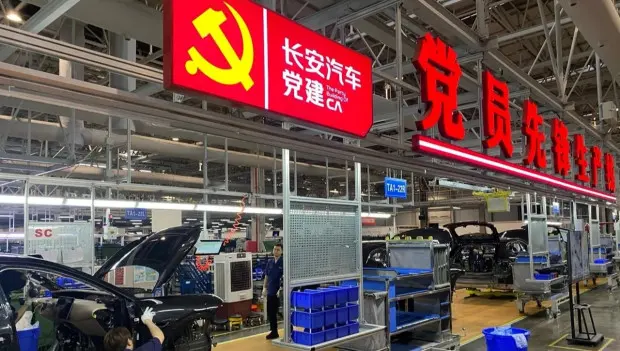
A crisis that has been developing in China for some time is now becoming more serious. Local automakers are facing sharply higher prices for the chips needed to build most vehicles, including budget models.
Until recently, Chinese automakers were dealing with periodic disruptions in chip supplies. The situation is now evolving into a structural, long-term crisis. That means shortages of memory chips are expected to worsen. The problem becomes even more significant considering that chips are required for virtually every vehicle currently produced in China.
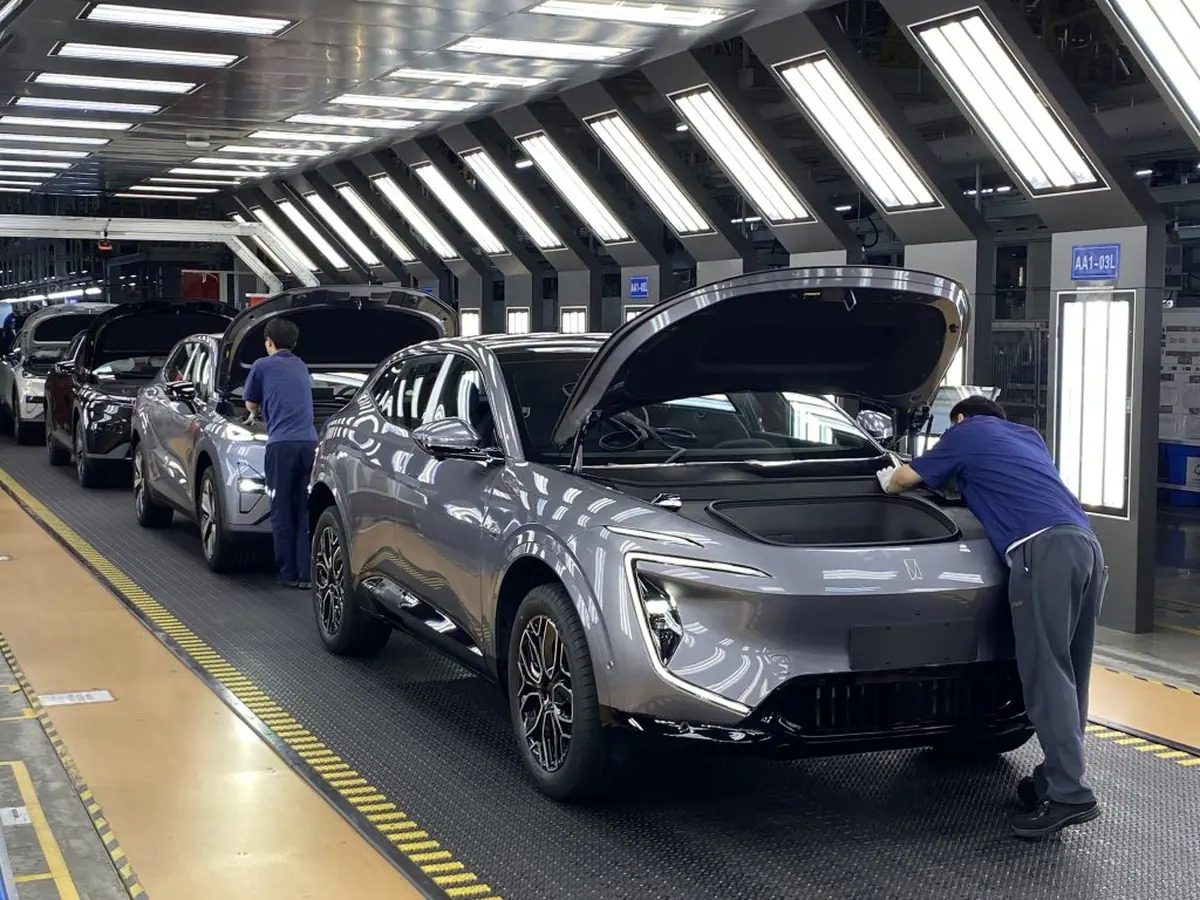
The main reason behind the crisis is the artificial intelligence boom. Major memory manufacturers, including Samsung and others, have shifted their supplies toward companies involved in AI. Profit margins are a major factor behind the move. High-end memory used for AI can cost more than $10 per gigabyte, while similar components for vehicles are valued at no more than $2.
On top of that, a single AI server requires a large number of chips, while vehicles need substantially fewer. The automotive industry currently accounts for about 3% of the global AI chip market. As a result, it is not surprising that major semiconductor suppliers are reducing shipments to the automotive industry.
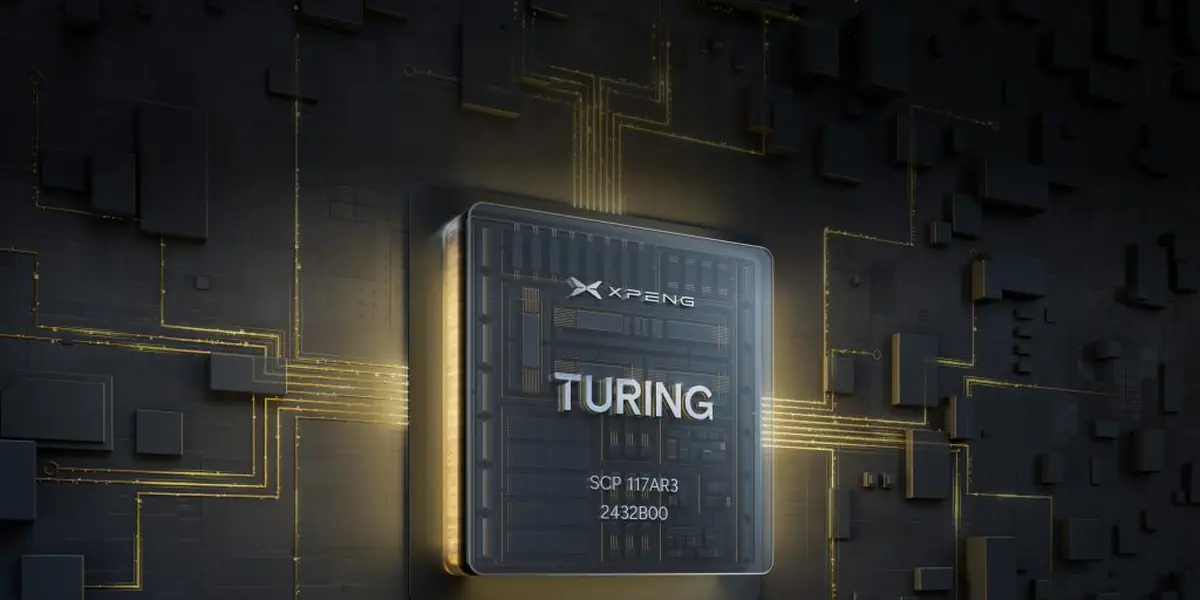
According to analysts, memory chip prices for vehicles rose by an average of 180% between March and June 2026, while DDR5 memory prices increased by more than 300%. Prices jumped another 15% to 25% in mid-summer. That means higher prices for many Chinese-built vehicles could be on the way. Another factor is making the situation even more difficult.
A top executive at Changan recently said profit from the sale of a single vehicle barely exceeds 1% of the vehicle’s production cost. This means Chinese automakers cannot cut prices on their products if they want to remain profitable. At the same time, the shortage has sharply increased wait times, with some types of memory taking as long as 40 weeks to arrive. That could lead to slower vehicle production.
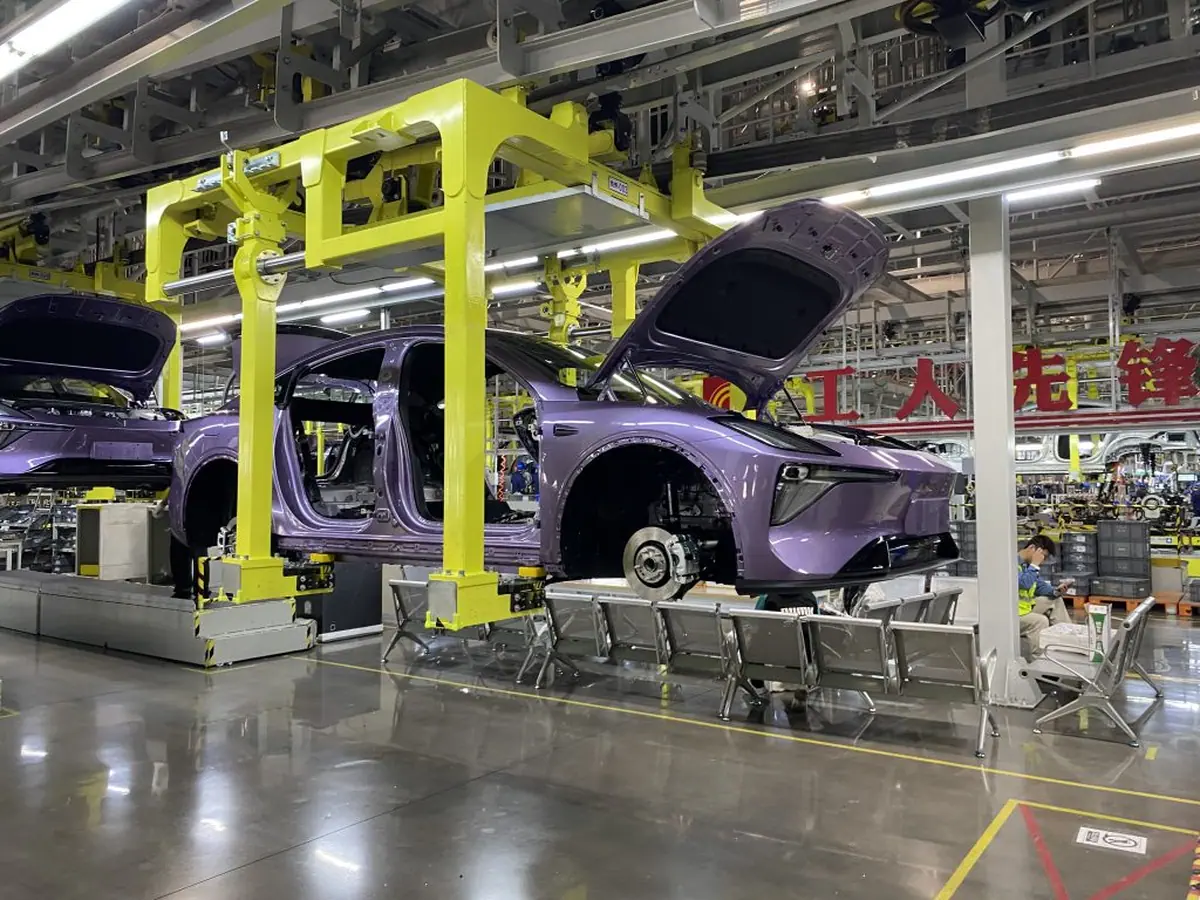
The head of Seres, which owns the Aito brand, said chips can account for 8% to 20% of the production cost of modern electric vehicles. China is already showing the first signs of an emerging crisis. In August, Xpeng was forced to delay shipments of vehicles that had already been sold because of a lack of semiconductors. As a result, some Chinese automakers, including BYD, Great Wall and Changan, are now accelerating development of their own chips.
You may also be interested in the news:
2027 Ram 1500 Rumble Bee: Pricing, Options and How to Build Yours
The 777-HP Ram Rumble Bee Is Coming — But You Can Buy the New Hemi Truck Now
“Are You Sure It’s Chinese?” Who Really Builds China’s Car Engines
Who Really Develops China’s Car Engines?

This Ford F-150 Isn’t Just a Pickup — It’s an Orange Apocalypse on Four Wheels
This outrageous Ford F-150 listing turns an ordinary pickup into a mud-loving, obstacle-crushing legend with attitude.
Nissan Restarts US-Made Murano, Pathfinder, Frontier Sales in Canada
Nissan resumed Canadian sales of three U.S.-built models, but tariffs keep supply below earlier levels.

Stellantis Just Revealed Nine New Cars Under $40,000 — And Two Could Cost Less Than $30K
Stellantis plans nine cheaper vehicles as high prices leave American shoppers with fewer affordable new-car choices.