
What Does the “D/S” Mode Actually Mean in a Car? Few Drivers Know the Answer
In most vehicles, these two driving modes are shown separately, making the combined “D/S” marking easy to overlook.
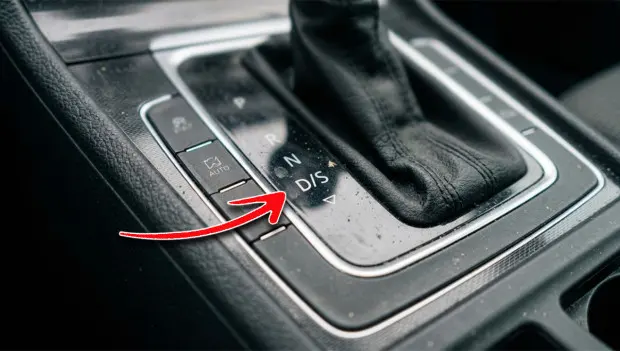
Modern automatic transmissions have plenty of letters and symbols on the shifter to help drivers select the right setting. Most are familiar and rarely raise any questions. But every now and then, you may come across a “D/S” setting, which is less common and can leave drivers wondering what it actually does.
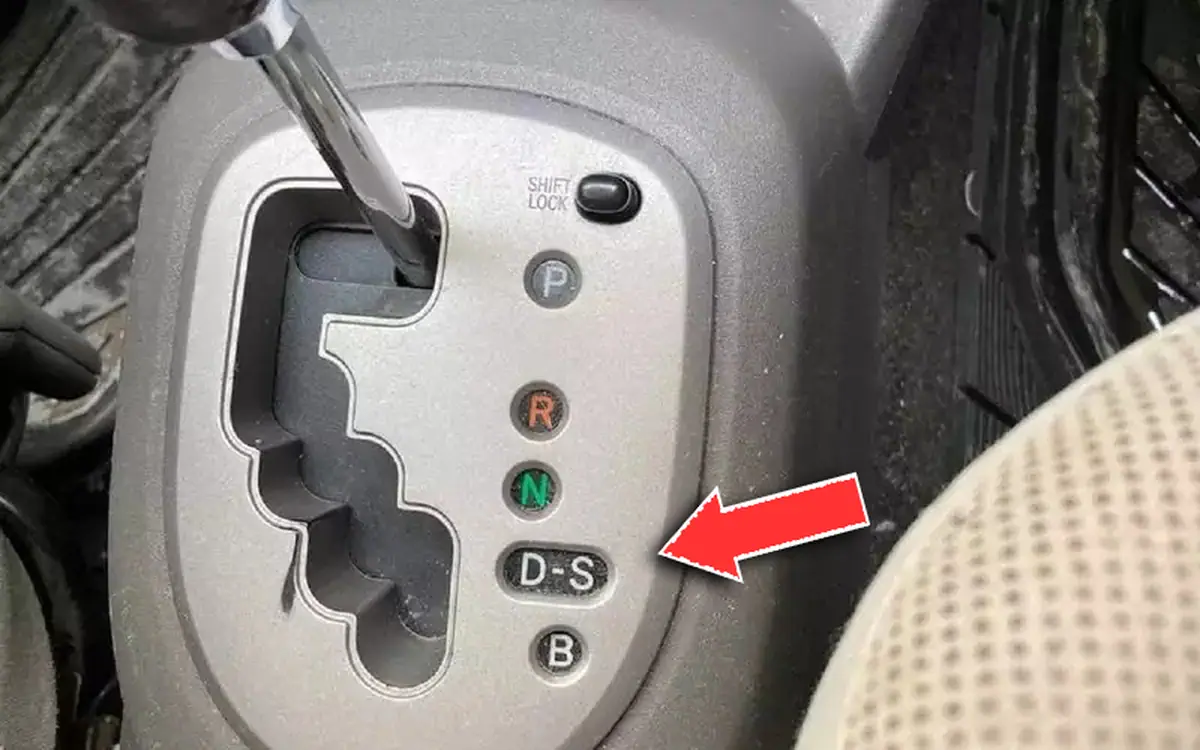
Here’s what you need to know about the “D/S” transmission mode.
What Does “D/S” Mean on an Automatic Transmission?
According to experts at SlashGear, the “D” and “S” markings are usually shown separately. However, some vehicles combine them on the gear selector, while others use a dedicated button near the center console.
In general, D stands for Drive, while S stands for Sport. But the exact function of the S setting can vary significantly depending on the automaker.
“It's one of those things that isn't immediately obvious, especially because the meaning of S on a gear selector can vary. The letters stand for Drive and Sport, but exactly how they work can differ quite a bit from one vehicle to another,” the publication explains.
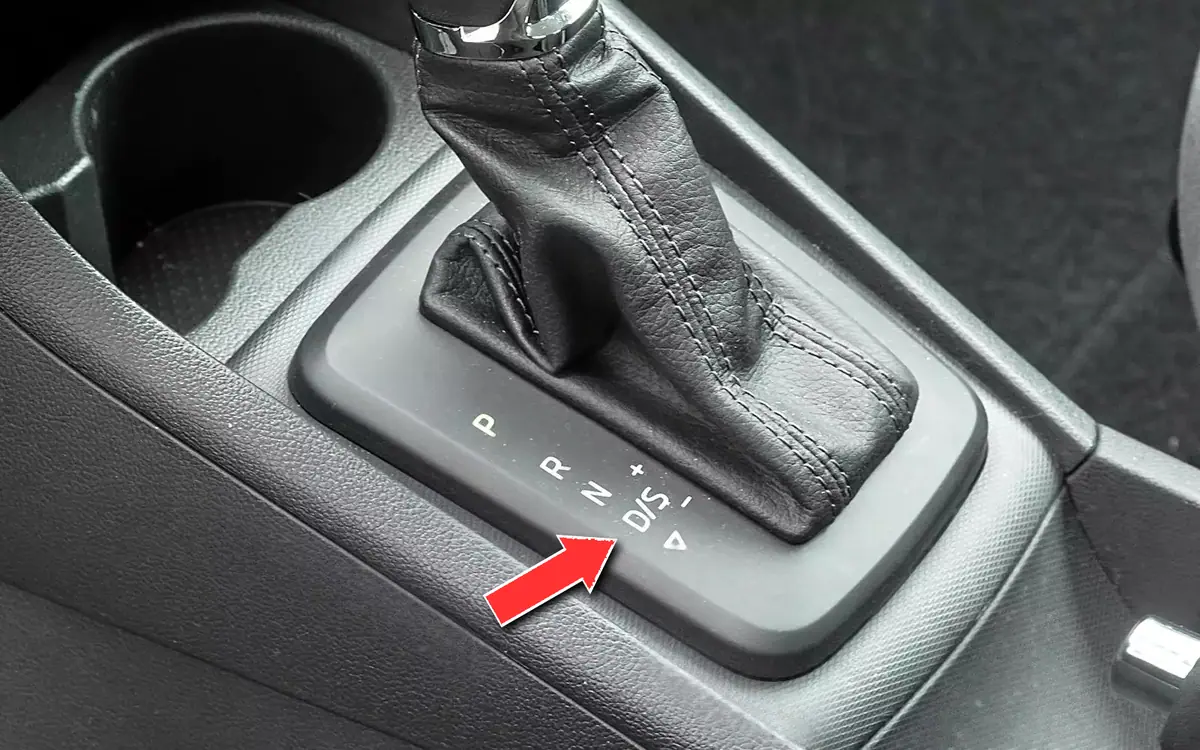
Which Vehicles Use a Combined “D/S” Setting?
In most vehicles, Drive and Sport are separate settings. However, the combined D/S arrangement can be found on certain Honda and Acura models, as well as vehicles from the Volkswagen Group, including Volkswagen, Audi and several other brands.
What Does the “D/S” Mode Do?
On Honda and Acura models equipped with 10-speed automatic transmissions, the S setting primarily refers to a sequential mode that provides more control over gear changes through the steering-wheel-mounted paddle shifters.
One button may be labeled D/S and works as a toggle. Press it once, and the transmission operates in normal Drive mode. In this setting, the transmission generally shifts into higher gears earlier and keeps engine RPM lower, which is well suited to relaxed highway cruising.
Press the button a second time, and S mode activates, officially known on these vehicles as Sequential SportShift.
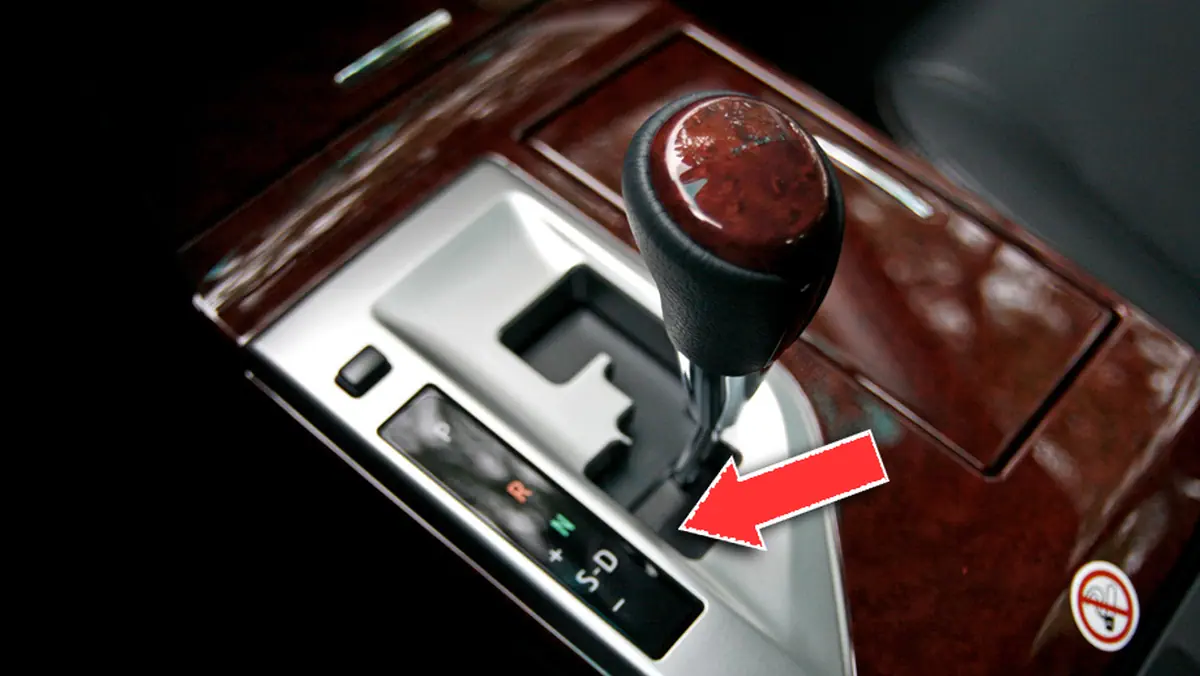
What Are the Benefits of “D/S” Mode?
Sport mode gives the vehicle a more aggressive character by keeping the transmission in lower gears for longer. That can make the throttle feel more responsive and keep the engine in a more useful part of its powerband.
You don't even have to touch the paddle shifters. The transmission will continue changing gears automatically, but it will do so more aggressively to deliver sharper performance.
Pull one of the paddles, however, and the transmission switches into manual mode. That's when an M appears next to the selected gear. At that point, automatic upshifts are disabled, although the transmission can still downshift automatically if the vehicle comes to a stop.
In other words, the D/S button isn't simply another mysterious transmission symbol. On compatible vehicles, it's a quick way to switch between relaxed everyday driving and a more responsive, sportier transmission setting.
You may also be interested in the news:
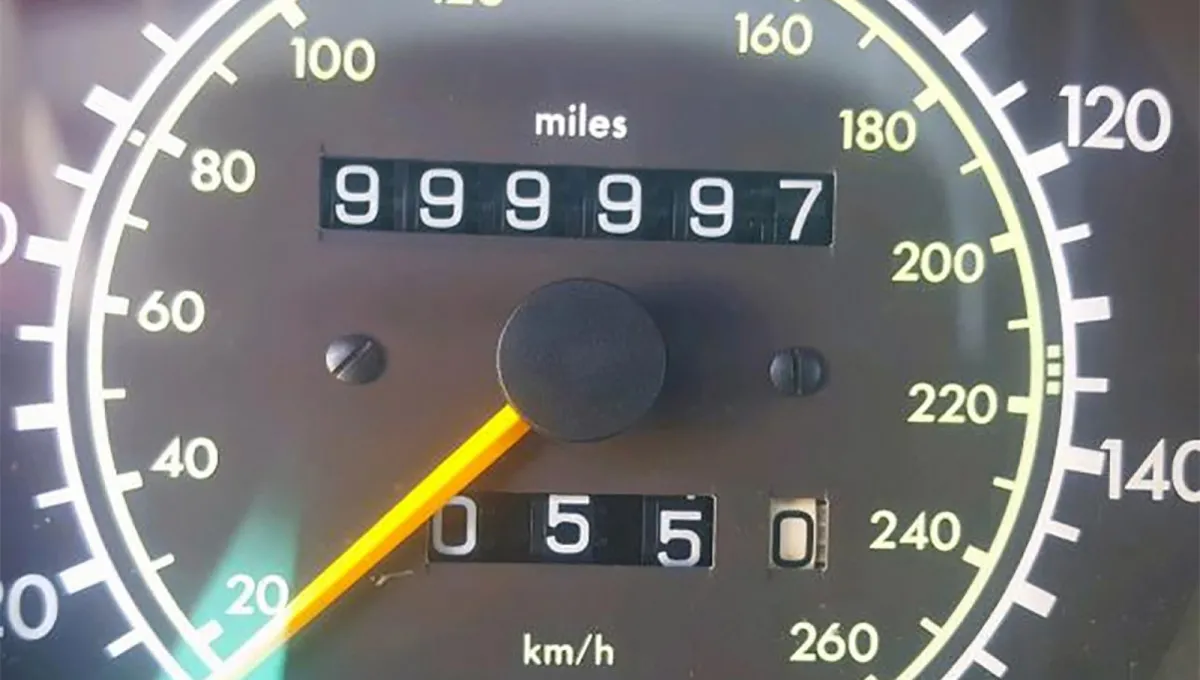
These 8 Cars Went Over 1 Million Miles — They Just Don’t Build Them Like They Used To
Some cars outlast generations of owners, proving that careful maintenance and durable engineering can deliver extraordinary mileage.
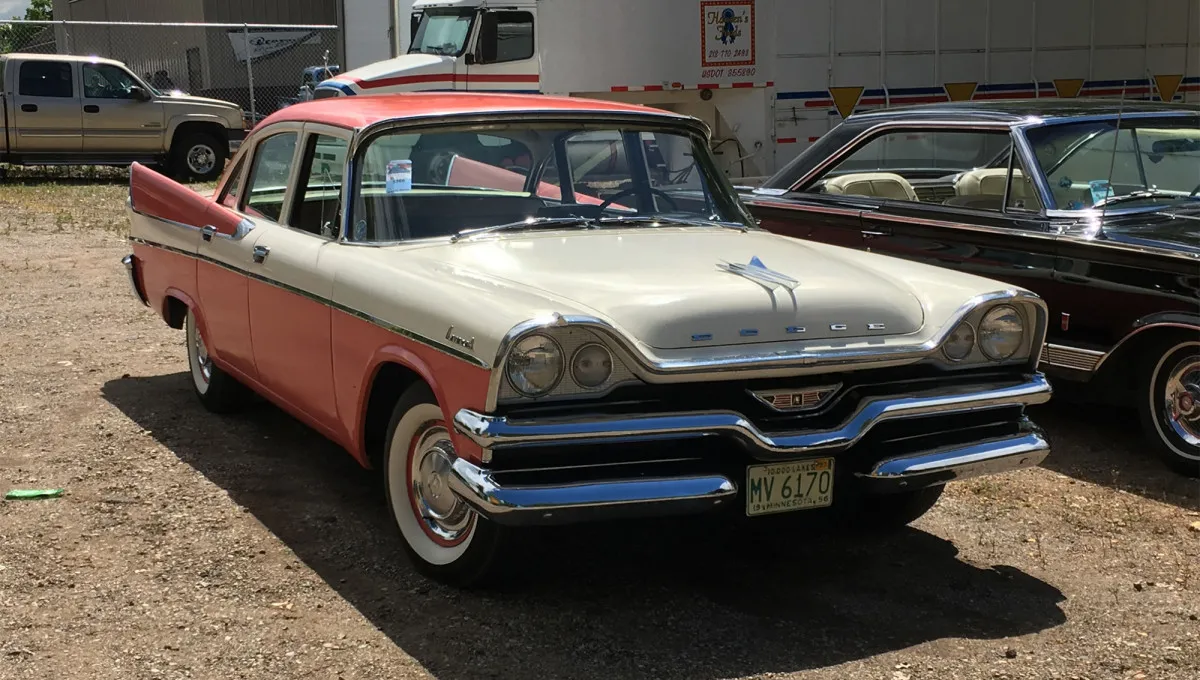
The 1957 Dodge: How “Autodynamics” Shaped One of Detroit’s Boldest Designs
The 1957 Dodge Looked Like a Dream Car, but Its Biggest Flaw Was Hiding Beneath the Surface.
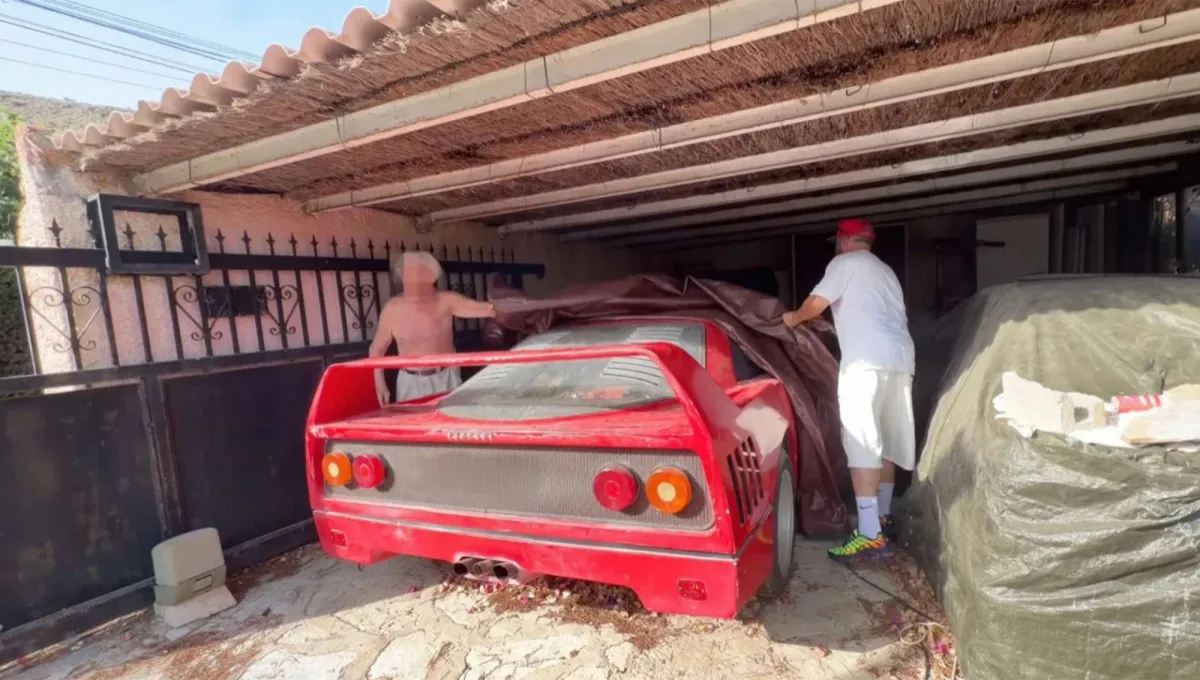
Two Ferrari F40s Spotted on Google Maps Turn Out to Be Pontiac Fiero Replicas
Two Ferrari F40 lookalikes spotted on Google Maps in Spain turned out to be replicas built on an American sports car.
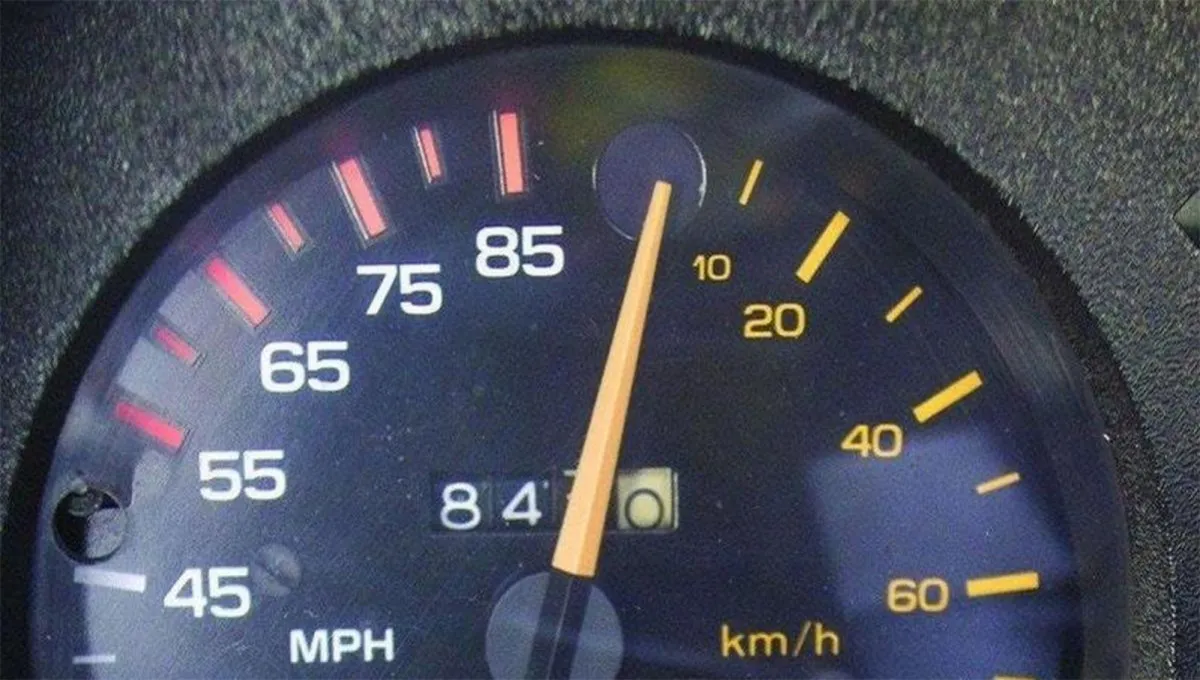
Your Speedometer Says 65 MPH, but Your GPS Says 62 — Here’s Why Your Car Does That
Your speedometer reads 65 mph, but your GPS says 62 mph. Here’s why the numbers rarely match.
“Are You Sure It’s Chinese?” Who Really Builds China’s Car Engines
Who Really Develops China’s Car Engines?