
What Did the World’s Four Most Durable Engines Have in Common—and Why Were They Discontinued?
There was a time when far more cars could rack up a million miles, and that’s simply a fact.
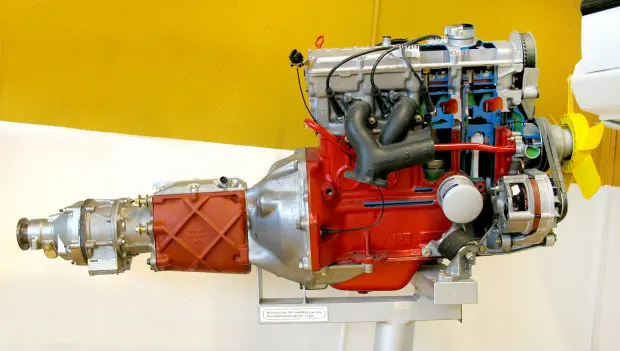
There was a time when far more cars could rack up a million miles, and that’s simply a fact. The usual explanation is that automakers have little financial incentive to build cars that last forever.
That’s certainly part of the story, but it isn’t the whole explanation. The history of four legendary million-mile engines makes that clear—and every one of them eventually disappeared.
Mercedes OM616 and OM617
By the mid-1970s, against the backdrop of the global oil crisis, Mercedes-Benz was betting heavily on massive reserves of mechanical durability.
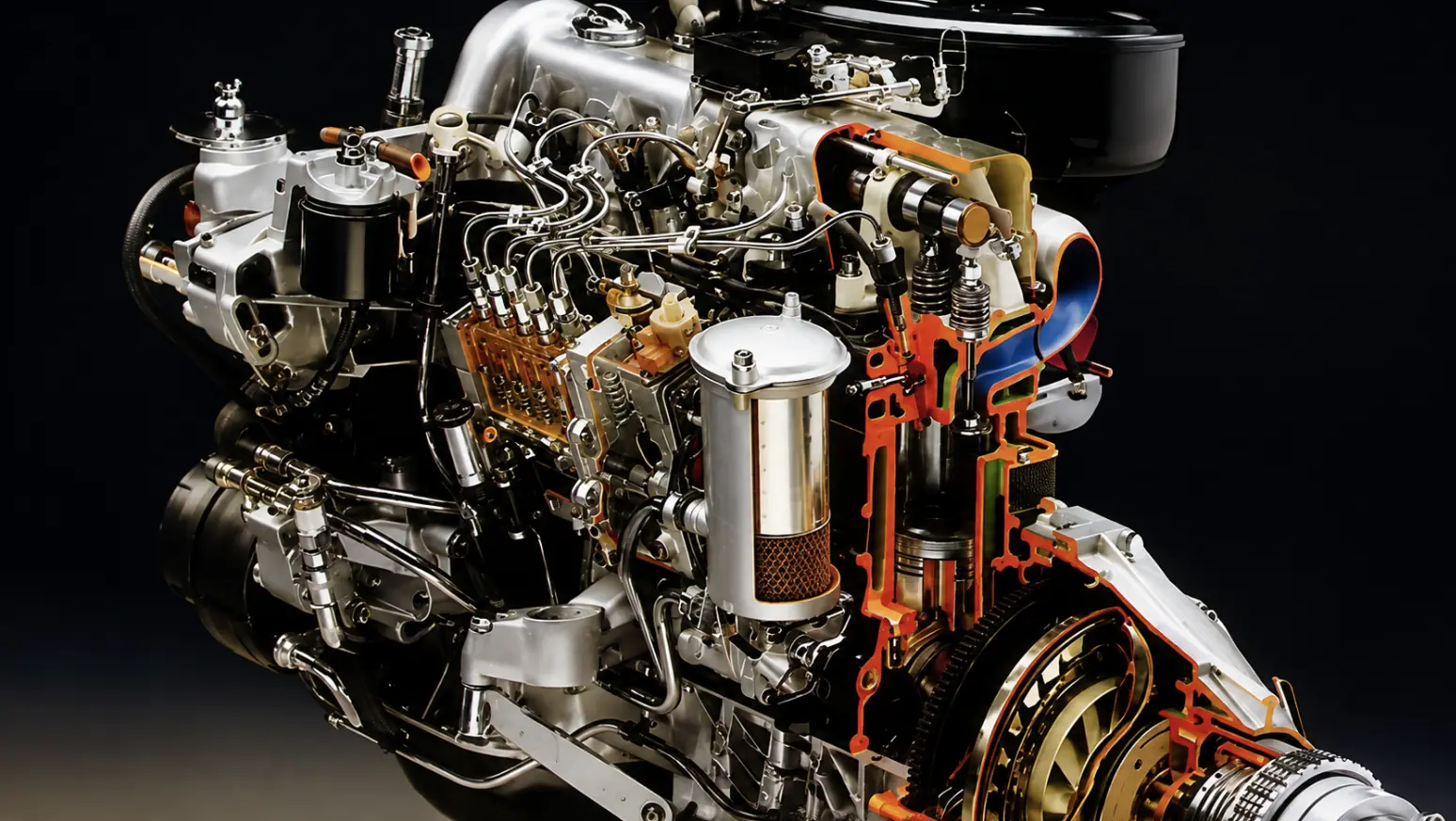
The clearest expression of that philosophy was the OM616 and OM617 family of cast-iron diesels. Their extraordinary longevity came largely from an almost absurd level of mechanical simplicity.
The cylinder block and head were cast from heavy-duty gray iron, which greatly minimized thermal distortion under load. Fuel was delivered by a mechanical Bosch injection pump that could tolerate diesel fuel of questionable quality.
There were no electronic control units or armies of sensors. Once the engine was running, it didn't depend on sophisticated electrical systems to keep itself alive, and shutting it down was handled by a simple vacuum system.
The 3.0-liter naturally aspirated five-cylinder OM617 produced just 80 horsepower. That low specific output meant extremely modest thermal and mechanical loads on the pistons, rods and crankshaft. It was one of the reasons old Mercedes diesels exported to developing markets could continue running for decades.
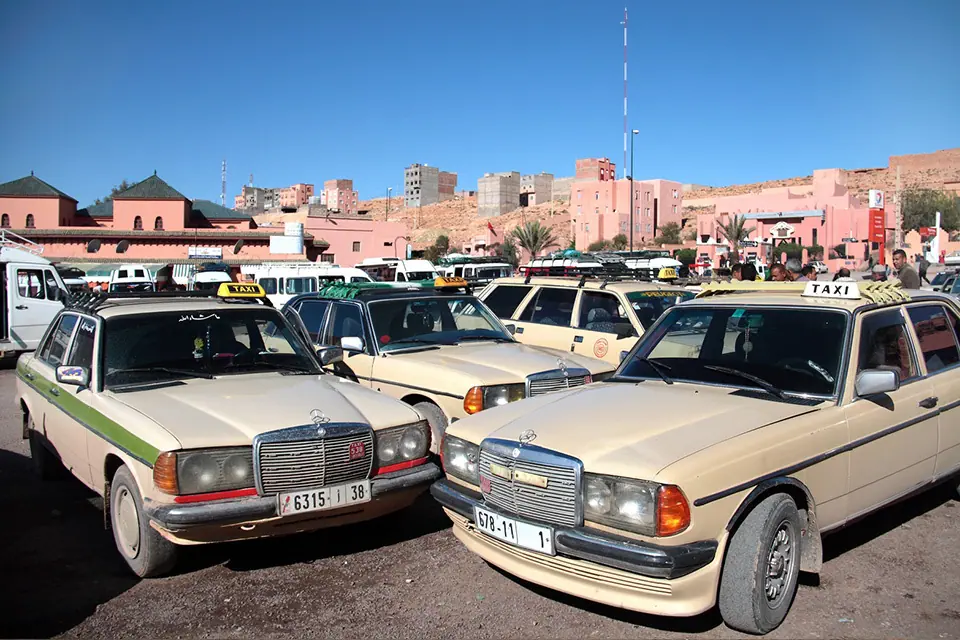
The highest documented mileage associated with the Mercedes brand belongs to Greek taxi driver Gregorios Sachinidis of Thessaloniki. In 1981, he bought a used 1976 Mercedes-Benz 240D with a little more than 124,000 miles on the odometer and then operated it around the clock as a city taxi for 23 years.
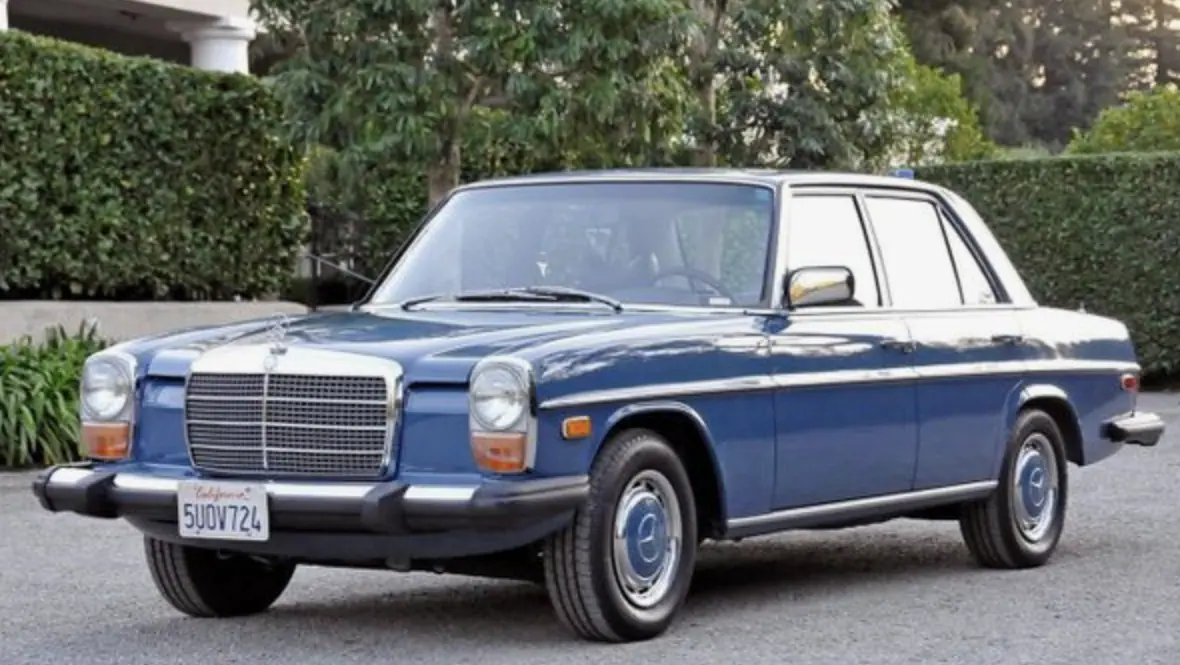
By 2004, the odometer had reached approximately 2.86 million miles.
Sachinidis told Mercedes representatives that he had used four OM616 engines during that time, essentially rotating them through service. While one engine was being worked hard in the taxi, another was undergoing a rebuild.
Mercedes eventually acquired the historic car for its museum in Stuttgart. In return, Sachinidis received the keys to a brand-new S-Class.
Ford 4.6 Modular
The old-school 5.0-liter-class cast-iron engines were gradually being pushed aside by tougher U.S. emissions and fuel-economy requirements. In the early 1990s, Ford invested billions of dollars in developing an entirely new engine architecture.

The project became known as the Modular family, and one of its defining members was the 4.6-liter V8 with overhead camshafts.
It found a home in Ford’s Panther platform, most famously in the Ford Crown Victoria—the quintessential American fleet sedan.
Much of the engine’s legendary durability was hidden in the bottom end. The cylinder block used thick-walled gray-iron construction, while each crankshaft main bearing cap was secured with six bolts rather than the conventional four. Two of those bolts ran horizontally through the sides of the block.
That cross-bolted arrangement, borrowed from racing-engine thinking, locked the bottom end together with tremendous rigidity.
That excessive strength helped turn the 4.6 Modular into an icon of American police fleets and taxi service. For two decades, police departments relied on Crown Victoria-based patrol cars that could sit idling for hours in extreme heat or cold, powering radios, emergency lights and air conditioning, before being called upon for high-speed pursuits.
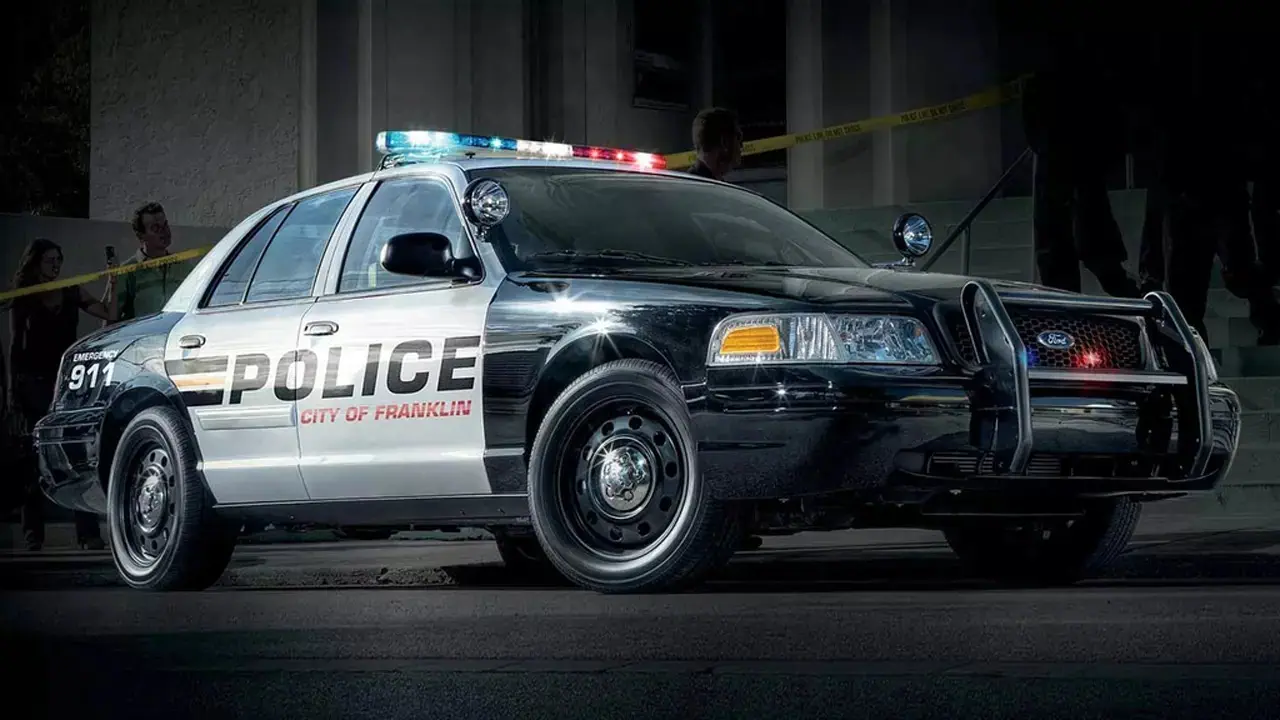
With proper maintenance, Modular engines could reach 435,000 or even nearly 500,000 miles. But that depended heavily on clean oil and close attention to the engine’s notoriously long timing chains. Dirty oil could accelerate wear, allowing the chains to loosen and eventually damage the plastic chain guides.
The golden era of this American workhorse ended in 2011, when the final Crown Victoria rolled off the assembly line.
The 4.6-liter V8 produced a relatively modest 220–250 horsepower, consumed plenty of fuel and produced far more emissions than modern engines. Updating the aging architecture to meet newer U.S. requirements would have been increasingly difficult and expensive.
Ford eventually moved on to the 5.0-liter Coyote V8 family, with variable camshaft timing and a much more modern design.
Toyota 2JZ-GTE
During Japan’s late-1980s and early-1990s economic boom, Japanese automakers poured enormous sums into performance cars. In 1991, Toyota introduced what would become one of the most famous engines in automotive history: the 3.0-liter 2JZ-GTE inline-six, the heart of the fourth-generation Toyota Supra.
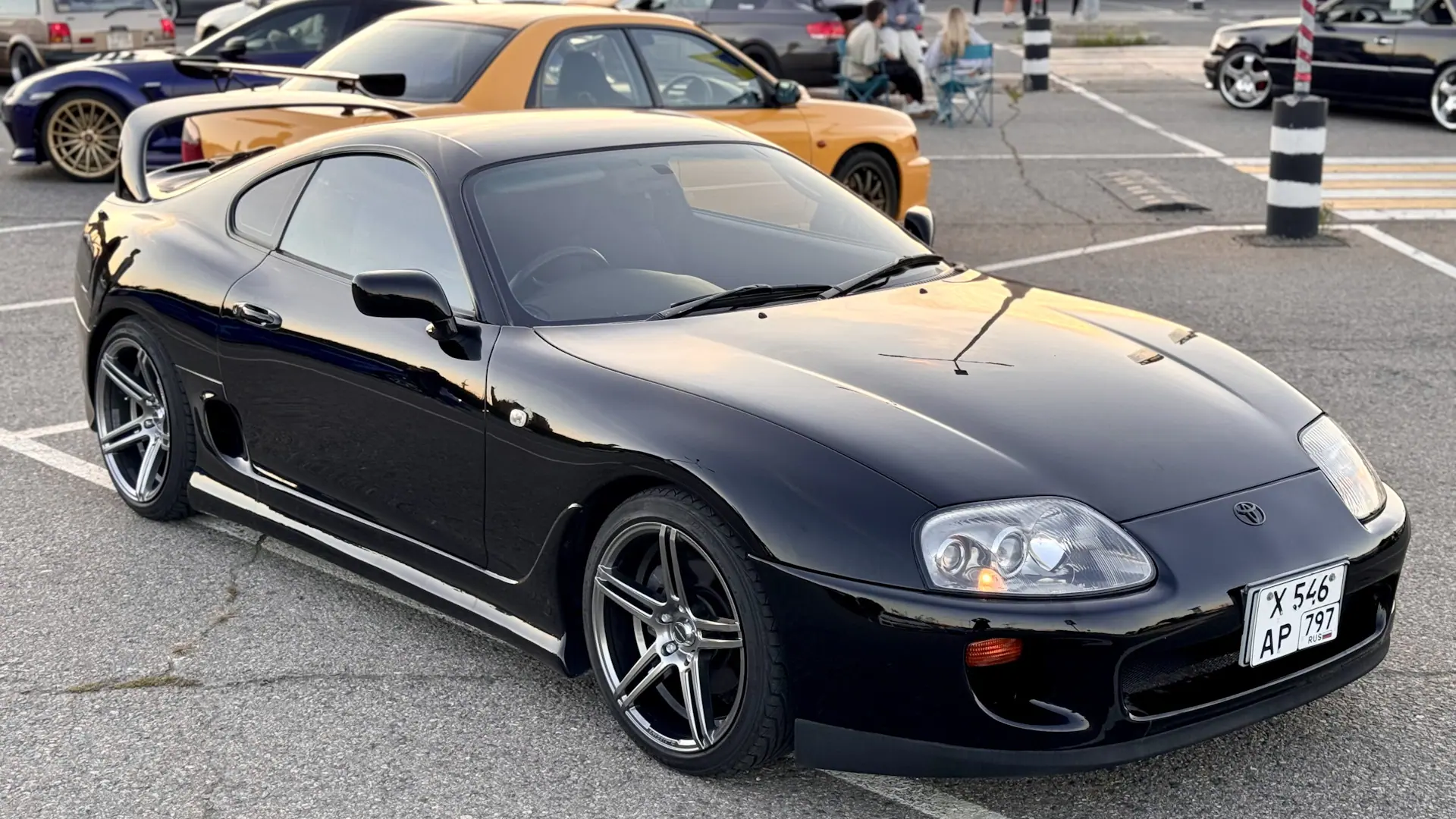
Toyota wanted to compete seriously in circuit racing and Japan’s Grand Touring championship, with the engine developed in the shadow of Nissan’s RB26DETT.
At the time, a voluntary agreement among Japanese automakers effectively limited advertised output of domestic performance cars to 280 horsepower. Toyota deliberately kept the production engine relatively conservative, using modest turbochargers, small injectors and restrained camshaft profiles.
The hardware, however, was engineered with far greater abuse in mind.
Instead of using lightweight aluminum, Toyota gave the 2JZ a heavy gray-iron block with a closed-deck design. Only relatively small openings were left around the cylinders for coolant flow. That kept the cylinder walls exceptionally stable under high boost pressure. The crankshaft and connecting rods were forged as well.
When tuners around the world began installing enormous turbocharger systems in the late 1990s, they discovered something remarkable: the stock bottom end could reliably handle roughly 650 horsepower without the kind of extensive machining and reinforcement normally expected at that power level.
That kind of built-in hardware margin was extraordinary for a production car—and expensive to engineer into every engine.
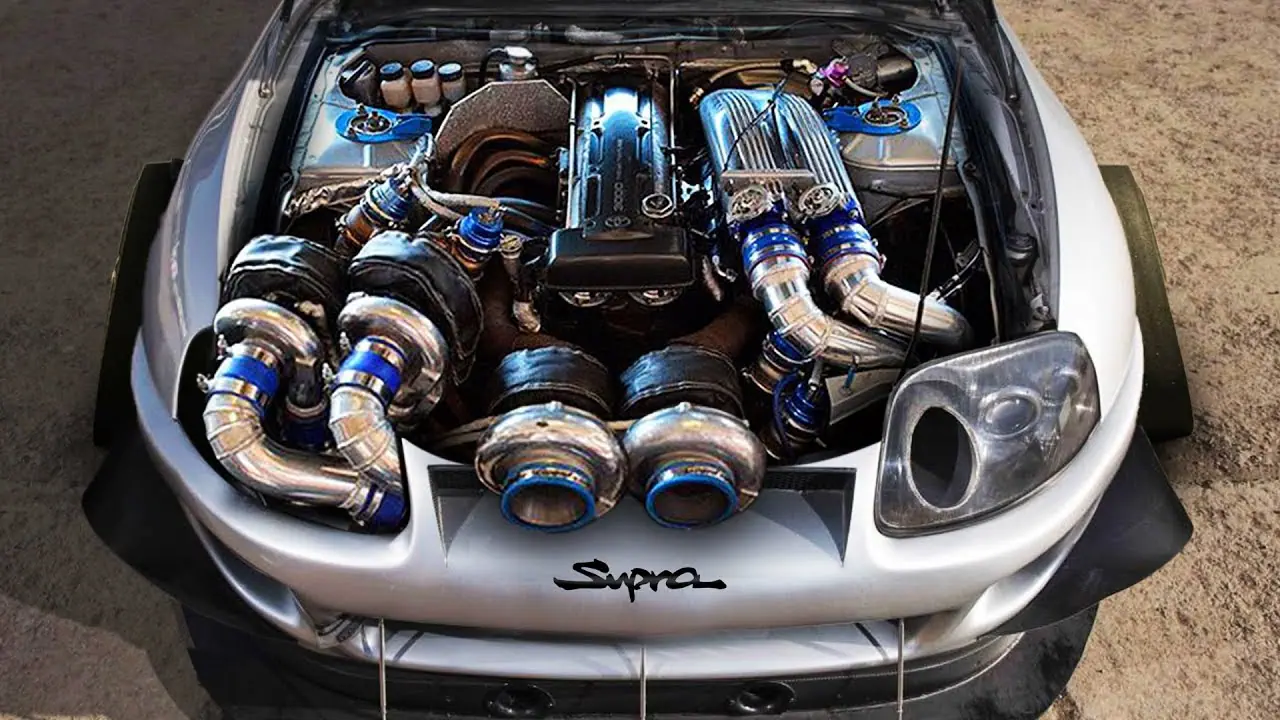
Stories about 2JZ engines making thousands of horsepower on completely stock components are largely exaggerated. But in factory form, the engine could comfortably run for 370,000 to 435,000 miles before requiring major internal work when properly maintained.
The golden era ended in 2002, when Toyota discontinued the Supra.
The old cast-iron engine lacked some of the variable valve timing and sophisticated combustion-control technology needed to keep emissions down as regulations became more demanding. Updating the architecture would have made little economic sense.
Toyota eventually moved toward its lighter, cleaner and less expensive aluminum V6 engines, including the GR family—but without the same enormous racing-inspired durability margin.
Volvo Redblock
During the 1960s and 1970s, Volvo built cars around a philosophy of maximum durability and the ability to survive brutal Scandinavian winters.
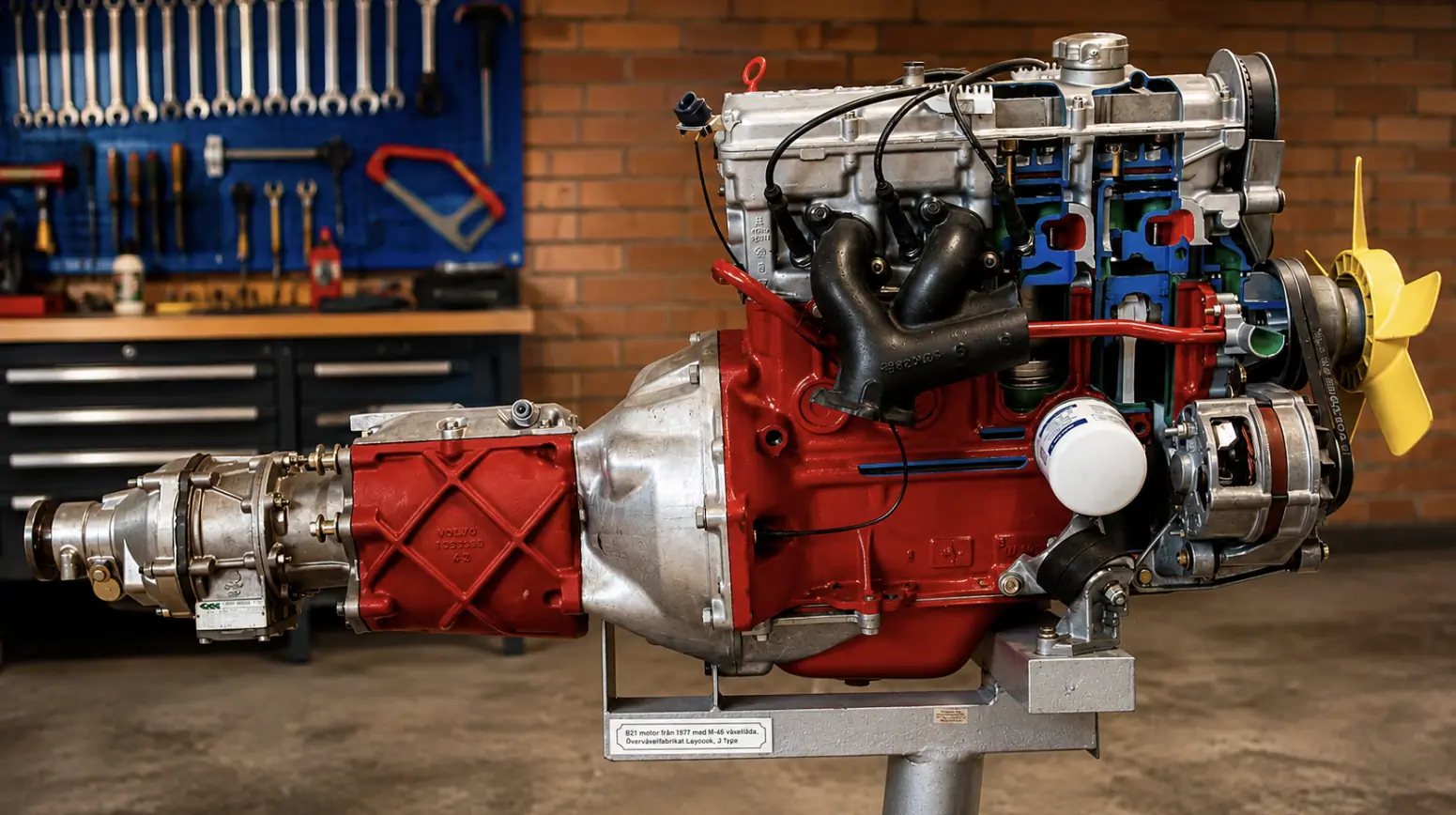
That philosophy produced the family of four-cylinder gasoline engines known as the Redblock, a nickname inspired by the bright-red paint Volvo used on their cast-iron blocks.
A massive block, thick forged connecting rods, a robust crankshaft and relatively little ancillary hardware allowed these engines to outlive more than one vehicle body.
The Redblock also powered the passenger car associated with the highest verified mileage record ever recorded by Guinness World Records.
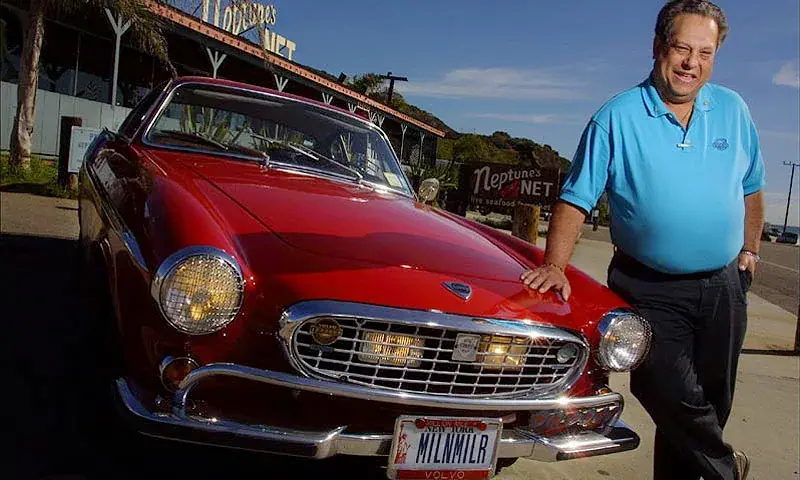
In 1966, American science teacher Irv Gordon bought a brand-new Volvo P1800 with an early 1.8-liter B18 engine.
Gordon loved to travel, and over 52 years of ownership he accumulated roughly 2.98 million miles—the equivalent of about 120 trips around the world.
The engine survived two major rebuilds. The first came at approximately 684,000 miles, and the second roughly 932,000 miles later.
The real secret was Gordon’s meticulous maintenance. He changed the oil every 3,100 miles and refused to let outside mechanics adjust the car’s twin carburetors.
The original cast-iron block ultimately outlived Gordon, who died in 2018.
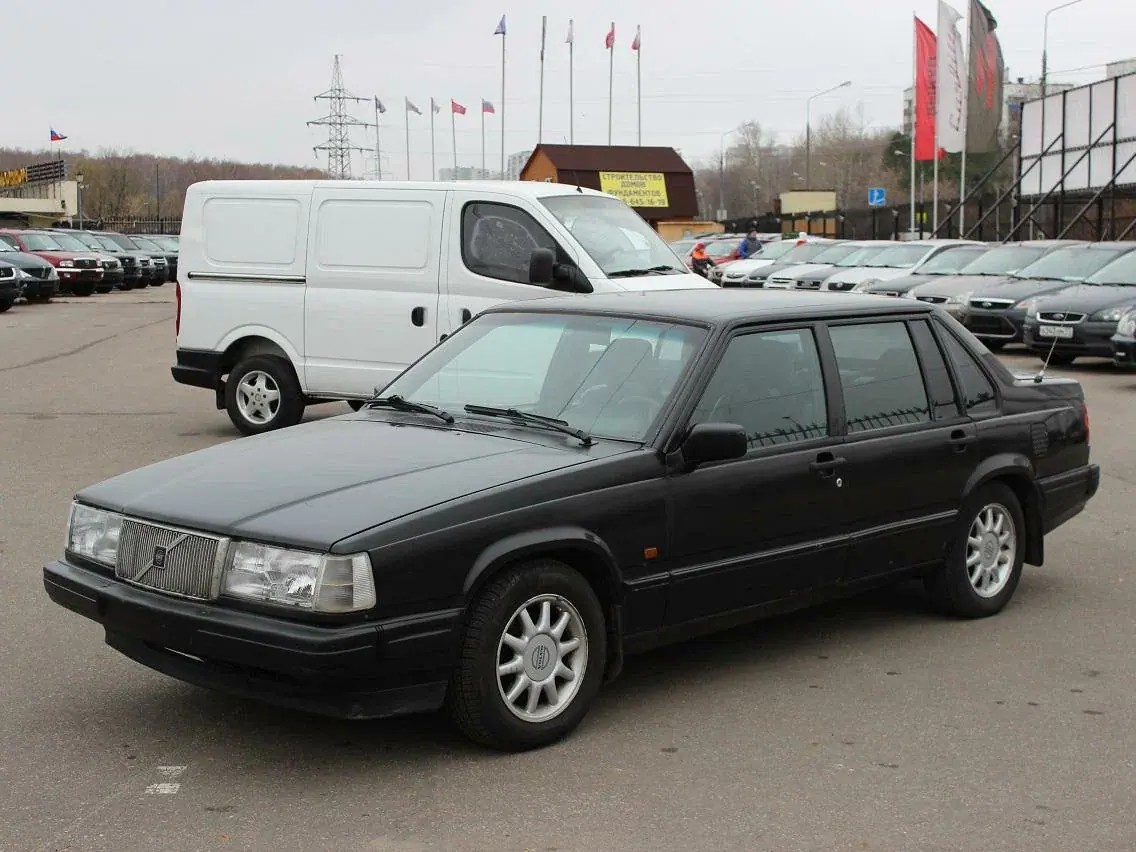
The Redblock era finally ended in 1998 with the discontinuation of the iconic Volvo 940.
Its eight-valve architecture was becoming increasingly difficult to reconcile with modern emissions requirements. The tall, heavy longitudinally mounted cast-iron engine also consumed considerable space under the hood and presented crash-safety challenges compared with newer transverse engine layouts.
Volvo transitioned to lighter aluminum five- and six-cylinder engines mounted transversely.
Why We Probably Won’t See Mileage Records Like These Again
The histories of these engines point to a common conclusion: they were largely phased out because automotive technology and emissions requirements changed—not simply because automakers suddenly decided they wanted engines to fail sooner.
To meet modern emissions and fuel-economy targets, engineers had to fundamentally change how engines burn fuel.
The first major casualty was the heavy cast-iron engine block.
A cubic meter of aluminum weighs roughly 5,950 pounds, while the same volume of cast iron weighs around 15,400 pounds. Aluminum also reaches operating temperature much faster, which helps modern engines reduce emissions during cold starts.
That is why modern powertrains increasingly rely on lightweight aluminum alloys and advanced cylinder-wall coatings instead of massive cast-iron blocks.
The second factor is complexity.
To extract more power and efficiency from smaller engines, manufacturers added high-pressure direct fuel injection, turbochargers, variable valve timing, sophisticated electronic controls and countless sensors and actuators.
Every additional component creates another potential failure point.
A modern engine can produce remarkable power and efficiency, but it also operates much closer to its design limits and depends on high-quality fuel, the correct oil and regular maintenance.
There is one more piece of the puzzle: consumers.
Most buyers aren't willing to pay a significant premium for a vehicle engineered to survive for 50 years and travel the equivalent of three trips around the globe. Most people won't keep the same car for anything close to that long.
For many consumers, a car has become something closer to a smartphone—only much larger, considerably more expensive and expected to be replaced long before its mechanical hardware reaches the end of its theoretical life.
You may also be interested in the news:

What Does the 99% Patch Mean to Bikers? The History Behind the Motorcycle Symbol
The 99% biker label separates everyday motorcycle enthusiasts from outlaw culture, carrying a message rooted in American motorcycle history.
Elegance for Everyone: How Chevrolet Made Its 1960 Cars Stand Out
Chevrolet toned down its extravagant 1959 styling for 1960, bringing a more refined look to its affordable full-size cars.
More Than a Car! More Than a Truck! The 1957 Ford Ranchero
The 1957 Ford Ranchero launched a new kind of American vehicle, blending passenger-car styling with pickup-truck utility years before the segment took off.
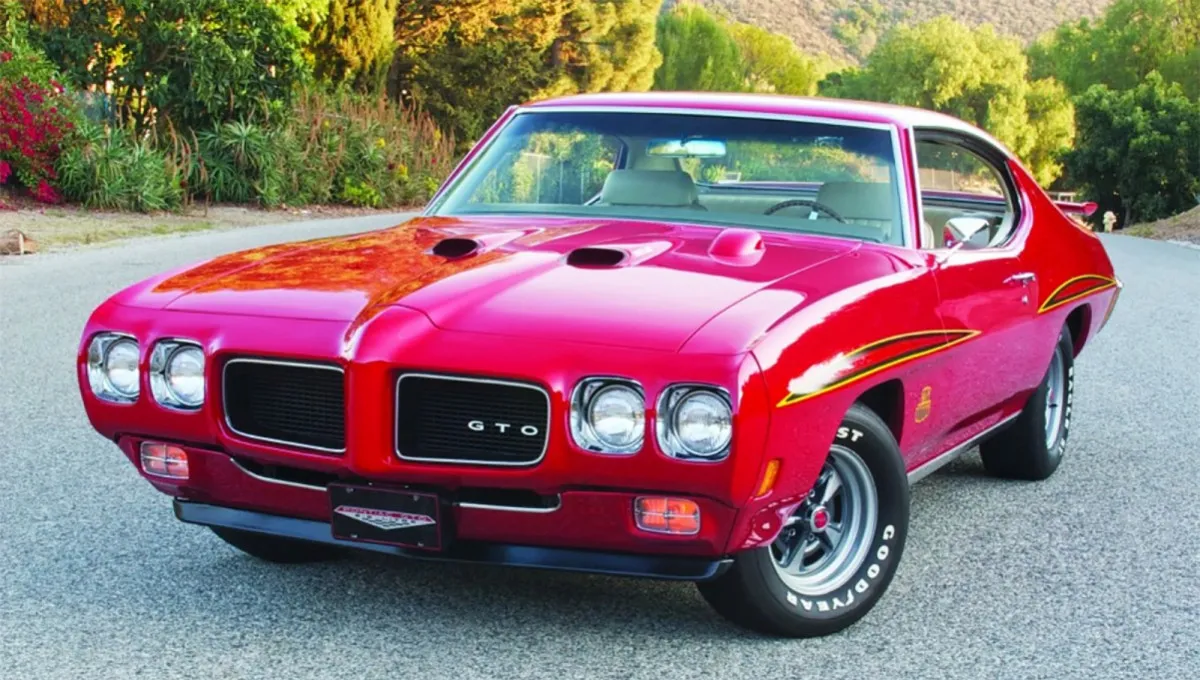
Pontiac's 1970 GTO Had a Wild Exhaust Option—Only 233 Cars Got It
Pontiac offered an unusual exhaust system for the 1970 GTO, but the factory option didn't last long.
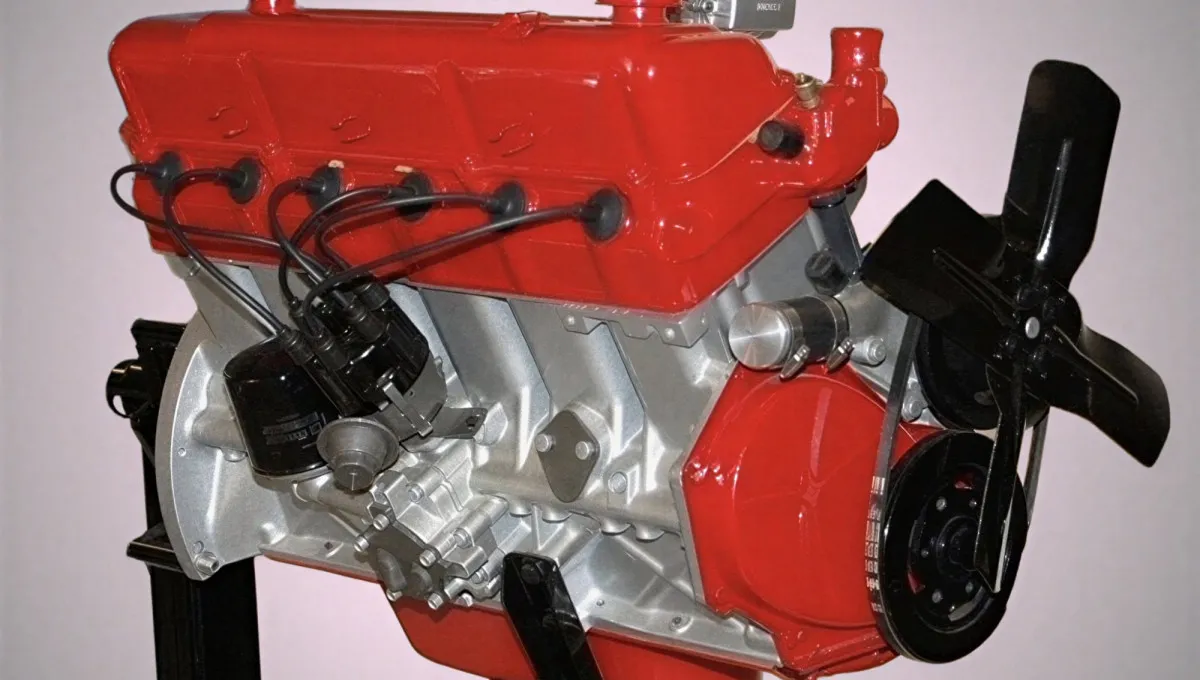
Chrysler's Aluminum Slant 6 Engine: The Lightweight Experiment of 1961–1963
Chrysler built more than 50,000 cars with an aluminum-block Slant 6 before production challenges brought the project to an end.