
Automakers Warn U.S. Drivers: Don’t Randomly Turn the Auto Hold System On and Off
Many drivers today don’t even realize how much of the routine work behind the wheel is handled by electronics.
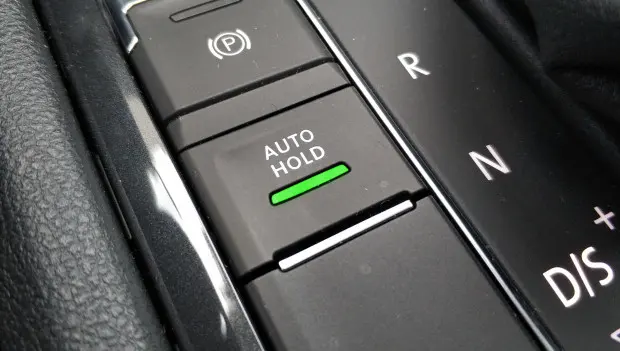
Many drivers today rarely think about how much of the work behind the wheel is now handled by electronic systems. One such feature is Auto Hold. It used to be something you’d only find in expensive vehicles, but today it’s becoming common even in more affordable models. Drivers tend to get used to it quickly—sometimes a little too quickly.
The idea behind the system is simple. When the car comes to a complete stop, it stays in place even after the driver takes their foot off the brake pedal. To start moving again, all you need to do is press the accelerator and the vehicle pulls away normally. In heavy traffic or at stoplights, the feature can take some of the strain off the driver.
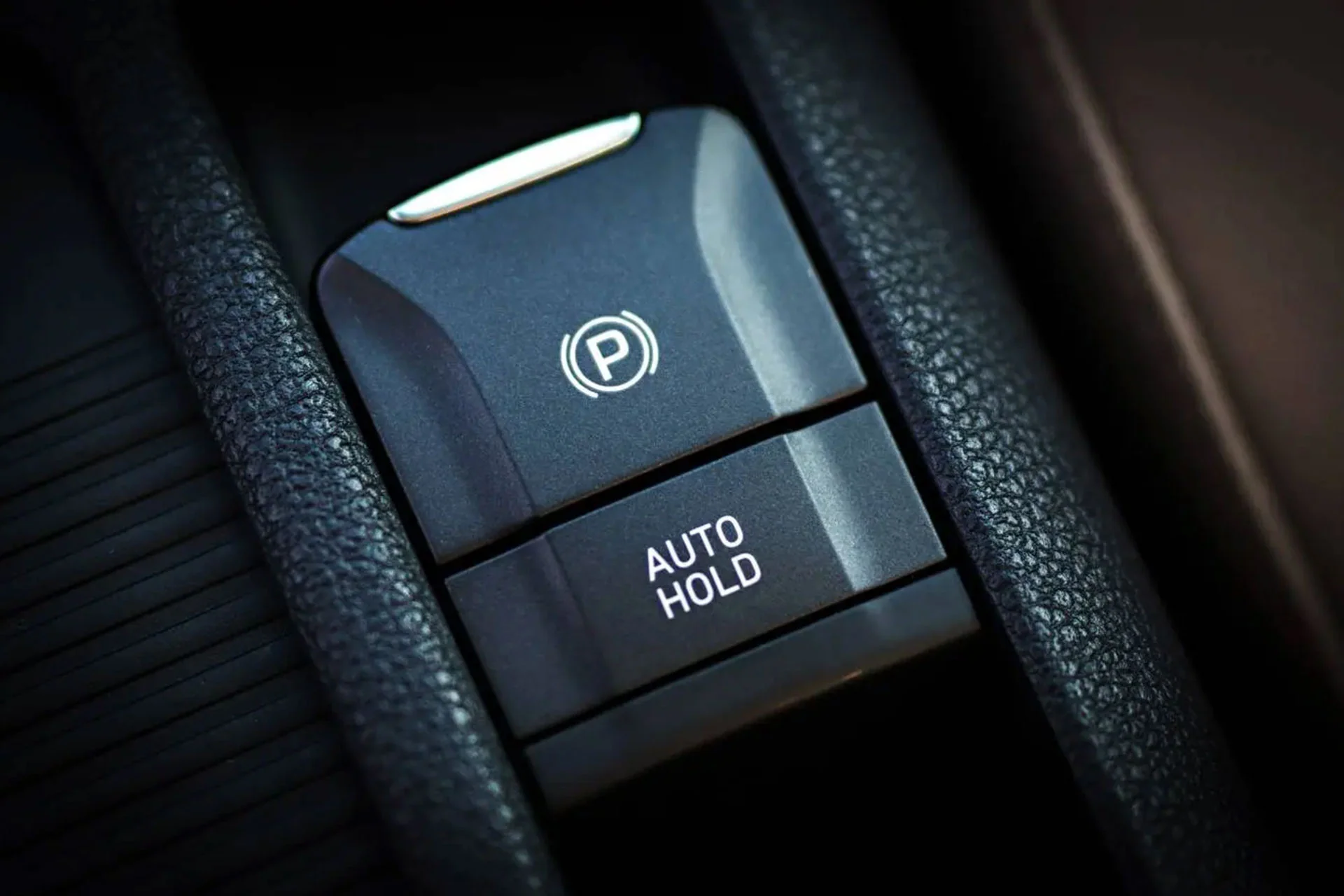
Under the hood, the system works in a slightly more interesting way. Auto Hold relies on the parking brake along with data from wheel sensors. As soon as the vehicle stops completely, the braking system switches into a holding mode. It functions somewhat like a traditional parking brake, but without a lever and without the driver needing to activate it manually each time. At the same time, the brake lights stay on so other drivers can see the car is stopped.
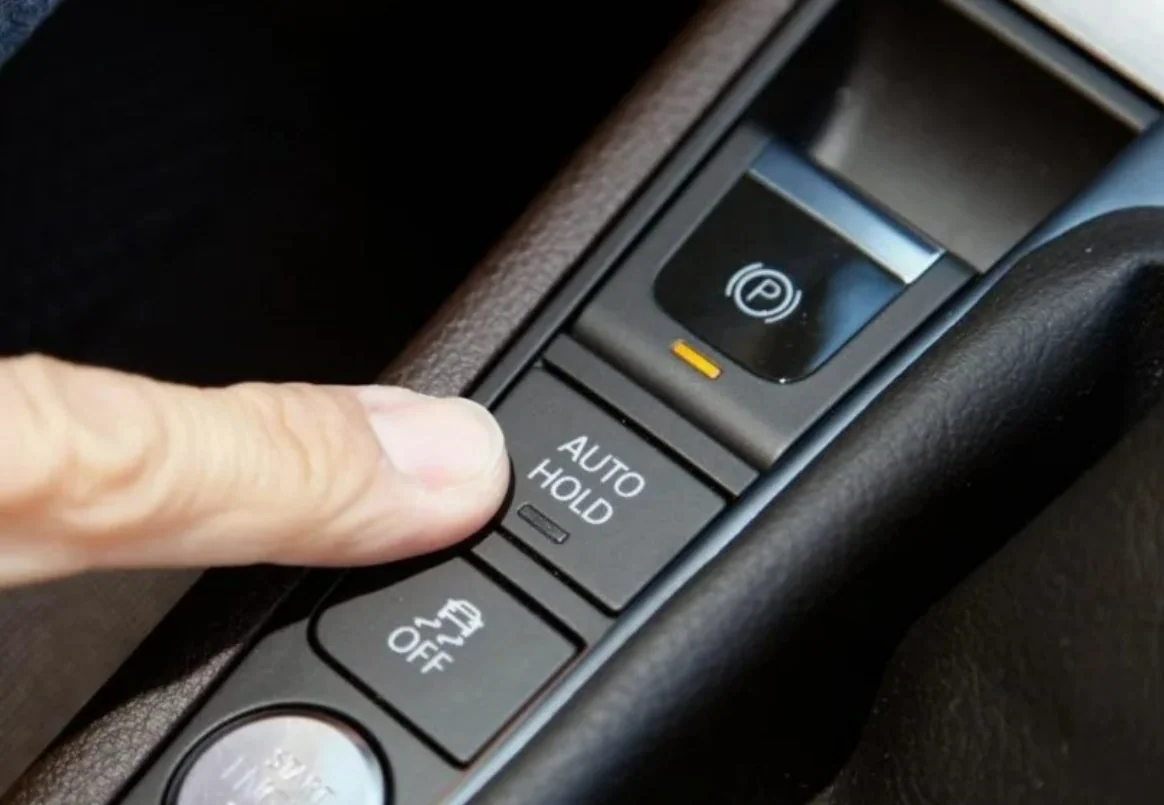
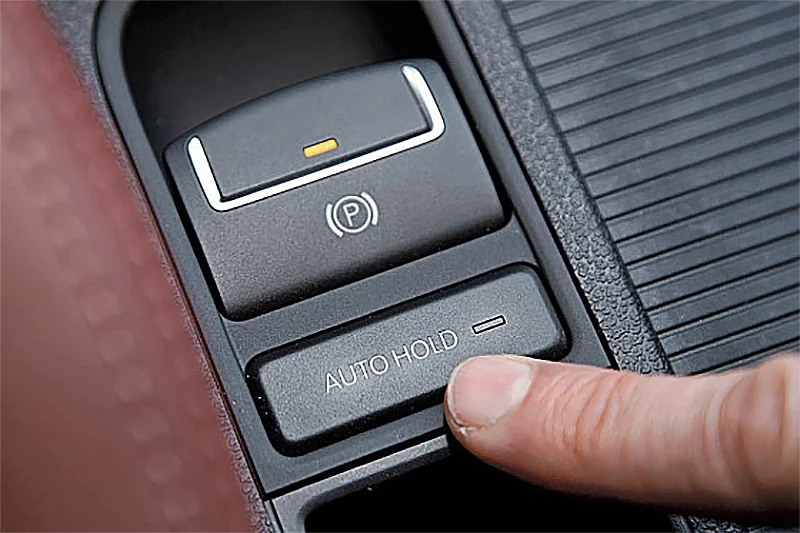
However, there’s one detail many people overlook: Auto Hold can be turned off using a separate button. And that button exists for a reason. During normal driving the feature can feel almost invisible, but there are situations where automatic brake holding can actually get in the way. Because of that, it’s better to think of Auto Hold not as a magic switch but as a tool that works best in specific conditions.
Some drivers worry that using Auto Hold will wear out brake pads faster. In reality, that concern is largely exaggerated. When you look at the numbers, the system’s contribution to brake wear is so small that in everyday driving it’s almost impossible to separate from normal wear. Turning it off just to save brake pads usually doesn’t make much sense.
What matters more is how the system behaves in certain driving situations. In tight spaces, for example, it can work against the driver. When maneuvering in a small driveway, a crowded parking lot, or while pulling into a garage, a car may stop briefly again and again. Each of those moments can cause Auto Hold to lock the brakes, interrupting smooth movement. In those cases it’s often easier to turn the feature off and control the vehicle manually—especially when backing up. For vehicles with automatic transmissions, this also allows the car to creep smoothly without jerky movements.
Another situation where the system may do more harm than good is when starting on a slippery uphill road. For the tires to transfer power properly, they need consistent contact with the road surface. Sudden electronic interventions can sometimes reduce traction. Without Auto Hold engaged, starting on a slick incline can be smoother: release the brake, gently apply the accelerator, and the car moves forward without sudden jolts.
Finally, there’s towing. If a vehicle is being pulled with the engine running, the Auto Hold system should be switched off. Otherwise, when the vehicle comes to a stop, the system could unexpectedly clamp the rear brakes. That can place excessive stress on the tow strap and increase the risk of damage.
You may also be interested in the news:
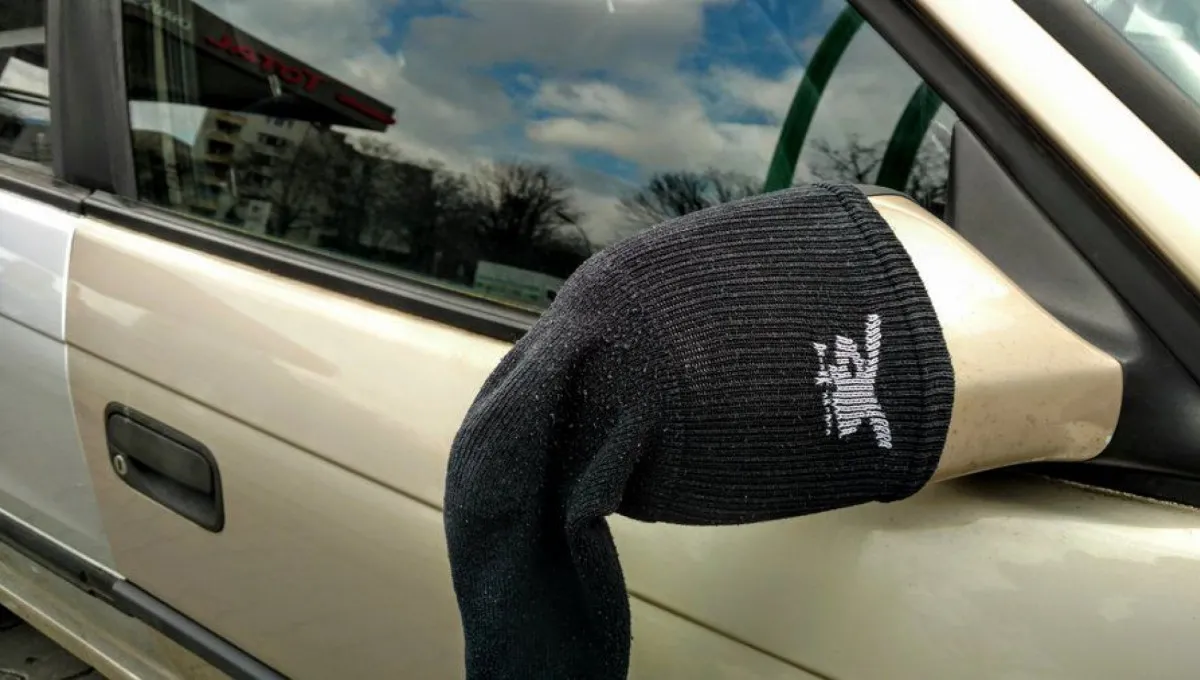
Why Experienced Drivers Put Socks on Their Car Mirrors in Fall: The Clever Trick Explained
An old pair of socks can help reduce frost buildup on your side mirrors overnight, saving time on cold mornings when every minute counts.
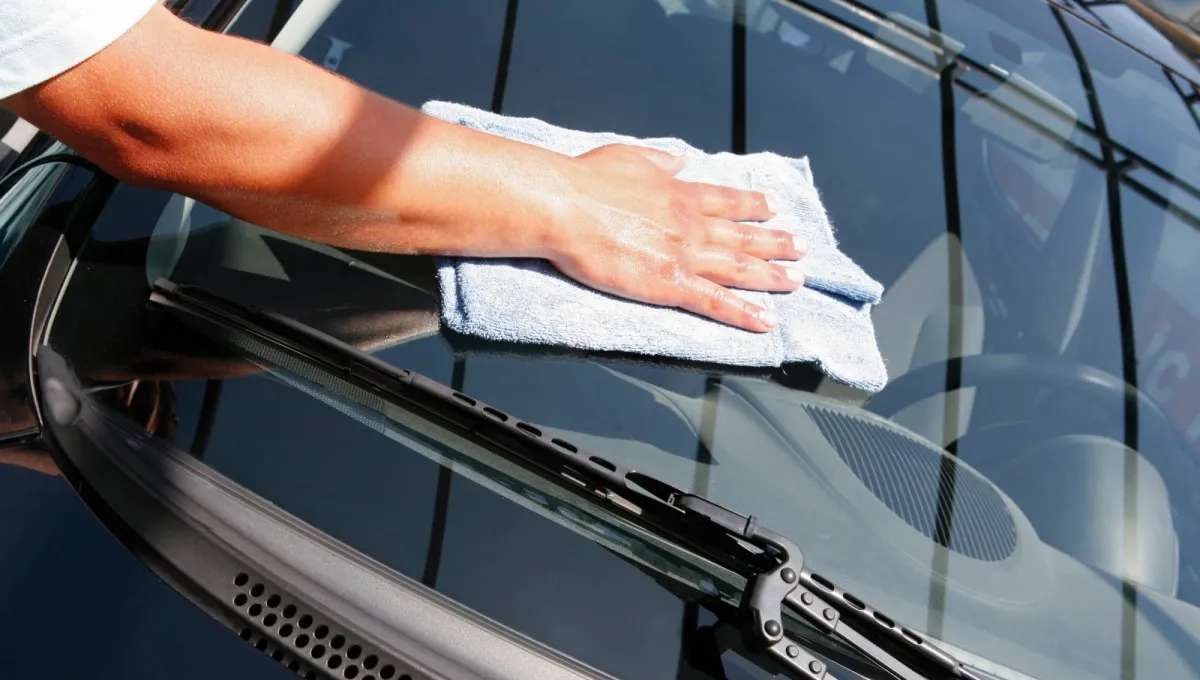
How to Clean Your Windshield Without Streaks: Experts Recommend This Simple DIY Mix
The secret to a streak-free windshield comes down to the right cleaning solution, two microfiber cloths, and the proper drying technique.

Why Some Drivers Keep Bay Leaves in Their Cars — It’s Not Just About Superstition
Can a common kitchen spice help repel bugs, freshen your car’s interior, or even help you relax behind the wheel?
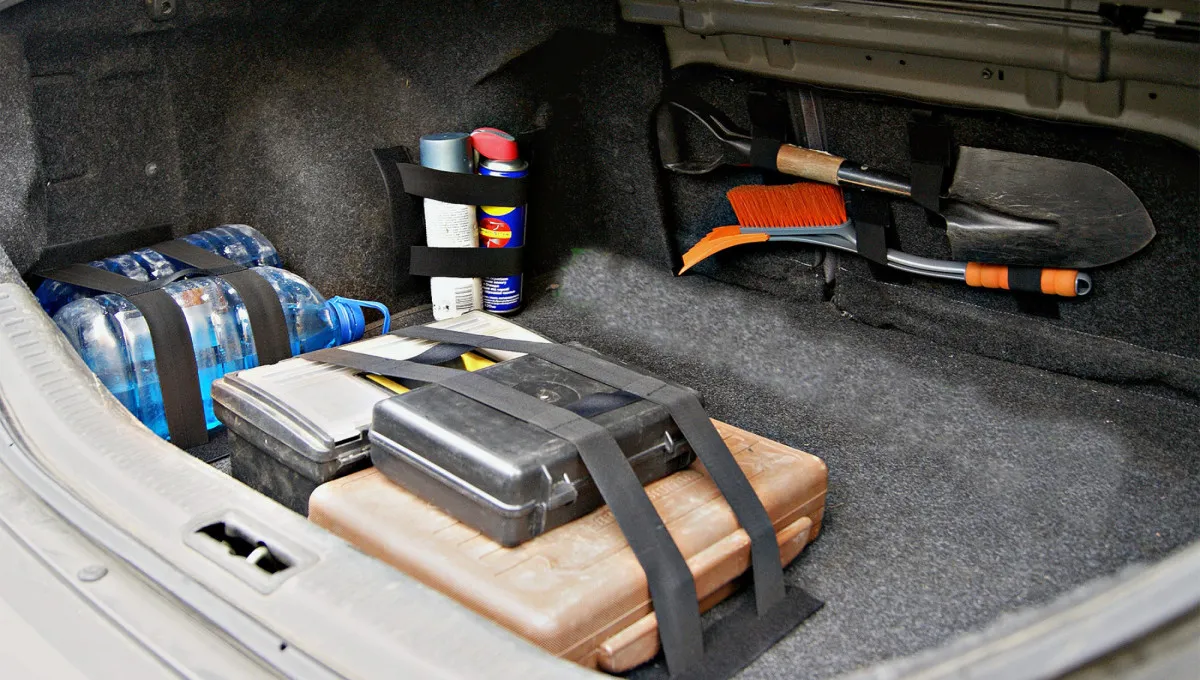
Cold Weather Can Leave You Stranded — 5 Things Every Driver Should Have in Their Car
The first hard freeze can catch drivers off guard. Here's what to keep in your vehicle and how to prepare your battery, tires, and fluids for colder weather.
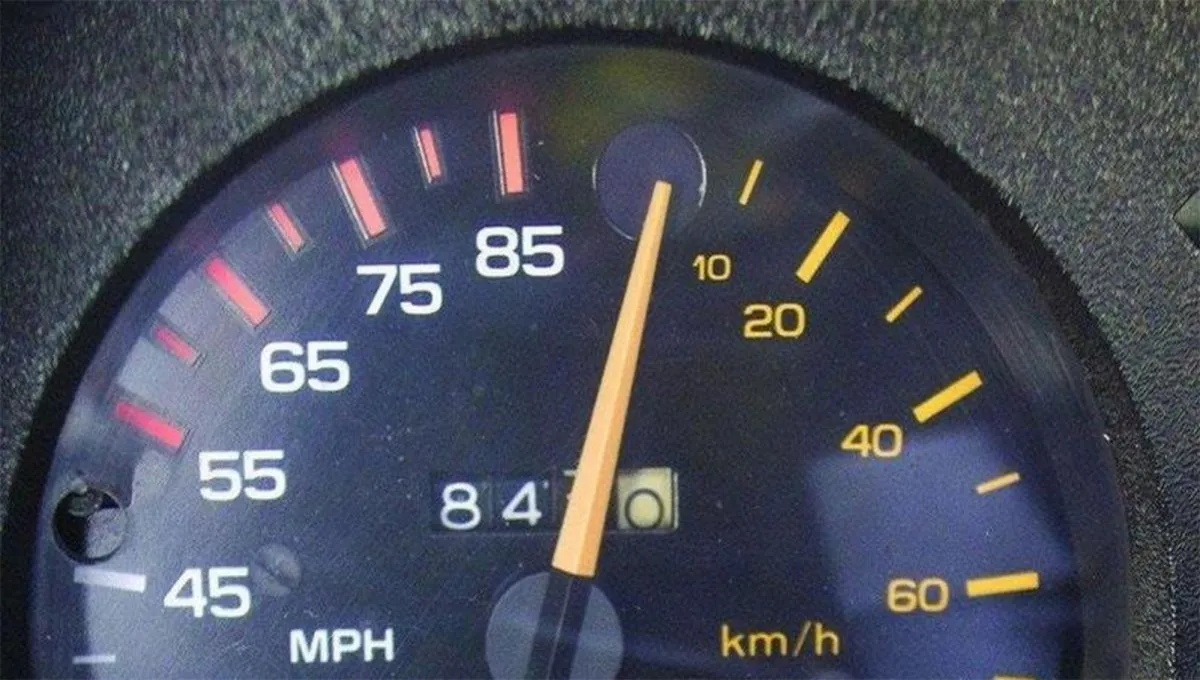
Your Speedometer Says 65 MPH, but Your GPS Says 62 — Here’s Why Your Car Does That
Your speedometer reads 65 mph, but your GPS says 62 mph. Here’s why the numbers rarely match.