
The Engine That Changed America
Higher efficiency at high RPMs, compact dimensions, and relatively low overall engine weight
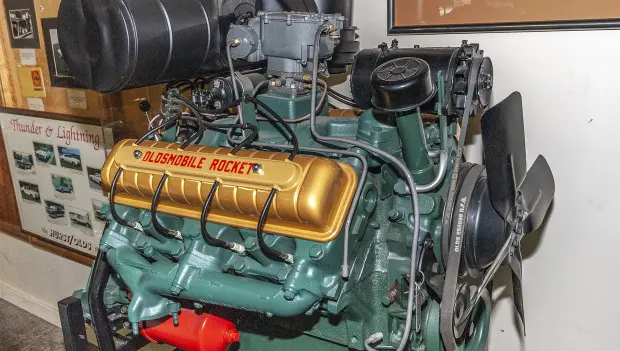
The term “muscle car”—used to describe powerful, rear-wheel-drive American cars with V8 engines—didn’t appear until the 1970s. But long before that, U.S. automakers were already building fast, affordable performance machines. A prime example arrived in 1949 with the Oldsmobile 88.
What made it special was the brand-new Rocket V8 engine, which transformed an otherwise ordinary family sedan into a legitimate performance contender—earning it the nickname “King of NASCAR.”
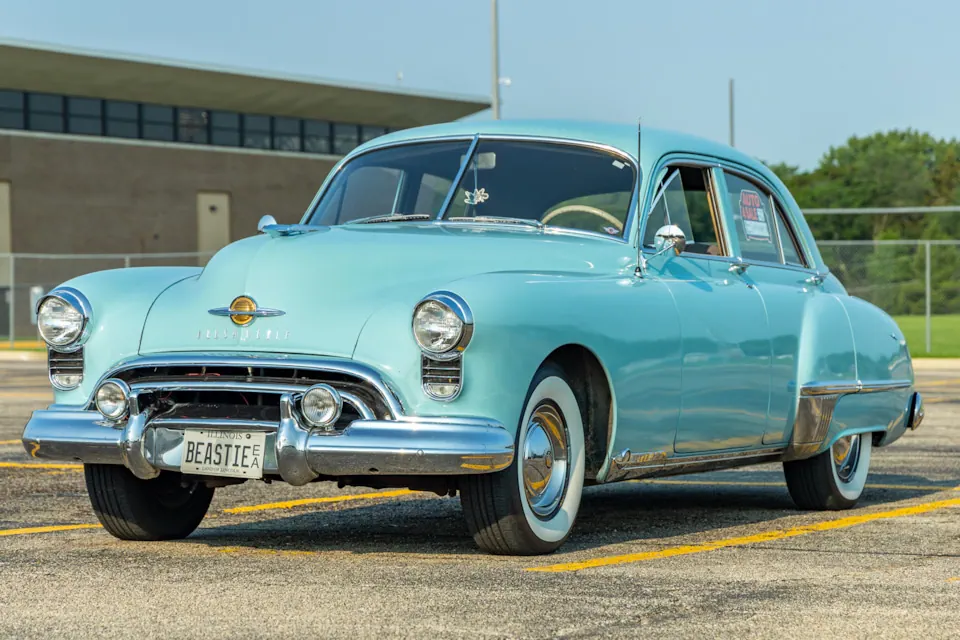
Within General Motors, Oldsmobile wasn’t the top-tier brand, but it had a strong reputation for innovation, reliability, and comfort. That same year, the company introduced the larger Oldsmobile 98, featuring a groundbreaking V8 engine with overhead valves (OHV).
The concept came from Charles Kettering, a brilliant engineer whose work extended far beyond the auto industry. Even before World War II, his research showed that overhead valve designs improved airflow into the cylinders, reduced mechanical losses, lowered noise, and increased durability.
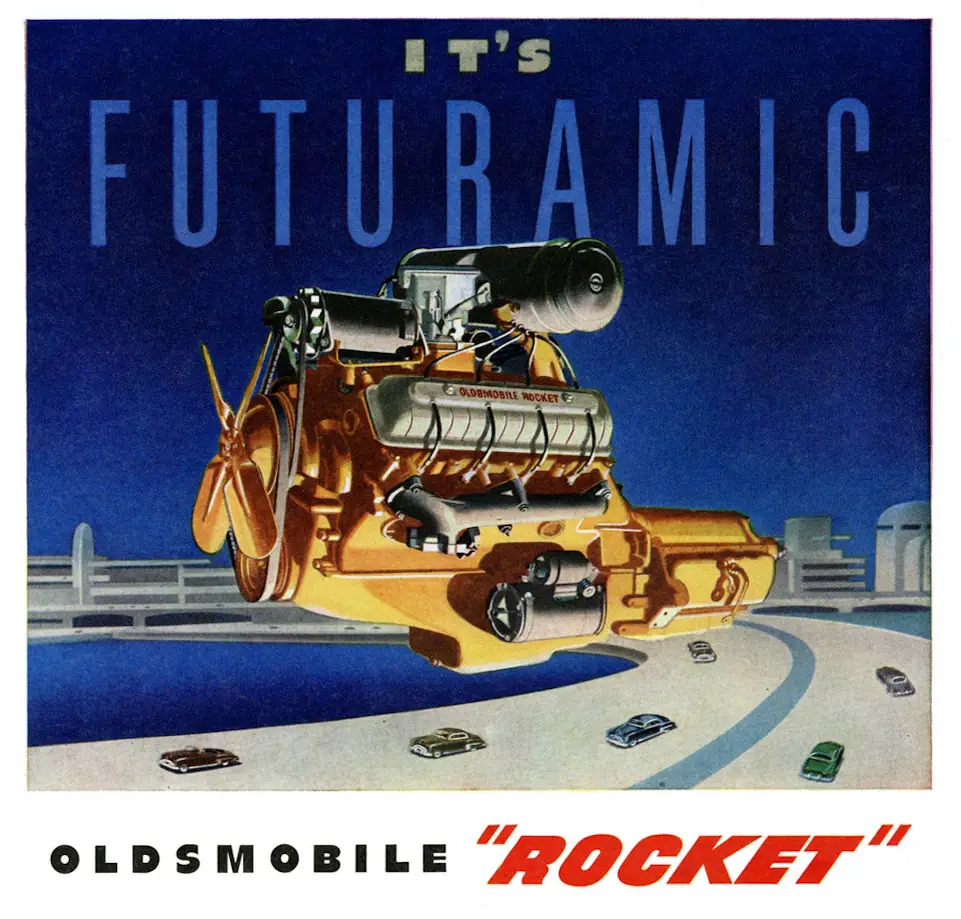
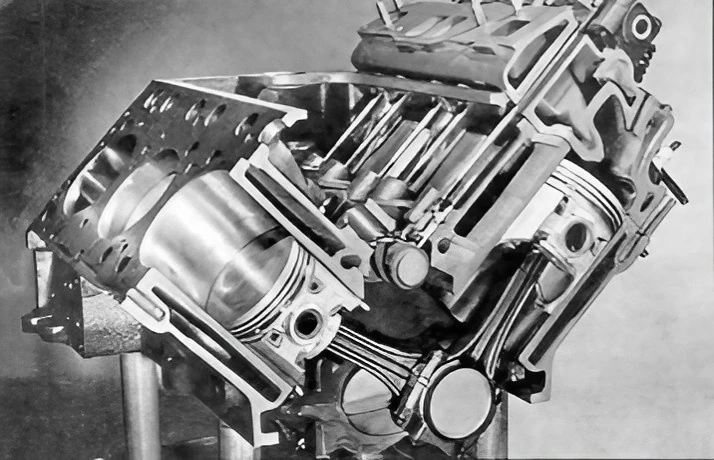
But the Rocket V8 stood out for more than just its valvetrain. It used a short-stroke design—meaning the piston stroke was shorter than the cylinder bore. This reduced internal friction, improved efficiency at higher RPMs, and allowed for a more compact, lightweight engine.
Other advanced features included a forged five-main-bearing crankshaft, lightweight aluminum pistons, a dual-plane intake manifold, and a high-performance two-barrel Carter carburetor.
With a displacement of 303 cubic inches (5.0 liters), the engine produced 135 horsepower while delivering roughly 15–20% better fuel efficiency than earlier V8s. By today’s standards, that may not sound impressive, but at the time, a 4,400-pound sedan accelerating from 0 to 62 mph in about 17 seconds and reaching a top speed of 90 mph was more than respectable.
Oldsmobile engineers didn’t stop there. In that same year, they installed the Rocket V8 into the smaller, lighter 88 model. The result was, unexpectedly, the fastest production car in America at the time. It could sprint to 62 mph in under 13 seconds and reach a top speed of about 97 mph.
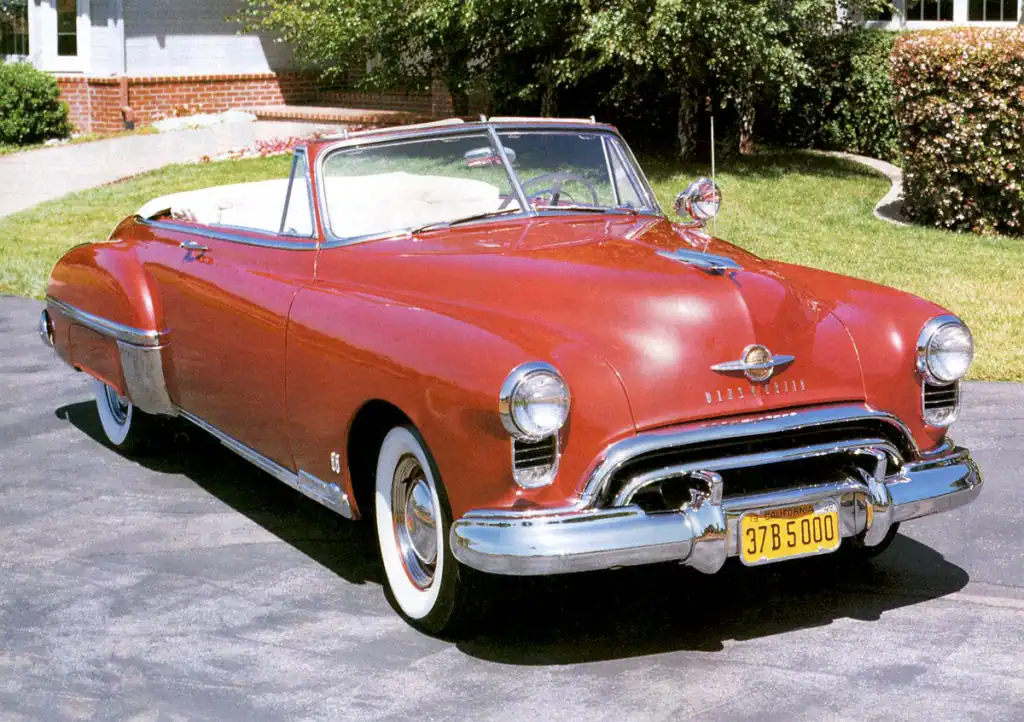
The car quickly found its way into NASCAR competition. In its first partial season, the racing Oldsmobile won 6 out of 9 events, followed by 10 wins in 19 races the next year. It didn’t take long for it to earn the “King of NASCAR” title and nationwide fame.
Its cultural impact went even further. In 1951, musician Jackie Brenston recorded the song Rocket 88, widely considered one of the first rock ’n’ roll tracks.
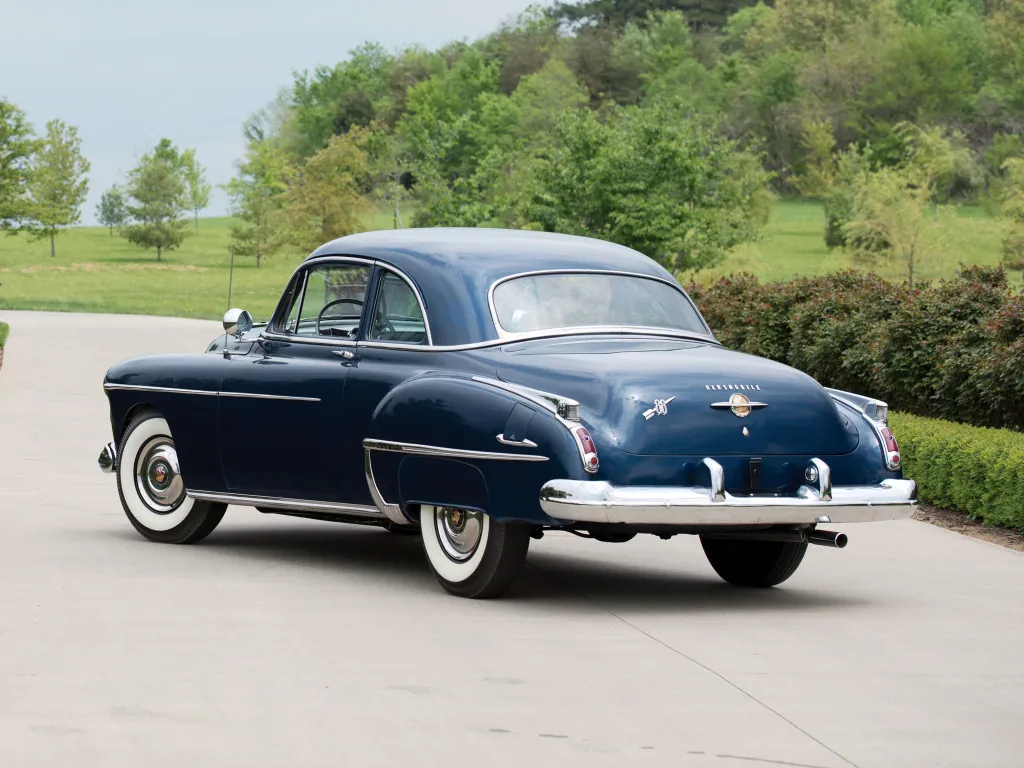
Thanks to the Oldsmobile 88, American automakers discovered a winning formula: a relatively compact body, a powerful V8 engine, and rear-wheel drive. That combination would define performance cars for decades.
Even more importantly, the Rocket V8’s engineering became a de facto standard in American engine design—one whose influence, in evolved form, can still be seen today.
You may also be interested in the news:
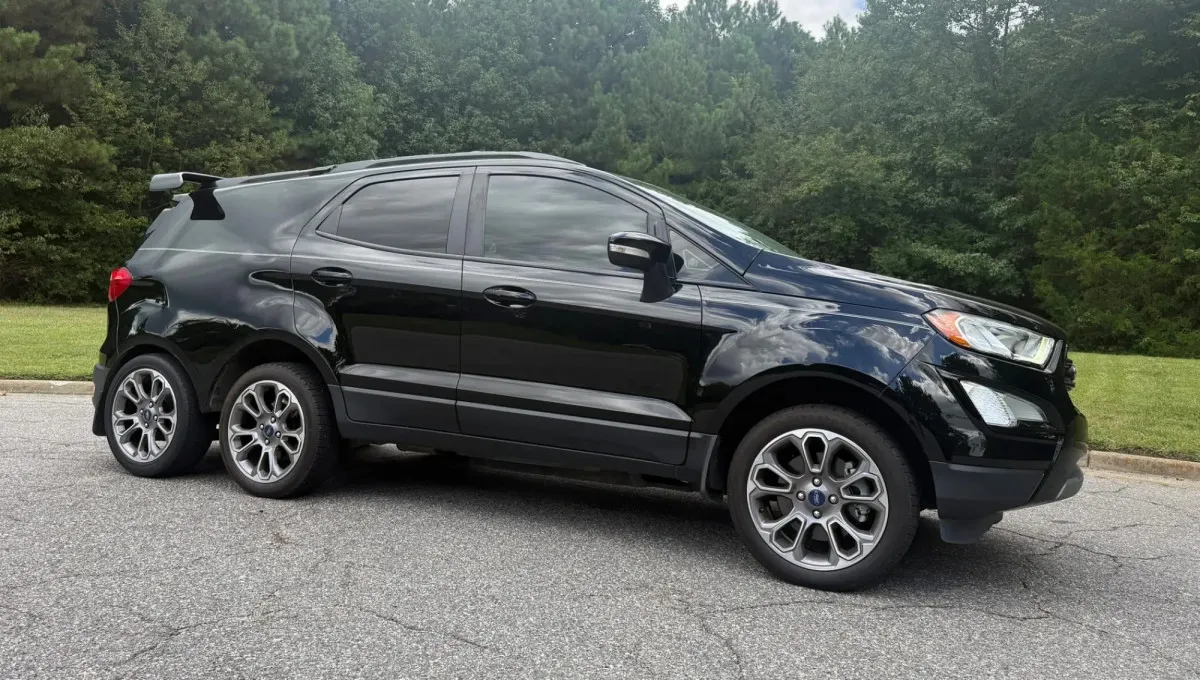
Someone Turned a Ford EcoSport Into a Six-Wheeled SUV — And It's Selling for Just $7,000
An extremely unusual six-wheeled conversion of Ford’s compact crossover has landed on the Bring a Trailer auction block.
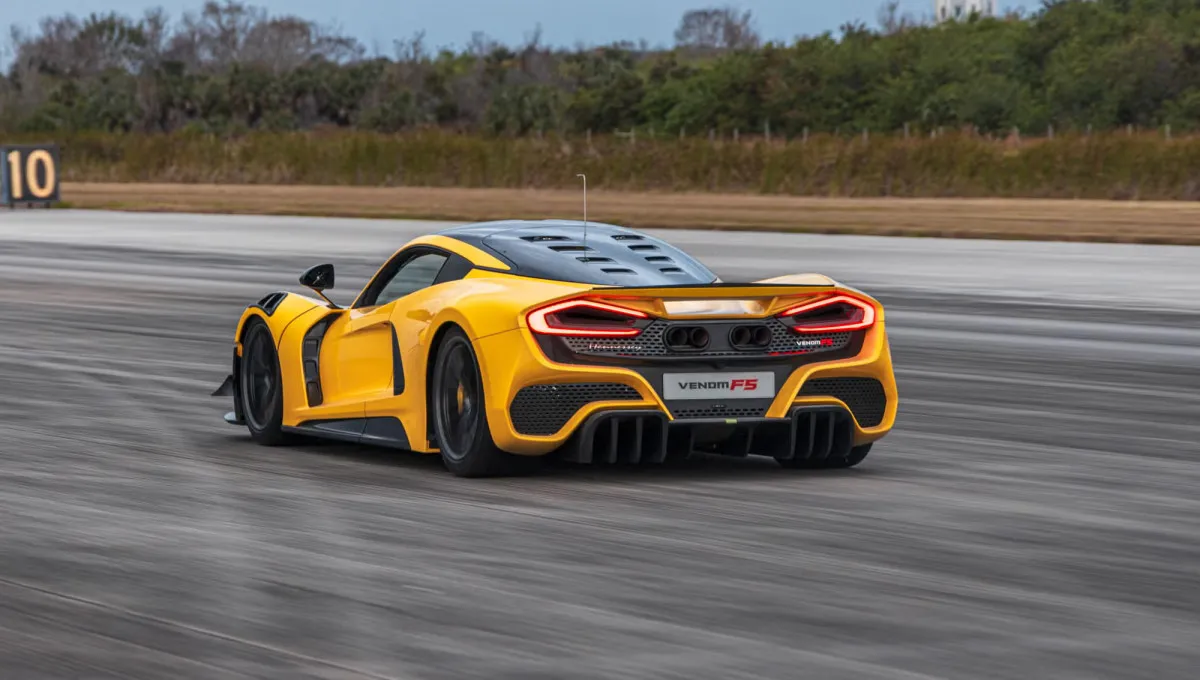
Experts Name the Two Most Powerful Production Sports Cars in the U.S.
American sports cars continue to impress with their horsepower, speed and innovative engineering, with two models standing above the rest.
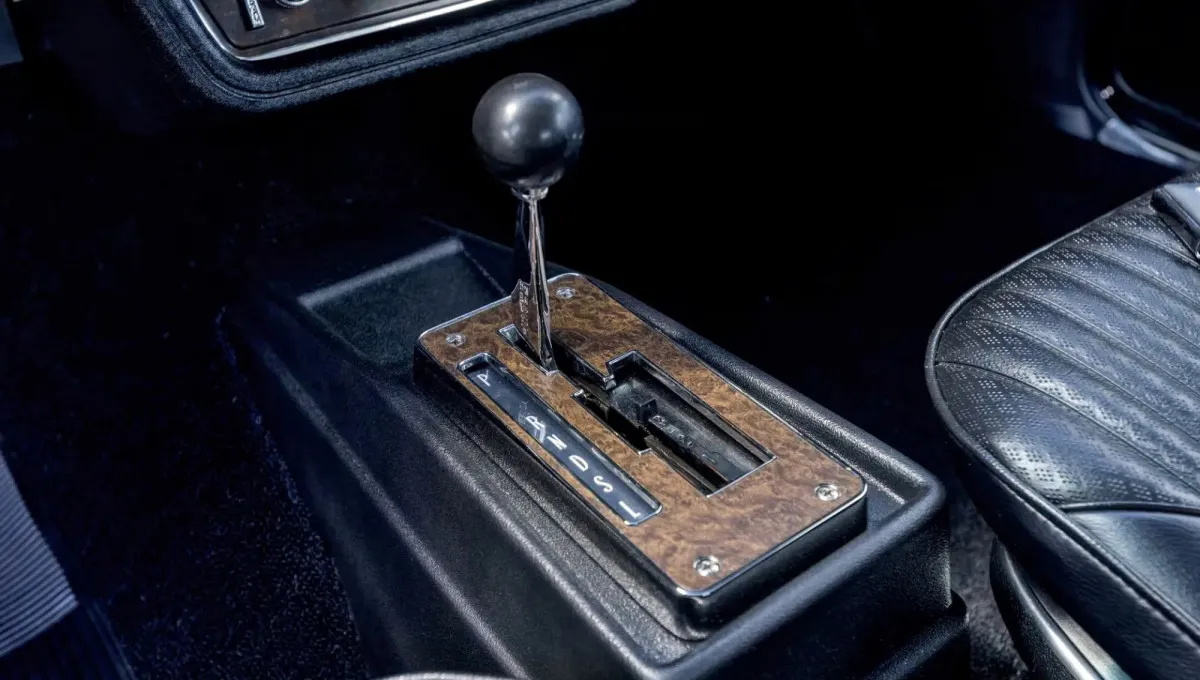
How Oldsmobile Invented a Manual Gearbox for an Automatic
Long before paddle shifters and electronic driving modes, Oldsmobile found a clever mechanical way to let drivers shift an automatic transmission themselves.
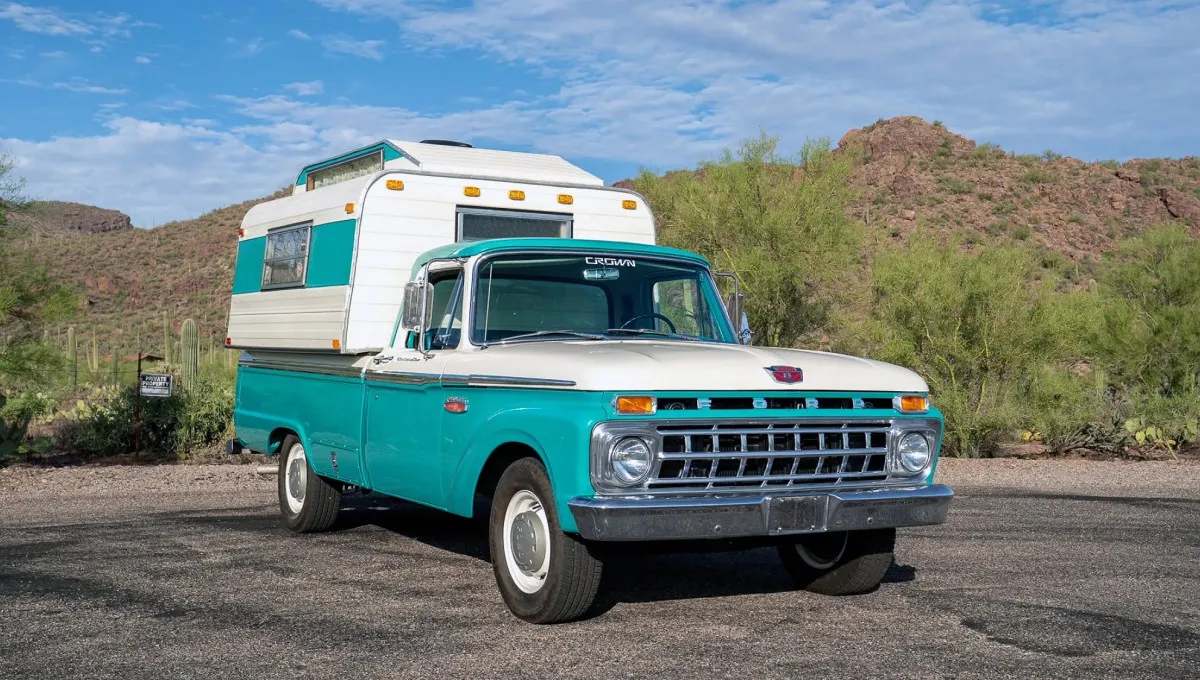
This 1965 Ford F-250 With a Mitchell & Sons Camper Is a Charming Retro Travel Companion
The 1965 Ford F-250 and Mitchell & Sons camper share colors, period styling, and compatibility.
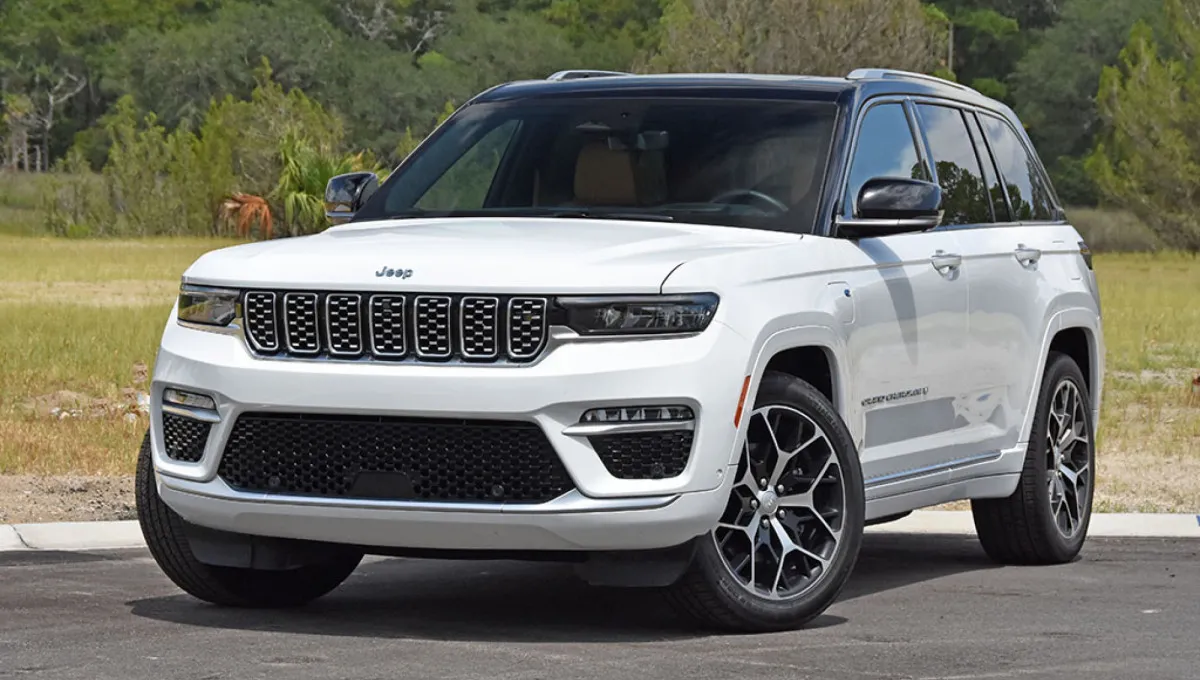
328,000 Jeep Grand Cherokees Recalled Over a Hidden Crash Risk — Owners Should Act Now
Chrysler is recalling more than 328,000 Jeep Grand Cherokees over a rear coil spring problem that could increase the risk of a crash.