
Dynamic Charging for Electric Cars: Highways of the Future Are Already Being Built in the U.S.
Experimental highways in the U.S. and Europe can recharge electric vehicles wirelessly while driving.
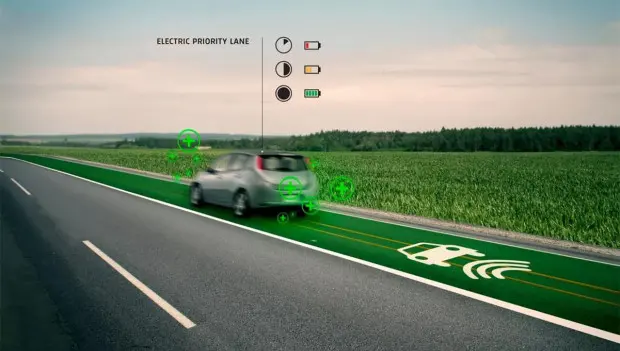
Roads in the United States and Europe are beginning to host trials of dynamic wireless charging systems for electric vehicles. The technology could reshape long-distance travel by allowing EV batteries to recharge while the car is moving.
Dynamic charging is more than just another experimental gadget. It represents a potential shift in how electric vehicles are designed and used. By supplying power directly from the road, the system could reduce charging stops and even allow automakers to install smaller, lighter battery packs, lowering both vehicle cost and weight.
The technology works using inductive power transfer. Special coils are embedded beneath the road surface, generating an electromagnetic field. Vehicles equipped with a receiver coil underneath the chassis capture that field and convert it into electricity to recharge the battery.
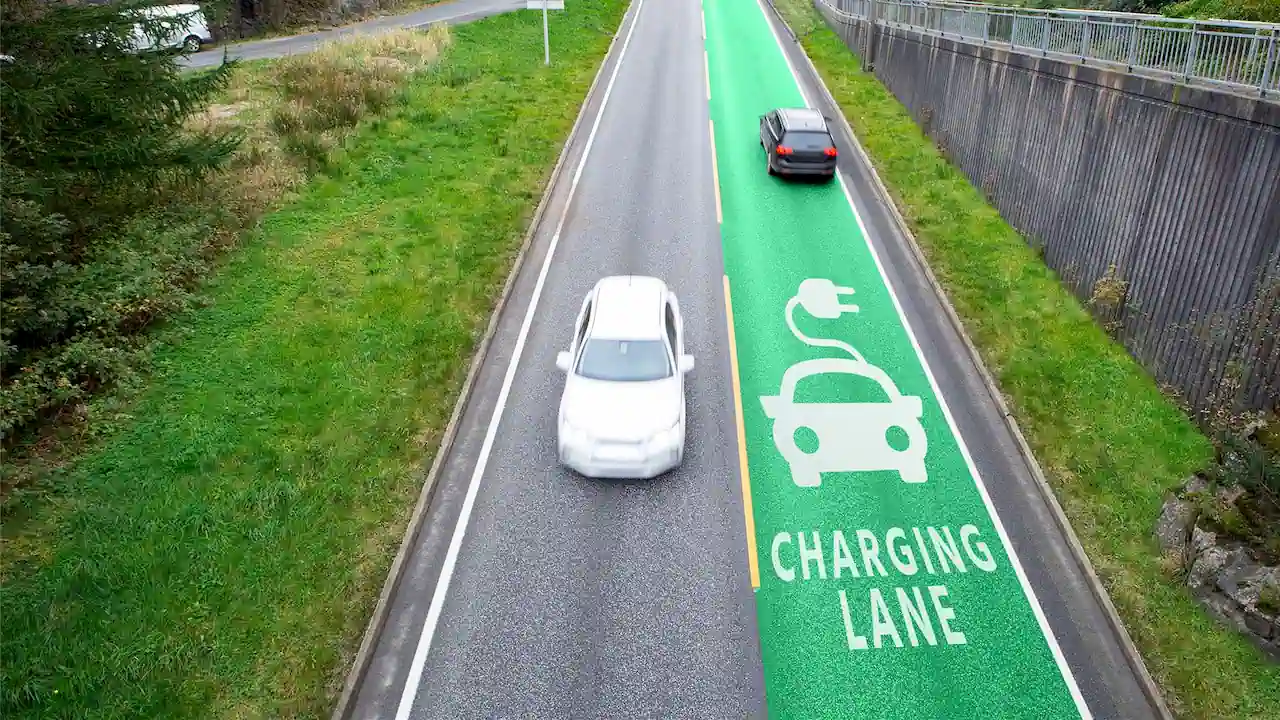
In essence, it’s a scaled-up version of the wireless charging used for smartphones—adapted for far greater power levels and vehicles traveling at highway speeds.
One of the most ambitious projects is underway in Florida, along State Road 516. Engineers are installing copper coils beneath a 0.75-mile stretch of road, capable of delivering up to 200 kW of charging power.
The system will only work with vehicles equipped with compatible receivers, but such hardware could eventually become an industry standard. The pilot segment is expected to open in 2029, and the project’s cost has already exceeded $500 million.
A similar experiment is taking place in France, where VINCI Autoroutes and Electreon have launched a test section on the Autoroute A10 near Paris.
Under roughly 0.9 miles of roadway, engineers installed about 900 charging coils capable of delivering up to 300 kW of power. Early tests suggest heavy electric trucks can receive almost exactly the amount of energy they consume while driving—meaning they could theoretically travel without stopping to recharge.
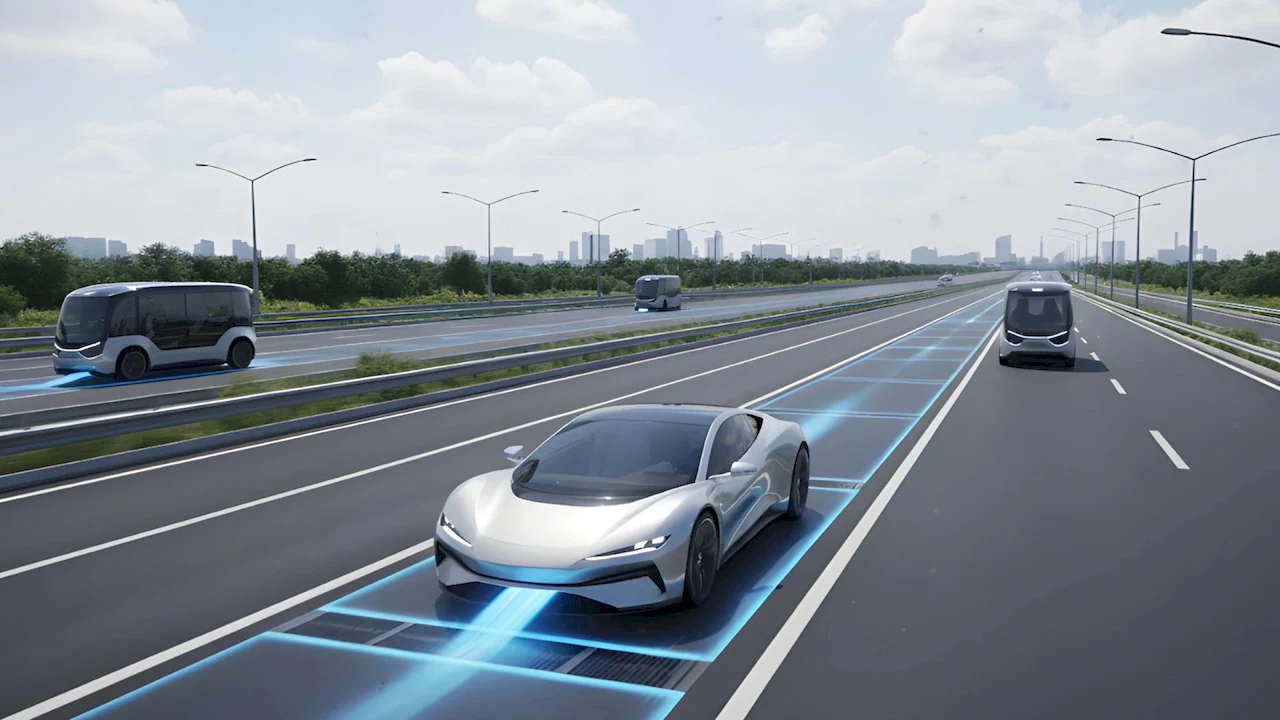
In December 2025, researchers from Purdue University demonstrated a similar system capable of charging a semi-truck at 65 mph with around 190 kW of power. Their technology is designed to work with both passenger cars and heavy tractor-trailers weighing up to 44 tons (about 88,000 pounds).
The economic logic behind these systems is straightforward. If the road itself can recharge vehicles, cars may no longer need enormous batteries capable of 300–370 miles of range. Smaller batteries mean lighter vehicles, higher cargo capacity for trucks, and reduced reliance on stationary charging stations.
However, several major challenges remain before the technology can be deployed widely. These include the high cost of rebuilding road infrastructure, the technical complexity of the systems, and the need for industry-wide hardware standards.
Even so, dynamic charging is already moving beyond the laboratory. Test programs involving French electric trucks, American research projects, and the upcoming Florida highway installation suggest the technology is gradually becoming part of real-world transportation infrastructure.
If development continues at the current pace, traditional charging stations could eventually become far less common—replaced instead by smart highways capable of powering vehicles as they drive.
You may also be interested in the news:
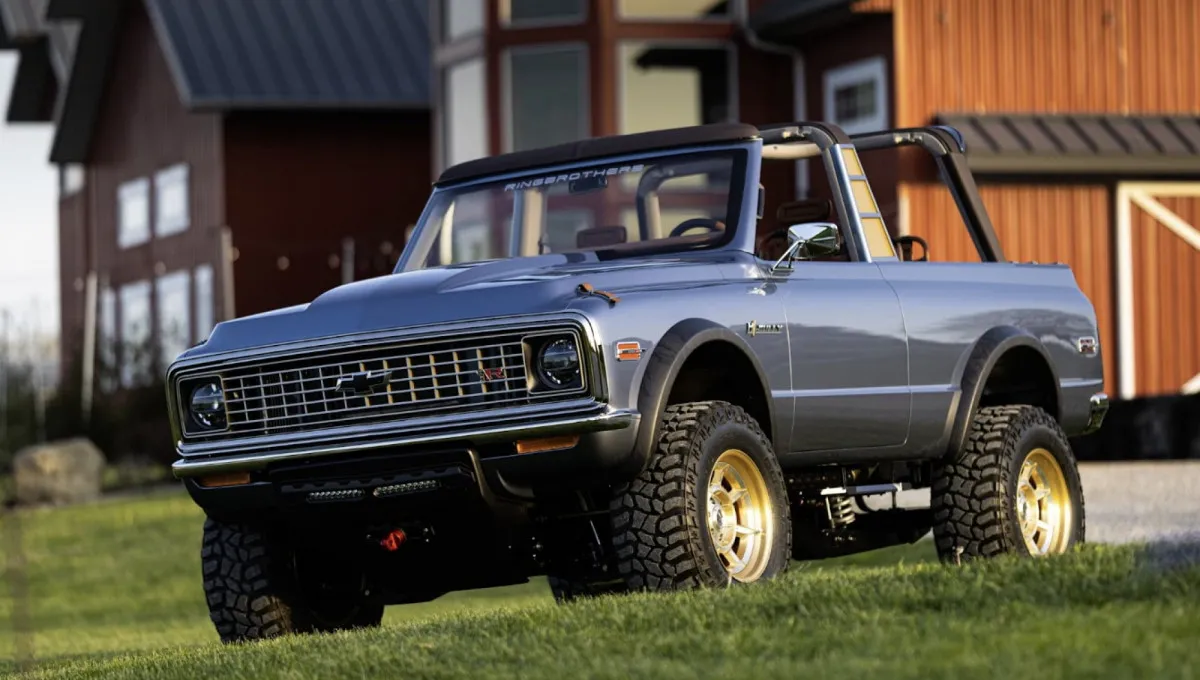
This 1,160-HP 1972 Chevrolet K5 Blazer Bully Is Going to Auction for the First Time
Ringbrothers’ 1972 Chevrolet K5 Blazer Bully, packing 1,160 horsepower, is heading to Mecum’s Nashville auction.
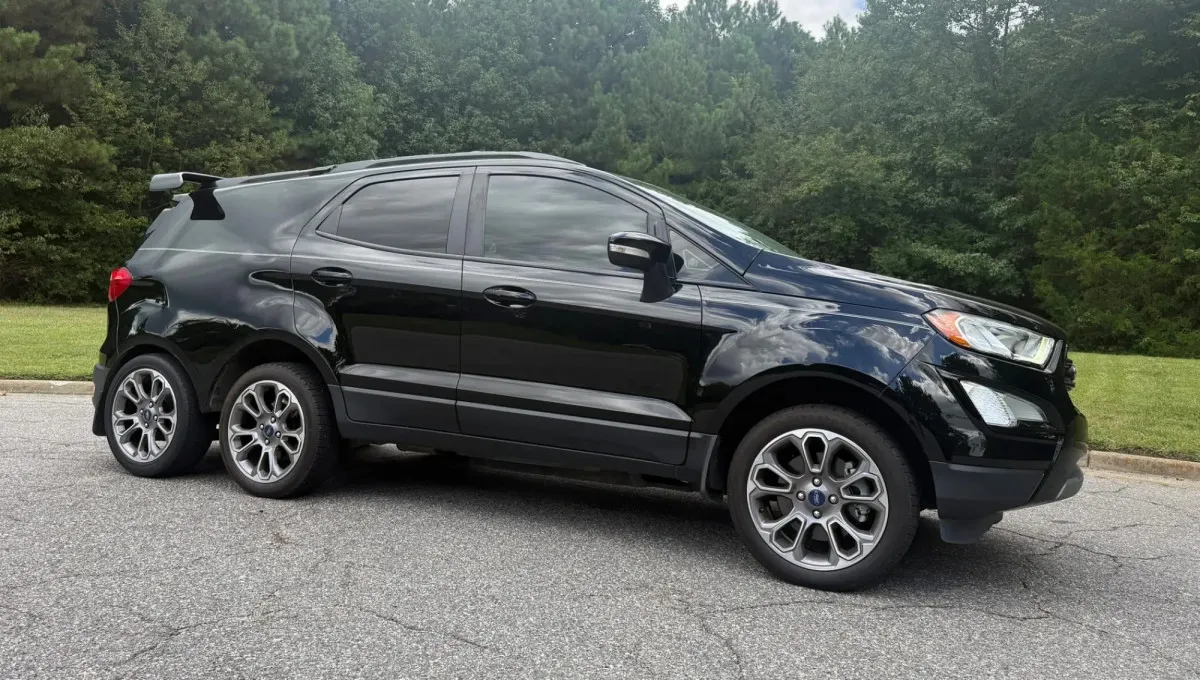
Someone Turned a Ford EcoSport Into a Six-Wheeled SUV — And It's Selling for Just $7,000
An extremely unusual six-wheeled conversion of Ford’s compact crossover has landed on the Bring a Trailer auction block.
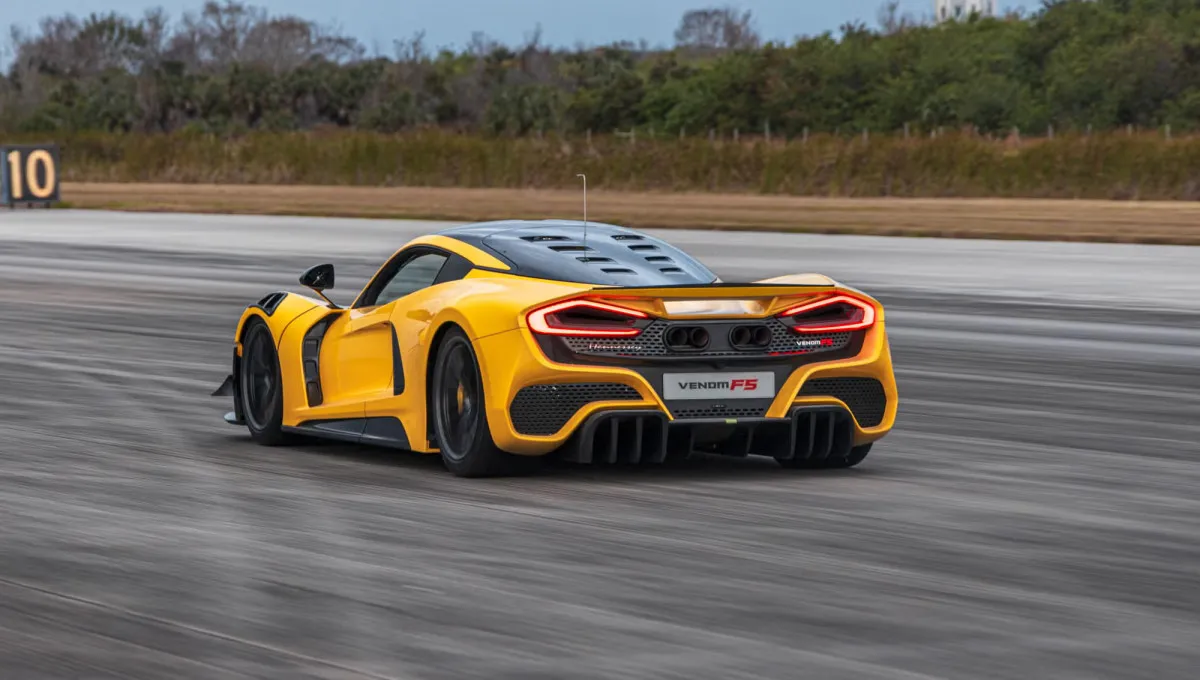
Experts Name the Two Most Powerful Production Sports Cars in the U.S.
American sports cars continue to impress with their horsepower, speed and innovative engineering, with two models standing above the rest.
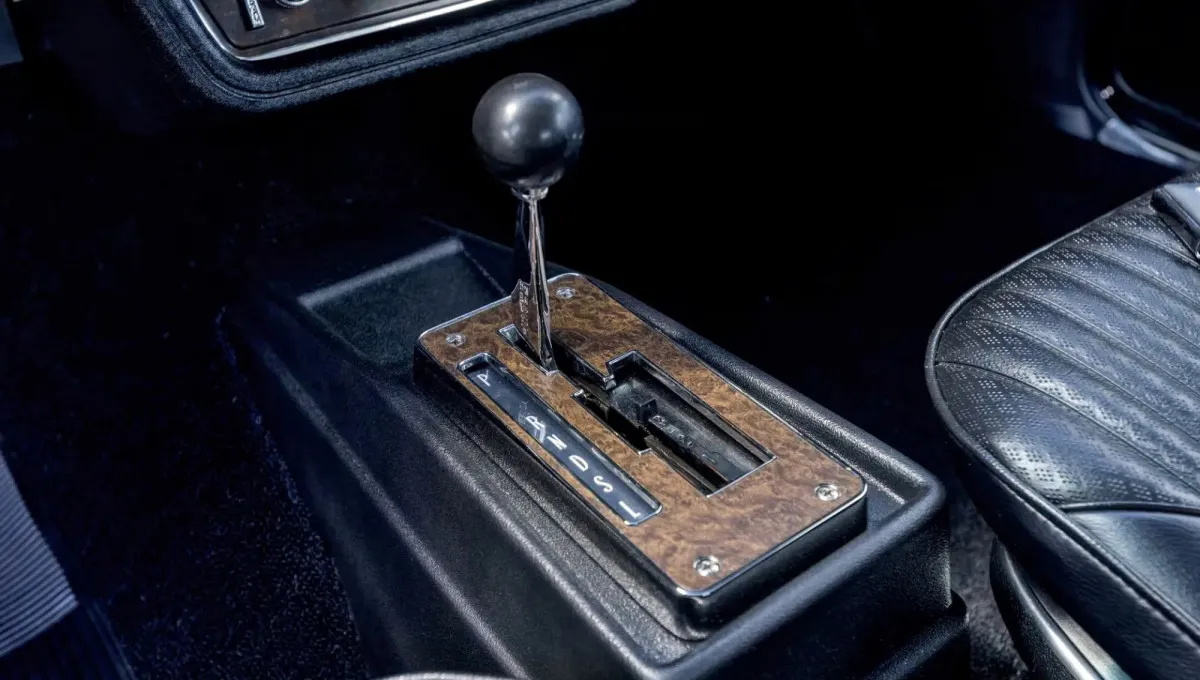
How Oldsmobile Invented a Manual Gearbox for an Automatic
Long before paddle shifters and electronic driving modes, Oldsmobile found a clever mechanical way to let drivers shift an automatic transmission themselves.
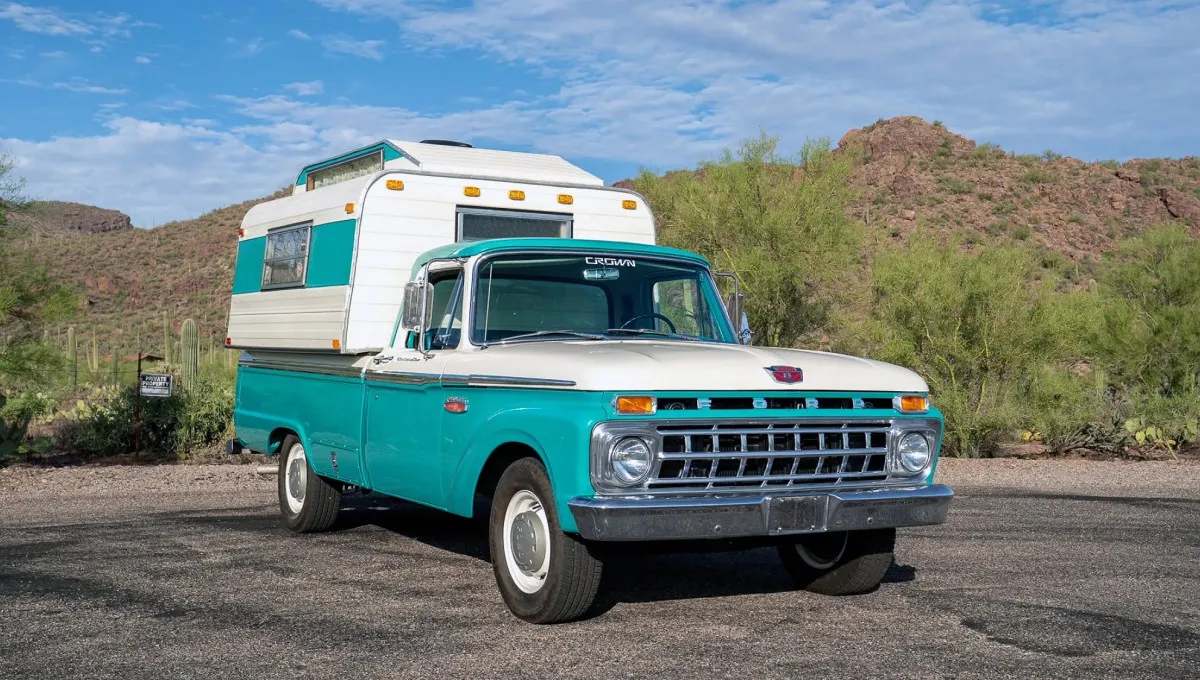
This 1965 Ford F-250 With a Mitchell & Sons Camper Is a Charming Retro Travel Companion
The 1965 Ford F-250 and Mitchell & Sons camper share colors, period styling, and compatibility.