
U.S. National Average Gas Price Climbs Nearly 9% in Just One Week
Drivers across the country are feeling the squeeze as fuel prices surge and frustration grows
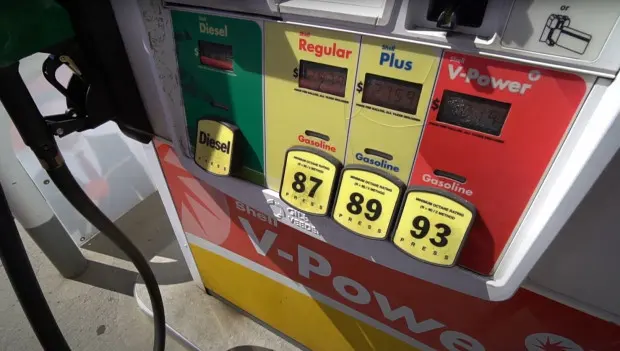
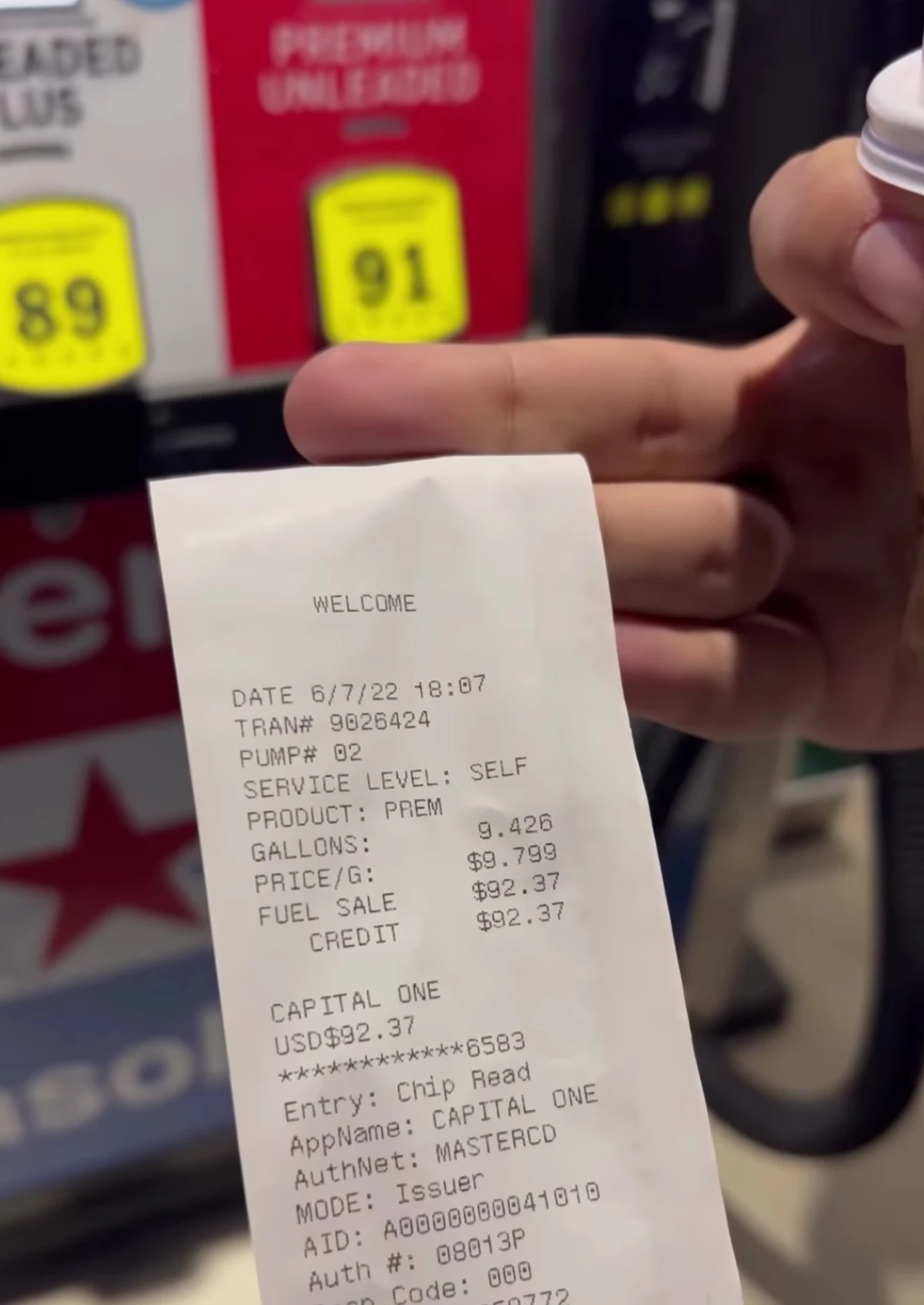
About a month ago, reports surfaced of a driver in California paying nearly $10 per gallon for gas. At the time, many people were shocked—but some even said it was becoming “normal” in parts of the state. AAA data then showed the national average for regular gas at $4.11, far below that extreme example. Still, things have clearly shifted back toward more expensive fuel across the country.
For a short period, energy prices appeared to stabilize. The national average hovered between $4.10 and $4.12 for most of April. But that calm didn’t last long, and prices are once again moving upward.
Just last week, regular gas averaged $4.11 per gallon in the U.S., mid-grade was around $4.59, and premium was creeping close to $5.00 per gallon.
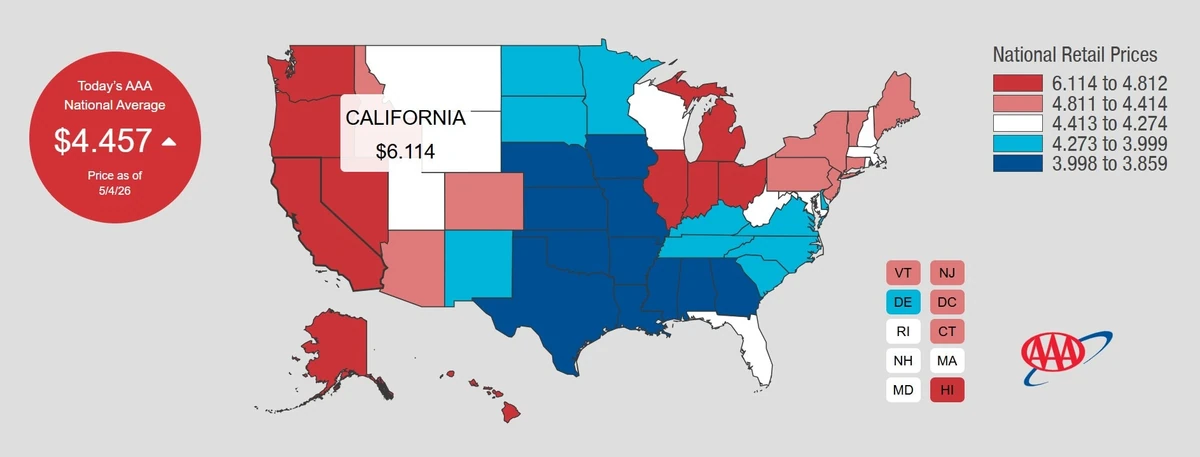
Now, according to the latest AAA figures, regular gas sits at $4.45 per gallon—up $0.01 from the previous day. Mid-grade has climbed to $4.93, while premium is already well above the $5 mark at $5.31 per gallon.
Compared to last month, regular gasoline is nearly 9% more expensive. Over just the past week, it’s up more than 8%. Even with recent comments from the White House suggesting tensions with Iran have eased, drivers are still not seeing any relief at the pump.
Looking at the bigger picture makes the situation feel even worse. One year ago, the national average was about $3.10 per gallon. Gas hasn’t been this expensive since the summer of 2022, when prices briefly crossed the $5 threshold.
Global supply dynamics haven’t helped either. Before recent geopolitical tensions affecting the Strait of Hormuz, oil traded between $66 and $74 per barrel. At the time of writing, Brent crude is near $108, while WTI sits around $103 per barrel.
There have been some production shifts as well. Saudi Arabia has increased output beyond earlier OPEC+ limits, but that extra supply hasn’t translated into lower prices at the pump.
Some have jokingly suggested that replacing gas station attendants with robots—similar to systems recently seen in Russia—might help cut costs.
There is one silver lining for U.S. drivers: compared to Europe, American fuel is still relatively cheap. In Denmark, prices can reach nearly $2.80 per liter, which works out to over $10.50 per gallon.
In the Netherlands, some drivers now cross into Germany to refuel, taking advantage of temporary tax cuts there that save about $1 per gallon. Even small differences like that are enough to justify the detour.
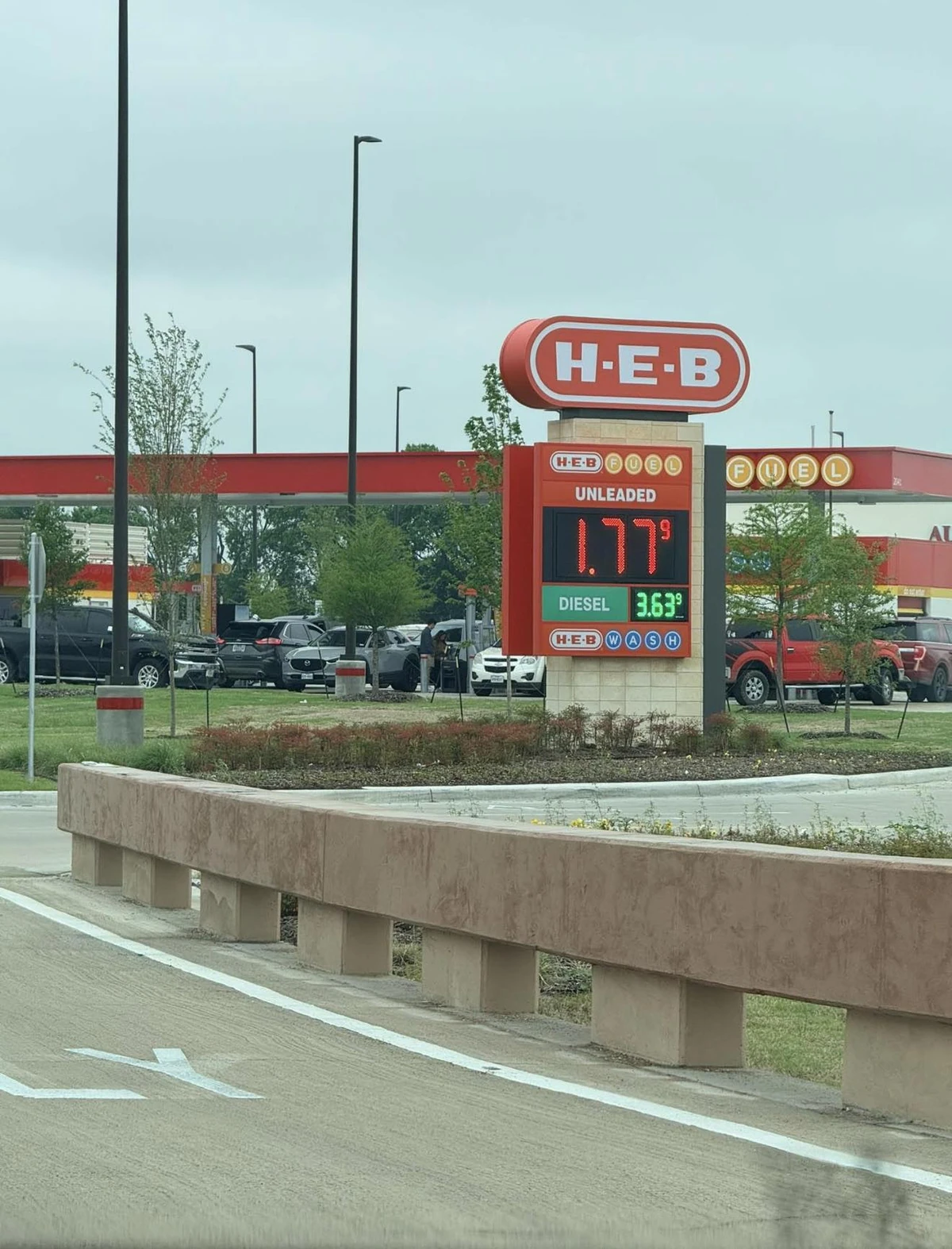
Back in the U.S., a recent promotion by H-E-B offered gas for just $1.77 per gallon at select stations, drawing long lines and even requiring police presence to manage traffic. It’s another reminder of how sensitive drivers are to fuel prices right now.
With the cost of nearly everything rising, fuel remains one of the most visible pressure points—and for many Americans, it’s starting to feel unsustainable.
You may also be interested in the news:

Experts Name the Two Most Powerful Production Sports Cars in the U.S.
American sports cars continue to impress with their horsepower, speed and innovative engineering, with two models standing above the rest.

How Oldsmobile Invented a Manual Gearbox for an Automatic
Long before paddle shifters and electronic driving modes, Oldsmobile found a clever mechanical way to let drivers shift an automatic transmission themselves.

This 1965 Ford F-250 With a Mitchell & Sons Camper Is a Charming Retro Travel Companion
The 1965 Ford F-250 and Mitchell & Sons camper share colors, period styling, and compatibility.

328,000 Jeep Grand Cherokees Recalled Over a Hidden Crash Risk — Owners Should Act Now
Chrysler is recalling more than 328,000 Jeep Grand Cherokees over a rear coil spring problem that could increase the risk of a crash.

Chevrolet Raises Prices on 2027 Silverado EV and Cuts the Lineup
Chevrolet raises 2027 Silverado EV prices and cuts two trims amid weak electric-pickup demand in the market.