
Two Important Things You Should Do After Buying a Used Car
Experienced drivers recommend several essential maintenance steps immediately after purchasing a used vehicle to avoid problems.
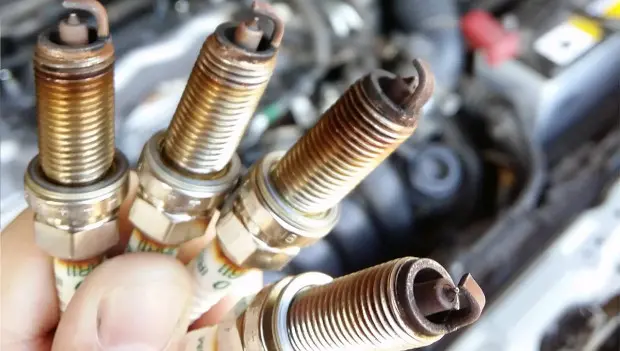
Buying a car is always a major decision—especially when it’s a used vehicle rather than a brand-new one. In that case, drivers should stay extra cautious not only while choosing the car but also immediately after bringing it home.
That’s because there are several things experienced drivers almost always recommend doing right away. Even if the previous owner insists the car is in perfect condition, it’s still wise to perform a few basic maintenance steps to ensure reliability and safety.
Replace All Fluids
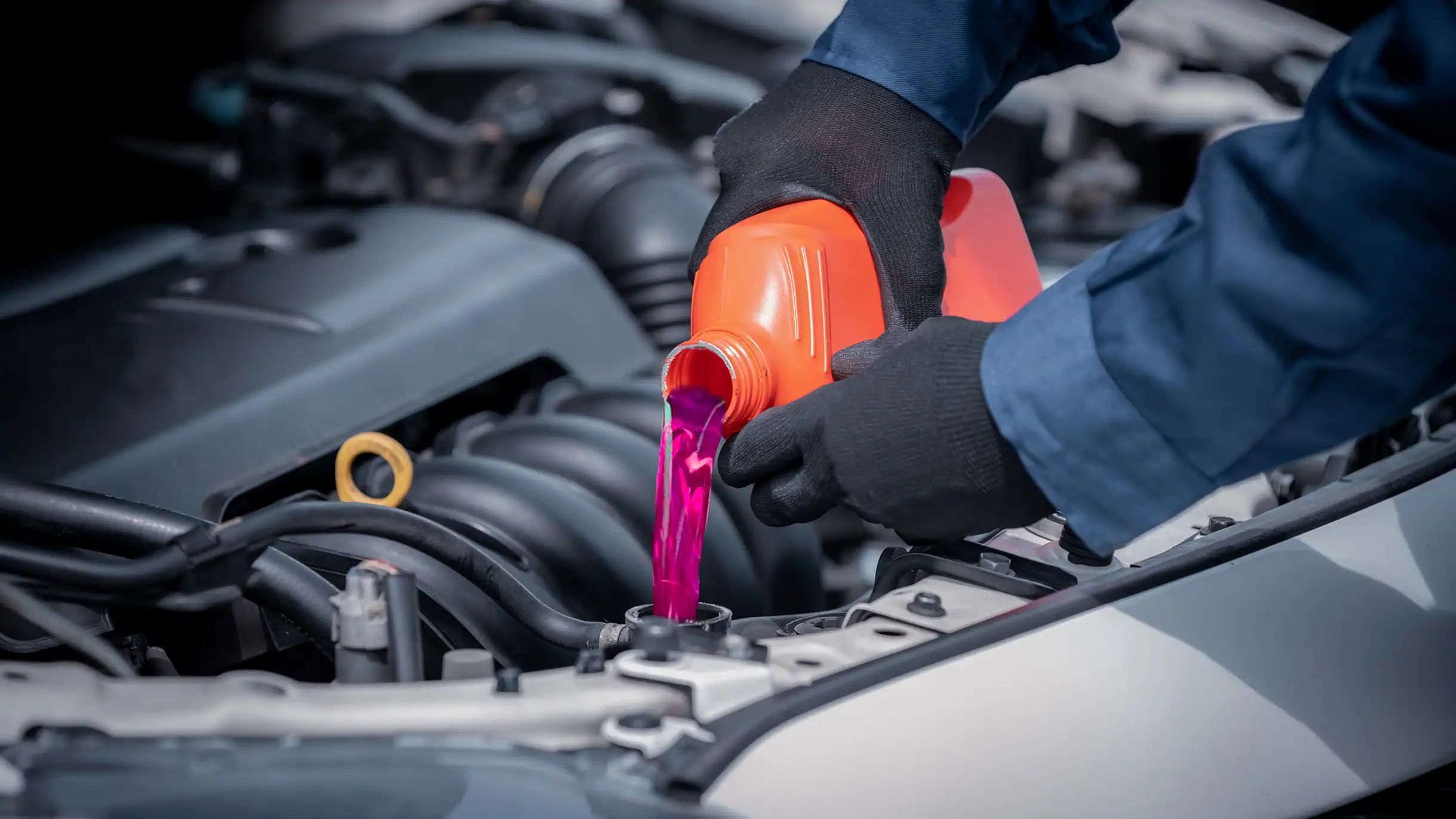
This should be the very first step with any vehicle purchased on the used market. Replacing the car’s fluids helps ensure proper operation of major components and improves overall safety.
Before purchasing the car, it’s also a good idea to ask what kind of engine oil the previous owner used. However, even if you know the answer, the safest approach is often to flush the engine and refill it with fresh oil.
You should also replace several other fluids, including:
- Transmission fluid
- Engine coolant
- Brake fluid
It’s also smart to change the power steering fluid, which many owners forget about during regular maintenance.
Replace Key Wear Items
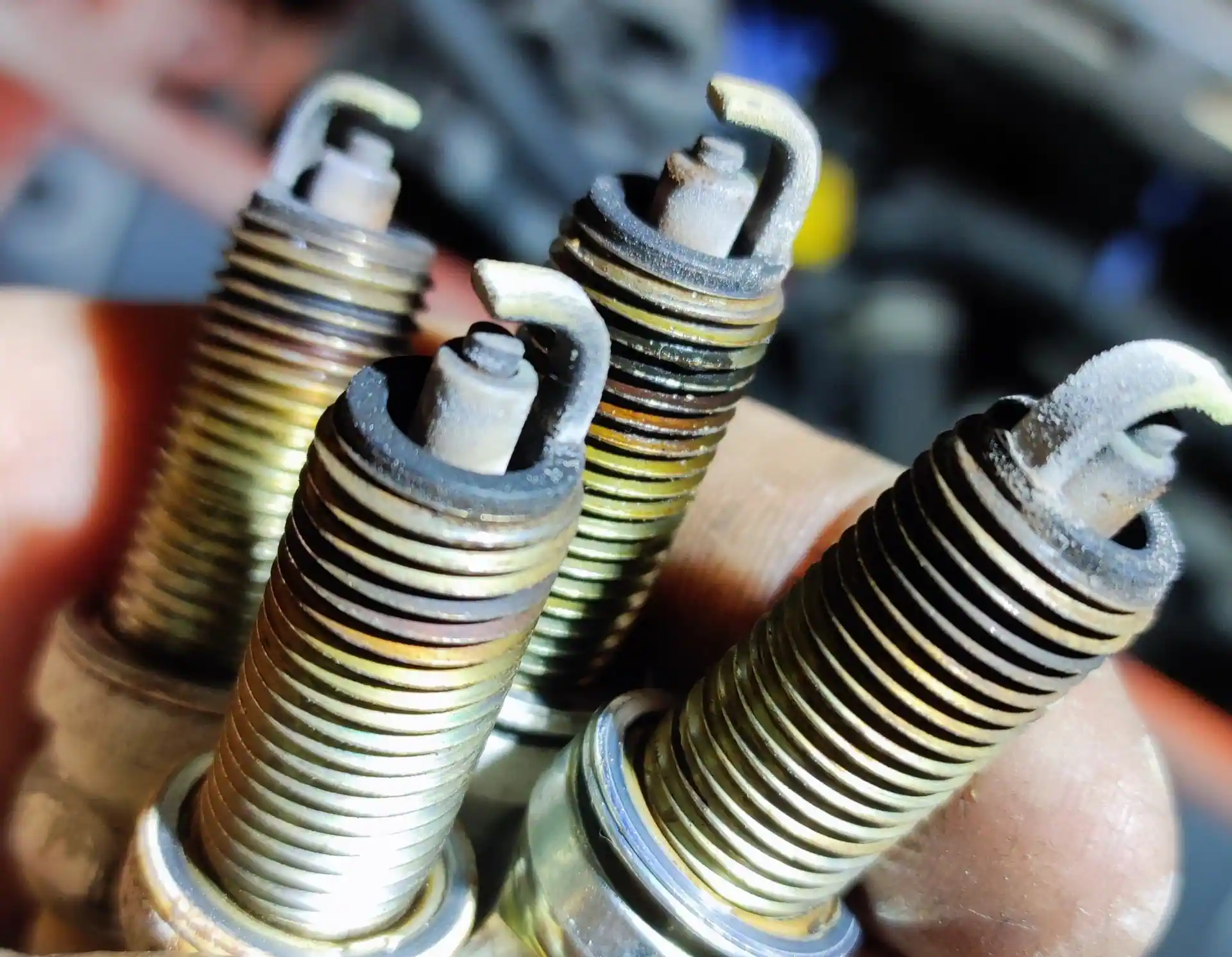
The next important step after buying a used car is replacing common wear components. Doing this helps prevent unexpected breakdowns at the worst possible moment.
Start with the basics:
- Air filter
- Fuel filter
It’s also a good idea to replace the spark plugs and battery, even if they appear to be in decent condition.
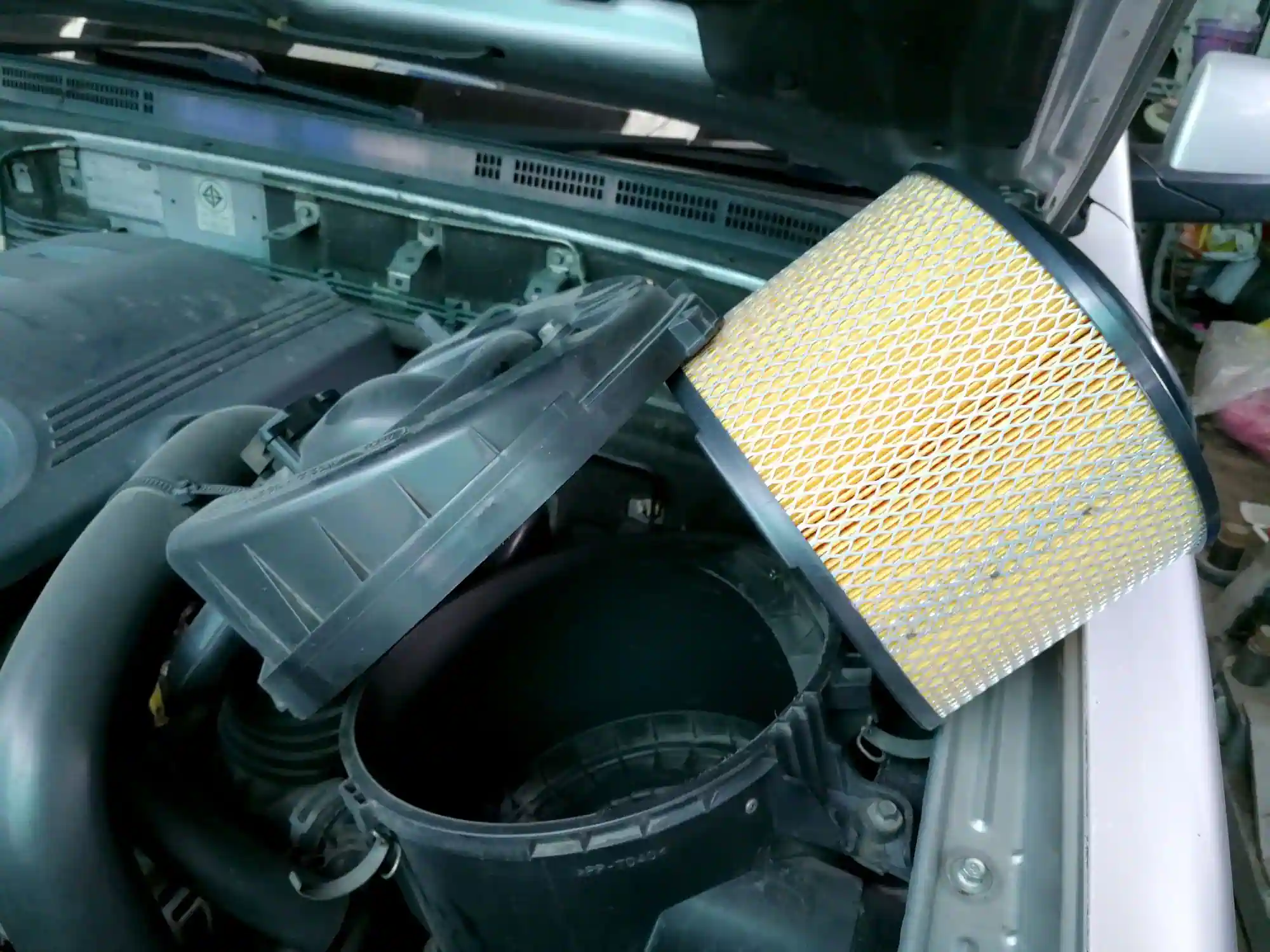
Brake components deserve special attention as well. Ideally, you should replace the brake pads and rotors, or at least inspect them carefully by putting the car on a lift.
If the vehicle has more than 62,000 miles on the odometer, many mechanics recommend replacing the timing chain or timing belt as a precaution.
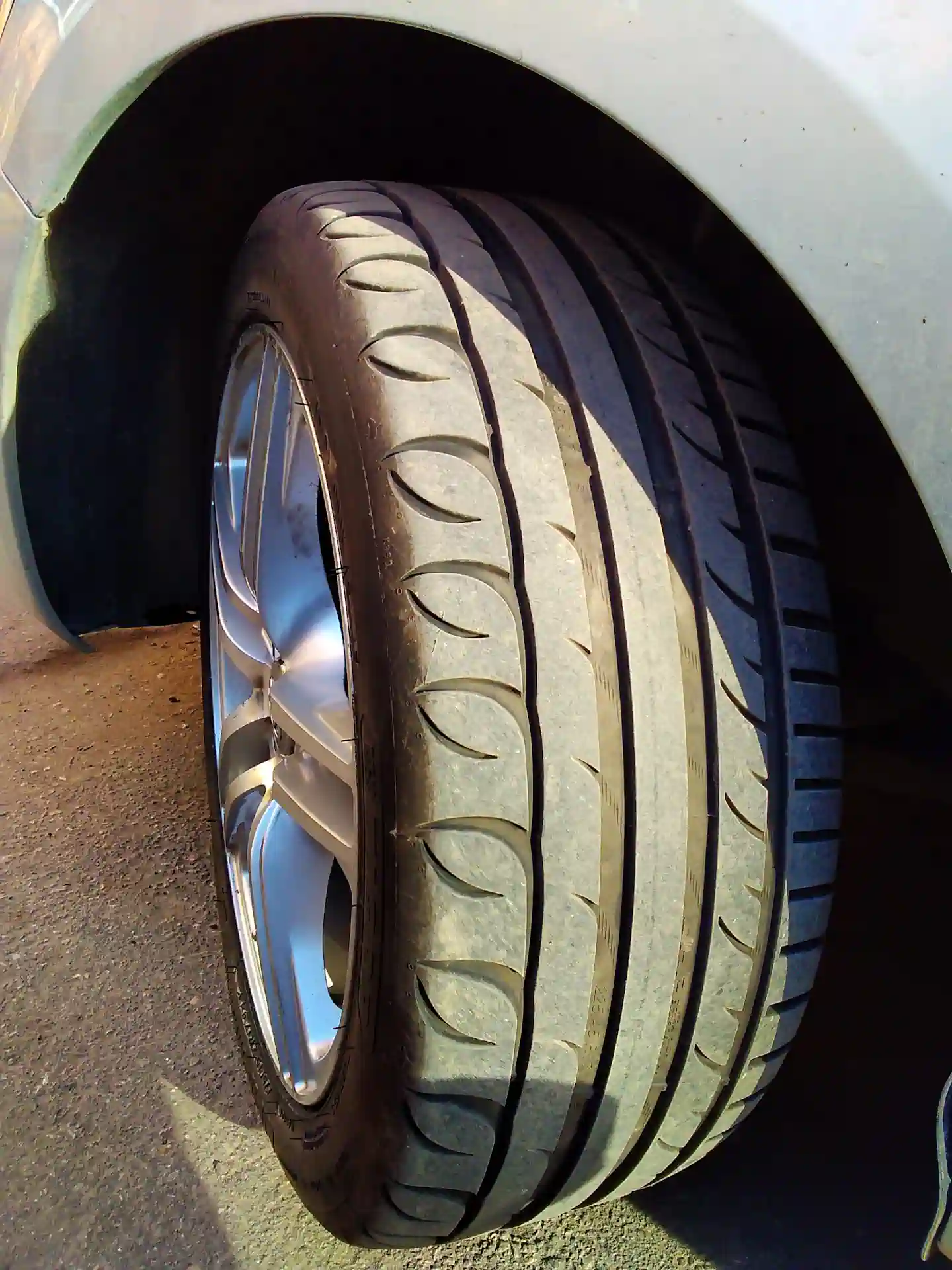
Tires should be inspected separately. First, check the manufacturing date printed on the tire sidewall to see how old they are.
Next, measure the tread depth using a dedicated gauge or even a simple coin test. Worn tires can significantly affect safety, especially in rain or snow, so replacing them early can prevent bigger problems later.
You may also be interested in the news:
YouTube Has a New Problem: AI Is Creating Fake Mechanics Who Look Completely Real
Artificial intelligence is now being used to create convincing fake auto mechanics on YouTube, raising concerns about misleading advice.
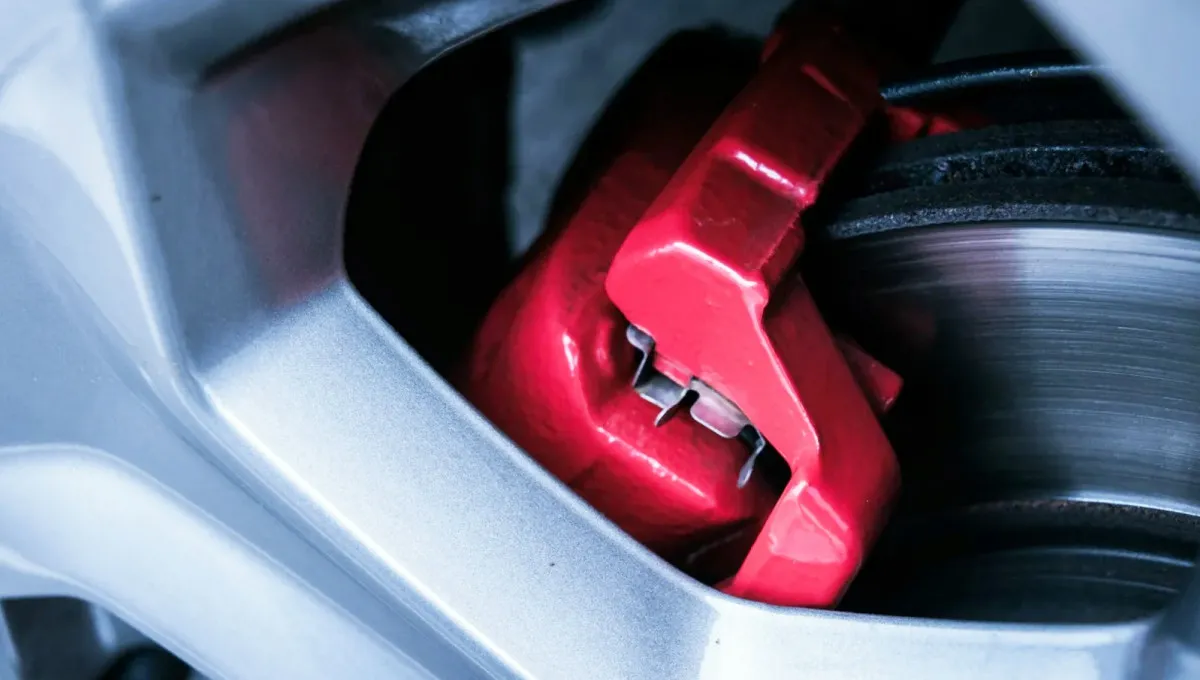
Your Brakes Squeal Every Morning? Here’s When That Noise Is Normal—and When It Could Mean Trouble
That sharp brake squeal first thing in the morning is often harmless—but persistent noise can point to worn or damaged brake components.
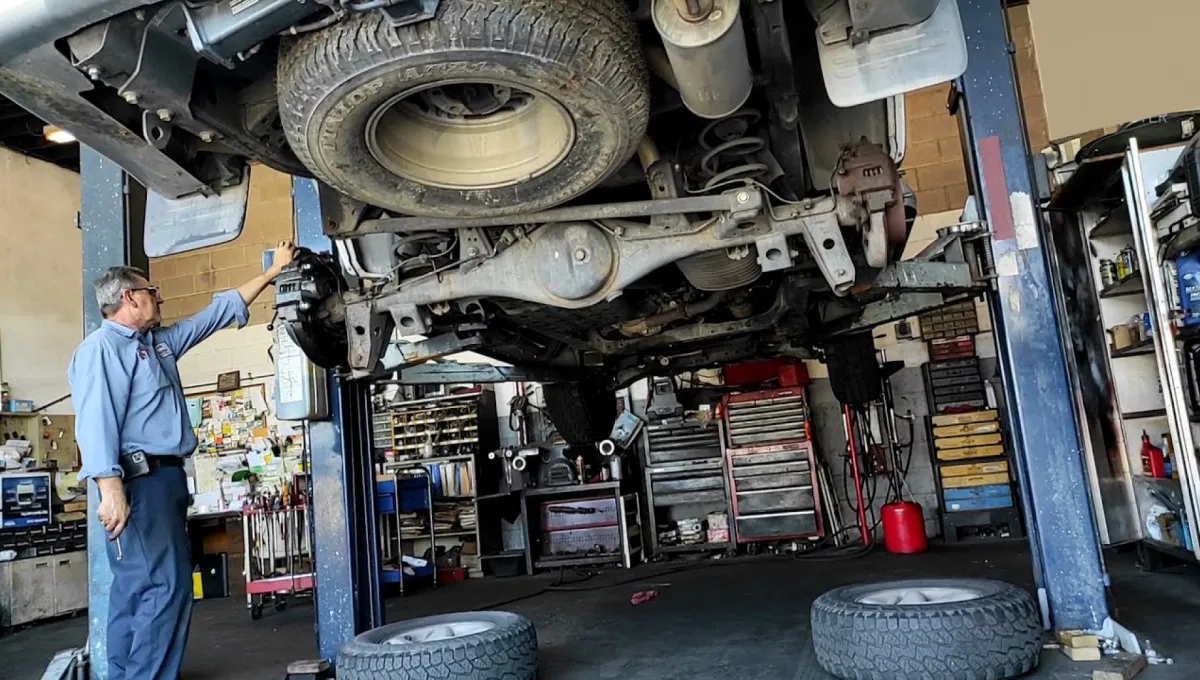
7 Car Repairs Mechanics Secretly Hate Taking on — Here’s Why Shops Say “No”
A mechanic explains why some seemingly routine repairs can become expensive nightmares for both shops and car owners.
Your Car May Be Burning More Gas This Fall — Here’s the Surprising Reason Why
Colder temperatures, longer warm-up times and denser air can all cause your car to use more fuel in the fall.
The “Gas-Saving” Tricks That Could Destroy Your Car — And What Drivers Should Do Instead
Some fuel-saving tricks can backfire, costing drivers far more in repairs than they ever save at the gas pump.