
NHTSA Closes Investigation Into Tesla Sudden Acceleration: No Defect Found
Federal regulators found no defect behind Tesla acceleration complaints, though debate around its FSD system continues.
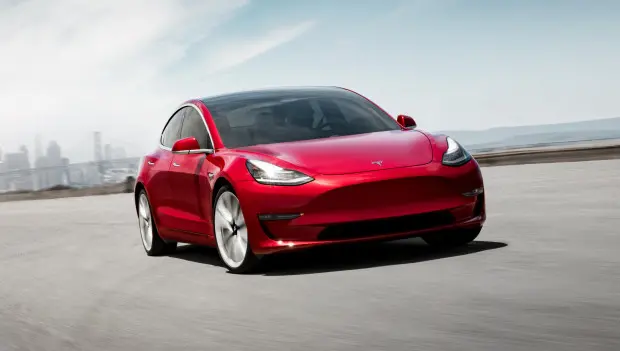
The U.S. auto safety regulator, National Highway Traffic Safety Administration, has officially closed its investigation into complaints of sudden acceleration involving vehicles from Tesla. After reviewing the evidence, the agency reported that it found no signs of a manufacturing defect responsible for the incidents. However, concerns surrounding Tesla’s driver-assistance technology remain an ongoing topic of debate among experts and owners.
The electric vehicle market briefly returned to the spotlight when the NHTSA announced it had completed its large-scale review of reports describing unexpected acceleration in Tesla cars. The conclusion is considered an important decision not only for the company but also for the broader EV industry.
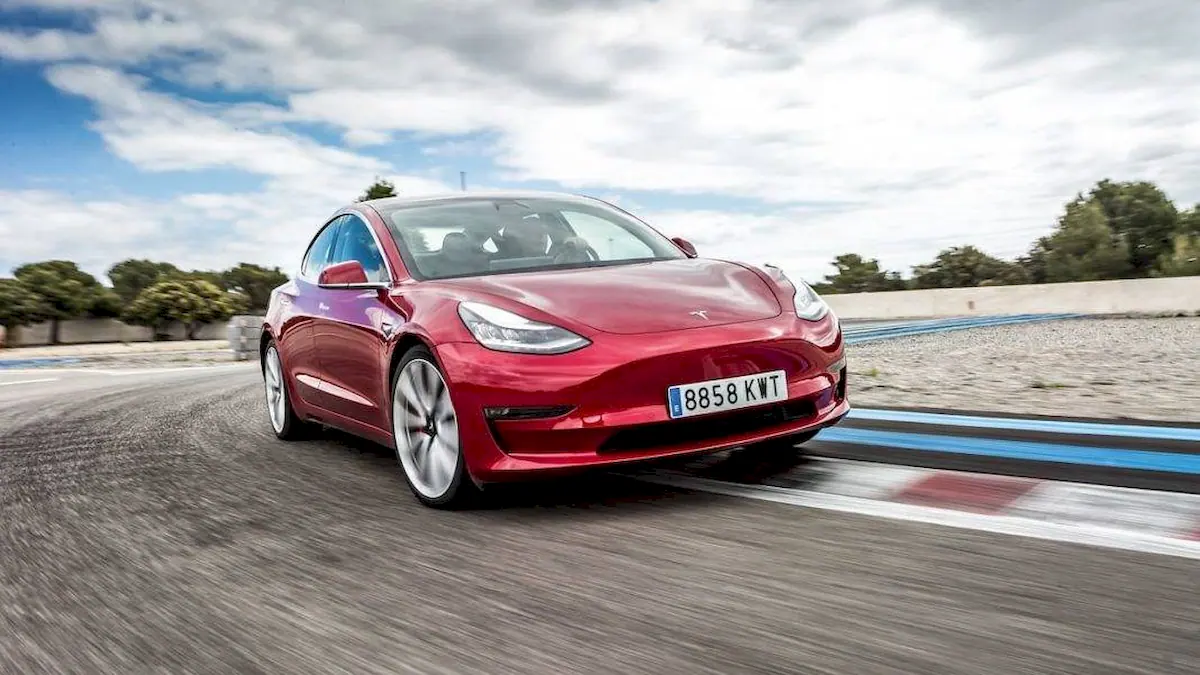
The investigation began after a class complaint filed in March 2023 with the agency’s Office of Defects Investigation. The complaint alleged that certain Tesla vehicles could accelerate suddenly without driver input, possibly due to software or hardware malfunctions. According to the regulator, however, a detailed analysis of vehicle telemetry, data logs, and incident reports did not reveal any systemic flaw that would cause unintended acceleration.
Safety experts note that cases like these tend to attract major public attention because they affect not only the reputation of a brand but also trust in emerging autonomous-driving technologies. While Tesla has effectively been cleared of accusations tied to sudden acceleration, questions surrounding its Tesla Full Self-Driving system remain.
Regulators continue to monitor the evolution of the technology, and debate within the automotive and engineering communities has not faded. Discussions often focus on how reliably advanced driver-assistance systems handle real-world scenarios and how quickly drivers must intervene when the system encounters limitations.
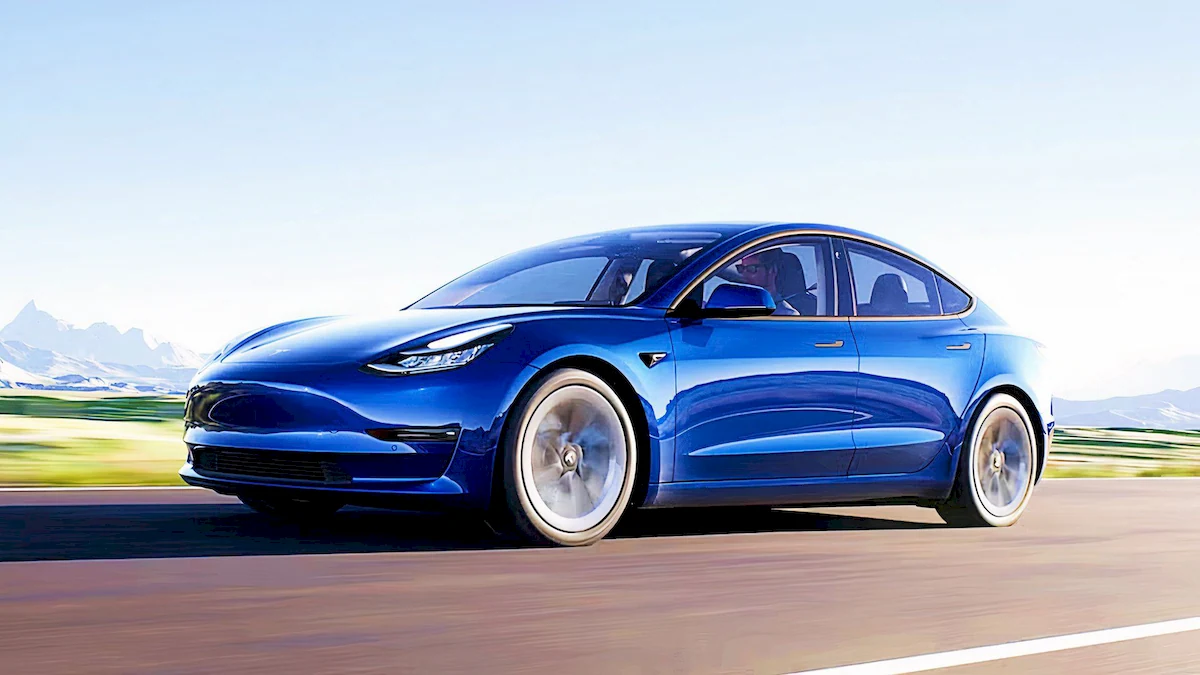
Interestingly, the effectiveness of Tesla’s FSD software has already been examined in separate technical analyses. Some studies explored the system’s operational behavior and situations where it may request driver intervention unexpectedly—potentially creating new safety concerns if the transition happens too late. For regulators and manufacturers alike, responding quickly to such findings is considered essential as autonomous features become more widespread.
The NHTSA’s decision may influence public perception of Tesla, but it also sets the stage for broader discussions about software reliability and driver-assistance standards in modern electric vehicles. In the coming years, scrutiny of automated driving technologies will likely intensify as automakers work to prove the safety of their systems not only in controlled tests but also in everyday driving conditions.
You may also be interested in the news:
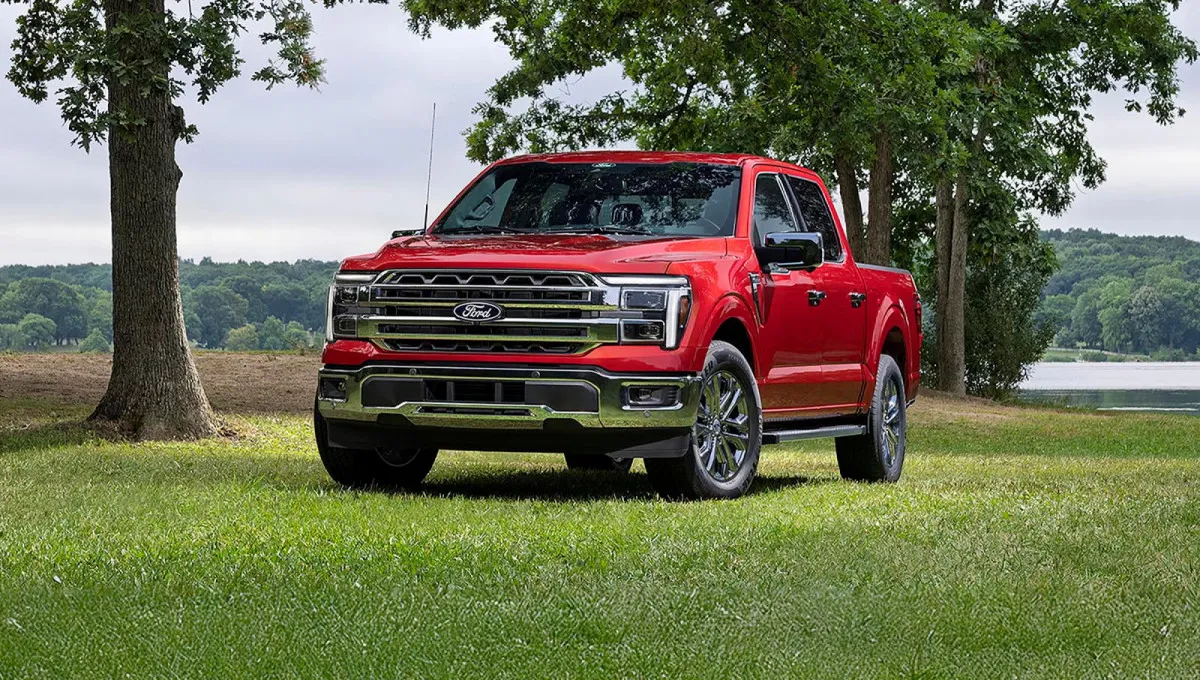
Ford Just Gave the 2027 F-150 a New Engine, Hands-Free Trailer Towing and a Carhartt Edition
Ford has updated the 2027 F-150 with a new V6, trailer-capable BlueCruise and a rugged Carhartt special edition.
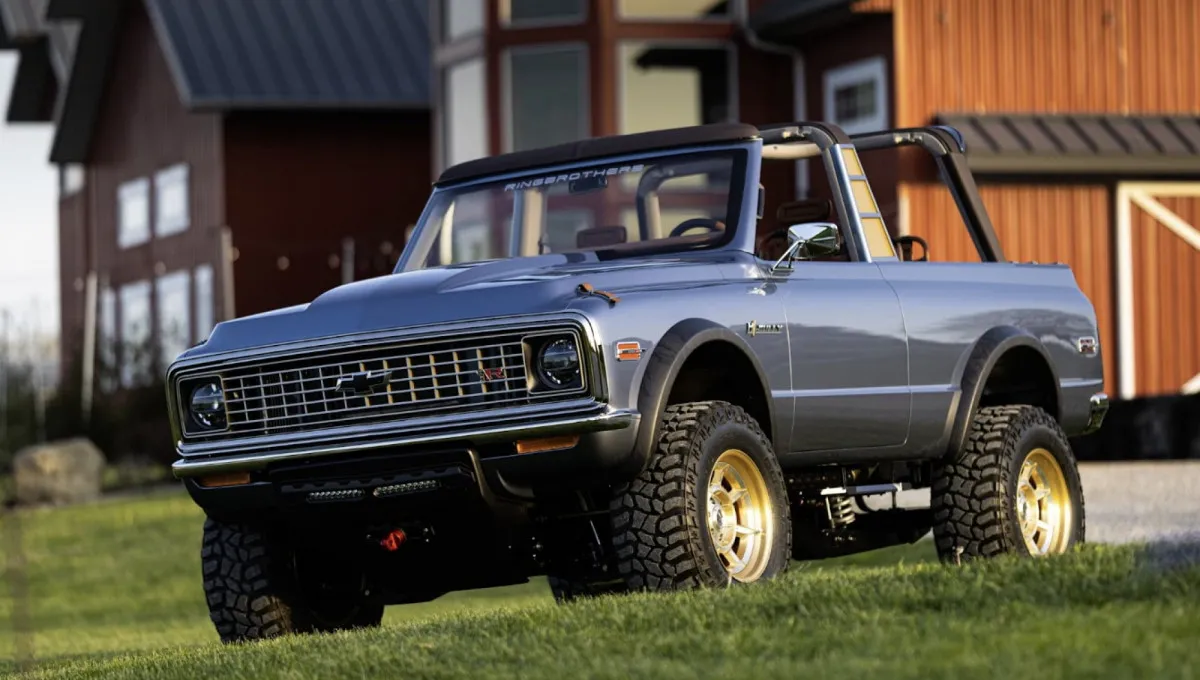
This 1,160-HP 1972 Chevrolet K5 Blazer Bully Is Going to Auction for the First Time
Ringbrothers’ 1972 Chevrolet K5 Blazer Bully, packing 1,160 horsepower, is heading to Mecum’s Nashville auction.
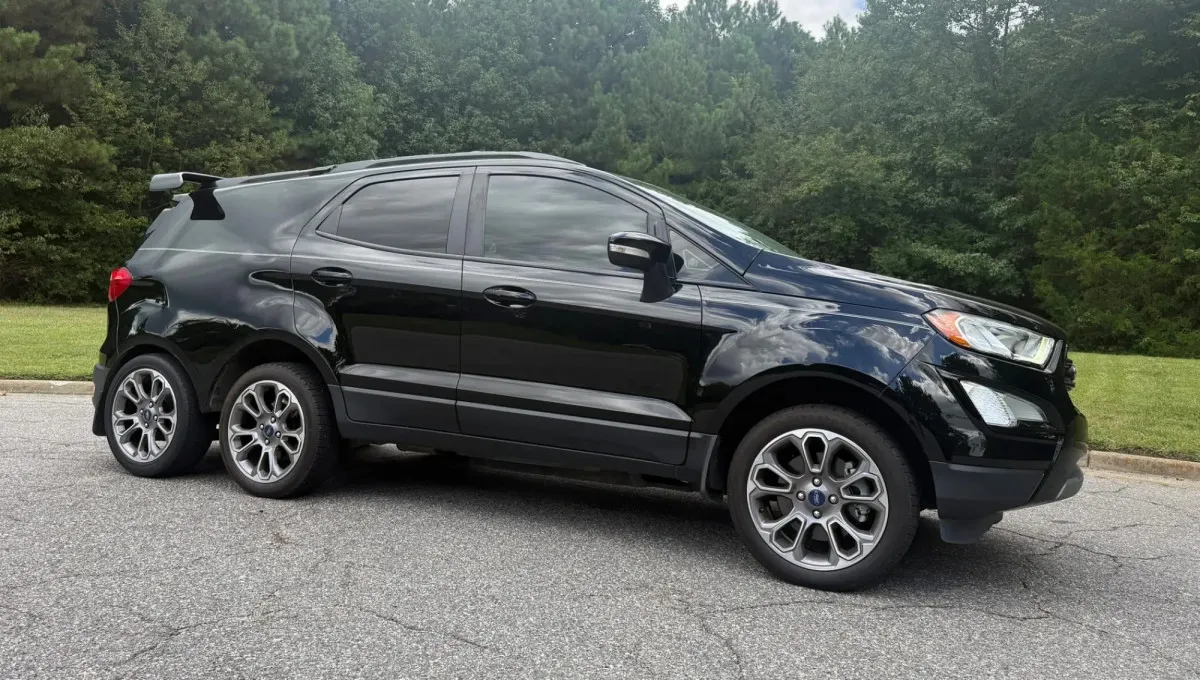
Someone Turned a Ford EcoSport Into a Six-Wheeled SUV — And It's Selling for Just $7,000
An extremely unusual six-wheeled conversion of Ford’s compact crossover has landed on the Bring a Trailer auction block.
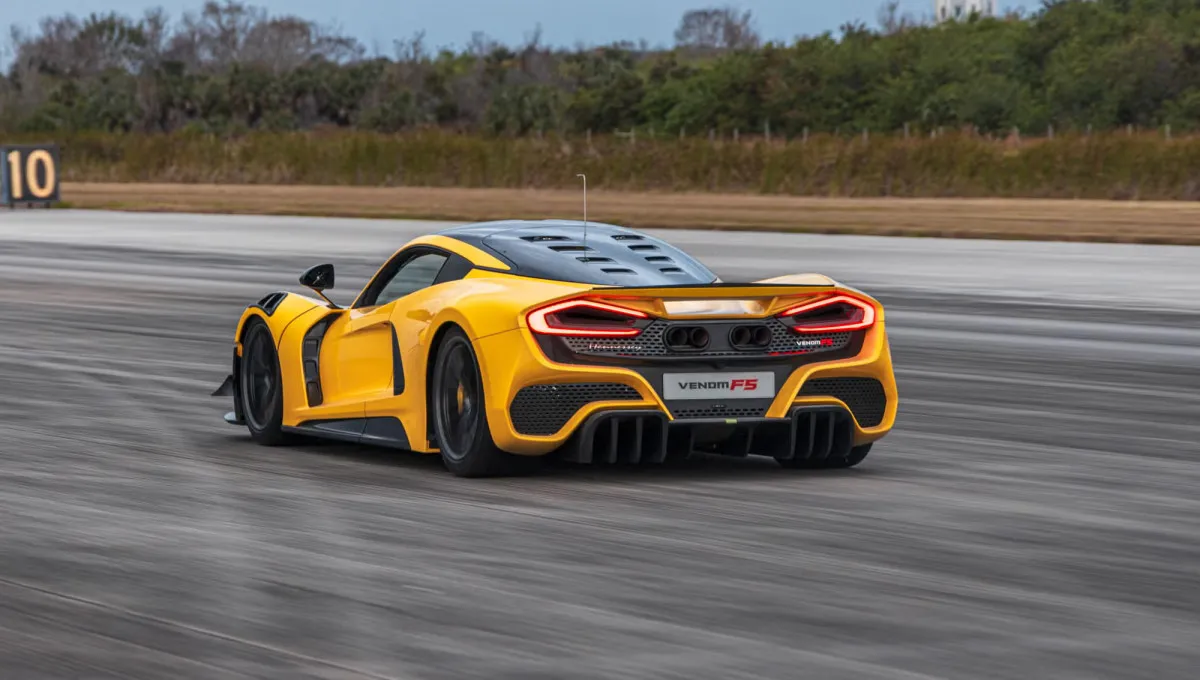
Experts Name the Two Most Powerful Production Sports Cars in the U.S.
American sports cars continue to impress with their horsepower, speed and innovative engineering, with two models standing above the rest.
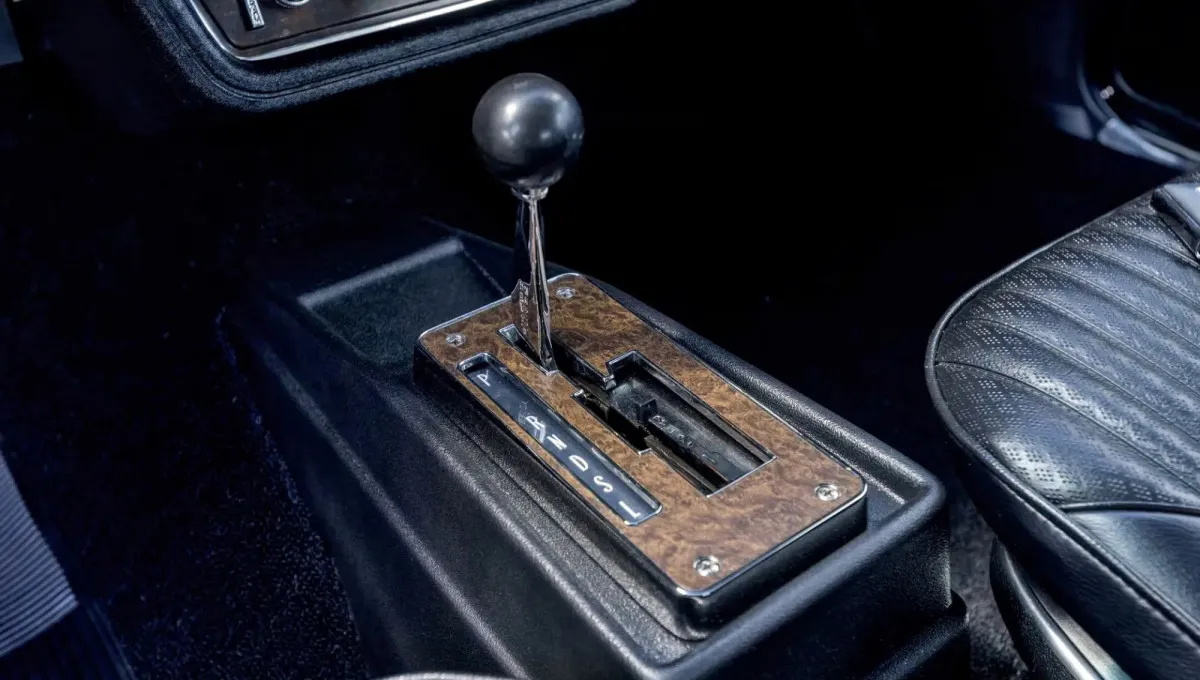
How Oldsmobile Invented a Manual Gearbox for an Automatic
Long before paddle shifters and electronic driving modes, Oldsmobile found a clever mechanical way to let drivers shift an automatic transmission themselves.