
Why Some Cars Have “Mud Flaps” Mounted in Front of the Wheels
Online debates are heating up—some drivers insist they’re essential, while others argue they’re pointless or even harmful.
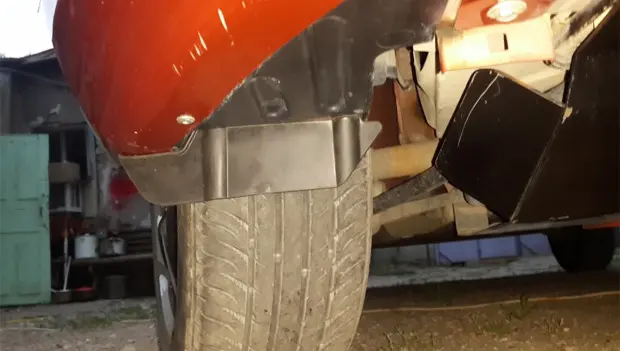
Lately, the Russian-language automotive internet has been buzzing with heated arguments about mud flaps. Some drivers say you should never remove them under any circumstances, while others go out of their way to prove the accessory is useless—or even detrimental. But that debate isn’t what we’re focusing on today. Instead, let’s talk about parts that look like mud flaps but are mounted in front of the wheels, not behind them. Why are they there, and do they actually serve a practical purpose?
First, it’s important to clarify what a mud flap actually is. A mud flap is a component mounted behind a wheel that prevents mud, stones, sand, and water from being thrown outward by the rotating tire. Its main job is protection—keeping debris from damaging the car itself or hitting vehicles behind it.
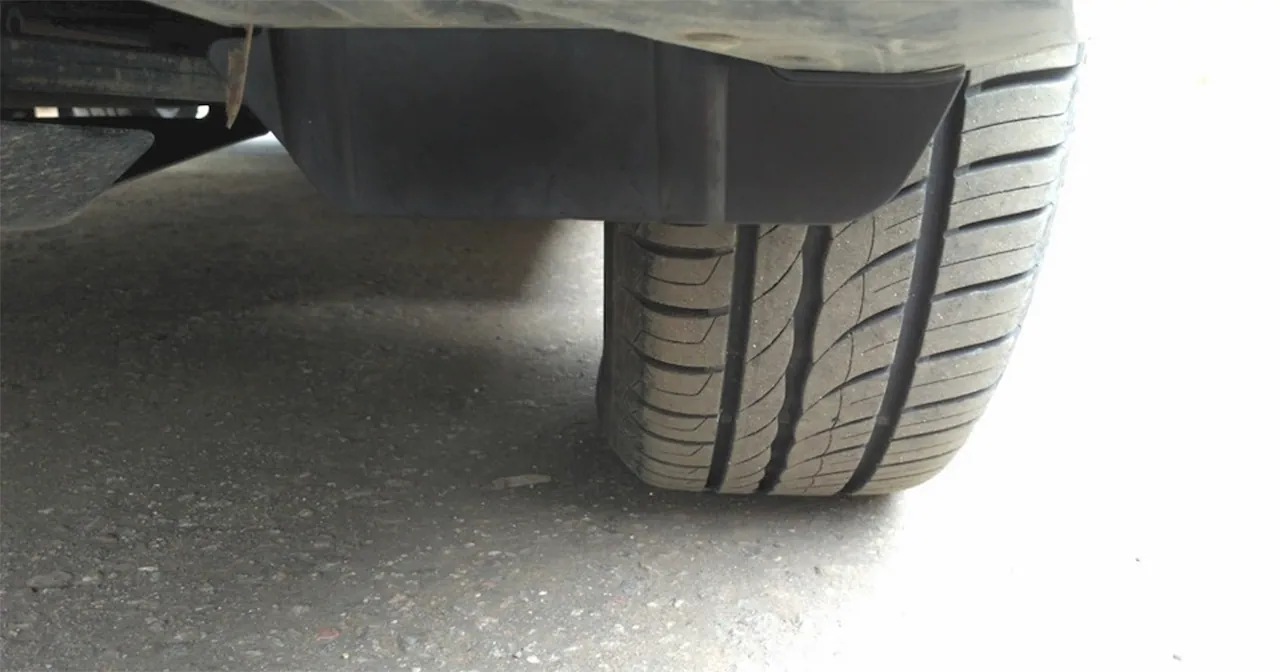
The small piece sometimes mounted in front of a wheel, even though it may resemble a mud flap at first glance, isn’t a mud flap at all. In reality, it’s an aerodynamic deflector, designed to perform a completely different function.
Aerodynamic deflectors differ from mud flaps not only in placement but also in materials and size. They’re typically much smaller. While they can indirectly help shield wheel arches from debris, that wasn’t their original purpose. Like many automotive innovations, aerodynamic deflectors migrated to everyday passenger cars from motorsports. They’re usually attached directly to the vehicle’s bumper.
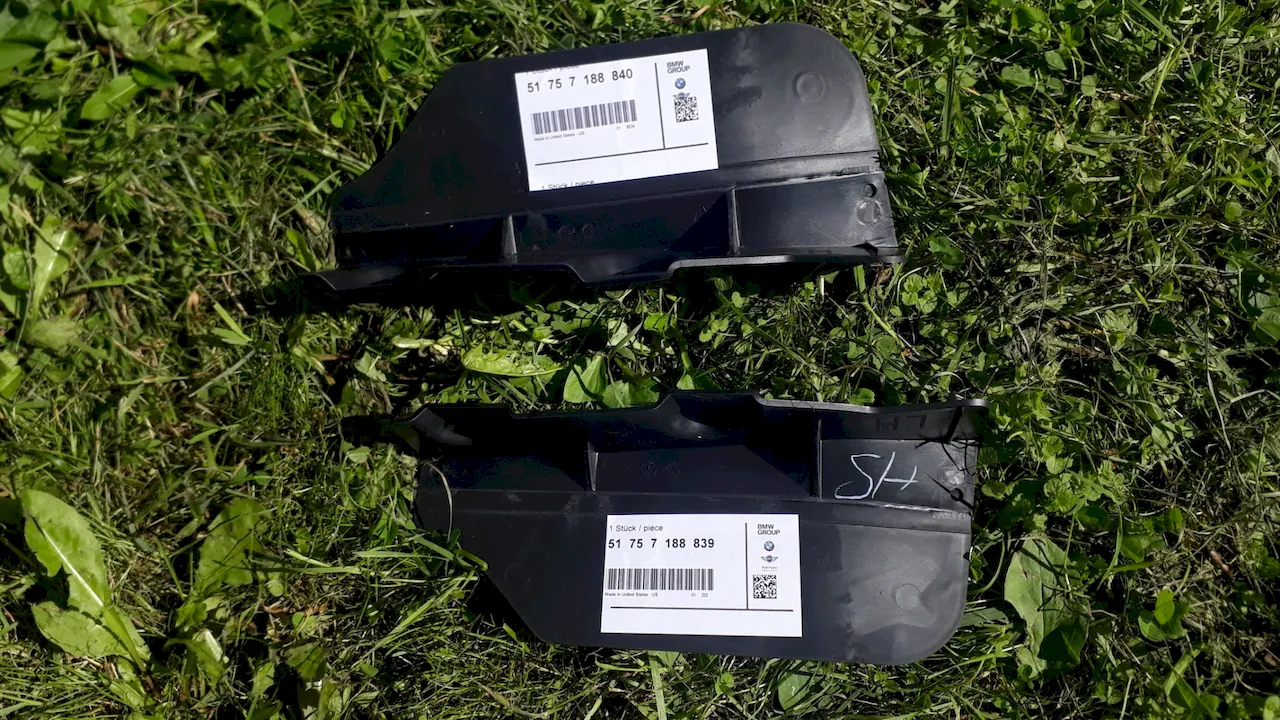
So what exactly do they do?
The answer is fairly straightforward. These deflectors help improve a vehicle’s aerodynamic efficiency. By directing airflow around the rotating wheels, they can increase high-speed stability and, in some cases, slightly improve a car’s top speed. They’re especially useful when driving on slick roads because they help manage airflow around the tires.
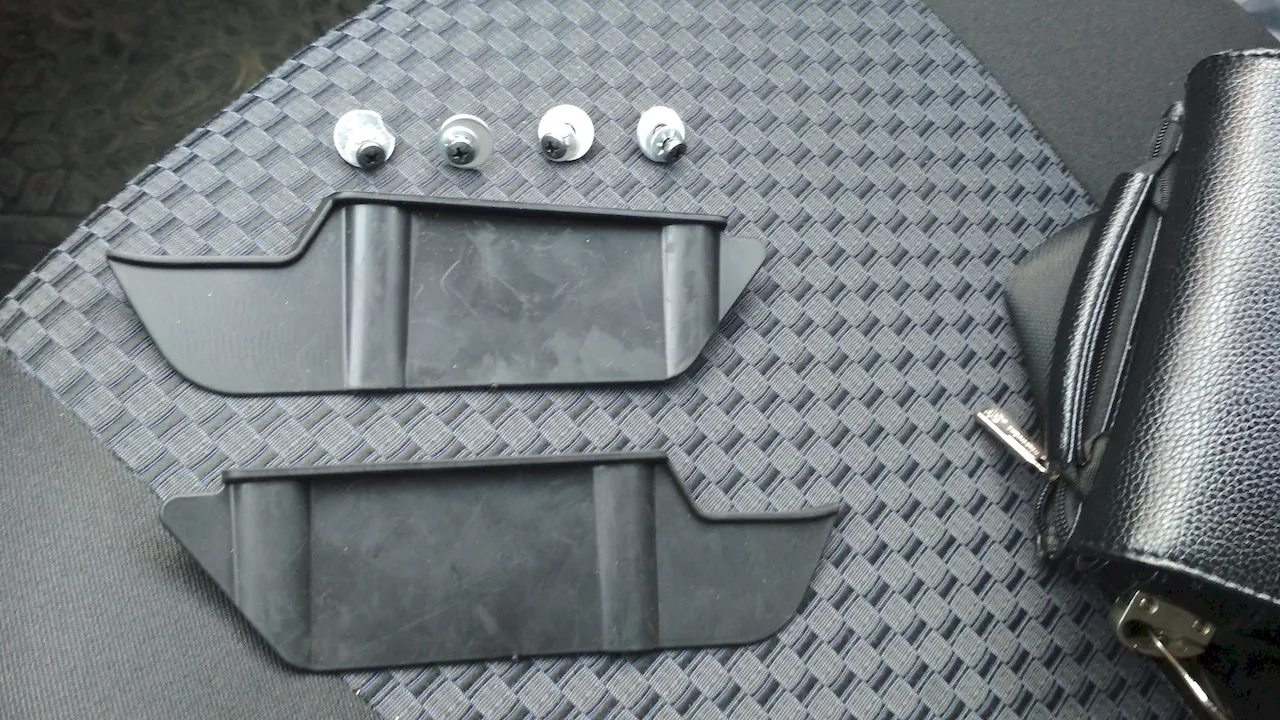
At the same time, the deflectors help channel incoming air in a way that can assist with cooling components underneath the vehicle, including parts of the exhaust system.
They also provide a few secondary benefits. Aerodynamic deflectors can help reduce the amount of grime and ice buildup around the rocker panels during winter driving. They may also lower the chances of small chips, cracks, or other damage forming on the edges of the wheel arches.

Installing these parts is usually straightforward and can often be done by the owner without specialized tools. However, it’s important to understand one key point: aerodynamic deflectors are not a replacement for traditional mud flaps—they serve a completely different purpose.
You may also be interested in the news:

You've Seen These Black-and-Yellow Road Markers—But Do You Know What They Really Mean?
Those familiar black-and-yellow road markers quietly tell drivers which direction to take around roadside obstacles.
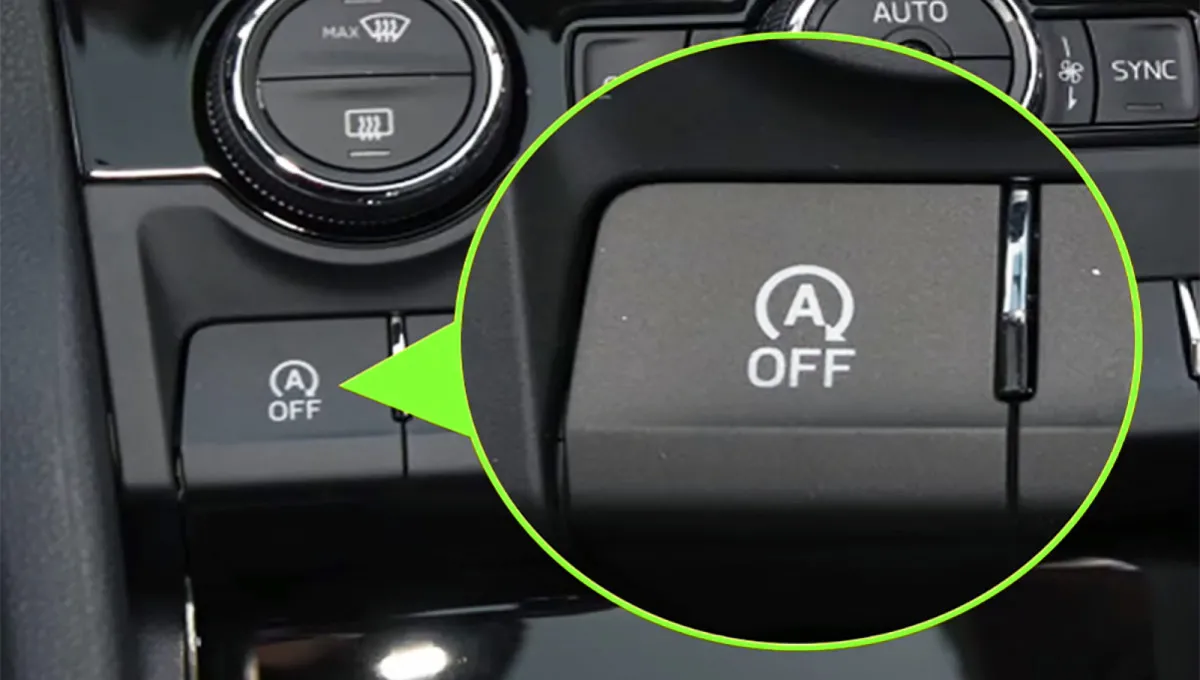
Start/Stop Systems Are Everywhere — But Are They Really Saving You Gas or Wearing Out Your Engine?
Does start-stop technology really save fuel, and does it put extra wear on the engine? Here’s what drivers need to know.
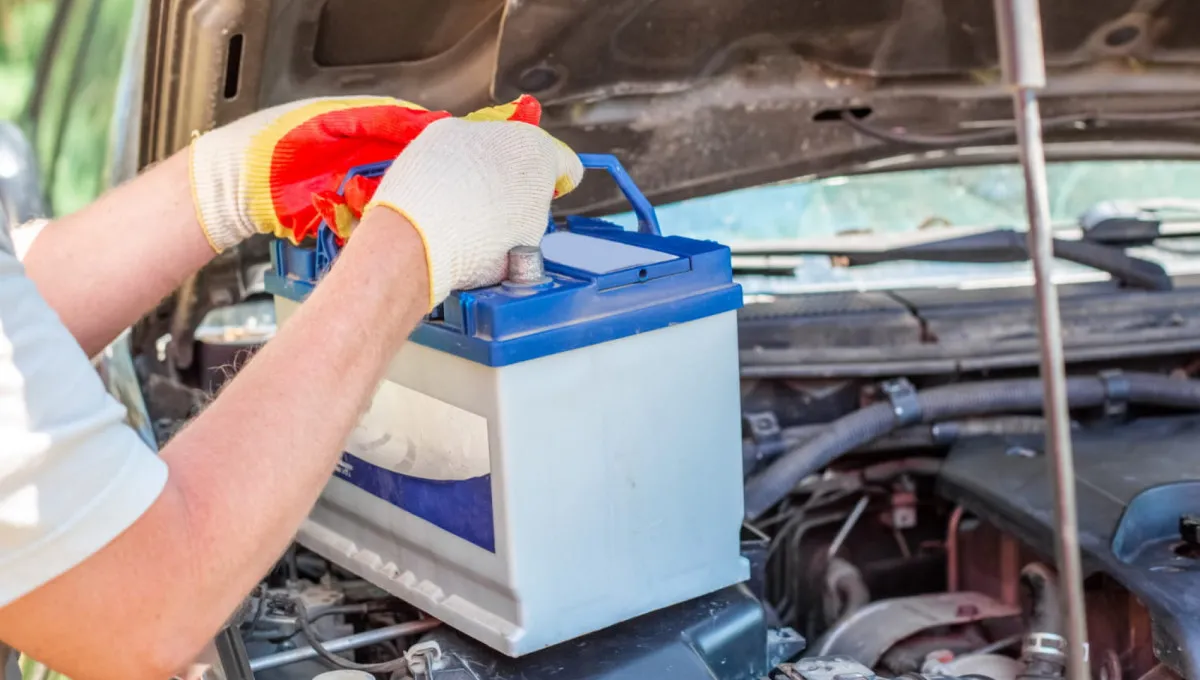
3 Signs Your Car Battery Is About to Die — And the Warning Signs Drivers Often Miss
A failing car battery rarely dies without warning, and these three signs can give drivers time to act before getting stranded.
These Used Cars Could Save You Thousands on Repairs, According to Experts
For many drivers, reliability and maintenance costs are just as important as the purchase price when choosing a used car.

YouTube Has a New Problem: AI Is Creating Fake Mechanics Who Look Completely Real
Artificial intelligence is now being used to create convincing fake auto mechanics on YouTube, raising concerns about misleading advice.