
Volkswagen Denies BYD Rumors as “Glass Factory” Shuts Down
Volkswagen is restructuring operations, and a historic German plant closure highlights the scale of changes.
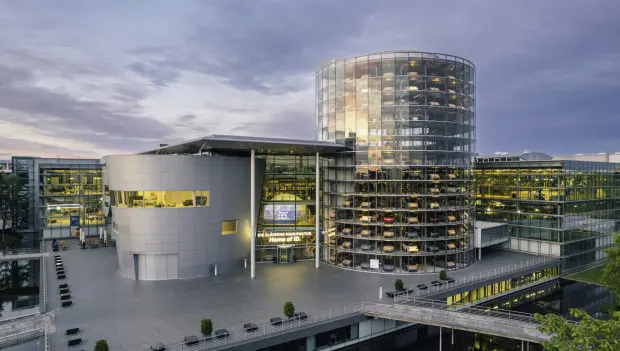
Volkswagen is in the middle of a sweeping restructuring effort—and this time, it’s not just speculation. Company executives have openly acknowledged rising costs and declining production volumes amid softer demand. As a result, major changes are coming to its manufacturing footprint in Germany.
This goes beyond tweaking production plans. The company is actively negotiating with plant managers and labor groups over restructuring steps that could include layoffs and even full shutdowns. One high-profile example is the so-called “Glass Factory” in Dresden.
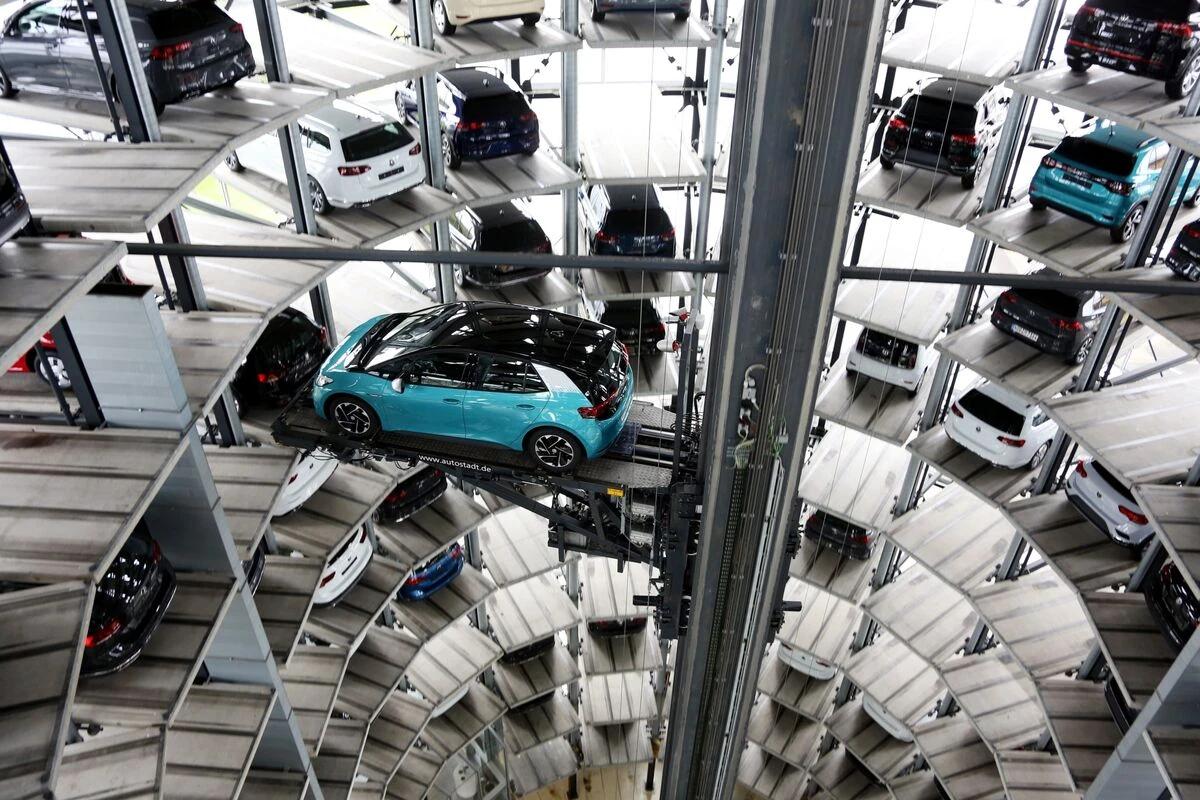
Production at the site officially ended on December 16, 2025, marking the first time in 88 years that Volkswagen has closed a factory in Germany. However, the facility won’t simply sit idle. Plans call for at least a partial transformation into a research center and technology campus in partnership with TU Dresden.
The Dresden plant holds symbolic value. Over the years, it produced models like the Volkswagen Phaeton, the Volkswagen e-Golf, and more recently the Volkswagen ID.3. Its transparent, visitor-friendly production concept made it one of the most unique automotive facilities in the world.
That uniqueness has sparked interest from Chinese automakers looking to expand in Europe. Companies like SAIC Motor (with its MG lineup) and Xpeng have been mentioned, but reports from CarNewsChina suggesting involvement from BYD generated the most buzz. Volkswagen, however, firmly denied those claims, calling them “pure speculation.”
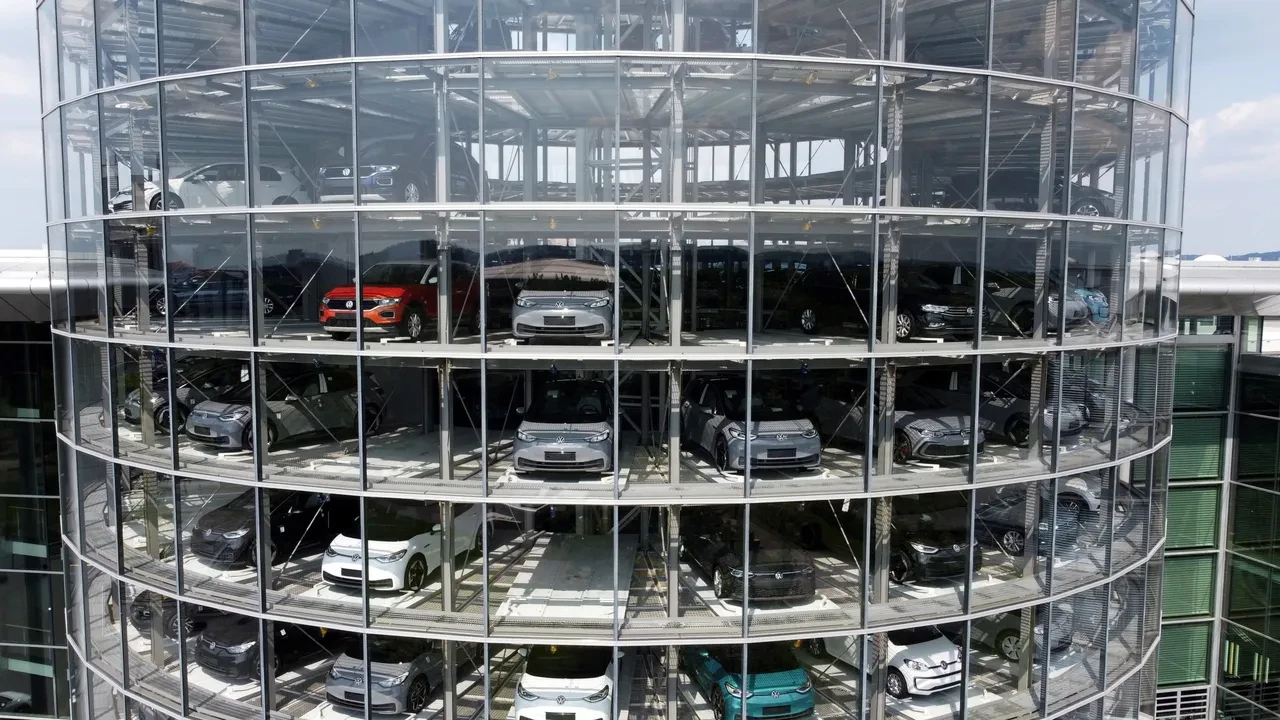
The situation remains somewhat fluid. Just days earlier, Volkswagen CEO Oliver Blume suggested that unused facilities could theoretically be repurposed or even transferred to Chinese manufacturers, calling such a move a “smart solution.” With roughly a dozen plants in Germany, not all are expected to run at full capacity under revised production targets.
According to industry chatter from China, BYD had reportedly considered acquiring part of the Dresden site, potentially investing around $55 million. Such a move would offer a valuable “Made in Germany” label—still a powerful asset for brand perception in Europe.
Meanwhile, BYD is already moving forward with its European expansion strategy. The company is preparing to launch production at a new plant in Hungary, where the BYD Dolphin Surf will be a key model. A second factory in Turkey is expected to follow, and the automaker has hinted at plans for a third site.
Spain is currently seen as a leading candidate, though Germany remains firmly on BYD’s radar. The company appears to be capitalizing on Berlin’s relatively favorable stance during ongoing EU tariff debates—Germany notably voted against new import duties on Chinese EVs.
If BYD were to establish a foothold in Germany—especially at a former Volkswagen site—the symbolism would be hard to ignore. Chinese automakers are pushing aggressively into Europe, and underutilized Western factories represent a tempting opportunity. A similar strategy is already in play, as Leapmotor prepares to use a Stellantis plant in Figueruelas.
For now, Volkswagen remains focused on cutting costs and adapting to economic pressure and weaker demand. Still, in an industry moving this fast, today’s denials don’t always rule out tomorrow’s deals.
You may also be interested in the news:
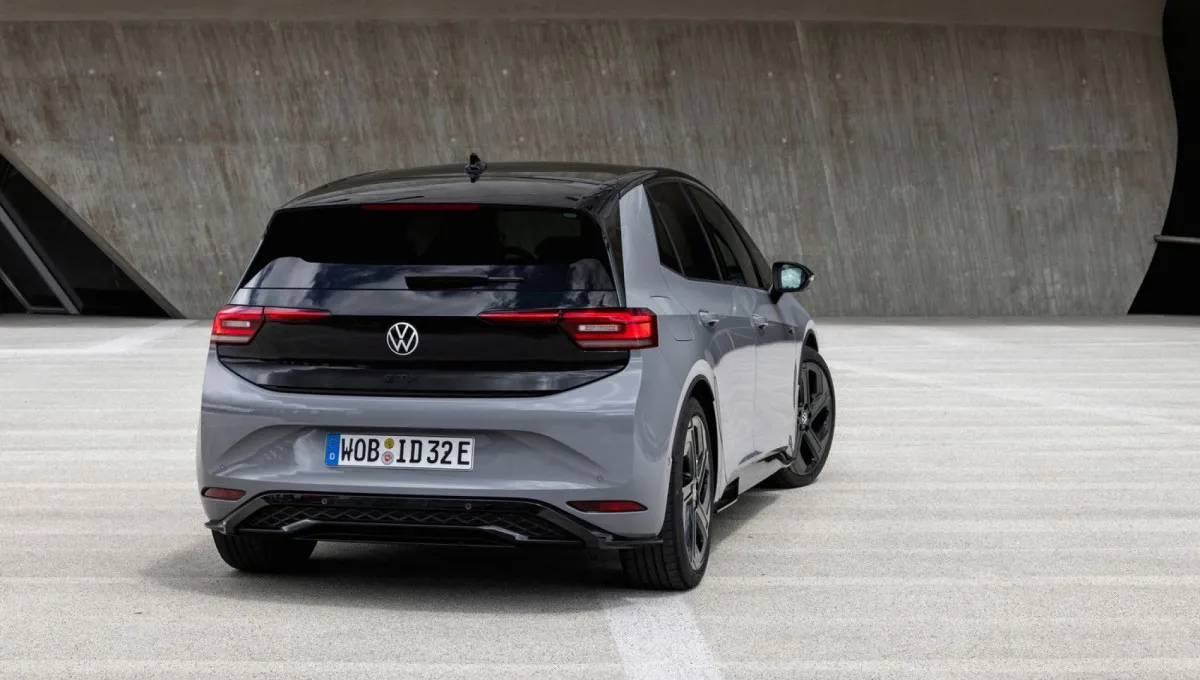
Volkswagen Just Did the Unthinkable: The New GTI Is Rear-Wheel Drive
Volkswagen's ID.3 GTI reaches 60 mph in 5.6 seconds and offers 373 miles of range.
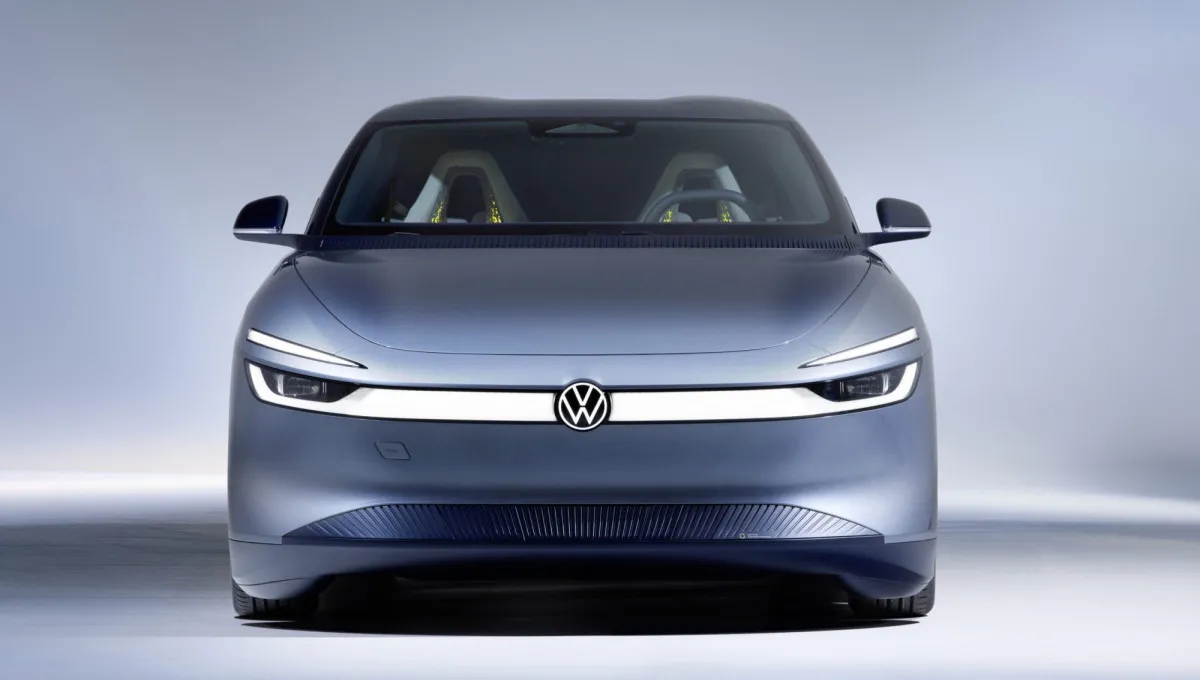
Volkswagen Mission Efficiency Concept Sets Three World Records, Looks Like a 13-Year-Old Model
Volkswagen has unveiled the new Mission Efficiency concept, a radical electric coupe focused on maximizing range and energy efficiency.
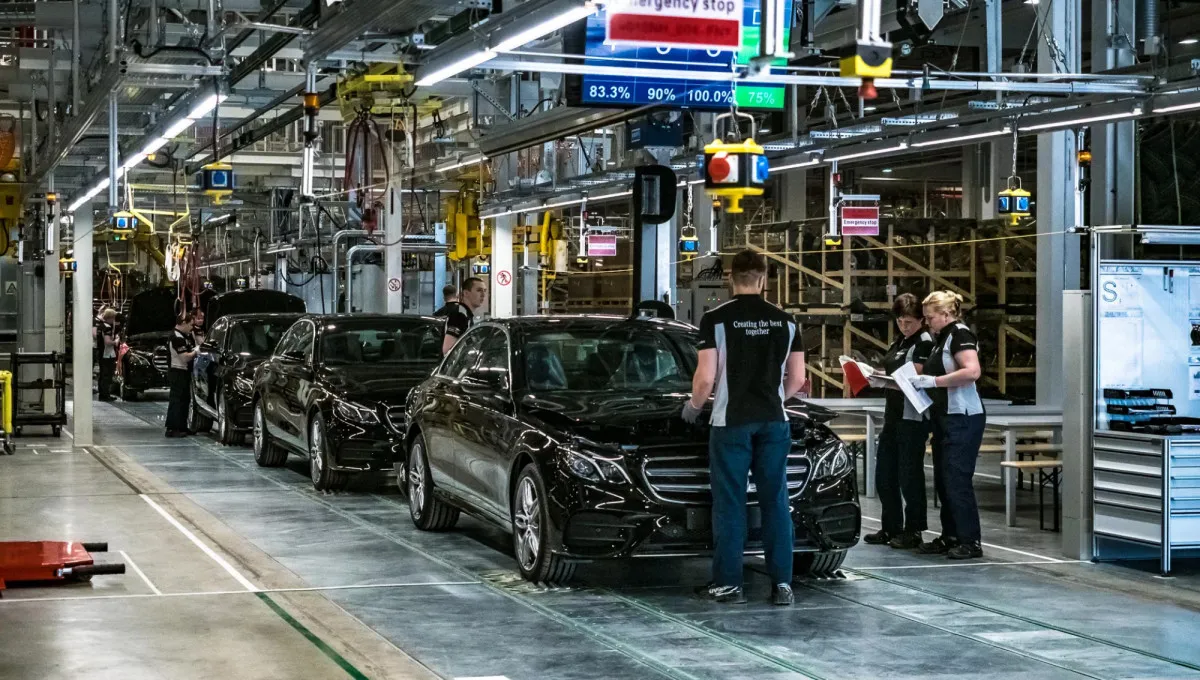
Mercedes-Benz to Close Plants and Cut Wages as Workers Face Layoffs
Mercedes-Benz is preparing to restructure its business, including potential pay cuts, layoffs and even the closure of a factory.
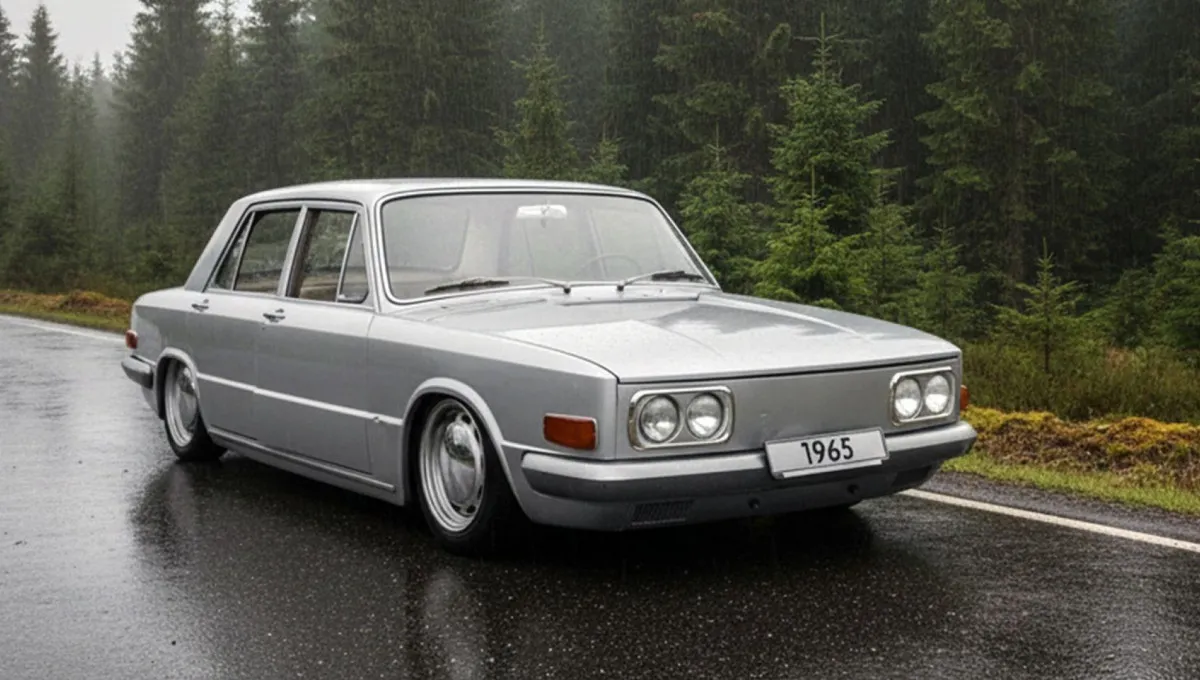
“VW on the Outside, Porsche Underneath”: The Story of the Failed EA-128 Sedan
A little-known Volkswagen prototype combined a large sedan body with Porsche 911 hardware in an attempt to enter the upscale market.
Volkswagen Finds Support in India as Company Plans New Vehicles With JSW
Volkswagen and JSW Group have signed a memorandum to create a joint venture in India focused on developing new vehicles.